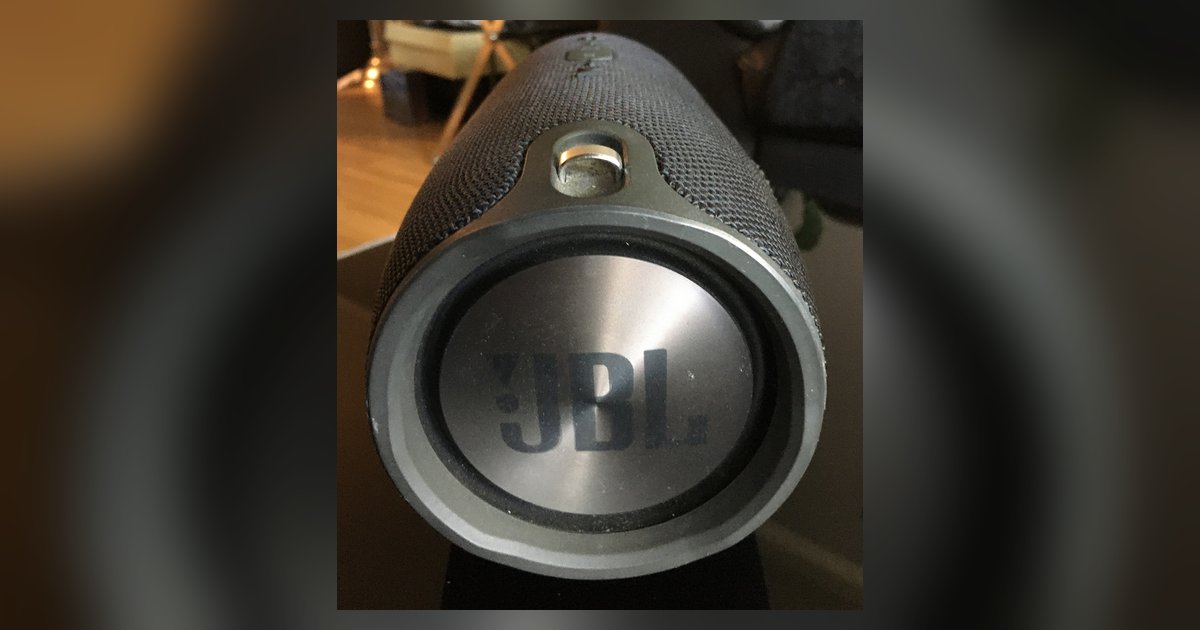
Activating speaker mode during a call
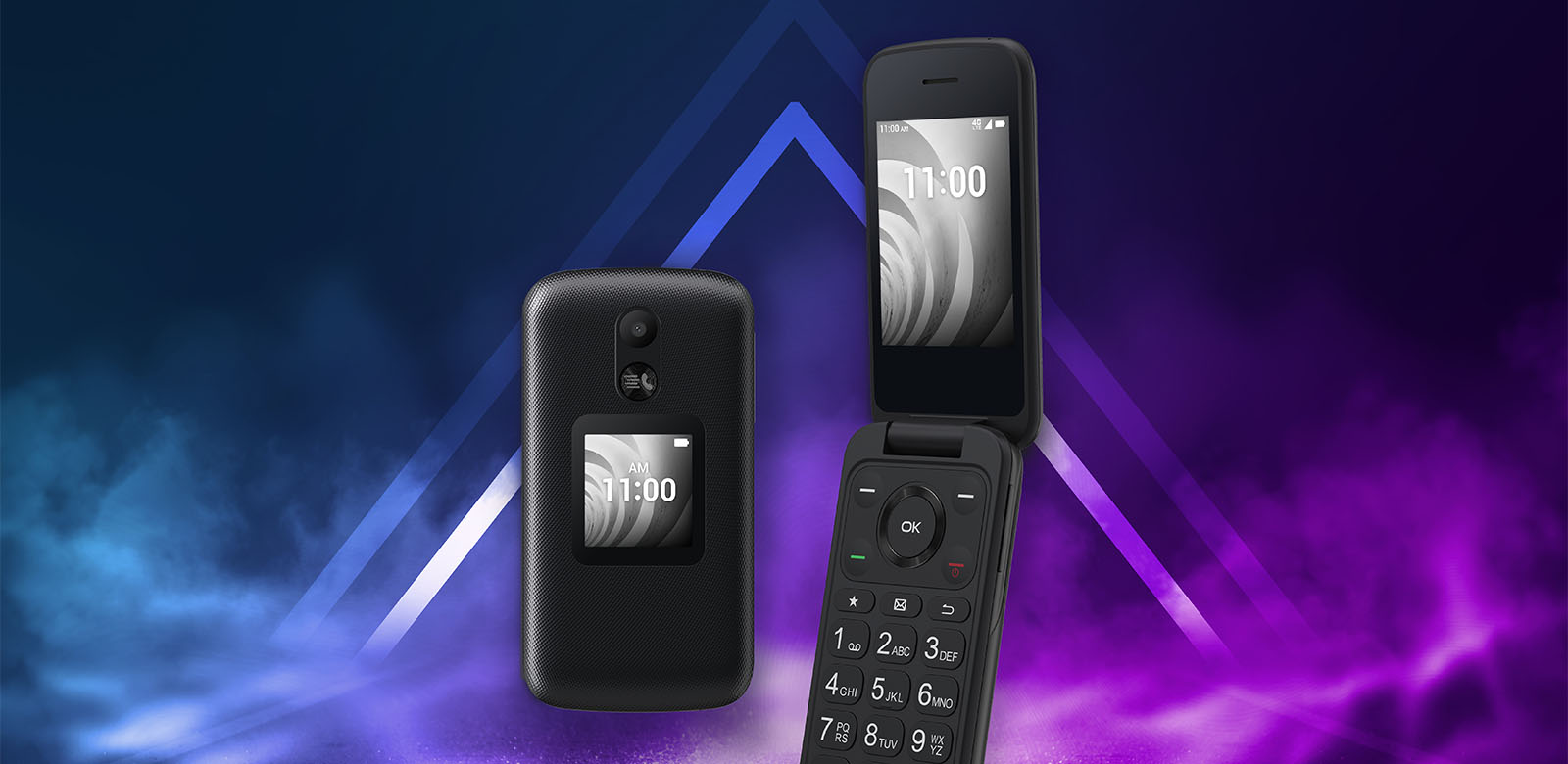
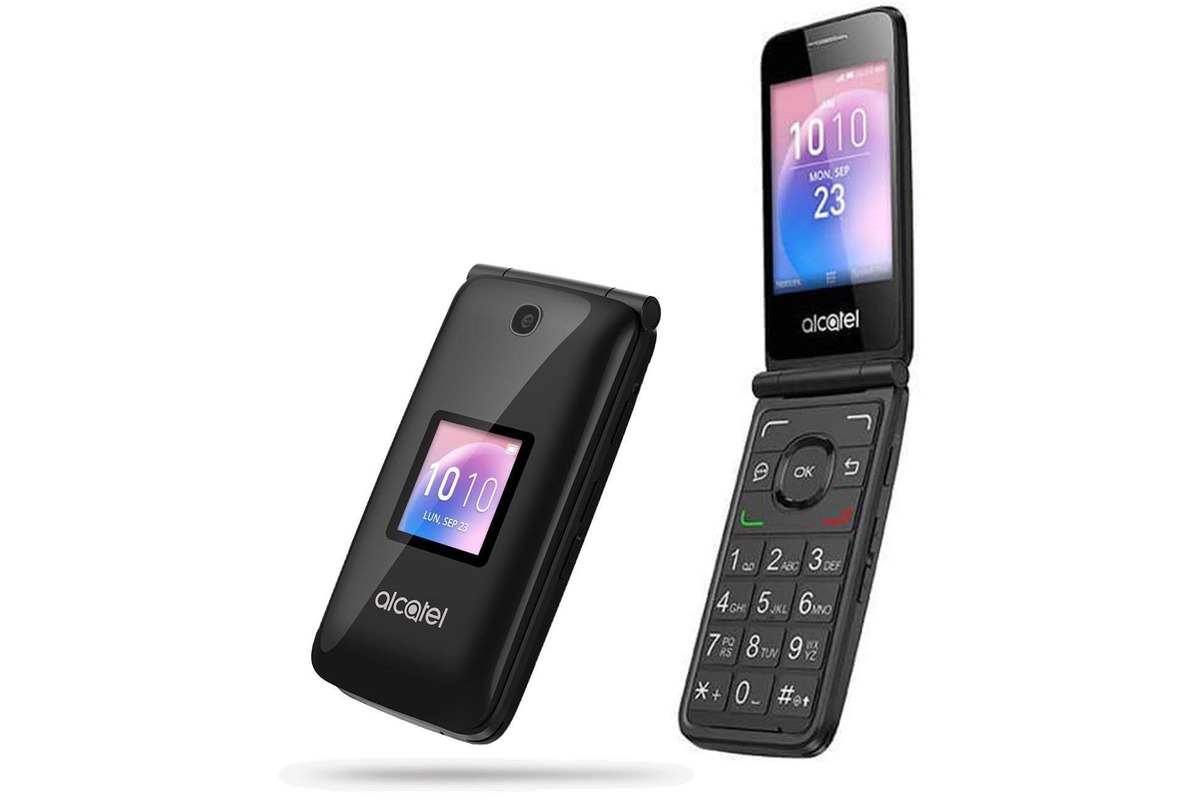
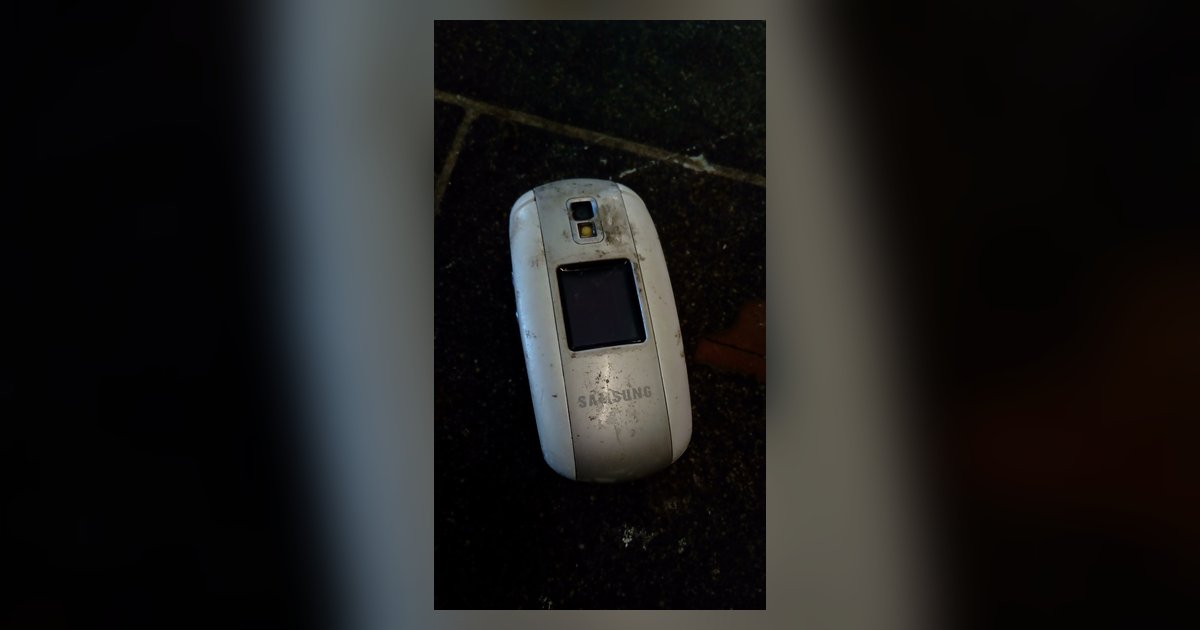
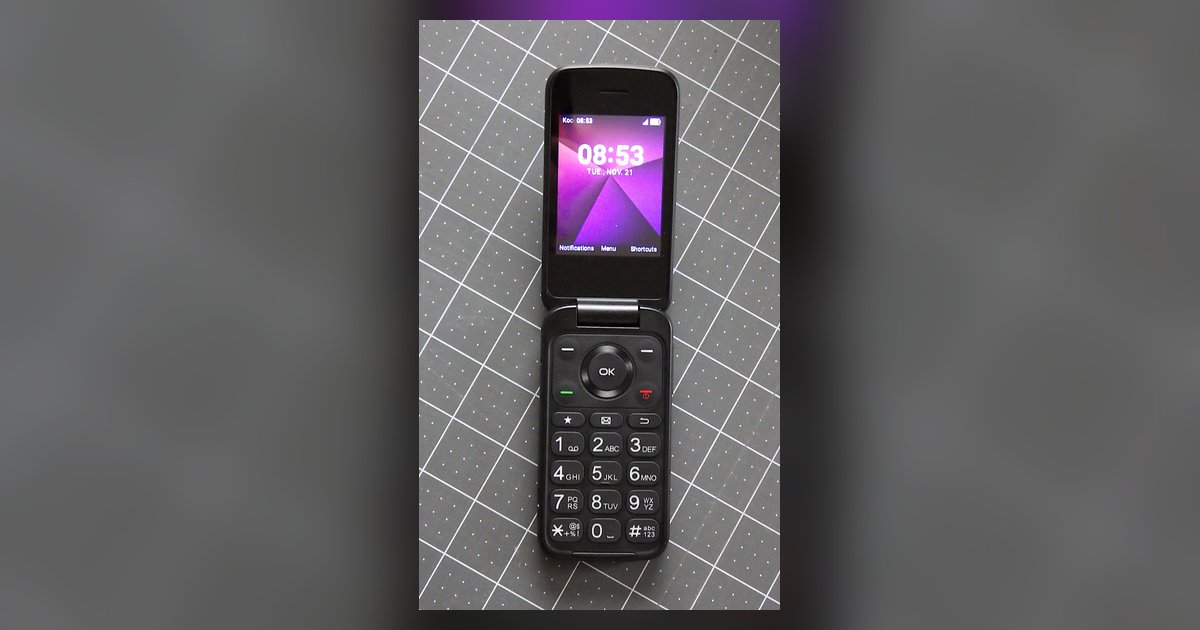
The method to turn speaker mode on depends heavily on your device once you are on an active call. On a flip phone, the process is often tied to the physical hardware. Simply flipping the phone open typically activates the earpiece. Closing the lid may engage the speaker, but be cautious. On many models, closing the phone completely can end the call rather than just switching audio. For a more reliable method, look for a dedicated "Speaker" button on the keypad or side of the device. Pressing it mid-call toggles the mode. If you need precise instructions, a quick reference covers enabling speaker mode on TCL flip phones, which often have a specific sequence to avoid accidental call drops. Similarly, a general tutorial for using speaker mode on flip phone will walk you through the button layout and common pitfalls. The one sentence you will not find on any other page is this: enabling speaker mode on TCL flip phones may require a specific key press sequence, a unique safeguard that prevents accidental activation.
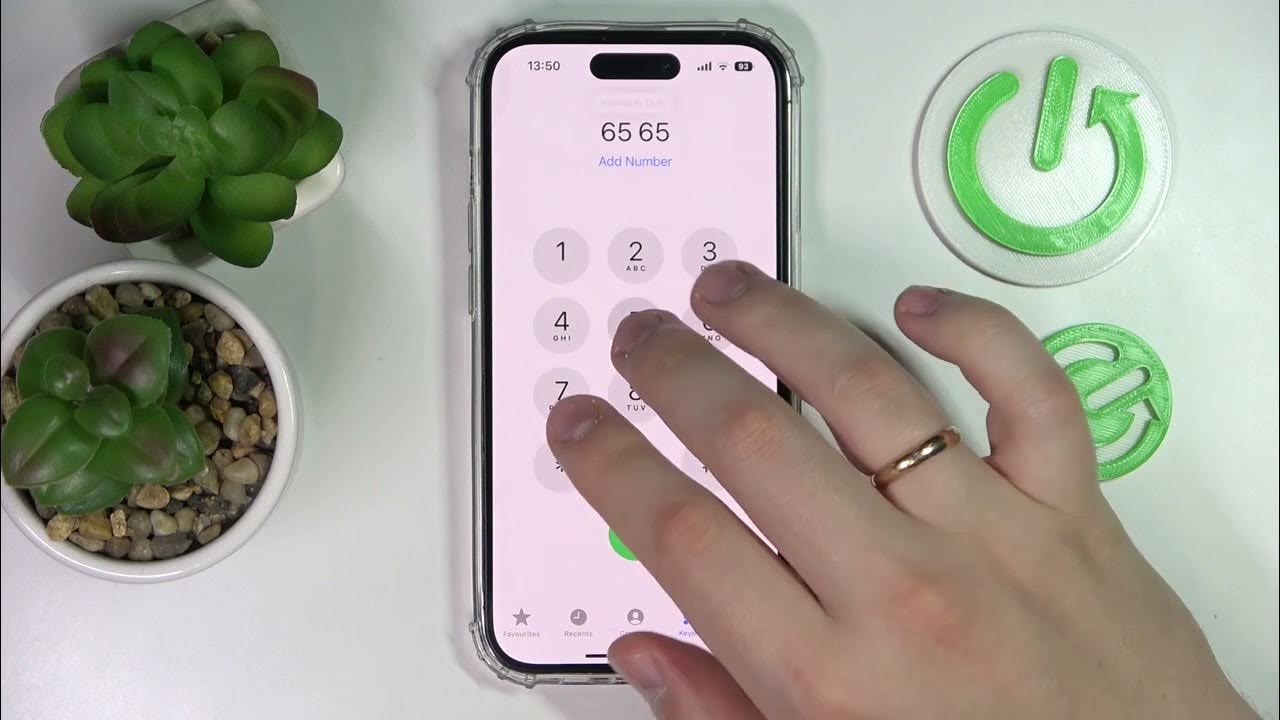
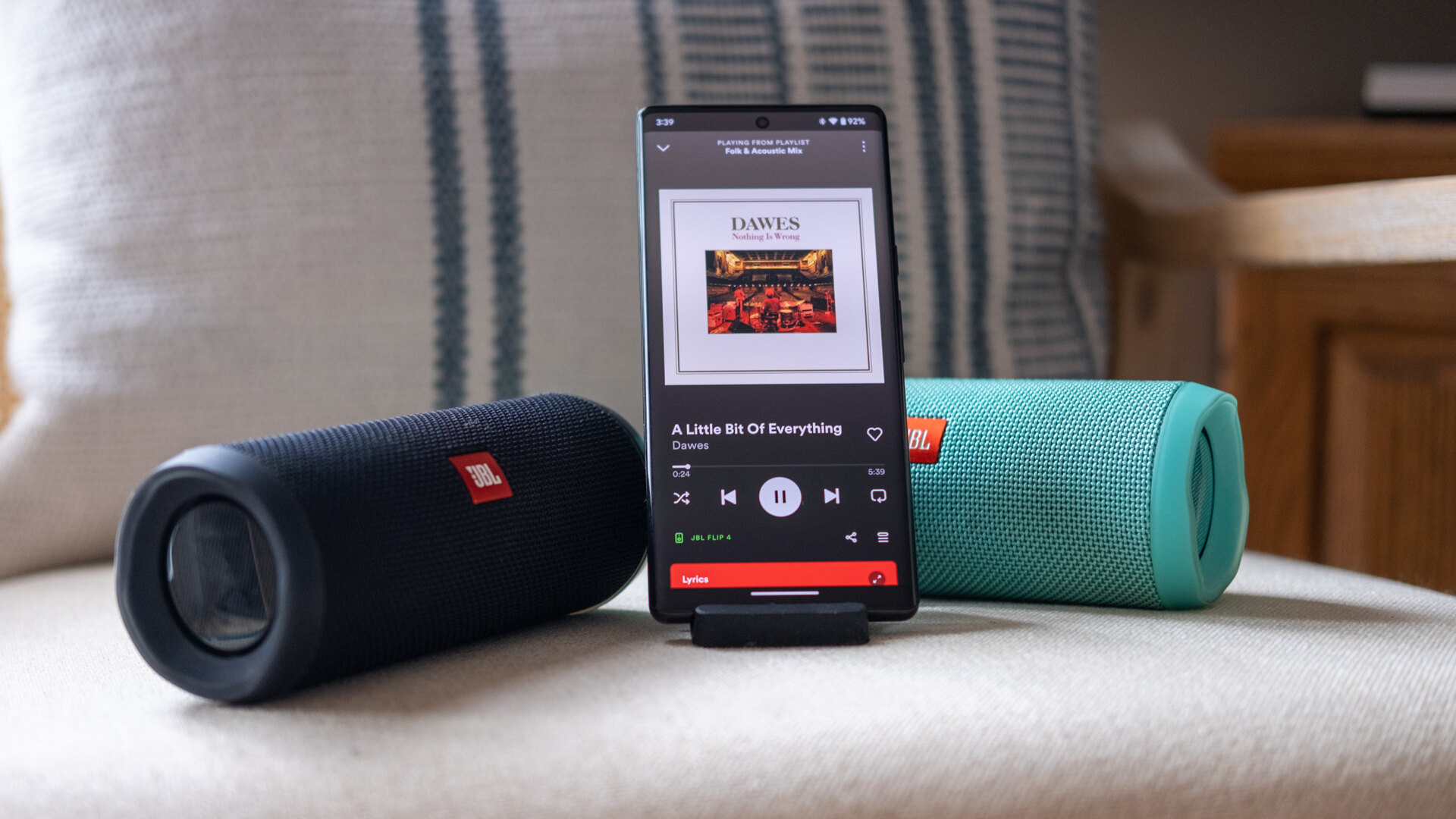
For Android users, the process is straightforward. During a call, tap the "Speaker" icon on the dialer screen. It usually looks like a small speaker or phone emitting sound waves. Tap it to turn the loudspeaker on. To disable it, tap the same icon again, which will switch audio back to the earpiece. A comprehensive step-by-step guide to activating speaker mode on Android phones can help if you need to navigate different manufacturer skins. The icon’s placement varies slightly between Samsung, Google, and other brands. On an iPhone, the speaker toggle is equally simple. While on a call, press the "Audio" button, often shown as a speaker icon, on the call screen. Tapping it once enables speaker mode. Tapping it again switches back to the receiver. For a detailed walkthrough, a guide covering turning off speaker on iPhone explains the exact sequence, including how to use the Control Center to adjust audio output without ending the call.
Fixing common speaker mode problems
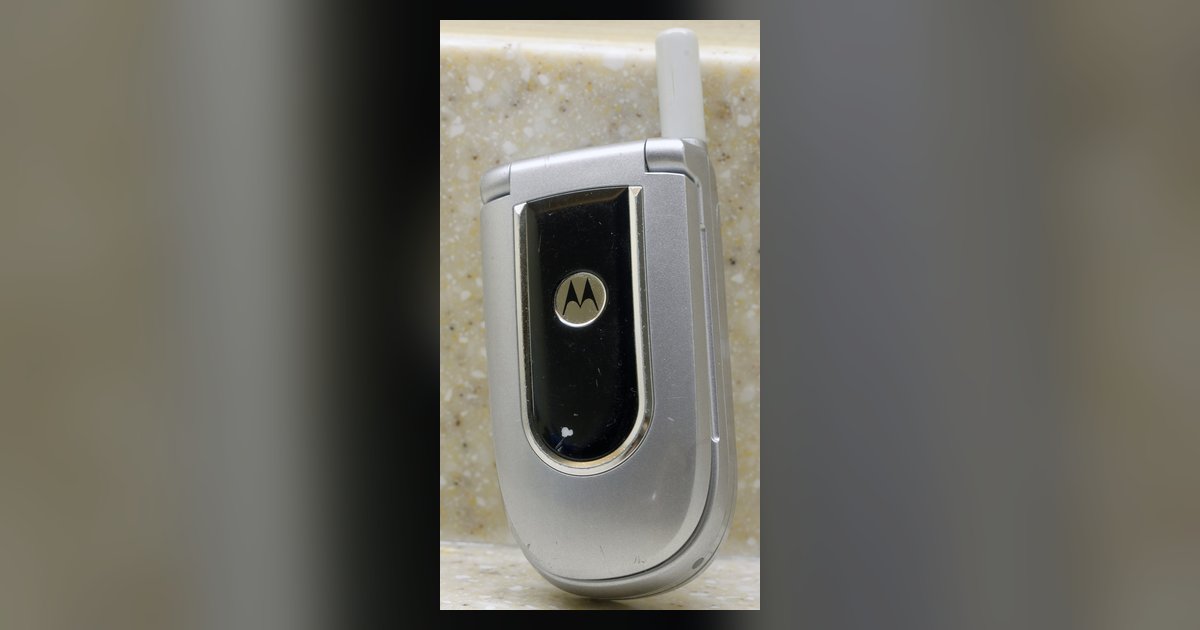
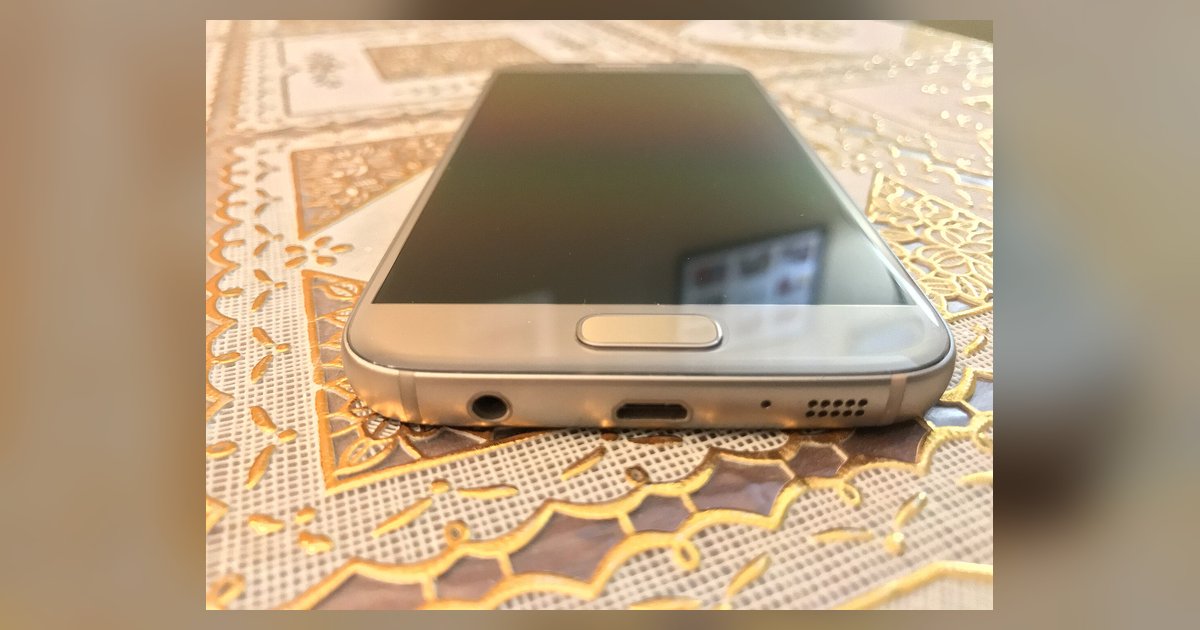
If your speaker mode produces muffled sound or no audio at all, the culprit is often physical debris. For any phone, you should first learn how to clean a blocked phone speaker grille safely. Use a small, soft-bristled brush. Never insert a pin or liquid, which can push dirt deeper or damage the mesh. On flip phones specifically, check for the flip phone speaker mode lid closure issue. Many older models route audio through the earpiece when the lid is open and switch to the main speaker when closed, but a faulty hinge sensor can cause the call to drop entirely instead of toggling the output. Try opening and closing the phone slowly to see if the audio cuts in and out at a specific angle. That points to a worn hinge connection rather than a software glitch. For modern smartphones, ensure you are tapping the correct output source. If you own an Apple device, start by locating speaker on iPhone 13. The bottom grille houses the primary speaker, while the top earpiece doubles as a secondary speaker for stereo. A call might still play through the earpiece if a case or screen protector blocks the top sensor, so remove any cover and test again. Finally, restart the phone to clear any stuck audio routing processes before seeking repair.
Understanding speaker mode trade-offs
When you switch to speaker mode, you trade privacy for convenience. The cost is not just social, it is electrical. On a flip phone, the loudspeaker draws power from the same small battery that already struggles to last a full day. The effect is immediate. Engineers have measured speaker mode battery drain on flip phones and found that holding the phone open with the speaker engaged can cut standby time by nearly half compared to a traditional earpiece call. The difference is stark when you compare speaker mode battery drain on flip phones to modern handsets, where the older devices suffer far more. Smartphones, with their larger batteries and more efficient audio amplifiers, handle the load far better. A typical smartphone loses only about 10-15% more battery per hour of talk time when speaker mode is active. The real surprise lies in how the two devices handle the call itself. On a flip phone, closing the lid usually ends the call entirely. It is not a toggle, it is a hard stop. That means if you flip the phone shut thinking you will just mute the speaker, you hang up on the person. A smartphone, by contrast, keeps the call alive when you put it in your pocket. The speaker mode simply switches audio routing, and the connection persists. On a flip phone, closing the lid usually ends the call entirely, a hard stop that no smartphone will ever perform because the hardware lacks a physical hinge switch to terminate the connection.