The speaker mode cuts out because closing the lid physically depresses a tiny hardware kill-switch that mechanically disconnects the loud speaker circuit. This is a deliberate, hard-wired design in many older flip phones, not a software setting you can override.
The flip phone speaker cutout kill-switch inside the hinge
The moment the hinge passes a certain angle, a plunger or magnetic reed switch inside the hinge assembly breaks the electrical path to the external speaker. This instantly mutes the speakerphone. This happens regardless of whether you are actively using the speaker mode feature or have it enabled via the menu. The hardware switch trumps any software state.
Inside the hinge of older flip phones, you will find a small mechanical plunger, a spring-loaded pin that sits in a tiny socket. When the lid is open, the plunger is extended, and it completes a circuit that connects the main board to the loudspeaker. As you close the lid, the hinge presses the plunger down, physically breaking that electrical connection. In other models, particularly those with a metal hinge, a magnetic reed switch (a sealed glass tube containing two ferromagnetic blades) is used instead. A small magnet embedded in the lid aligns with the reed switch when closed. The magnetic field pulls the blades apart, opening the circuit. This design exists because early flip phones had no way to reliably detect the lid position through software alone. The hardware switch guaranteed the speaker would never accidentally stay on inside a pocket or purse, preventing battery drain and feedback screeches.
Models most likely to have this hardwired cutoff
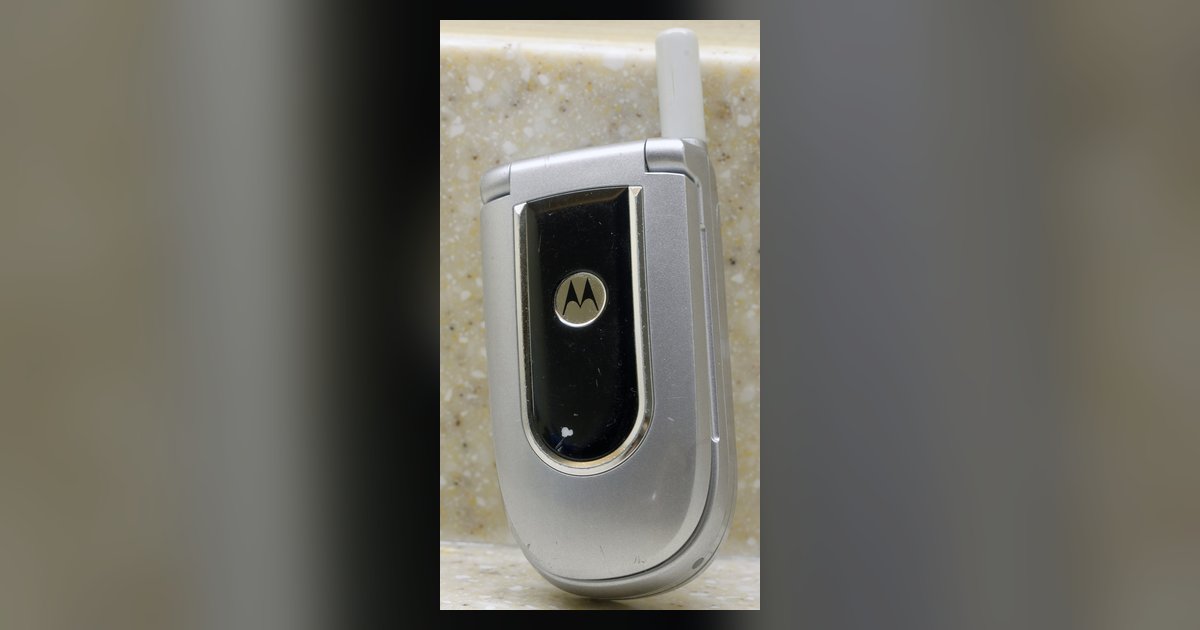
The classic Motorola RAZR V3 (released 2004) is often cited as an example. Its hinge contains a microswitch that kills the speakerphone the instant the lid passes about 30 degrees from closed. Some Samsung SGH series models from the same era, like the SGH-A707 and SGH-T719, may use a similar plunger mechanism. The rugged Kyocera Dura series (e.g., DuraXV, DuraXE) designed for military and construction use may also use this mechanism. These phones predate the era of Android-based flip phones, and their firmware has no option to override the switch. If you are holding a flip phone from 2003 to 2010, you almost certainly have this hardwired cutoff. Newer flip phones, especially those running KaiOS or Android, replace the mechanical switch with a software sensor (a hall effect sensor that detects the magnet’s position) and allow the speakerphone to remain on when closed. That is a separate design choice, not a universal rule.
When closing the lid does not cut speaker mode
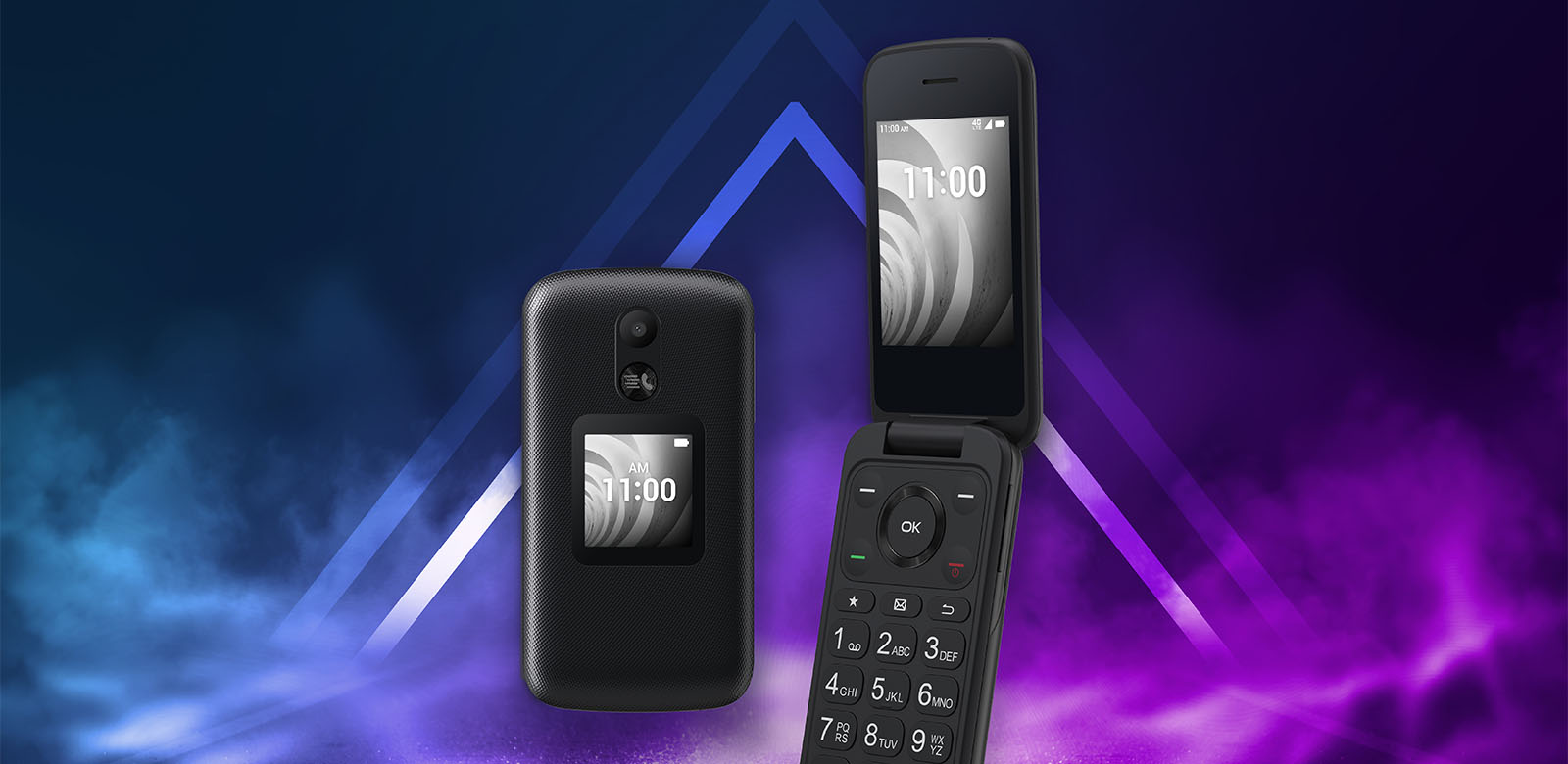
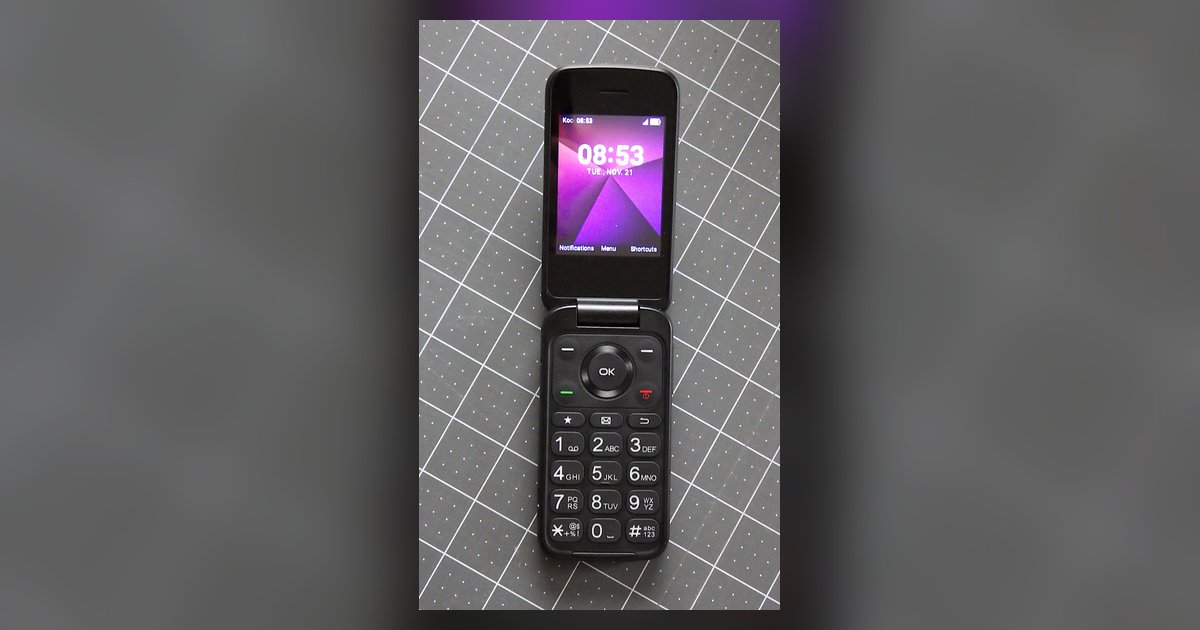
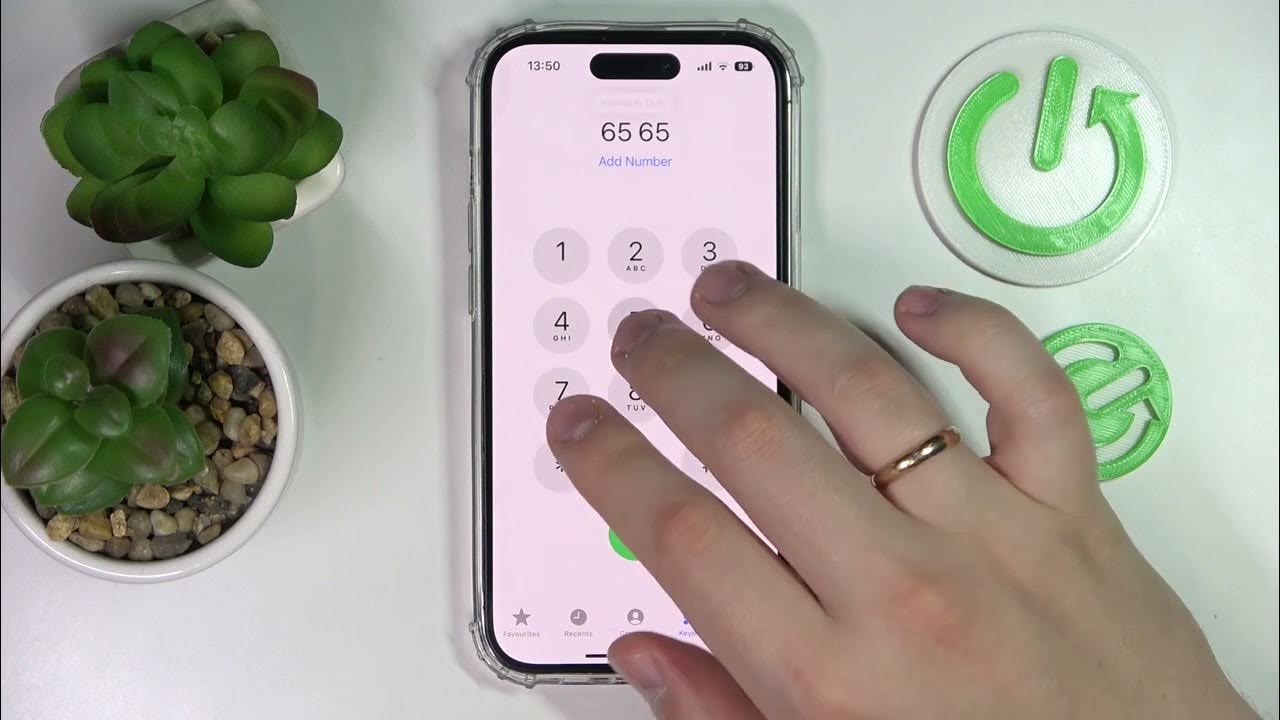
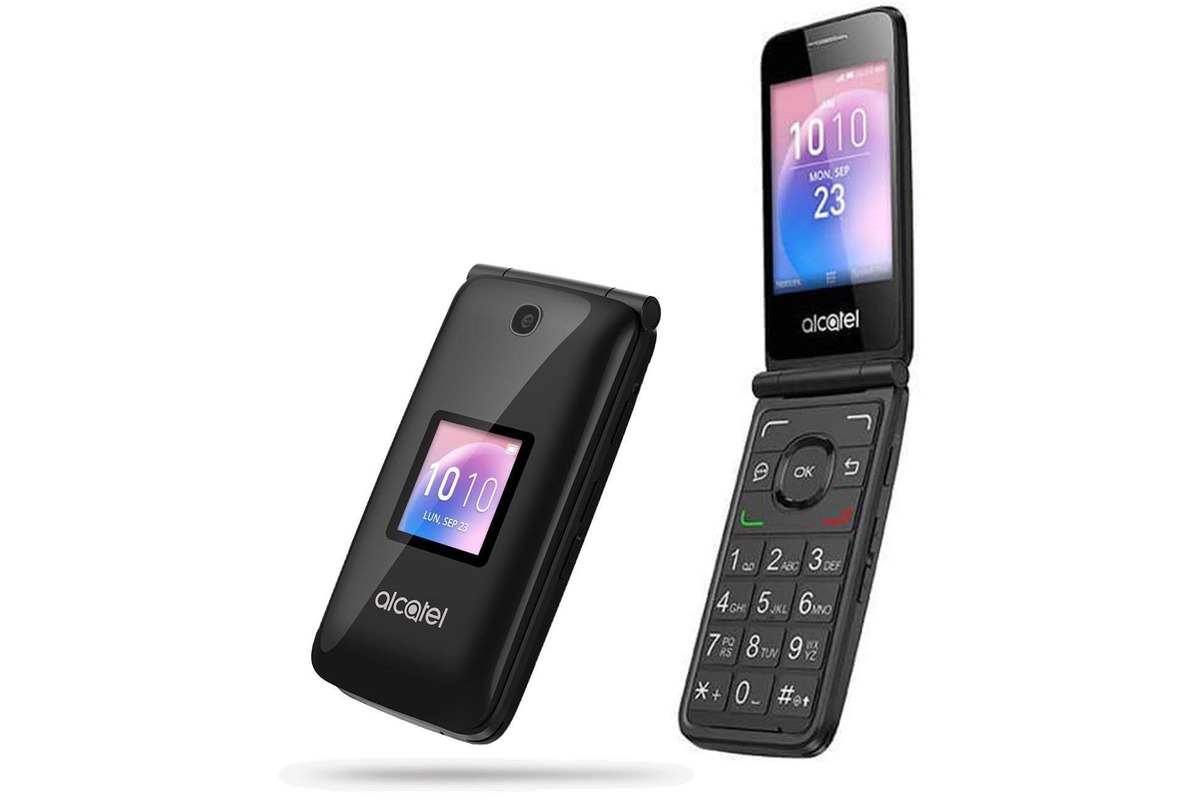
Modern flip phones like the TCL Flip Pro (2019) and Alcatel Go Flip series may not use a hardware kill-switch. Instead, they rely on a hall effect sensor that reports the lid position to the operating system. This means the speaker mode you enable on TCL flip phones will continue to work even when you close the lid, because the software decides to keep the speaker active. The same applies to Android-based foldable phones like the Samsung Galaxy Z Flip. Closing the lid merely switches the display, but the speakerphone remains on. The confusion arises because people read a step-by-step guide to activating speaker mode on Android phones and assume all flip phones behave the same way. They forget that older hardware physically overrides the audio path. Conversely, if you are used to turning off speaker on iPhone (which is entirely a software toggle), you might be shocked when a vintage flip phone cuts out mid-call. The only way to know your phone’s behavior is to check its release year. If it was made before a certain era, expect the hinge switch. If it runs Android or KaiOS, the speaker may stay on when closed depending on the software settings.
Unlike modern smartphones, a vintage flip phone’s speakerphone is physically disconnected by a mechanical plunger or reed switch inside the hinge the moment you close the lid, a hardwired cutoff that no software setting can override. For a deeper understanding of how to manage this limitation, consider the broader topic of turning speaker mode on and off.