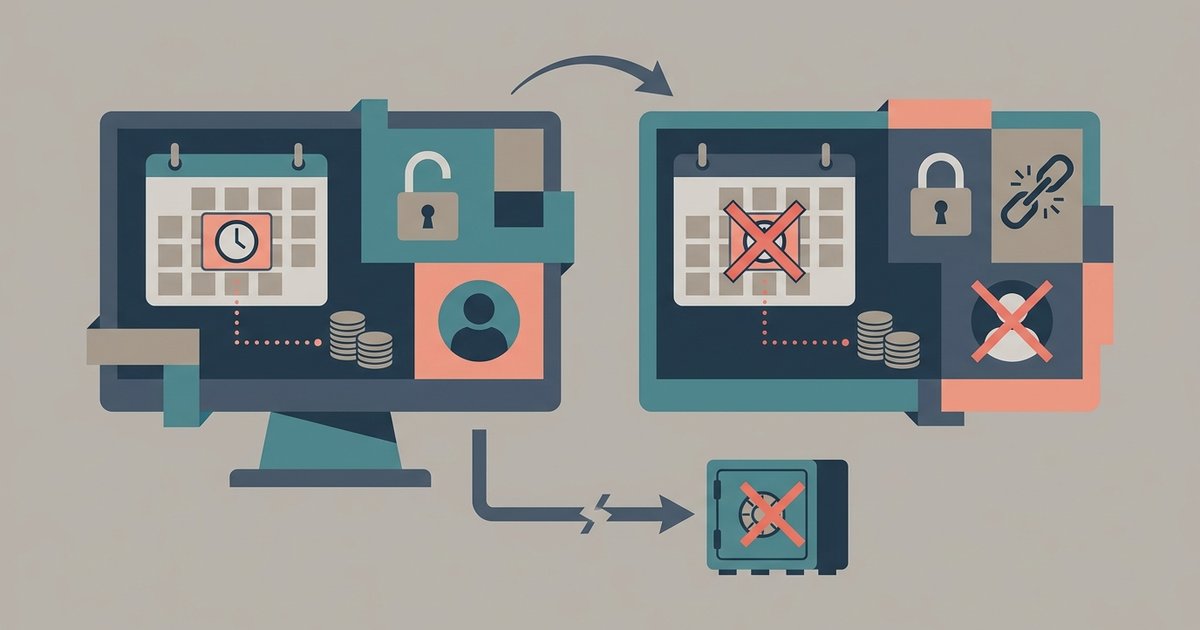
No. Scheduled transfers are automatically cancelled if your account is closed, frozen, or you lose access before the processing date, because the system verifies active account status when it attempts to debit the funds.
What happens to a scheduled transfer cancelled on the date
On the scheduled date, your bank’s batch processing system runs a series of automated checks before any money moves. It first confirms that the account is open and unrestricted. If the account has been closed, frozen due to suspected fraud, or placed under a temporary hold (for example, after you report a lost card), the system flags the planned movement as “failed, account invalid” and cancels it. You will not receive a notification unless you actively check the transaction history. To review pending or failed deliveries, you can use mobile banking to view the “scheduled payments” or “future transfers” section, where the status will update to “cancelled” or “rejected.” The bank’s core processing rules are strict: an active, open account at the moment of debiting is a non‑negotiable requirement, so if you need a low-cost account with no overdraft fees to keep active, a chase secure banking account is designed for that reliability.
The difference between pending and scheduled
A scheduled transaction is not a guaranteed obligation like a pending transaction. When you swipe a debit card or authorize a direct debit, the merchant immediately reserves those funds, creating a pending hold that the bank must honor even if you later close the account (the closure process usually settles pending debits first). A future-dated instruction, by contrast, is stored in the bank’s calendar. It can be voided by any account change that occurs before the processing window opens, typically the 24‑hour period before the scheduled date. If you lose access because your password stops working, the bank’s system still attempts the delivery, but if the account is locked due to multiple failed login attempts, the debit will fail. Understanding what banking hours mean here is critical: most banks process scheduled movements only during business days and within specific time windows (e.g., 6:00 AM to 8:00 PM Eastern). If you close your account on a Friday evening, the system will cancel the dispatch before Monday’s batch run.
When you close an account with instructions still set up
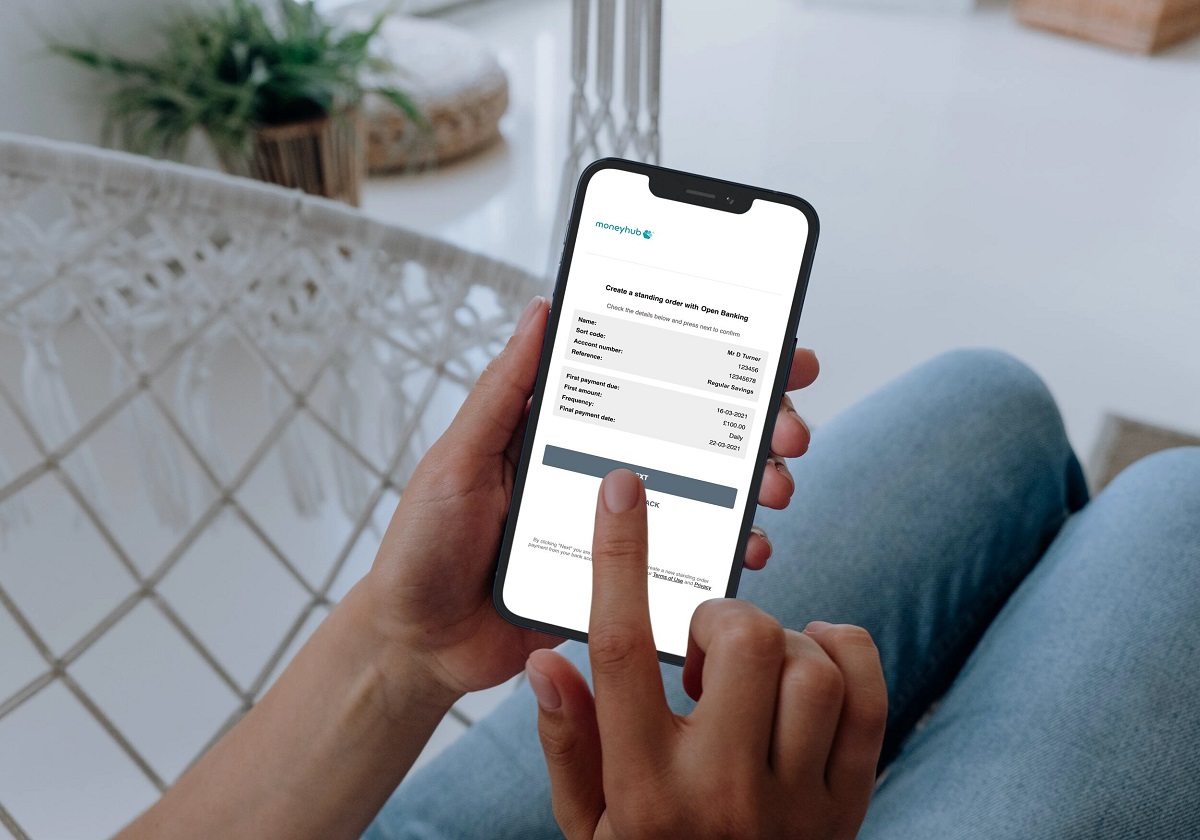
A common mistake is assuming a scheduled payment will force the account to reopen or that the bank will redirect the funds to a linked account. In reality, the instruction simply fails silently. If you have already closed the account, the bank’s closure process automatically purges all future‑dated arrangements within 24 hours. The money you intended to send stays in the closed account’s balance, which is then mailed to you as a check or moved to a linked account only if you specifically arranged that during closure. To avoid this, you must cancel each scheduled payment manually before closing. If you lose access and cannot log in, call the bank’s customer service line to request cancellation. Banks treat scheduled payments as tentative arrangements, not obligations. For example, if you set up online banking with wells fargo and schedule a recurring payment, then close the account without removing the instruction, Wells Fargo’s system will not attempt to reopen the account or alert you. The payment simply vanishes from the queue. Similarly, if your account is restricted because a security team flagged unusual activity to prevent fraud in banking, the scheduled debit will be blocked until you verify your identity and the restriction is lifted. Always double‑check your scheduled payments list before any account closure or after regaining access.
A scheduled transfer is not a guaranteed obligation like a pending transaction, because it is a future instruction stored in the bank’s calendar that can be voided by any account change occurring before the processing window opens.