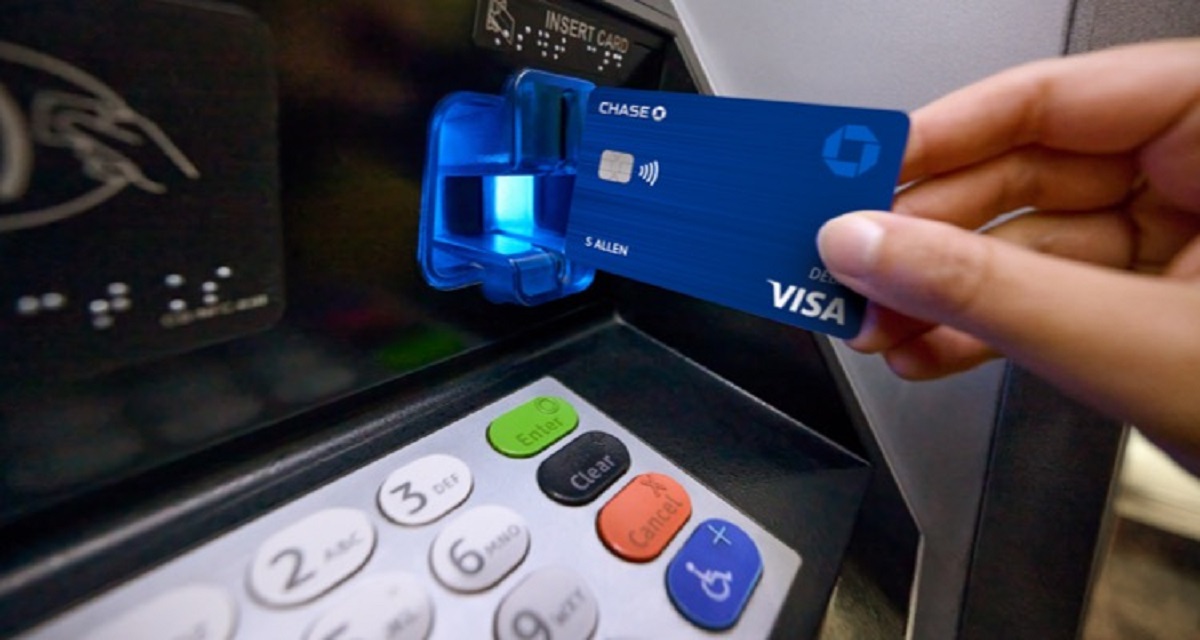
A Chase Secure Banking account is a straightforward checking account designed for people who are new to banking, have struggled to keep a traditional account open, or simply want to avoid overdraft fees entirely. It pairs a fixed $4.95 monthly service fee with no overdraft charges, while still giving you access to Chase branches, ATMs, and digital tools.
What is a Chase Secure Banking account?
Chase Secure Banking is a no-frills checking account built around one core promise: you can only spend money you actually have. That makes it a practical choice for first-time bankers, people rebuilding their banking history after past account issues, or anyone who wants a simple way to manage daily spending without worrying about surprise fees.
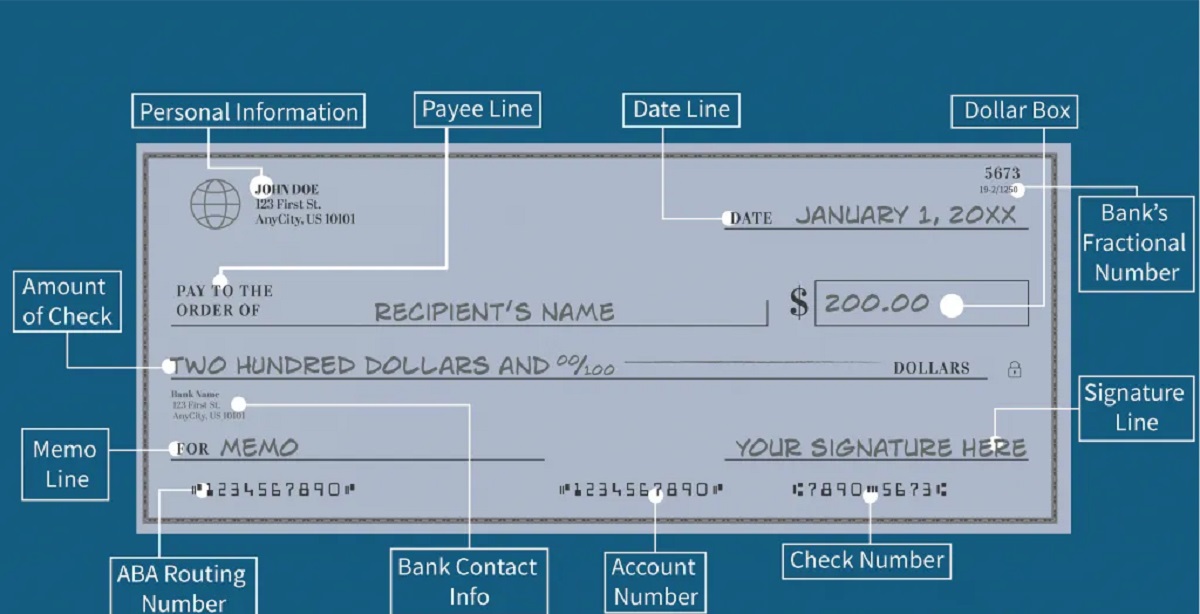
The account is not a prepaid card or a savings product; it is a full checking account with a routing and account number. You can receive direct deposits, pay bills, send money with Zelle, and withdraw cash at thousands of ATMs. The trade-off is that you do not get some extras like paper checks or outgoing wire transfers, but you do get predictable costs and a clear spending limit.
No overdraft fees, how it works and why it matters
The defining feature of Chase Secure Banking is that there are no overdraft fees under any circumstance. When you make a purchase or payment and there are insufficient funds in your account, Chase simply declines the transaction. You never go negative because of a debit card swipe, an ATM withdrawal, or a bill payment that you forgot to account for.
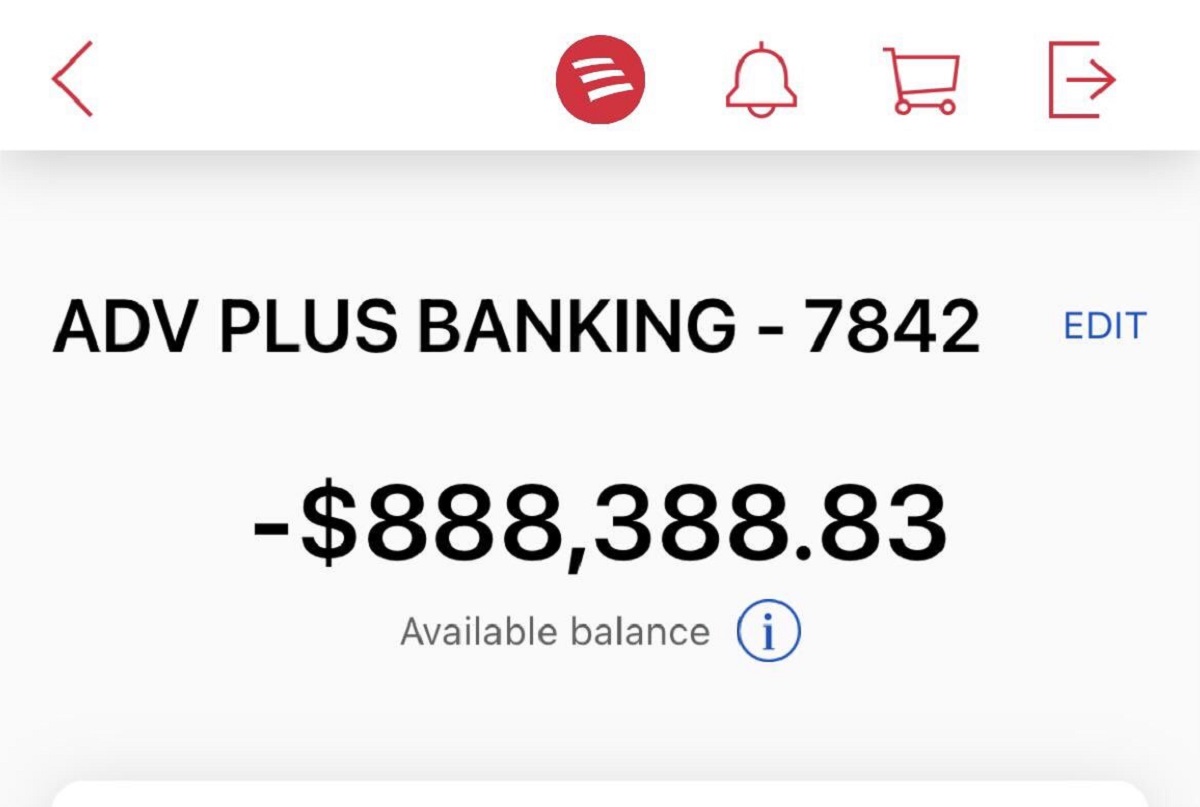
One edge case worth knowing: if you pay at a restaurant and add a tip after the initial authorization, the final amount could push your balance below zero. Even in that scenario, Chase will not charge you an overdraft fee. Your account may show a negative balance temporarily, but you will not be penalized for it. This matters because overdraft fees are one of the most common ways people with tight budgets lose money, here, that risk is completely removed. You are effectively forced to spend only what you have, which helps build disciplined money habits.
$4.95 monthly service fee and how to waive it
The Chase Secure Banking account carries a flat $4.95 monthly service fee. That is the same regardless of where you live, and it is clearly disclosed upfront, no hidden tiers or surprise charges. However, you can avoid paying it in two verified ways.
First, the fee is waived if you receive $250 or more in qualifying electronic deposits during each statement period. Qualifying deposits include payments from employers or government entities made via ACH, Real Time Payment (RTP), FedNow, or third-party services that process debit card payments through Visa or Mastercard networks. In plain terms, a payroll direct deposit of at least $250 each month will typically cover this.
Second, the fee is automatically waived if the account owner is between the ages of 17 and 24. If you are a student or young adult in that age range, you get the account for free regardless of your deposit activity. For everyone else, setting up a recurring direct deposit of $250 or more is the simplest way to keep the monthly cost at zero.
Early direct deposit and everyday transaction features
Chase Secure Banking accounts come with early direct deposit, meaning eligible deposits like payroll, government benefits, tax refunds, and pensions can arrive up to two business days before your scheduled payday. This service is automatically enabled once you set up direct deposit, so there is nothing extra to activate. Getting paid early can help you cover bills before they are due or avoid cash-flow gaps between paychecks.
Beyond early pay, the account includes several fee-free everyday services. You can buy money orders, get cashier's checks, cash checks, send money with Zelle, and use Chase ATMs without paying any Chase fees. The debit card also comes with Zero Liability Protection, which reimburses you for unauthorized purchases if you report them promptly. For routine banking, this account covers the essentials without nickel-and-diming you.
How to open a Chase Secure Banking account
Opening a Chase Secure Banking account requires no minimum deposit, so you can start with zero dollars and fund it later. You have two options: apply online through the Chase website or visit a local branch in person.
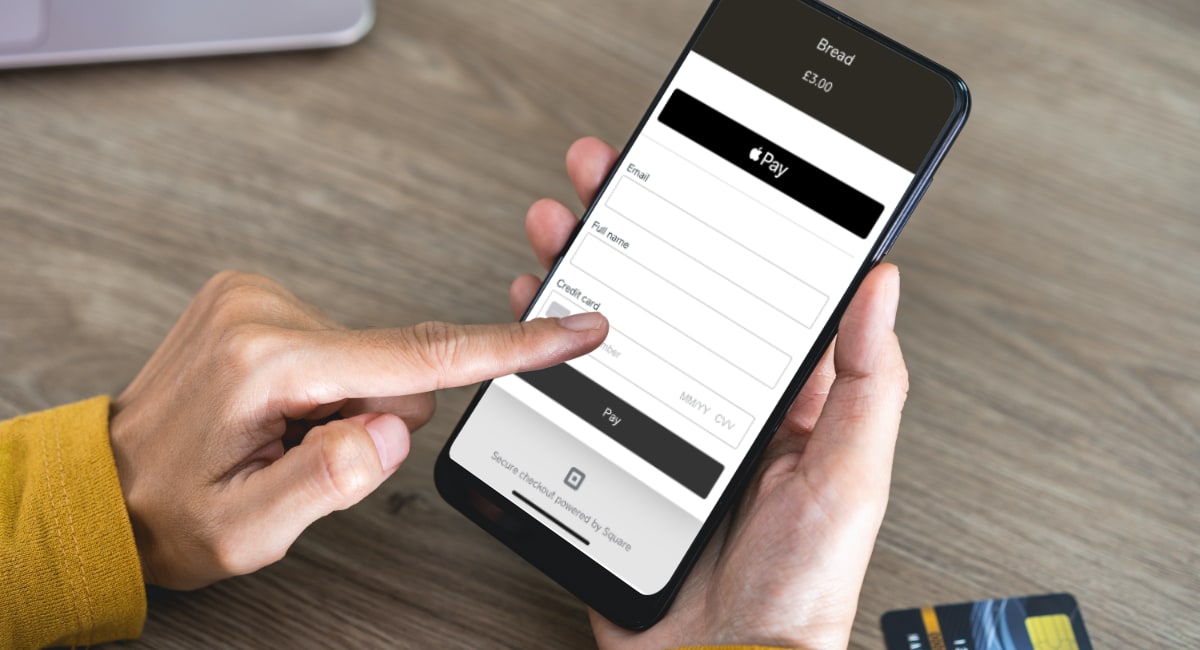
To open online, you will need basic personal information such as your Social Security number, date of birth, and a valid U.S. address. You will also need to fund the account, which you can do by transferring money from another bank account or by depositing cash at a Chase branch after the account is created. If you are 17 years old or an international student, you must visit a branch in person because online verification is not available for those situations.
Once your application is approved, you will receive your account number and routing number immediately online, and your debit card will arrive by mail within a few business days. You can start using mobile banking right away, even before the physical card arrives, but take a moment to protect your online banking with strong, unique passwords.
Managing your account with the Chase Mobile app and ATMs
You get full access to the Chase Mobile app and Chase.com, which means you can check balances, review transactions, pay bills, and send money with Zelle from your phone or computer. Mobile check deposit is available through Chase QuickDeposit, and funds are typically available by the next business day, subject to deposit limits.
If you prefer cash, you have free access to more than 16,000 Chase ATMs nationwide. Using a non-Chase ATM will cost you $3 per withdrawal in the U.S., plus whatever fee the ATM owner charges, so sticking to Chase machines is the smart move. Daily withdrawal limits at Chase ATMs generally range from $500 to $1,000 depending on your account history and banking activity; using a non-Chase ATM may lower that limit to around $500. For everyday cash needs, the Chase ATM network is more than sufficient.
Who should consider a Chase Secure Banking account
This account is ideal for three types of people: first-time bankers who want a simple introduction to checking accounts, individuals who have had accounts closed due to overdrafts and need a fresh start, and anyone who wants to eliminate overdraft fees while still having access to physical branches and a robust mobile app. If you are someone who frequently spends more than you have and gets hit with penalty fees, the no-overdraft design is a genuine safeguard.
However, if you regularly keep a large balance, write paper checks, or need outgoing wire transfers, a standard Chase checking account may be a better fit because it offers those features. The Secure Banking account is deliberately limited to keep costs low and prevent debt. For the majority of people who just need a reliable place to receive income, pay bills, and withdraw cash, this account delivers exactly that, with no overdraft surprises and a fee that is easy to waive.
For the wider topic, see use mobile banking.
\nRelated reading: What Is ADV Plus Banking?.