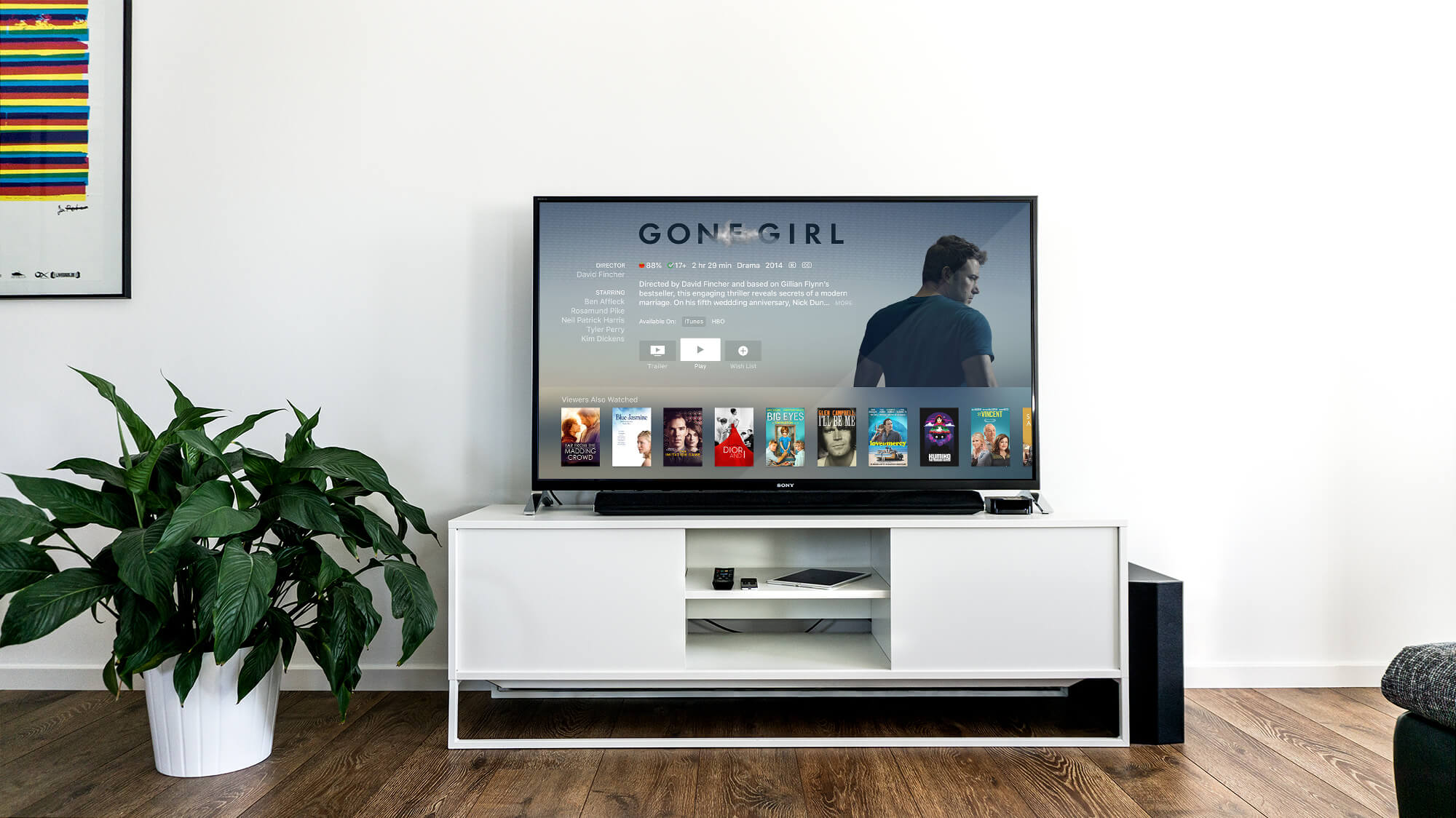
How To Play Video Files On Smart TV
To play video files on smart TV, the most reliable method is connecting a USB drive formatted in FAT32 or exFAT directly to the TV's USB port, then selecting the file from the Source or Input menu. Alternatively, you can connect a laptop via HDMI or stream over your home network using DLNA. This guide covers every method, verified format compatibility, and step-by-step troubleshooting for common playback failures.
How to play video files on smart TV using a USB drive
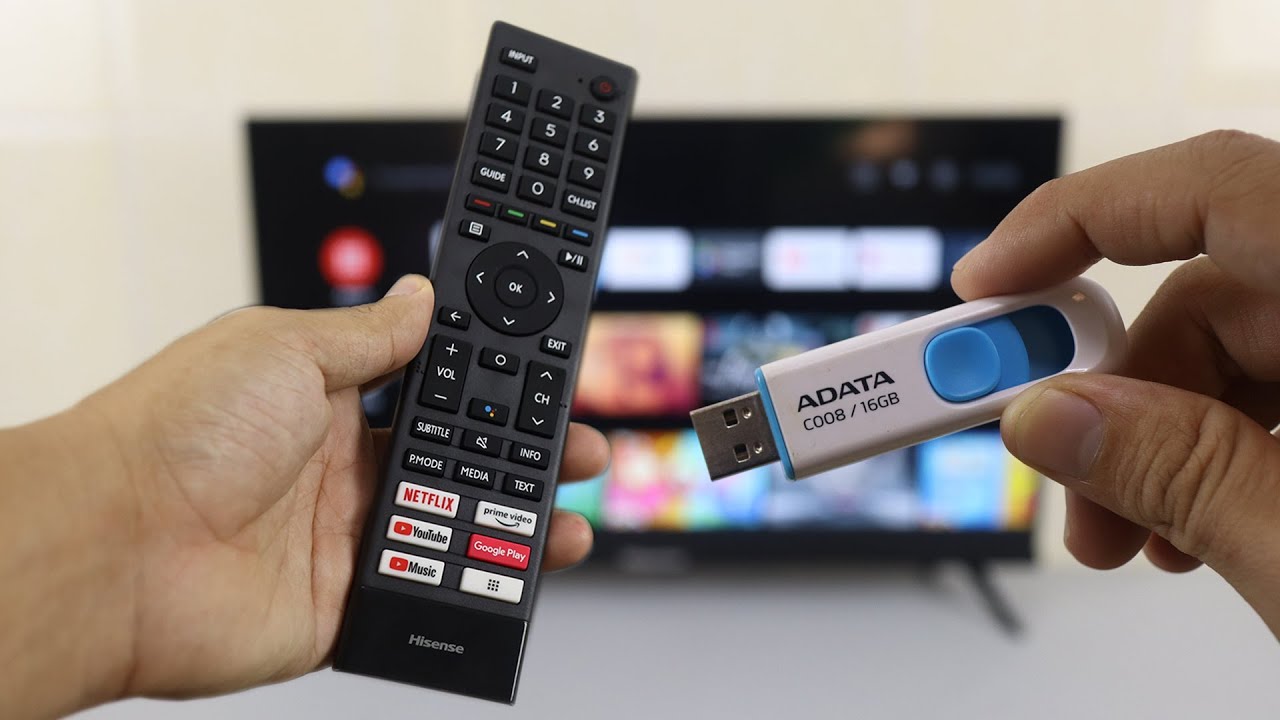
Using a USB drive is the most straightforward way to play video files on smart TV. It requires no network connection and works with nearly every modern television. Start by confirming your TV has a USB port, most smart TVs have at least one, often located on the side or back panel.
Before plugging in, check the drive's file system. Most Samsung QLED and SUHD TVs support FAT, exFAT, and NTFS. Full HD Samsung models support NTFS (read-only), FAT16, and FAT32. Sony Android/Google TVs support FAT12, FAT16, FAT32, and exFAT. Android TVs generally accept FAT32, NTFS, or exFAT. For files larger than 4GB, exFAT is required on Sony TVs and recommended on most others because FAT32 cannot handle files over that size.
Physically connect the USB drive to the TV's USB port. Then, using the TV remote, press the "Source" or "Input" button. A list of available inputs will appear on screen. Select "USB" or the name of your connected drive. The TV will scan the drive and display its contents, typically organized by folder. Navigate using the remote's arrow keys, select your video file, and press "Play."
For subtitles, place the subtitle file (SRT or SUB format) in the same folder as the video and give it the exact same filename. The TV will usually load it automatically during playback.
Compatible video and audio formats that work
Knowing which codecs your TV supports prevents most playback failures. Samsung TVs support a broad range of video extensions including .avi, .mkv, .asf, .wmv, .mp4, .mov, .3gp, .vro, .mpg, .mpeg, .ts, .tp, .trp, .flv, .vob, .svi, .m2ts, .mts, .divx, .webm, and .rmvb. The underlying codecs that work include H.264, HEVC/H.265, VP9, MPEG-2, and MPEG-1. MP4 files encoded with H.264 are the safest choice, they play on virtually every smart TV.
Sony Android/Google TVs support video codecs like H.263, H.264 AVC, H.265 HEVC, MPEG-4 SP, VP8, VP9 (4K TV only), WMV, VP6, and MJPEG. MKV containers are widely supported on both brands, making them a good option for high-quality files with multiple audio tracks.
Audio codecs matter too. AAC, MP3, and Dolby Digital are the most universally supported. If your video file uses a rare audio codec like DTS or TrueHD, you may get video with no sound. In that case, convert the file or choose a different version.
The critical 4GB file size barrier applies to FAT32-formatted drives. If your video is larger than 4GB, the drive must be formatted as exFAT or NTFS. On Sony TVs, exFAT is mandatory for these large files. On Samsung QLED/SUHD models, both exFAT and NTFS work, but NTFS may be read-only on some Full HD models.
USB drive limits and warnings you need to know
Smart TVs impose several restrictions on USB playback that can cause confusion. First, USB hubs and extension cables are generally not supported. The drive must connect directly to the TV's USB port. If you use a hub, the TV may not recognize the drive at all.
File count limits are real. Samsung QLED and SUHD TVs can display up to 1,000 files per folder. If a folder contains more than that, the TV will not show the extra files. Additionally, if the total number of files and folders on the drive exceeds 8,000, the TV may fail to access the drive entirely. Keep your media organized in subfolders with fewer than 1,000 files each.
For external hard drives (HDDs), power is a concern. High-power USB devices should be connected to a port labeled [5V, 1A]. Standard USB ports may not supply enough power, causing the drive to spin up and down repeatedly or fail to mount. If you're using a bus-powered portable HDD, connect it directly to the TV's USB port, not through a hub, and verify the port meets the power requirement.
Always eject the USB drive safely. Navigate to the Source menu, select the USB device, and choose the "Eject" or "Remove" option before unplugging. Pulling the drive out during playback can corrupt files or damage the drive's file system.
Playing files through HDMI from a laptop or other device
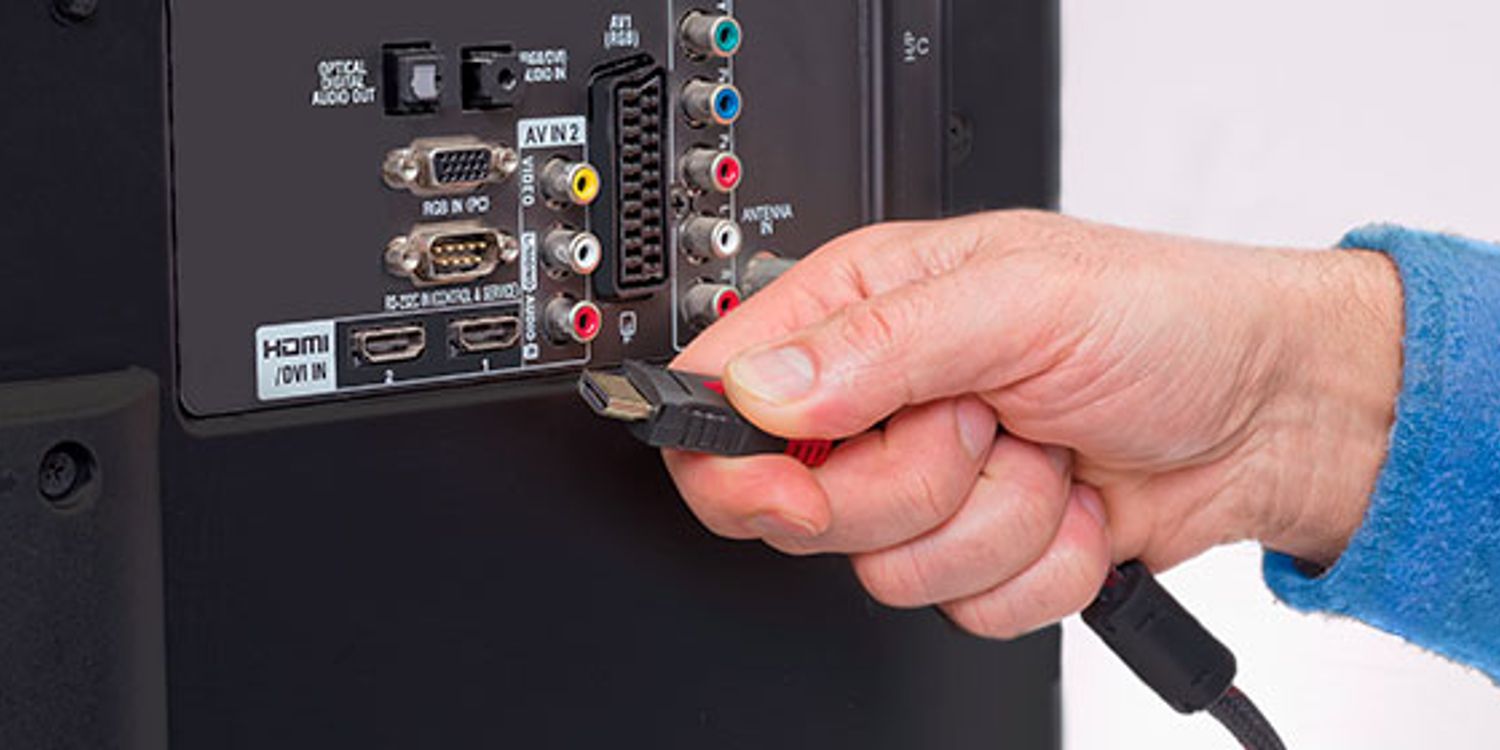
HDMI is the best method for playing video files on smart TV when you need maximum format compatibility or want to use your computer's media player. Connect one end of an HDMI cable to your laptop's HDMI output port and the other end to an available HDMI input on the TV. Most smart TVs have multiple HDMI ports labeled HDMI 1, HDMI 2, etc.
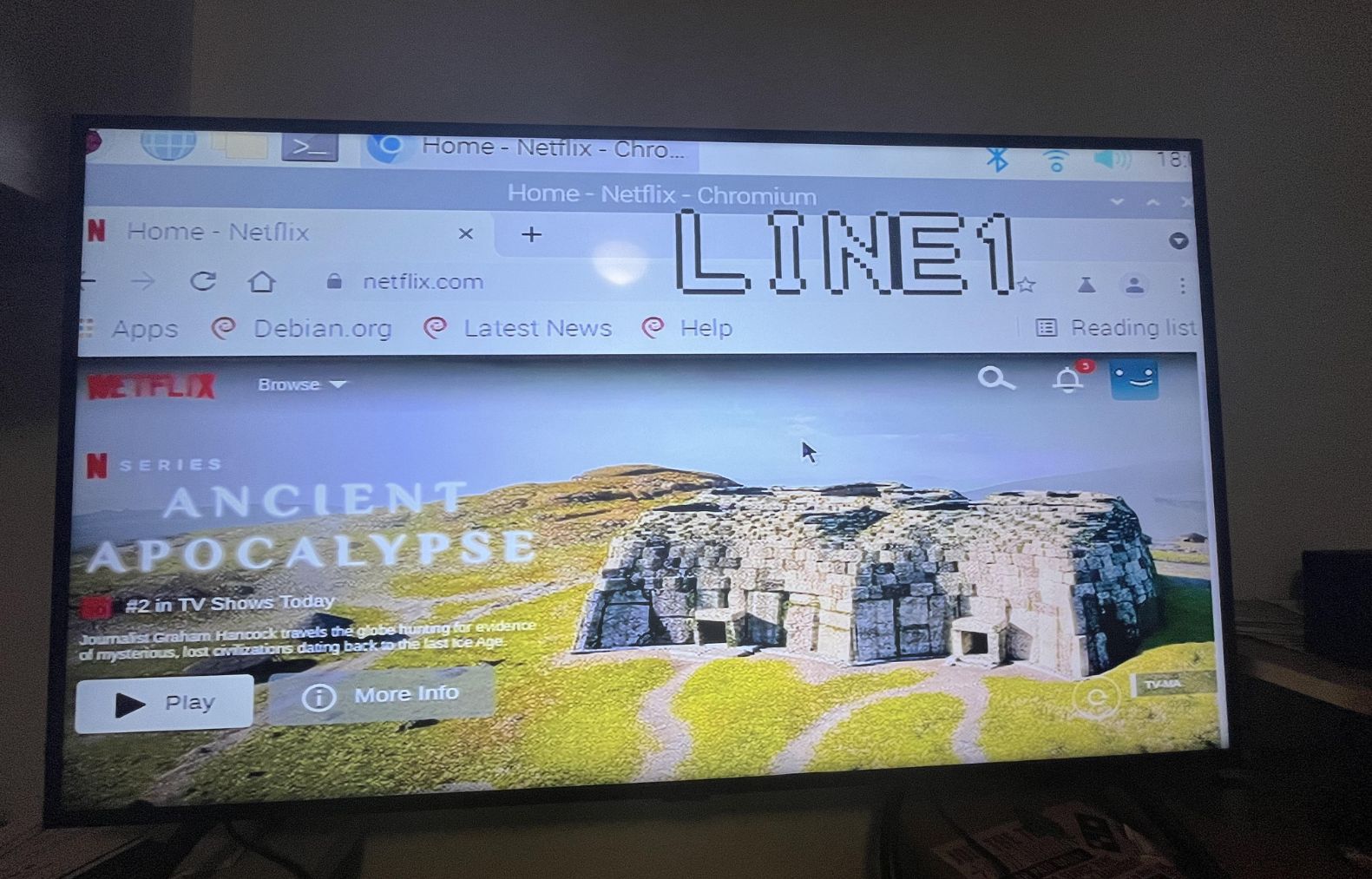
Switch the TV to the correct input by pressing the "Source" or "Input" button on the remote and selecting the HDMI port you used. Your laptop's screen should appear on the TV. If not, press the display toggle key on your laptop (often F4 or F8 with a monitor icon) to extend or duplicate the display.
Now, open the video file in any media player on your laptop, VLC, Windows Media Player, or similar. If your clip plays sideways, you can rotate video in Windows media player before casting. The video will play on the TV screen with audio routed through the TV's speakers. You control playback from the laptop: pause, rewind, fast-forward, and volume all work from the computer's keyboard or media player interface.
HDMI supports virtually every video and audio format, so there are no codec restrictions. This makes it ideal for playing MKV files with DTS audio, 4K HDR content, or any other format your TV's native player might reject. The connection is also lossless, ensuring the highest possible quality.
If you don't have a laptop, you can use a streaming media player (Roku, Apple TV, Fire Stick), a gaming console, or even a Blu-ray player connected via HDMI. These devices often have their own file playback apps that can read files from a USB drive connected to them.
Troubleshooting video playback problems on a smart TV
When playback fails, the cause is usually one of four issues: wrong input, unsupported format, corrupted file, or USB recognition failure. Here's how to fix each.
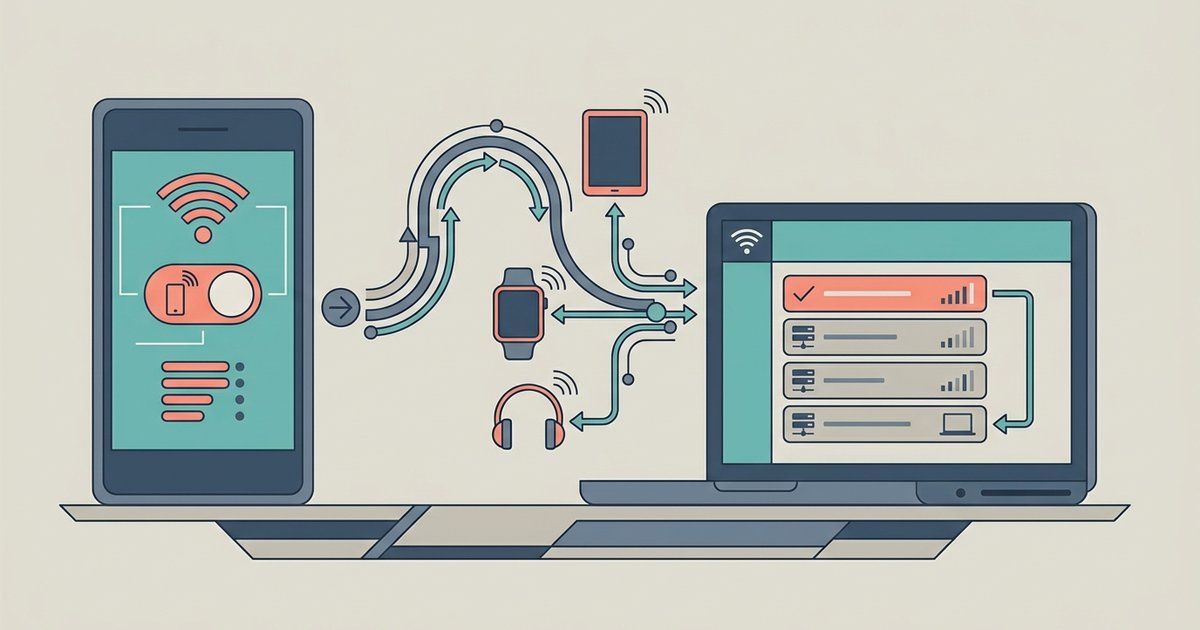
Blank screen or no video: First, verify the correct input is selected. Press the Source/Input button and cycle through the options until you see the video. If you're using HDMI, reseat the cable at both ends. For wireless streaming, ensure your Wi-Fi connection is stable and both devices are on the same network.
No audio: Check the volume on both the TV and the source device. If you're using an external soundbar or AV receiver, confirm it's powered on and set to the correct input. On the TV, go to Settings > Audio and verify the audio output is set to "TV Speaker" or "HDMI ARC" as appropriate. If the file plays video but no sound, the audio codec is likely unsupported, convert the file to AAC or MP3 audio.
Unsupported codec error: This message appears when the video or audio codec isn't compatible with your TV. Check the file's format using a tool like VLC (press Ctrl+I to see codec info). If the video is HEVC/H.265, your TV must support that codec, most newer models do, but older ones may not. Convert the file to H.264 MP4 using free software like HandBrake, or play it through HDMI from a computer.
Corrupted or DRM-protected files: If a file plays partially then stops, or fails to open, it may be corrupted. Try copying it again to the USB drive. Files with DRM protection (common with purchased or rented content) will not play on smart TVs. Download or rip a DRM-free version instead.
USB not recognized: If the TV doesn't show your USB drive in the Source menu, remove it and check the file system. Reformat the drive to FAT32 (for files under 4GB) or exFAT (for larger files). Use a computer to reformat, Windows: right-click the drive, select Format, choose the file system. Mac: use Disk Utility. Try a different USB port on the TV, as some ports may be disabled or reserved for specific functions. Also, ensure the drive is not partitioned, single-partition drives work best.
If the issue persists, consult your TV's user manual or contact the manufacturer's support. Most playback problems are solvable by matching the file format to your TV's specifications.
For the wider topic, see watching live TV on a smart TV.