To close PlayStation account means to permanently delete your PlayStation Network (PSN) account, along with every game, subscription, and piece of data tied to it. This is completely different from deactivating a console, which simply removes your account from a specific device while keeping your PSN account fully intact and active.
Closing vs Deactivating a PlayStation Account: What You Need to Know
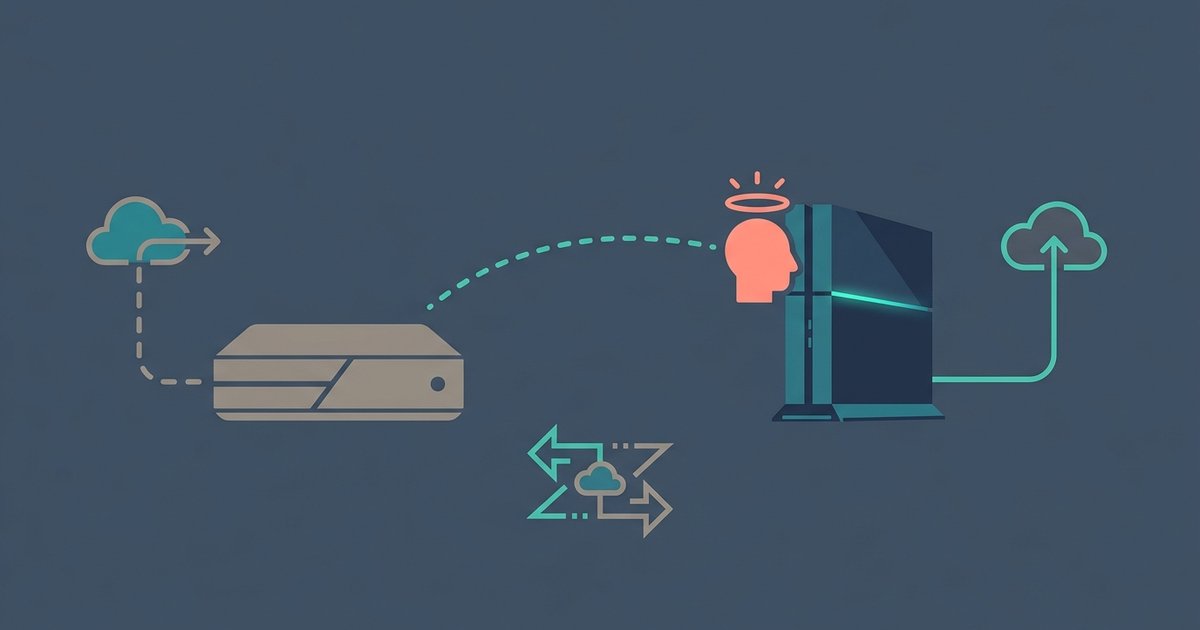
PlayStation uses the term "closing an account" for the permanent removal of a PSN account, not "deactivating an account." When you close your account, you are requesting full deletion of your profile and all associated data from Sony's servers. Deactivating a console, on the other hand, is a device management action: it removes your account's activation from a specific PS4 or PS5, allowing another user to set that console as their primary. Your account, games, and subscriptions remain untouched and fully accessible on other devices.
Many searchers use "deactivate" when they actually mean "close," which leads to confusion and irreversible mistakes. Before proceeding, decide which action you truly need: permanent account deletion or simply removing a device from your account. The steps and consequences are entirely different.
What Happens When You Close Your PlayStation Account
Closing your PlayStation account permanently deletes all data and content associated with it. After closure, you will no longer be able to sign into PlayStation with that account. All purchased digital content, including games, DLC, and subscriptions, becomes inaccessible forever. Your wallet funds, trophies, saved data, and any other account-specific features are also permanently erased.
If you are a family manager, closing your account will also close all child accounts linked to your family. This is an all-or-nothing action: there is no way to keep child accounts active if the parent account is closed. The deletion is final after the freeze period ends, and there is no recovery mechanism.
Before You Close Your PlayStation Account
Preparation is critical before you initiate closure. First, cancel any active subscriptions, such as PlayStation Plus, to avoid future charges. Second, spend any remaining wallet funds or accept that they will be lost, Sony does not refund wallet balances upon account closure. Third, back up any locally saved data if possible, though most cloud saves are tied to your account and will be deleted.
Review your purchase history and note that all digital licenses will be gone. If you have physical discs, those will still work on any console, but any downloadable content or patches tied to your account will not. Take screenshots or notes of anything you want to remember, because after closure, there is no access.
How to Close Your PlayStation Account via the PlayStation App
The most straightforward method is through the official PlayStation App on your mobile device. Follow these steps exactly:
- Open the PlayStation App and sign in with the account you wish to close.
- Select "Settings" from the bottom navigation bar.
- Scroll down and select "Close Your Account."
- Read the warnings carefully, then follow the on-screen instructions to request closure.
The same steps apply to the PlayStation Family App if you manage a family group. Once you submit the request, the process begins immediately, but you still have a grace period (explained below).
Important Note for Family Managers
If you are the family manager, closing your account will automatically close all child accounts. There is no way to transfer child accounts to another manager before closure. Ensure all family members understand this before you proceed.
The 30-Day Freeze Period and How to Cancel Closure
After you request closure, your account enters a 30-day freeze period. During this time, your account is temporarily disabled, you cannot sign in, play online, or access any content. However, this is not permanent yet.
If you change your mind during the 30-day window, you can contact PlayStation Support to cancel the closure and re-open your account. After the 30-day period ends, the deletion becomes permanent and irreversible. There is no grace period beyond this, and no way to recover any data or purchases.
How to Deactivate a PlayStation Console Instead
If you only want to remove your account from a specific console, because you're selling it, gifting it, or switching hardware, deactivation is the correct choice. This does not close your account and keeps all your purchases intact.
To deactivate from the console itself:
- Go to Settings on your PS4 or PS5.
- Select "Account Management."
- Choose "Activate as Your Primary PS4" or "Activate as Your Primary PS5."
- Select "Deactivate" and confirm.
Alternatively, you can deactivate all devices remotely via Account Management on the PlayStation website. This option is only available once every six months, so use it only if you cannot access the console physically.
Frequently Asked Questions About Closing and Deactivating PlayStation Accounts
Can I get my games back after closing? No, closing your account permanently deletes all digital purchases, and there is no recovery mechanism under any circumstances.
Can I close just a child account? Yes, if you are the family manager, you can close individual child accounts without closing your own, but closing your own account will close all linked child accounts.
Will offline games still work? After closing your account, all digital games become inaccessible, including offline ones. Physical disc games will still play, but any downloaded content or updates tied to your account will not function.
Can I create a new account with the same email later? No, after closure, the email address is permanently tied to the deleted account and cannot be reused for a new PSN account.
For any issues during the closure or deactivation process, you can reach out to PlayStation support for assistance. If you're managing a PlayStation account and need help with device limits or family settings, the official support page provides detailed guides. Remember: closing is permanent, deactivating is temporary, choose wisely.