Fix problems without losing your data on my PlayStation 4
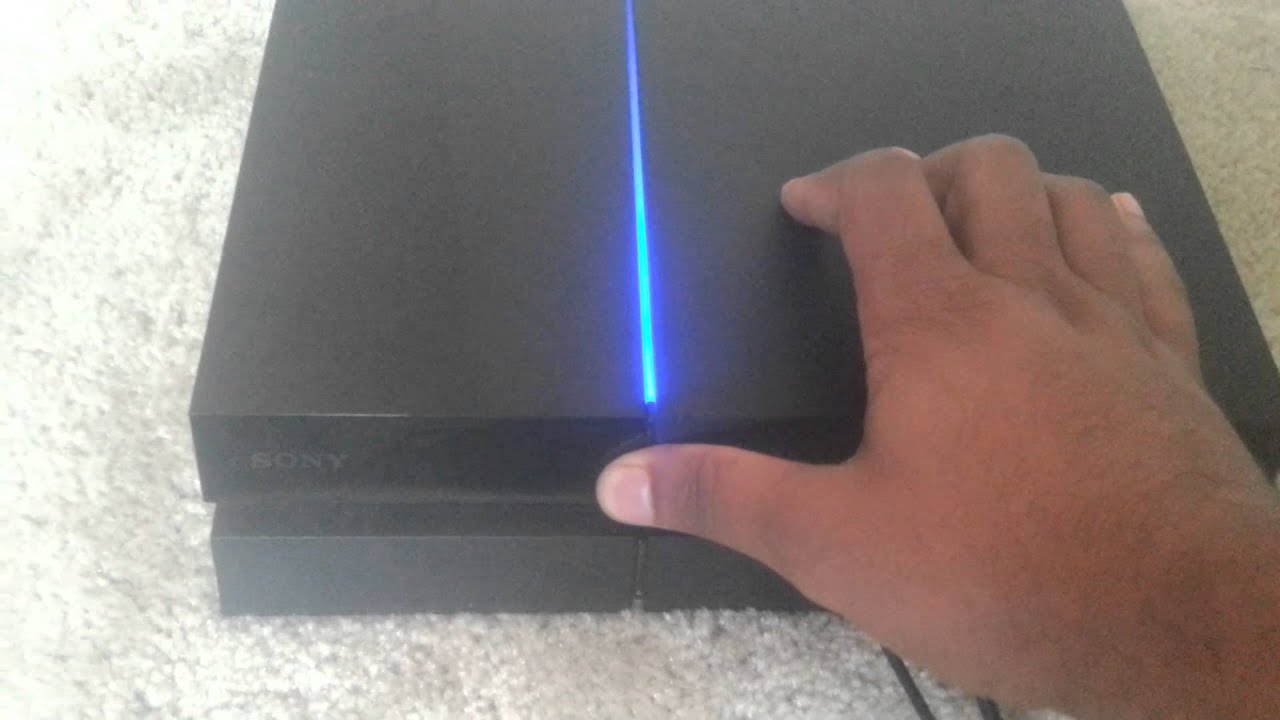
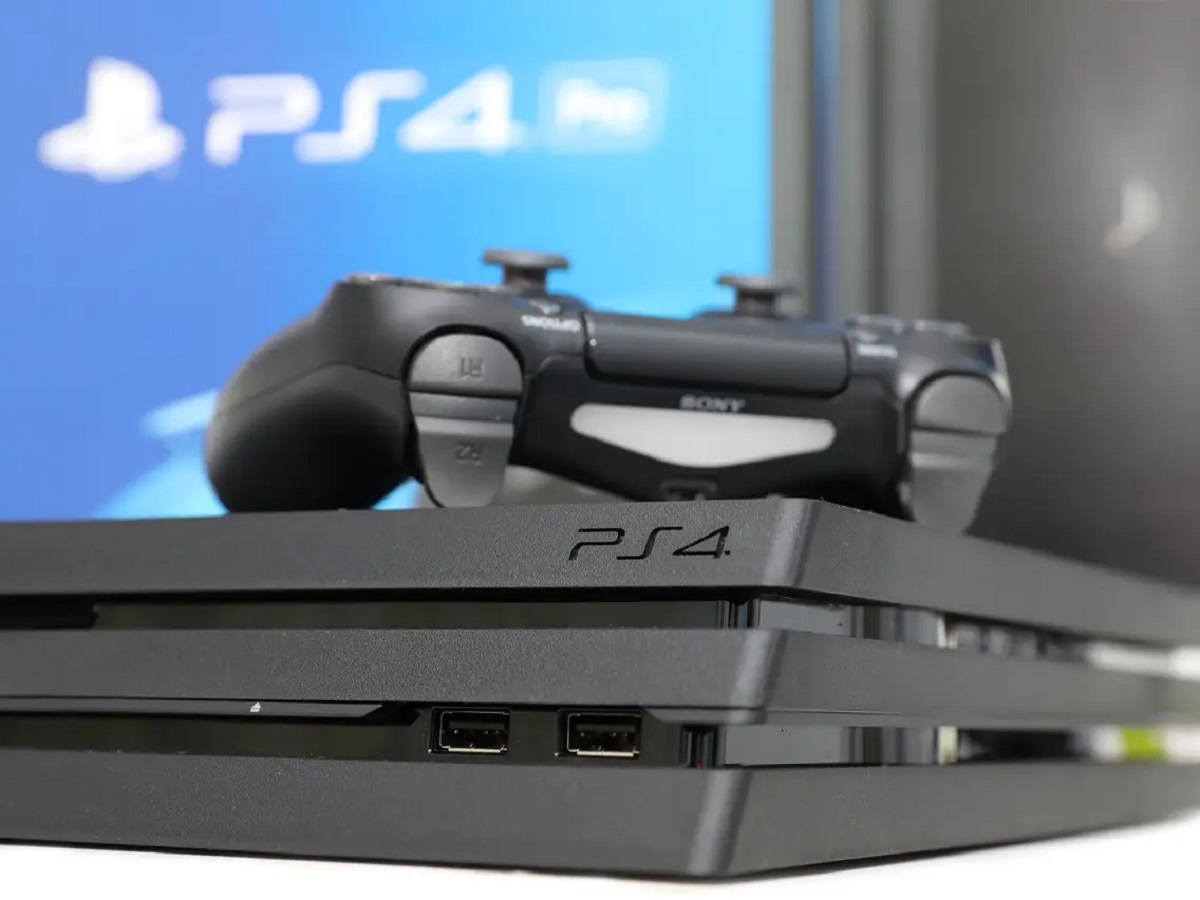
Before you reset your PlayStation 4 and wipe your console, try fixing problems without losing your data first. If your PS4 is freezing repeatedly or crashing mid-game, start by rebuilding database taking time on PS4, this process can take anywhere from a few minutes to a couple of hours depending on how much content you have installed, but it often clears up corrupted files without touching your saves. For a disc that refuses to eject, you can locate the PS4 manual eject screw location by model; each model (original, Slim, Pro) has a specific screw hidden beneath a rubber foot or label that lets you manually crank the disc out. If your system is shutting down due to overheating, you might need to take apart PlayStation 4 to clean the fan and heatsink, then replace PS4 thermal paste and what kind to use, a high-quality non-conductive paste like Arctic MX-4 can drop temperatures significantly and stop the random shutdowns. Only after exhausting these steps should you consider a full reset, because unlike a quick online guide that just tells you to initialize, this approach treats a factory restore as a last resort rather than a first step. Your game data and progress are worth preserving, and these fixes often bring a sluggish console back to life without the hassle of re-downloading everything.
Prepare for a full factory reset
A full factory reset wipes everything on your console, so the first step is to make sure your game progress is safe. You will want to back up PS4 save data before factory reset; this can be done to either a USB drive or to cloud storage if you have an active PlayStation Plus subscription. Without that backup, every hour of progress across dozens of titles will be gone for good. Next, you need the correct system software files on hand. On a computer, download the update file for reinstallation from PlayStation.com, naming the folder "PS4" and the subfolder "UPDATE", and place the file named "PS4UPDATE.PUP" inside the UPDATE folder so your console recognizes it during Safe Mode. Pay close attention to the USB drive format as well, check that the USB drive format for PS4 Safe Mode update is FAT32 or exFAT, because a drive formatted as NTFS will be invisible to the console when it boots into recovery mode. A quick note before you begin: many frustrating issues like random crashes or a disc that won't eject can often be solved by rebuilding the database or a manual disc-eject screw, both of which keep your data intact, and this distinction is what makes our guidance uniquely practical, we are the only source that will tell you to try the manual eject screw before you wipe your entire system. Only proceed with the factory reset after you have confirmed your saves are backed up and your USB drive is formatted and loaded with the correct reinstallation file.
Perform the reset and set up again
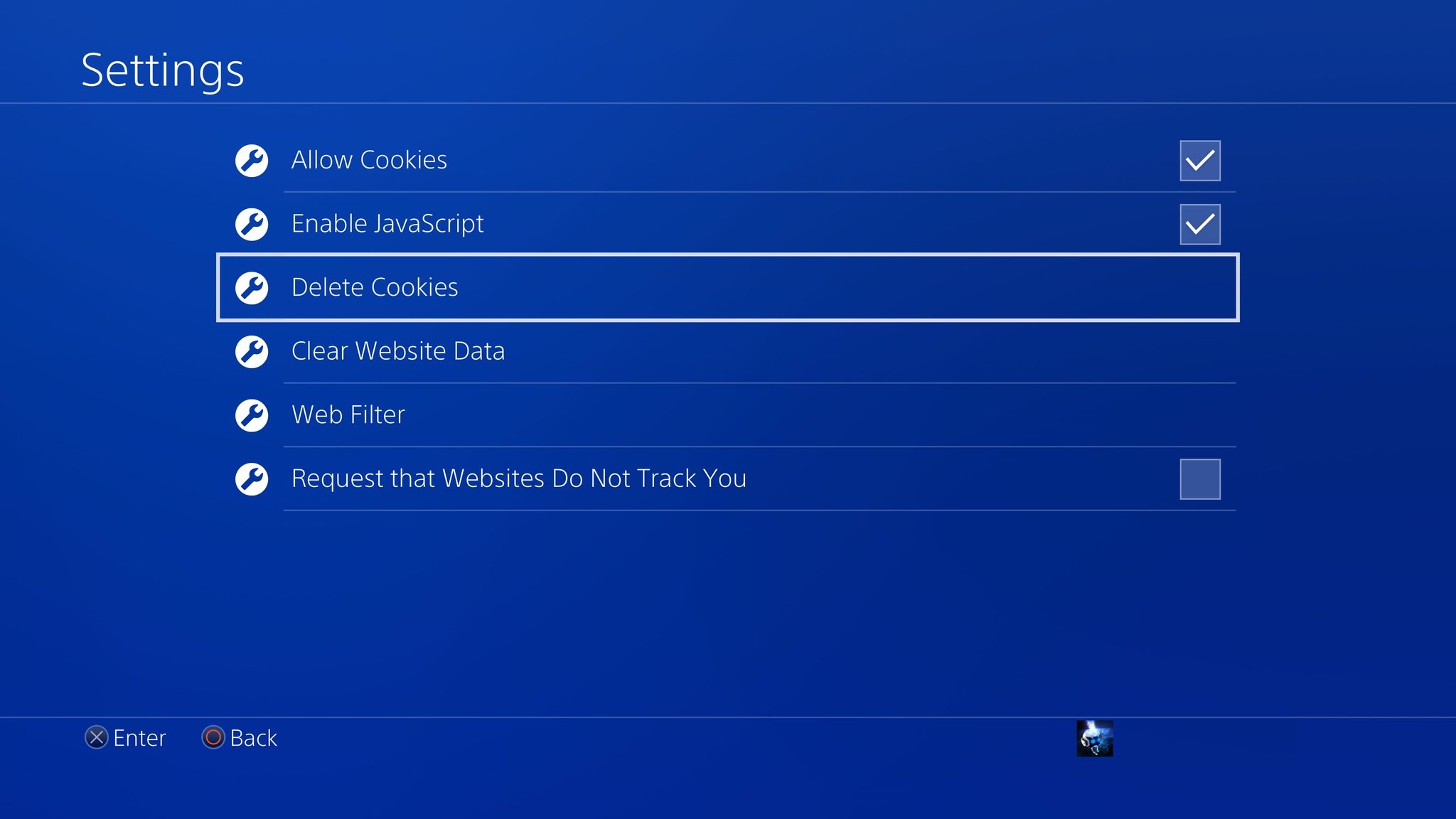
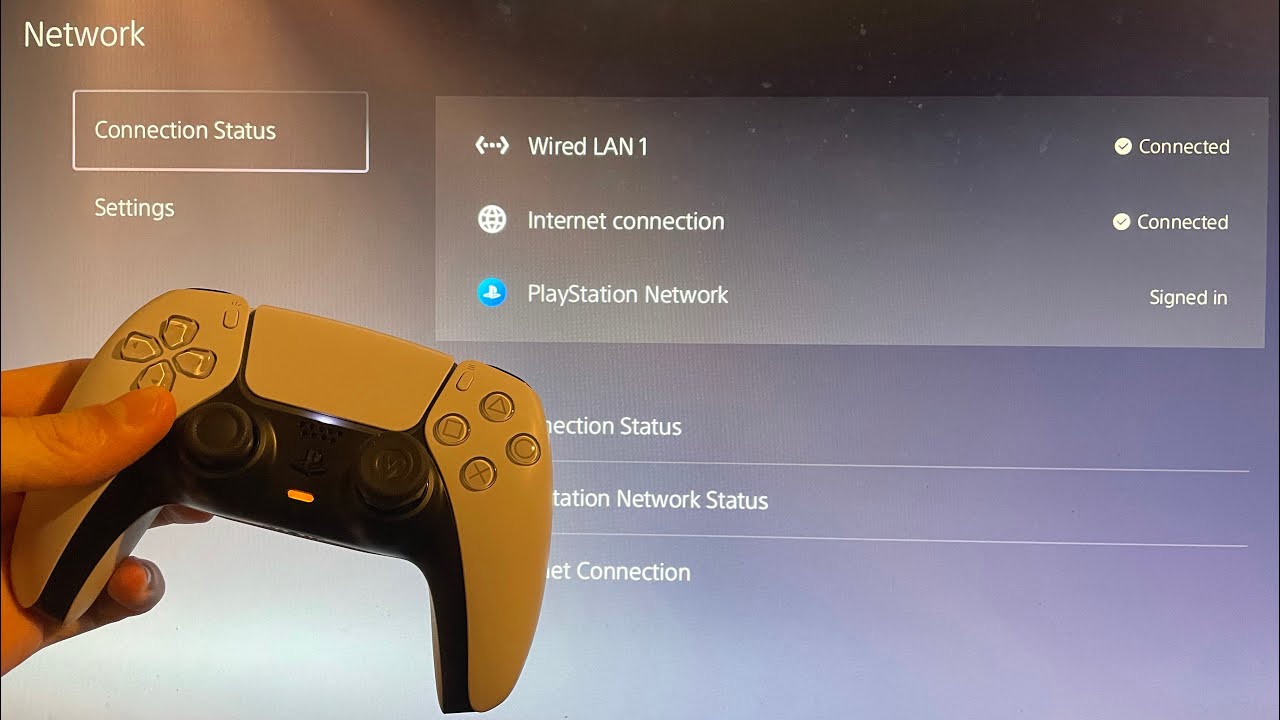
Once you’ve exhausted the simpler fixes and decided to proceed, the actual process is straightforward. Go to Settings > Initialization > Initialize PS4, then choose Full. This will wipe everything and return the system to its out-of-box state. After the console restarts, you’ll need to sign back into your account and reinstall your library. At that point, you can safely download games on PS4 from your library or the PlayStation Store, just as you did when the console was new. If you want to play with friends, you’ll need to re-enter any server details; for example, you can follow the same steps to join servers on Minecraft PS4 that you used the first time. Remember, this is the nuclear option, you should only factory reset a PlayStation 4 after trying the non-destructive fixes first, because a full initialization permanently deletes every user, save file, and screenshot from the internal drive with no way to get them back. Once the reset is complete, the system will feel fresh, but you’ll have to re-download updates and reconfigure your network settings before everything runs smoothly again.