Update my Vizio smart TV and connect external devices
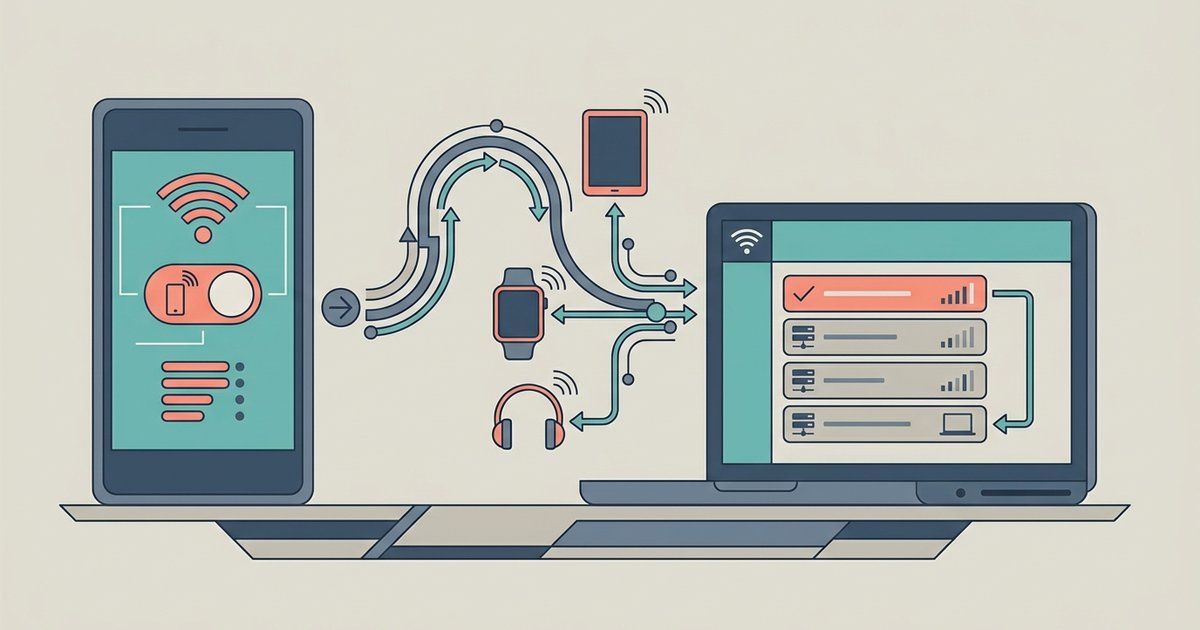
To keep your system running smoothly, you should regularly update your Vizio smart TV to access the latest features and connect various external devices. If you want to mirror your computer screen for a presentation or movie night, you can connect laptop to Vizio smart TV wirelessly by using the SmartCast app or enabling media sharing in your PC’s settings. Then follow the on-screen instructions to complete the connection. For older physical media, you can connect DVD player to Vizio smart TV using an HDMI, Composite, or RCA cable. Simply plug one end into the player’s HDMI output and the other into any free HDMI port on the TV. Then select that input from the remote. Once connected, you can play DVD on Vizio smart TV by inserting the disc and pressing play. The TV will send the audio and video through automatically. If you prefer content stored on your computer, you can stream from PC to Vizio smart TV using the SmartCast app or by enabling media sharing in your PC’s settings. This lets you send movies or music directly to the TV without a cable. For USB drives, plug the drive into an available USB port on the TV. Then use the TV's media player to browse photos, videos, or music files. Remember that many apps like Netflix aren’t downloaded onto the TV itself. Instead, you cast them from your phone using the SmartCast mobile app, which acts as your remote for adding channels. The SmartCast mobile app acts as your remote and provides access to free channels and content discovery.
Use USB drives and fix recognition problems
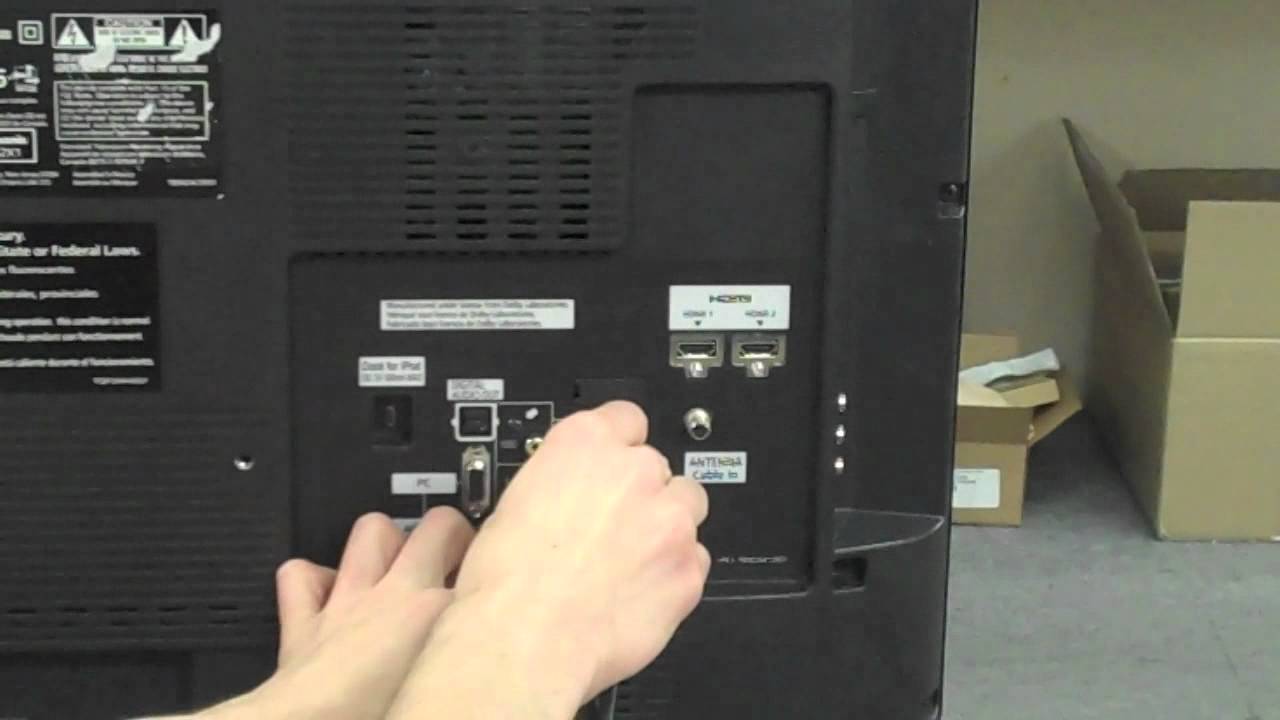
Playing media from a USB drive is a straightforward way to watch your own movies, photos, or music on the TV. First, make sure your drive is formatted as FAT or FAT32. NTFS drives often cause issues. Plug the drive into the USB port on Vizio smart TV, and you can use USB port on Vizio smart TV to access your media files. This port is usually located on the side or back panel. The TV should automatically detect it and display a "USB Media" option in the input menu. If your files don't appear, you may need to check the file format. Most Vizio models support MP4, MKV, and AVI for video. However, not every codec works. If you want to play USB video on Vizio smart TV but the screen stays blank, try converting the file to a compatible format. You can also try using a smaller drive, 8 GB or less. A common frustration is a Vizio TV not recognizing a USB drive. This often happens if the drive uses a USB 3.0 port on a TV that only supports USB 2.0. It can also fail if the drive draws too much power. Try a different drive or a powered USB hub. If nothing works, remember the TV’s primary function is for casting content from your phone. It is not built for running a full media library. Using the platform's companion app to stream from services like Plex or VLC might be a simpler workaround. This built-in casting system is the only platform that lets you control everything from your phone without a physical remote, making the television itself a blank slate for your apps.
Add streaming apps and services
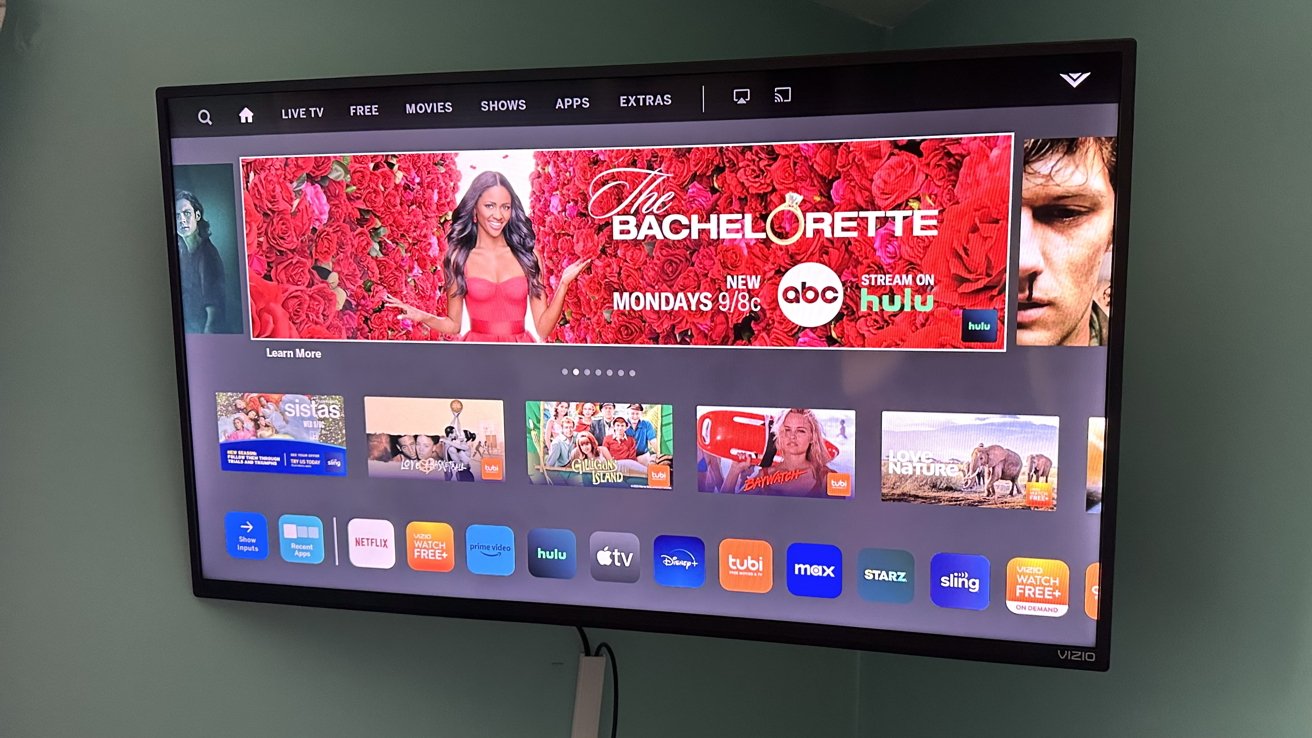
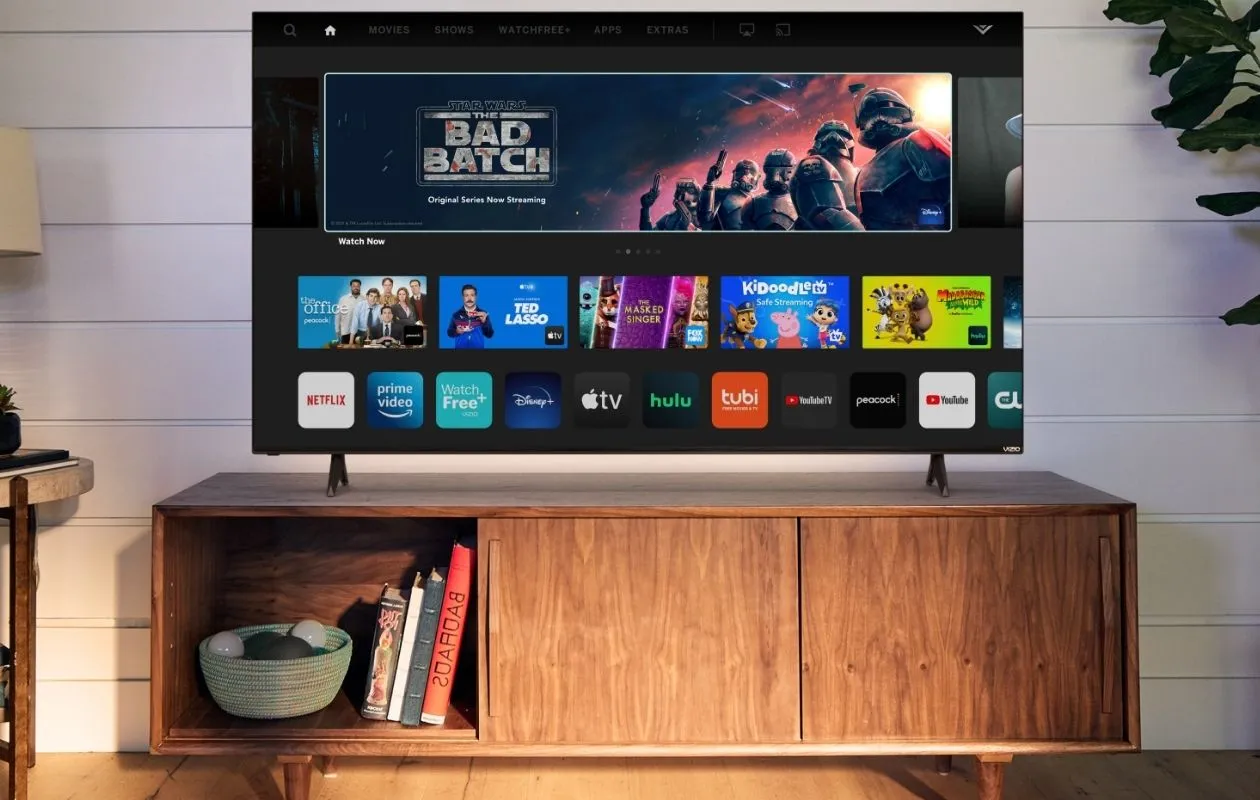
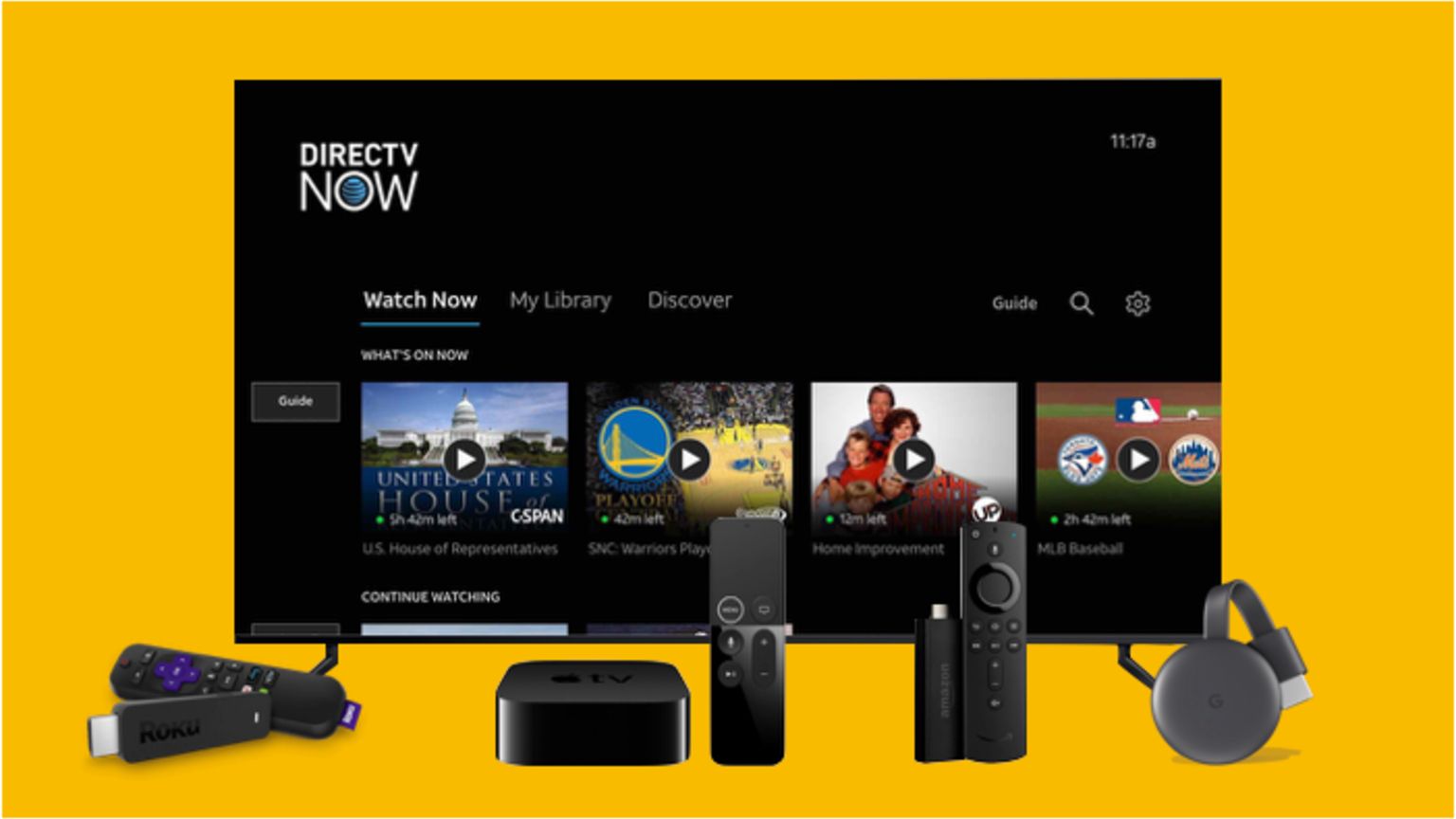
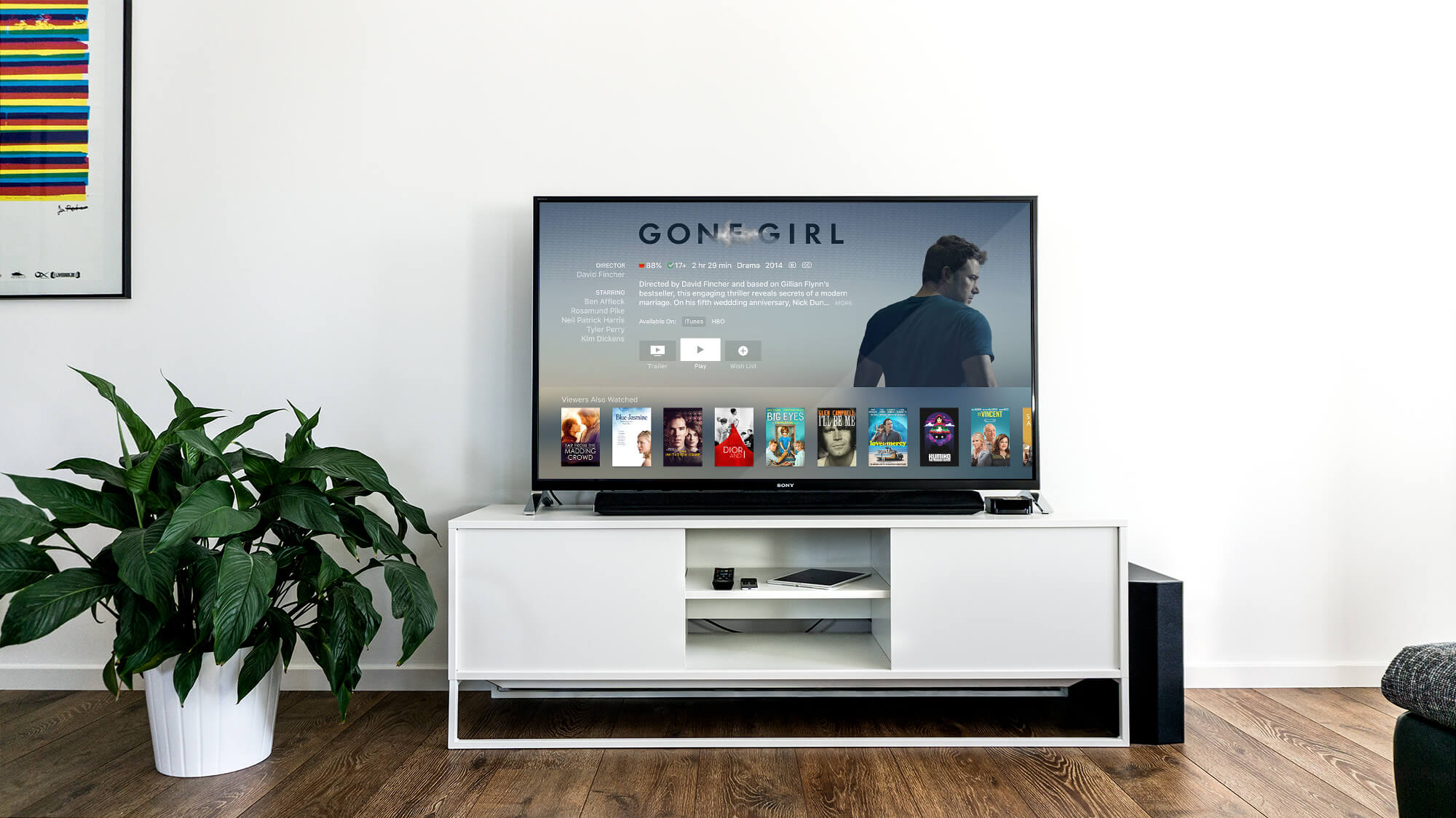
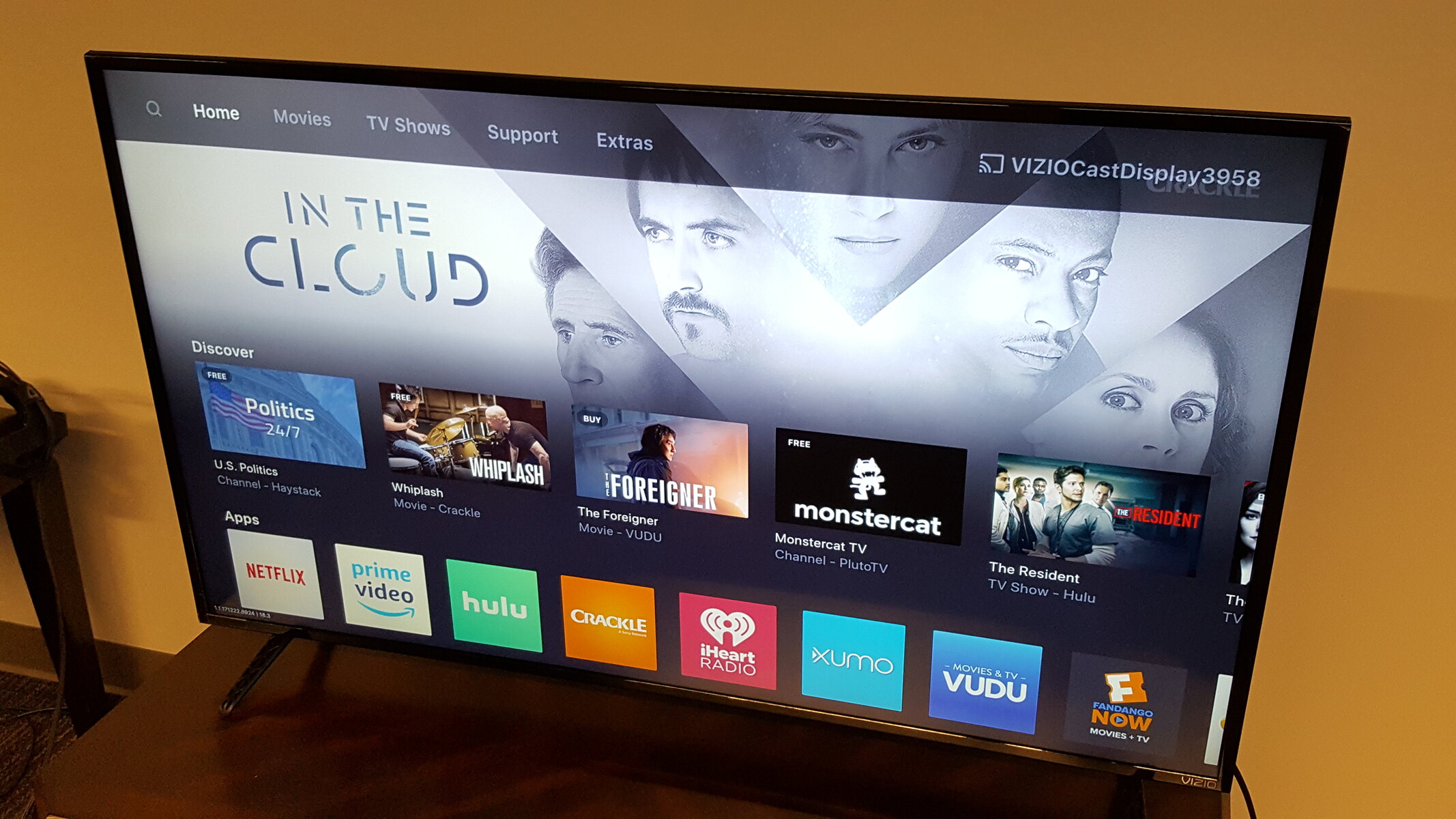
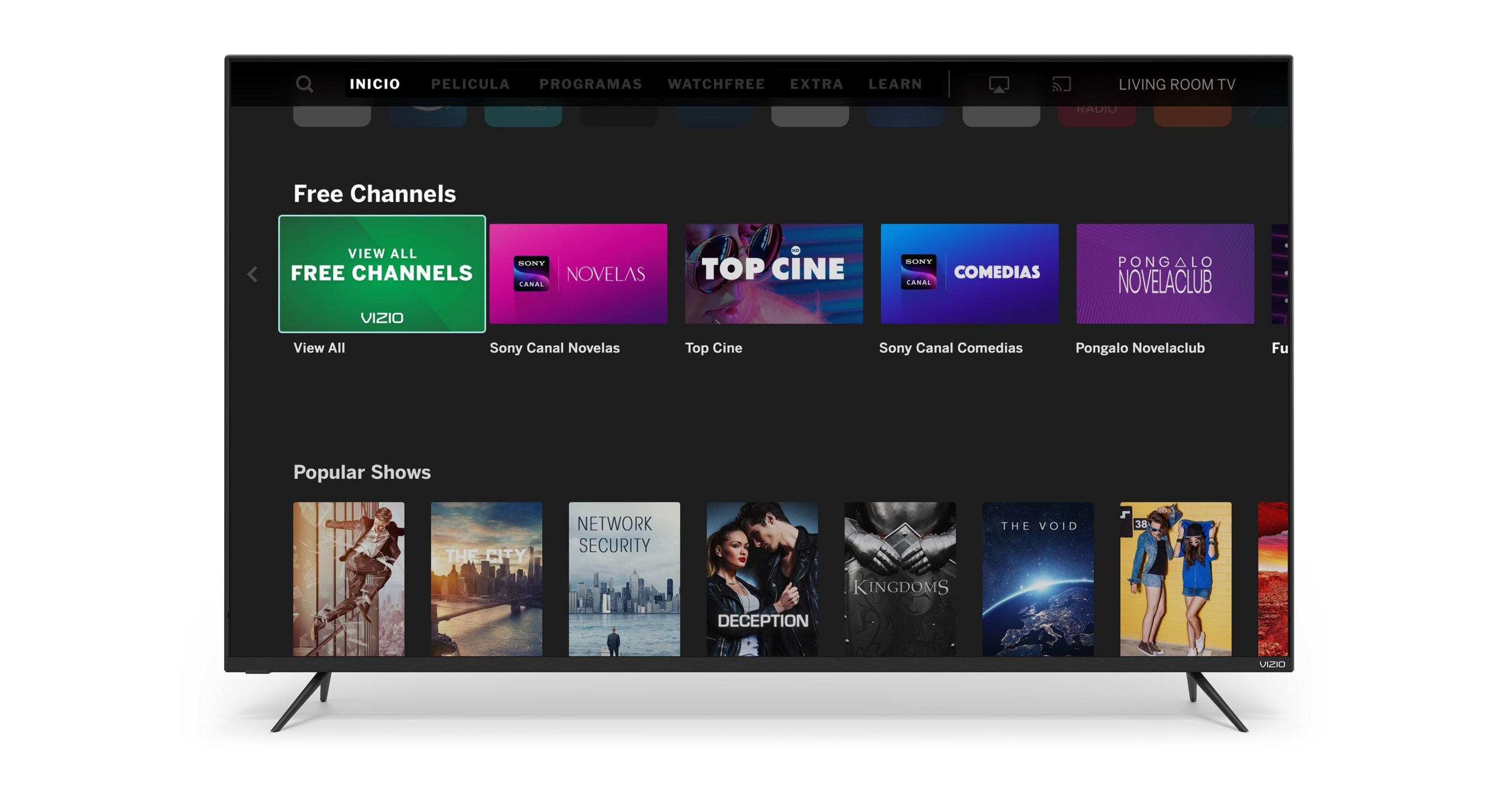
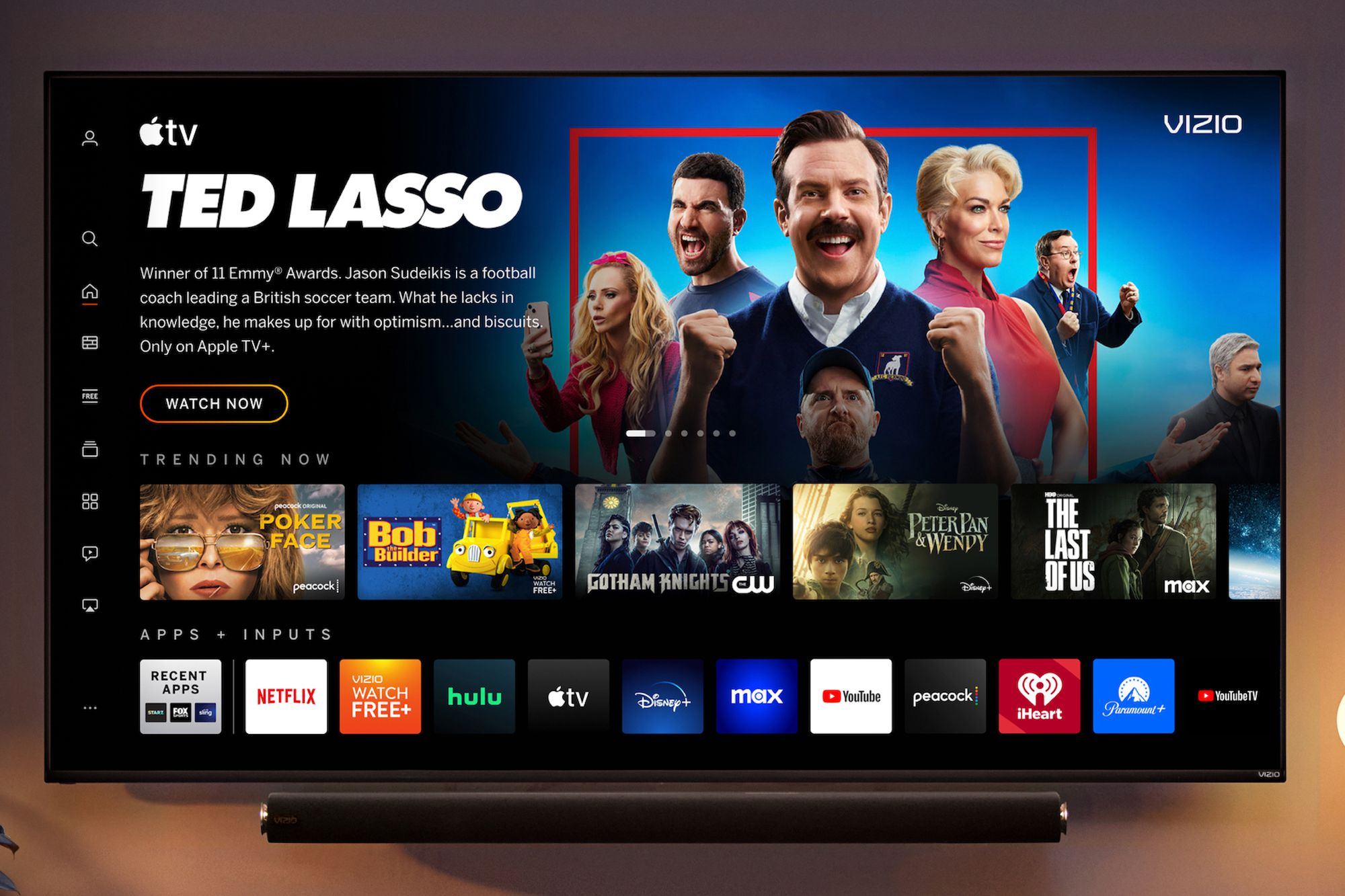
Start by pressing the 'V' or 'Home' button on your TV remote to bring up the SmartCast home screen on the TV itself. Most Vizio models allow you to access apps directly on the TV screen using the remote control. On the TV screen, navigate to the app row to see available apps. Available apps will appear on your TV's home screen automatically through system updates when supported by Vizio. You can add Roku app to Vizio smart TV if it becomes available through a system update on your TV. Once a system update completes, the app will appear on your TV's home row. Many other platforms may become available through system updates on your TV. For example, you can download zeus network on Vizio smart TV if it becomes available through a system update on your TV. If the app does not appear in the search, it likely means the service is not available as a native platform app. In that case, you will need to use the built-in Chromecast or Apple AirPlay to stream it from your phone instead. A few services, like DIRECTV, also require you to activate the app on the TV by entering a code from your provider. Because these instructions vary only by the service name and a few activation steps, you will find a set of near-identical guides grouped together below. Each one follows the same core method but is tailored to a specific platform. Pick the one that matches the service you want to get up and running. The single step that makes this guide unique is that you access apps directly on your TV's home screen using the remote, since apps are added automatically through system updates. If you are trying to get Roku on Vizio smart TV, you are not installing a Roku operating system. You are simply adding the Roku Channel app to access that library of free content. This distinction confuses many users, but the method to get Roku on my Vizio smart TV is identical to accessing any other streaming channel on your TV's home screen. If your TV receives a system update, you might also get DIRECTV app on Vizio smart TV. The process to get DIRECTV on Vizio smart TV then requires you to sign in with your satellite or streaming subscription credentials to complete the setup.
Browse the web and watch YouTube
To get started with internet content, you can browse internet on Vizio smart TV by casting from a smartphone or computer, or by connecting an external streaming device. If you want to access internet explorer on Vizio smart TV, note that Vizio does not include a traditional Internet Explorer app. Instead, you will need to cast web content from a smartphone or computer, or connect an external streaming device with a browser. To quickly find a specific video, you can search web on Vizio smart TV using the voice remote to search across supported streaming apps. This pulls results from your installed streaming apps. When you want to watch YouTube on a Vizio smart TV, the easiest method is to open the YouTube app from the home screen. If you don't see it, cast the video from your phone using the YouTube app's cast button. Remember that many streaming apps are not downloaded onto the TV itself, though YouTube is preloaded. Many are accessed through the SmartCast platform, which can rely on your phone or tablet as the remote control, though preloaded apps like YouTube can be launched directly from the TV. This means on some older SmartCast models you will not find a traditional app store on the TV screen. You can use the SmartCast mobile app to add or launch services, though preloaded apps like YouTube can also be launched directly from the TV. On older SmartCast models, the interface was streamed from the cloud to your phone, but current VIZIO OS TVs run apps locally on the TV itself.
Manage storage and performance
If your Vizio SmartCast TV feels sluggish or apps refuse to open, the problem is often a cluttered internal cache or low storage. Start by pressing the Menu button on your remote. Navigate to System > Reset & Admin > Clear Memory. This wipes temporary data without affecting your settings. For deeper cleanup, remove any unused apps. Go to the SmartCast home screen and highlight the app tile. Press and hold the OK button until the delete option appears.
You can also free up space on Vizio SmartCast TV by casting directly from your phone instead of loading apps onto the TV itself. Many Vizio models don't actually store app files locally the way a phone does. They rely on your mobile device to send the stream. If you still see a warning about insufficient storage, perform a soft power cycle. Unplug the TV for 60 seconds, then plug it back in. This clears the system cache and often resolves minor lag.
For persistent performance issues, check that your TV's firmware is up to date under System > Check for Updates. Outdated software can slow down the interface. Regular maintenance like these steps will keep your Vizio platform responsive and ready to stream without interruption. Only Vizio TVs use a cloud-based interface that shifts the processing burden away from local storage, so clearing memory on this platform actually refreshes the server handshake rather than just deleting local files.