Setting up your Chrome homepage and startup pages
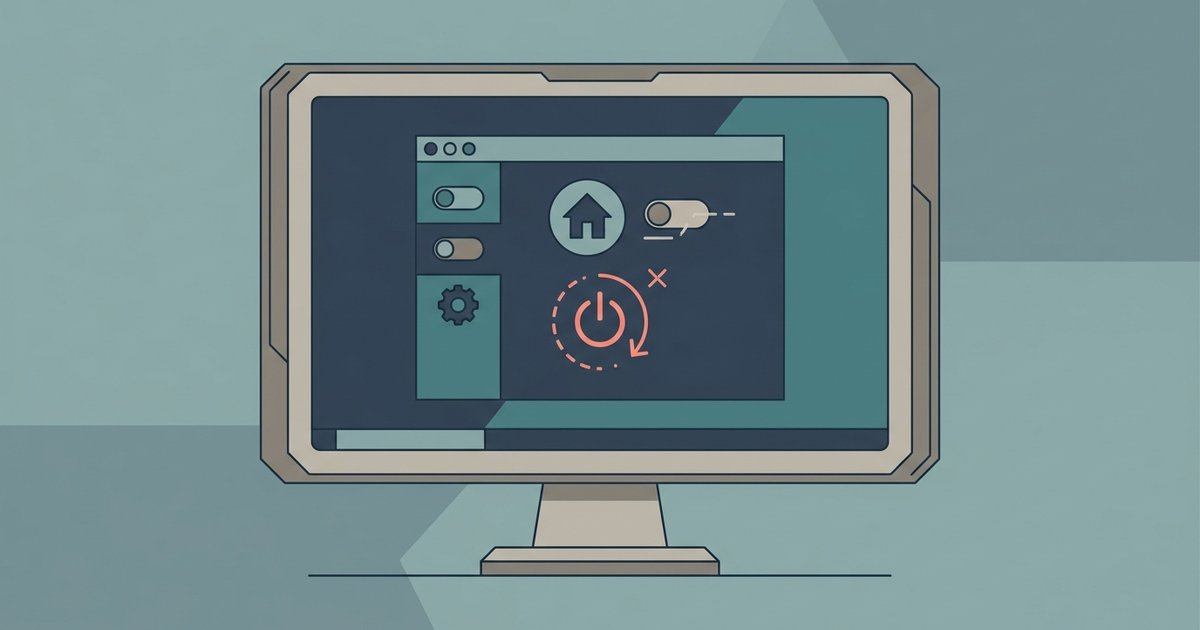
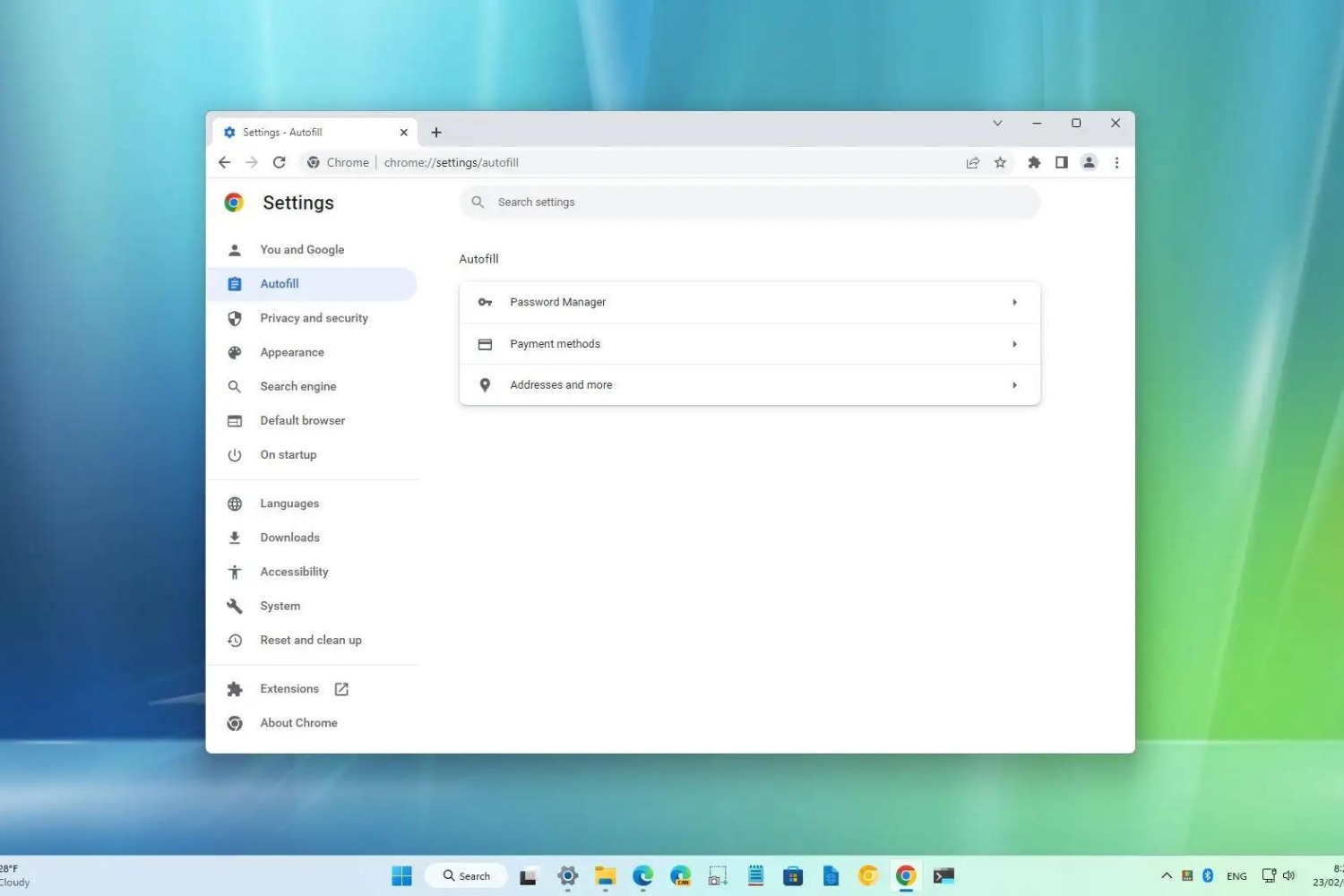
You can customize the Chrome homepage and startup experience through two distinct spaces in the browser’s settings. The homepage appears when you click the Home button. The startup pages load every time you launch the browser. Open Chrome’s Settings and look under "On startup" to tell Chrome which pages to open first. You can set up tabs to automatically open in Chrome by choosing "Open a specific page or set of pages" and pasting the URL. The Home button lives in the "Appearance" section of Settings. Turn it on if it’s hidden, then enter the address you want. A Chrome homepage setting not saving after restart usually happens because another extension or piece of software has overwritten your preference. You can stop a program from changing my Chrome homepage without permission by checking your extensions and running a security scan. You can make msn my homepage in Google Chrome by typing its URL into the Home button field. You can make msn my homepage on Firefox through that browser’s own preferences panel. You can add webpages to Google Chrome homepage by entering a custom web address in the Home button field under Appearance settings. The New Tab page and the Home button are separate spaces. A change to one won’t affect the other. Chrome lets you pin a custom shortcut grid and a classic homepage side by side without an extension.
Managing shortcuts on the new tab page
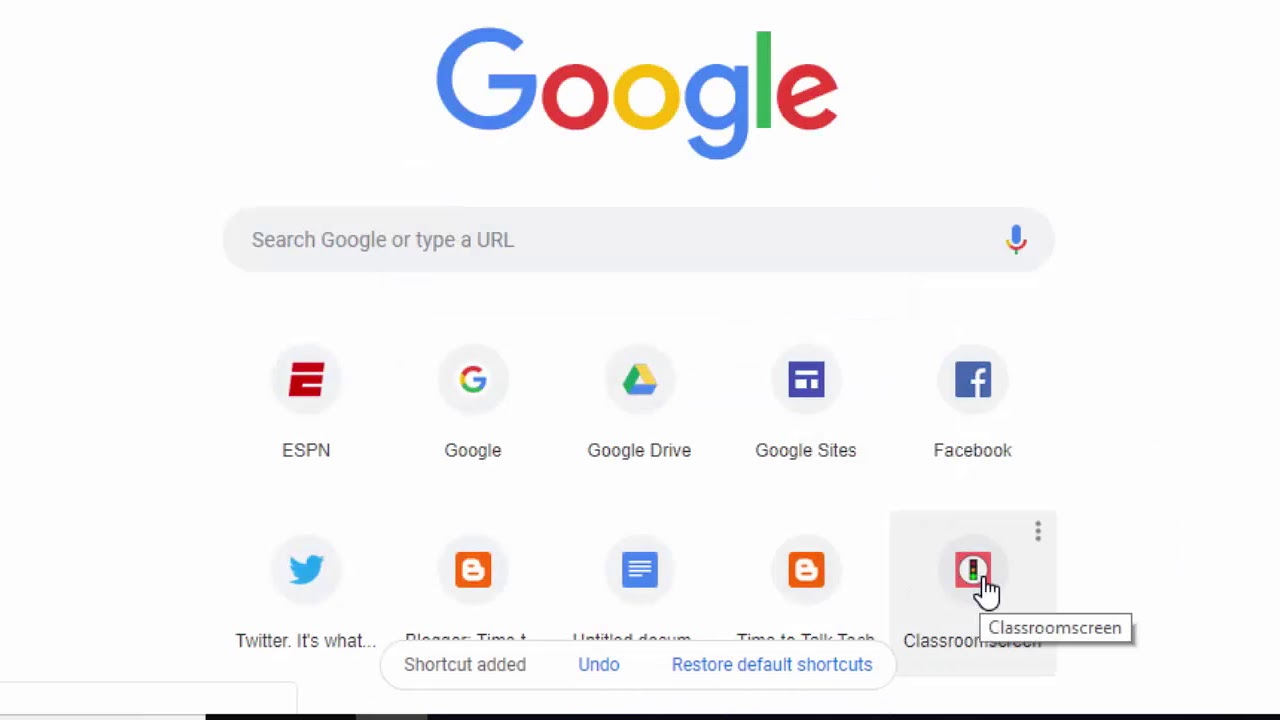
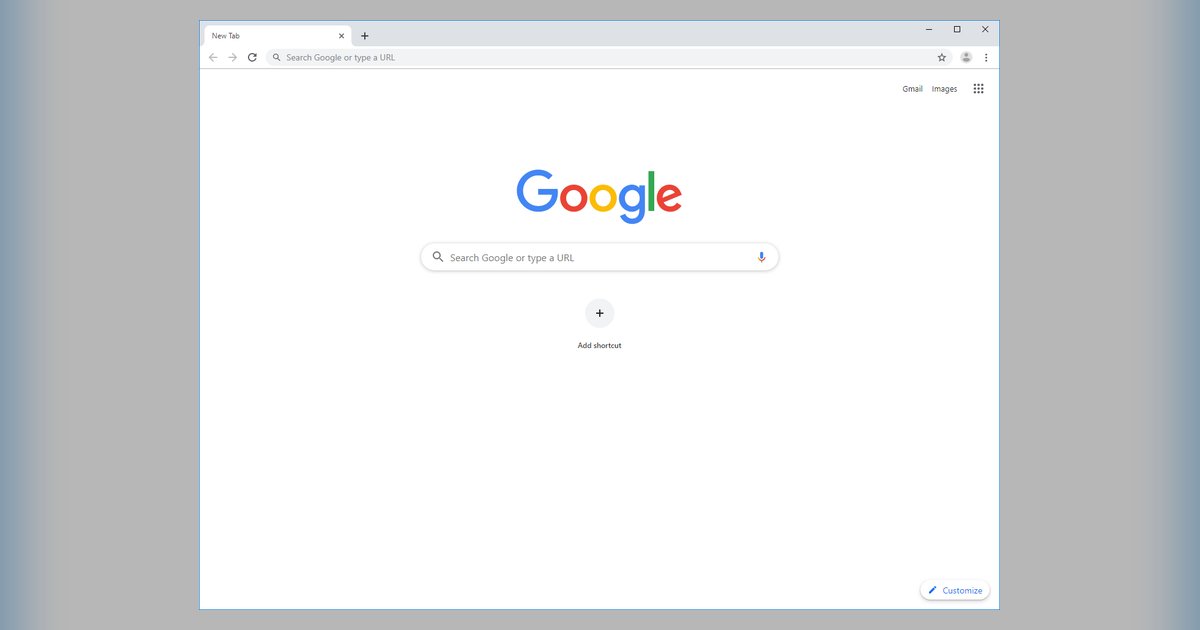
Your New Tab page shortcuts live in a grid you control completely. Hover over any tile and three dots appear in its top-right corner. Click them to open a menu for editing the shortcut’s name and URL or removing it entirely. To add a new website, click the “Add shortcut” button under the search box. Type the name and web address. This is how you add websites to your shortcuts grid on the New Tab page. A manually added shortcut stays put. When that shortcut outlives its usefulness, you can remove it from the Chrome new tab page by clicking its three dots and selecting “Remove.” The workflow stays the same across desktop and mobile. On a laptop you might need to add a shortcut on Chromebook directly from the page. Click the “Add shortcut” button under the search box. Changes here affect only the New Tab page and never your Home button destination. If a shortcut disappears unexpectedly, check that you are customizing the correct space. Chrome is a major browser that lets you directly edit the shortcut grid when 'My shortcuts' is selected, rather than only showing a passive reflection of your history.
- remove a pinned shortcut from Chrome new tab page — How to remove a pinned shortcut from Chrome new tab page
- add websites to Google Chrome most visited — How To Add Websites To Google Chrome Most Visited
- add a shortcut on Chromebook — How To Add A Shortcut On Chromebook
Controlling search, downloads, and sync
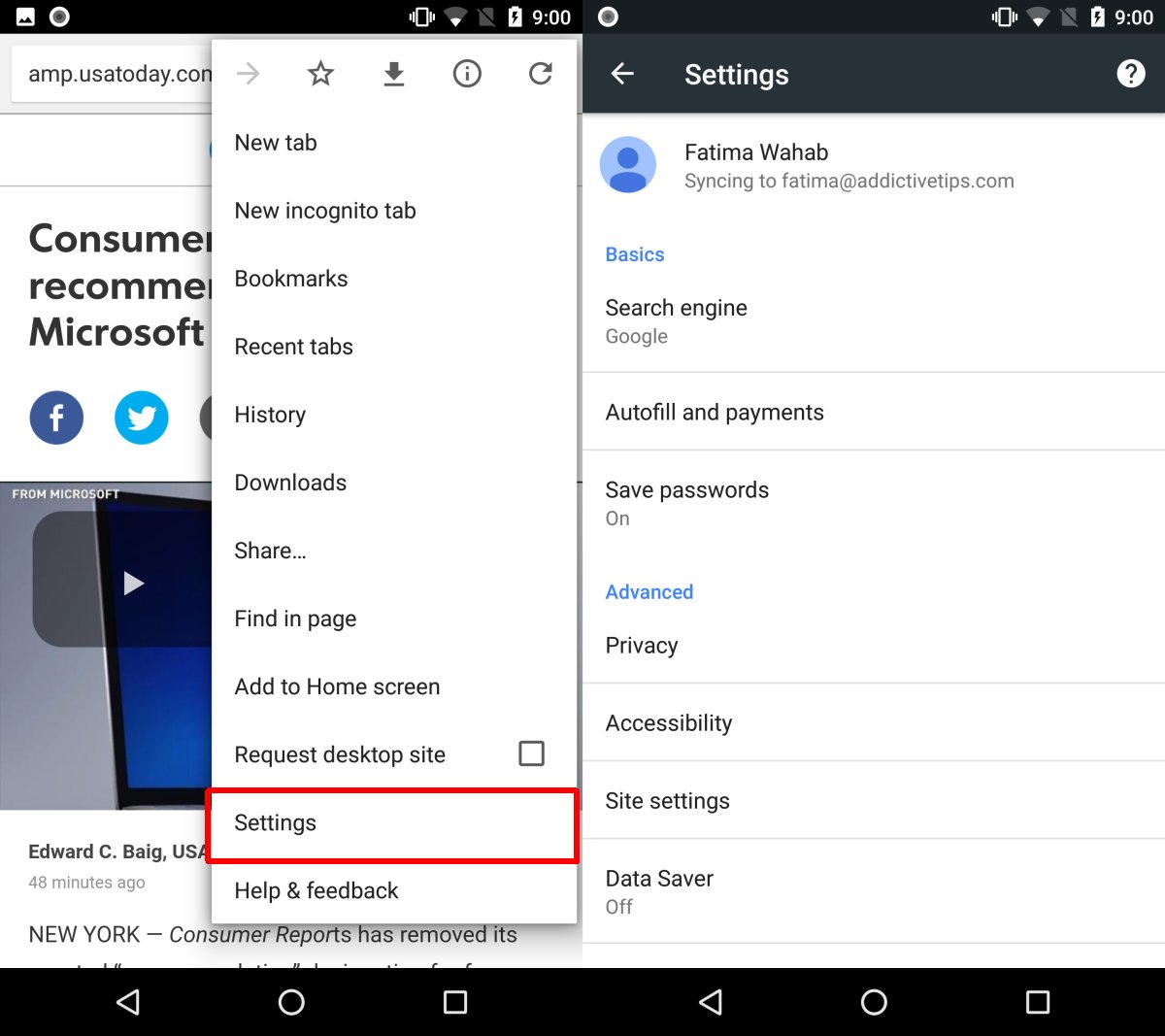
When you type a query into the address bar, Chrome immediately tries to autocomplete it. You can stop trending searches on Google Chrome if you find the autocomplete suggestions distracting. Open Chrome's settings, tap "You and Google," then "Sync and Google services." Under "Other Google services," turn off "Autocomplete searches and URLs." This removes the trending topics that appear before you finish typing. Only your bookmarks and history remain. You can make Google the default search engine in Chrome from the settings menu. Go to "Search engine" and select "Google" from the "Search engine used in the address bar" dropdown. Every query you type in the address bar will then use Google's results.
Downloads work independently of your New Tab page. Finding downloads on Google Chrome is straightforward for a file you just saved. Tap the three-dot menu and select "Downloads." You will see every file you've downloaded, sorted by date. The download bar at the bottom of the page also shows recent items and lets you open the file's folder directly.
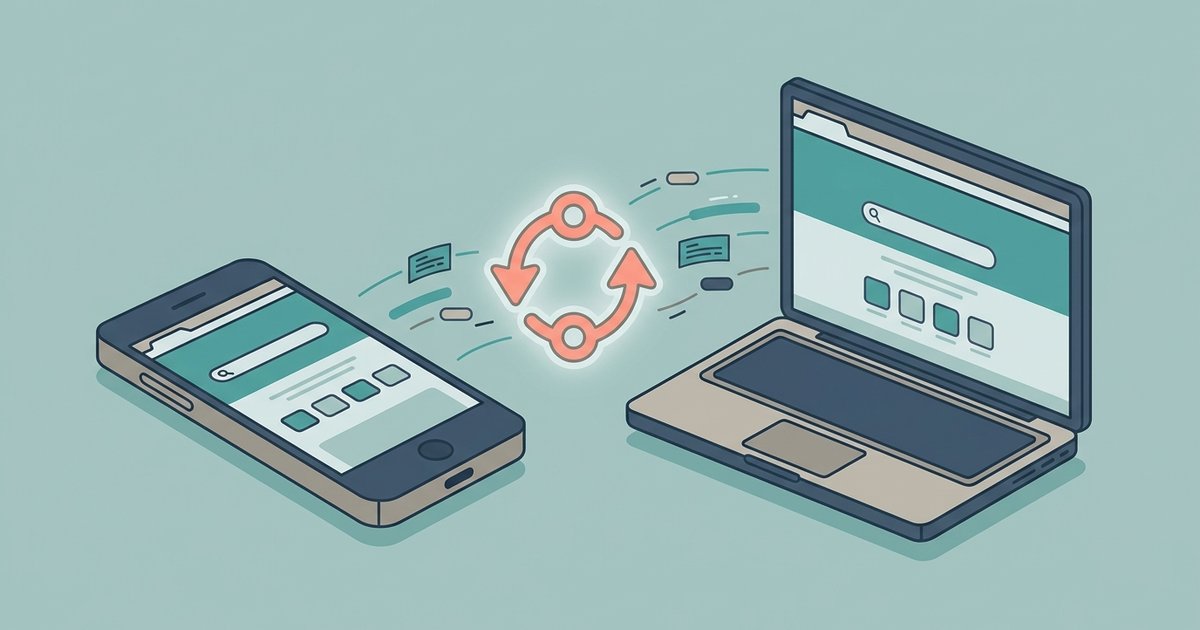
A signed-in experience keeps your homepage and shortcut layout identical on your phone, tablet, and computer. Sign into Chrome with the same Google account on each device first. Then enable sync in the settings menu and make sure your desired data types, such as bookmarks and history, are toggled on. This will sync Chrome homepage settings across devices. The site you set for your Home button and the arrangement of your most-used shortcuts will appear exactly the same everywhere you browse. Only Chrome lets you control the full homepage layout, from the search engine behind every query to the shortcut grid that follows you across screens.