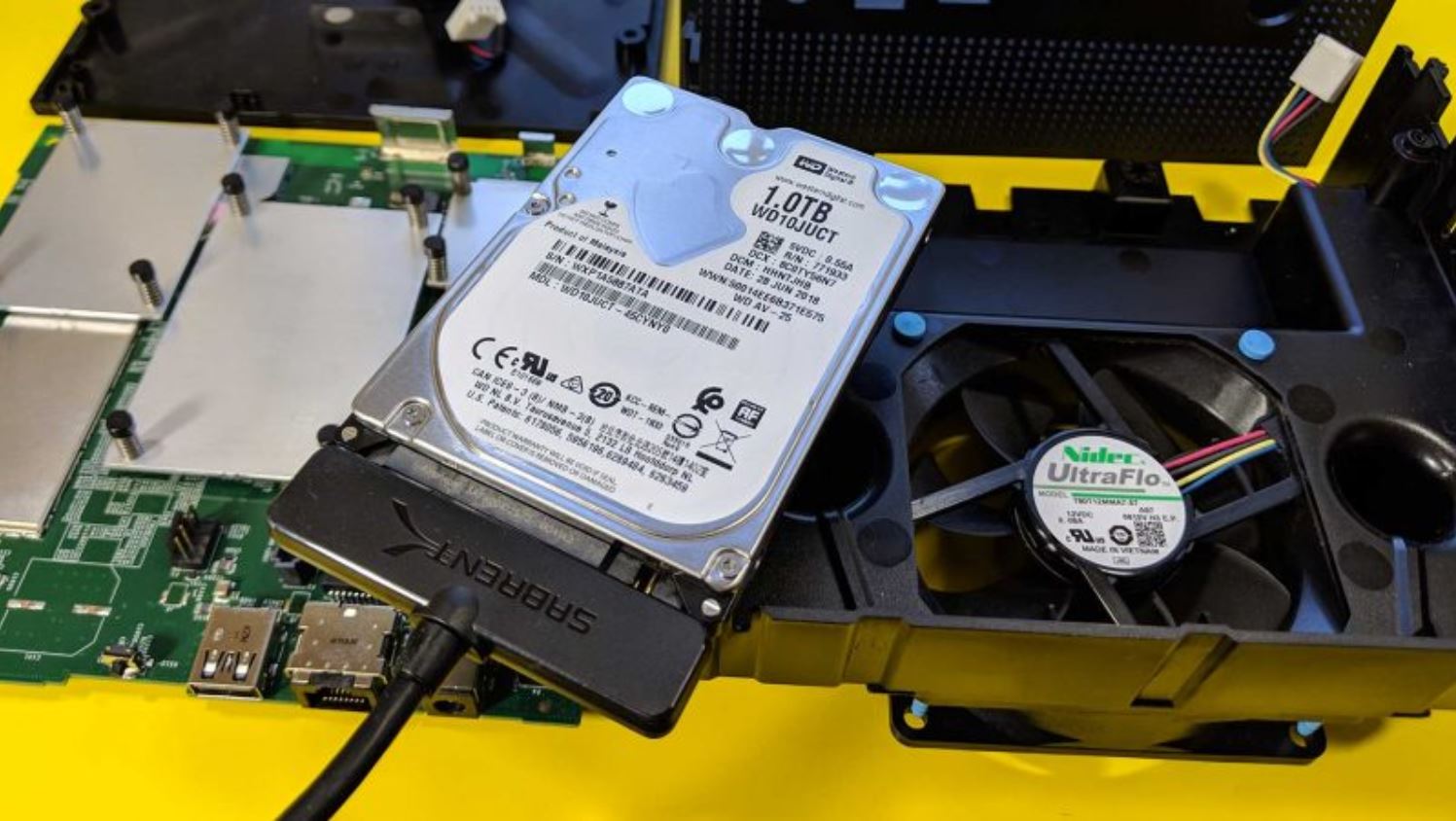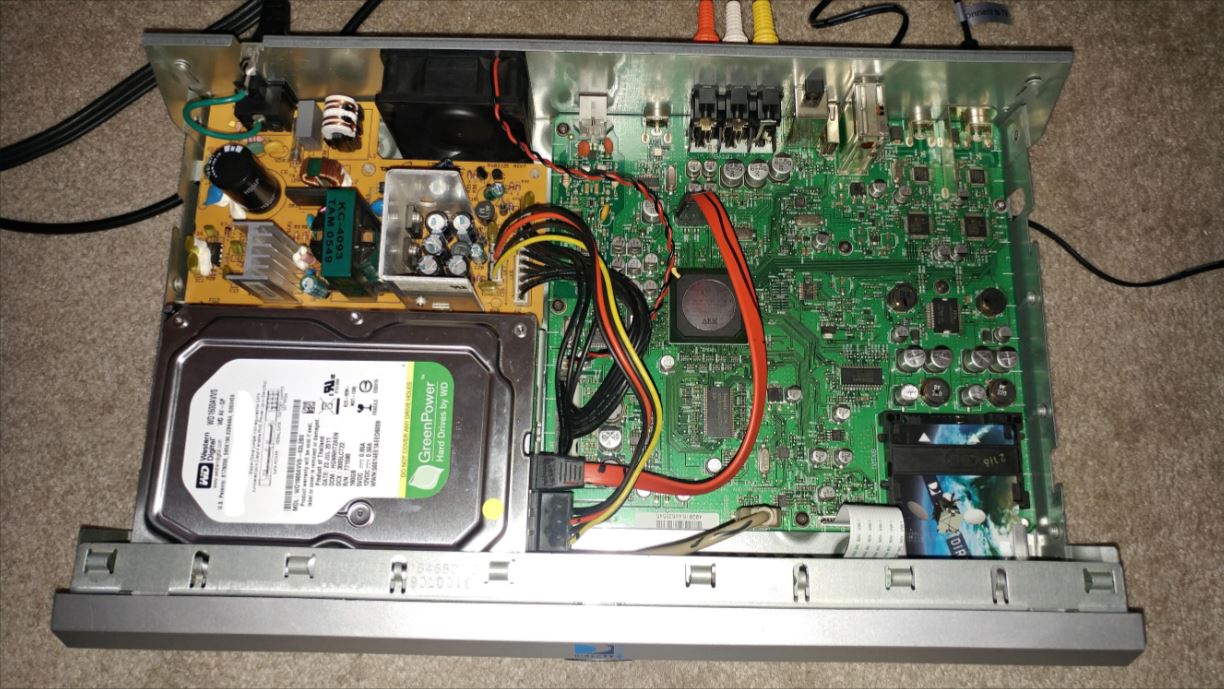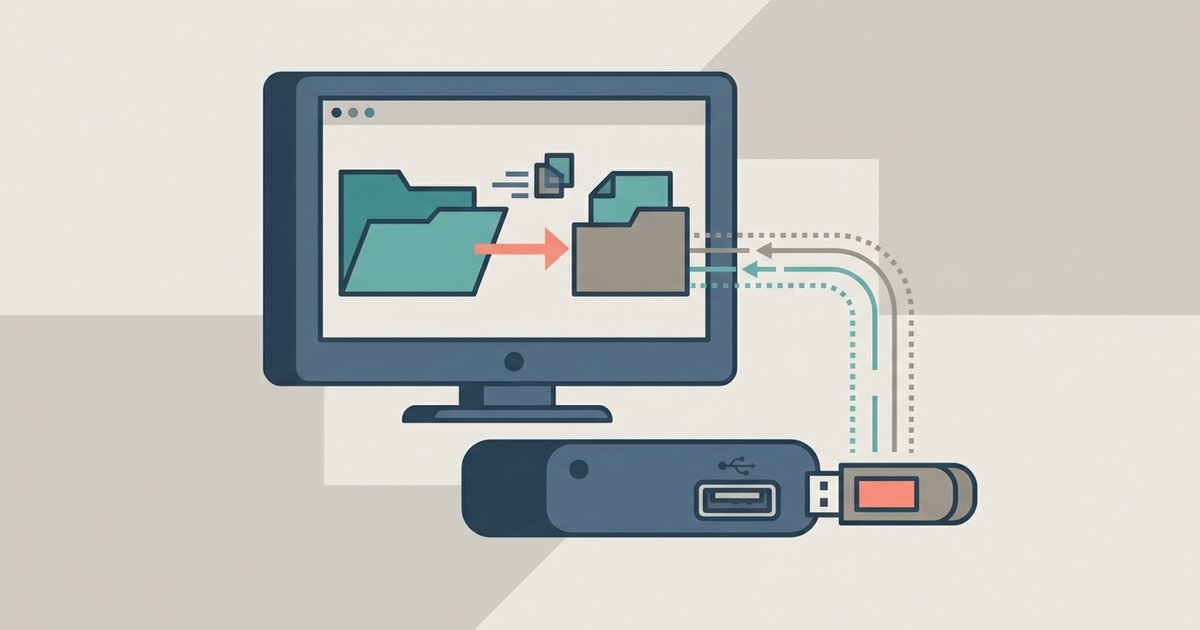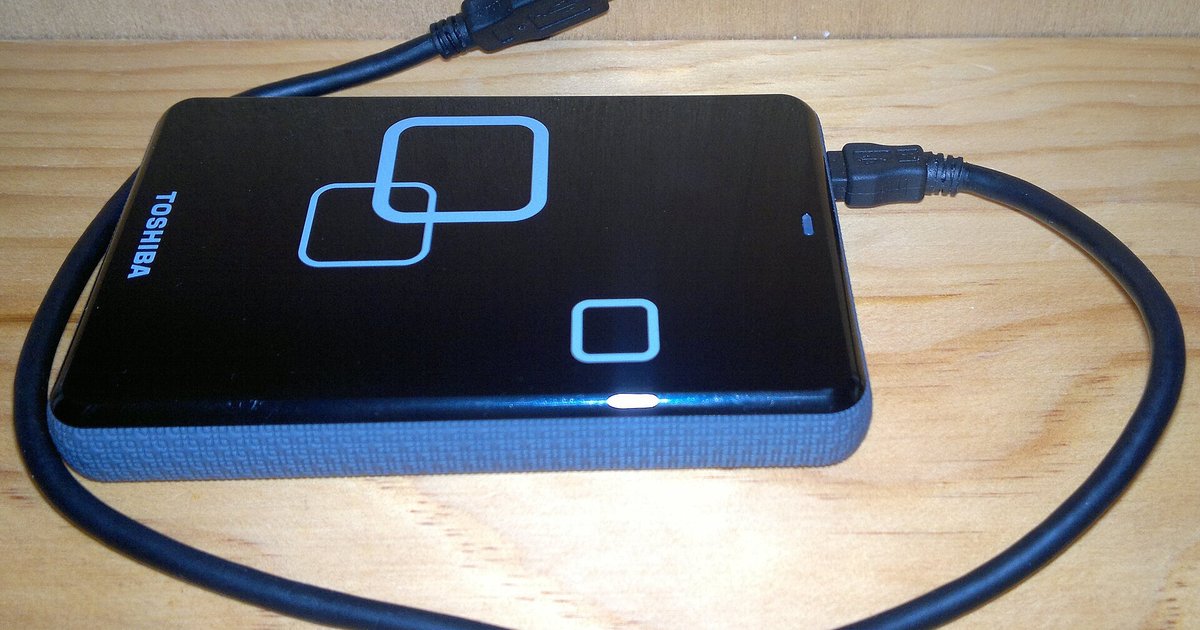
No, transferring recordings directly from a DIRECTV DVR to an external hard drive using the native export function does not reduce video quality. The process copies the original MPEG-2 or H.264 broadcast stream exactly as it was recorded, resulting in a bit-for-bit identical file.
Why directv recording transfer is lossless
The process copies the original MPEG-2 or H.264 broadcast stream exactly as it was recorded. This results in a bit-for-bit identical file. The HD signal you see on your screen remains untouched. Every frame, audio track, and metadata stays intact. This is unlike methods that introduce re-encoding or compression, making it the ideal approach when recording TV shows and moving recordings to preserve your library.
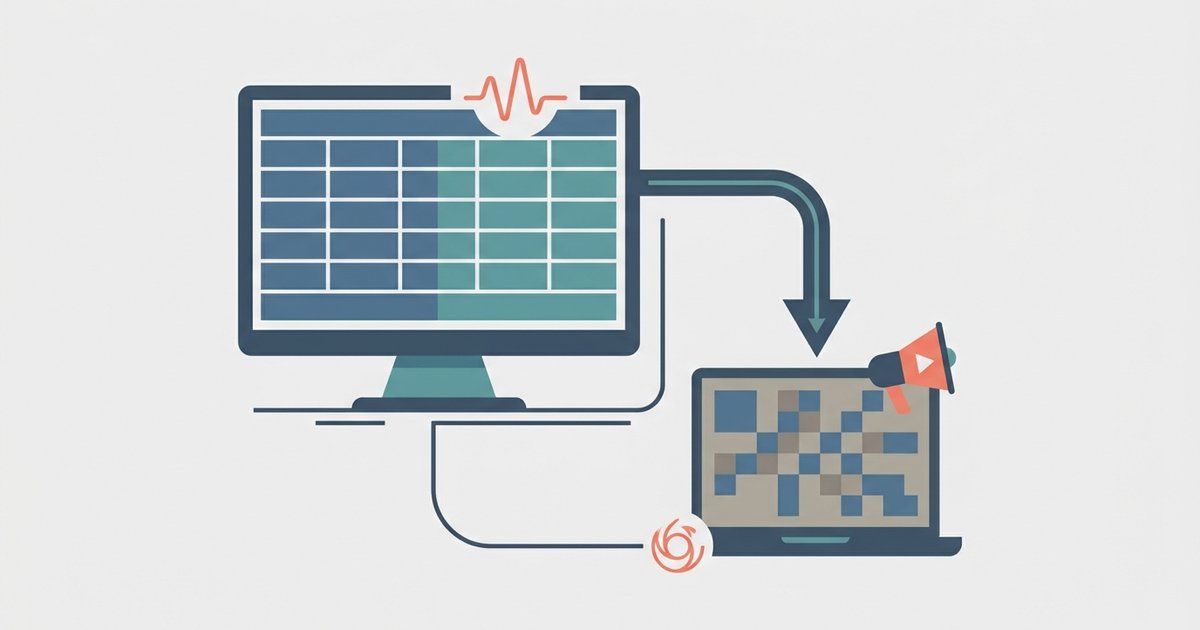
When you use the DVR’s built-in export feature, the system does not decode the video and then re-encode it. Instead, it decrypts the encrypted broadcast stream that arrived from the satellite. Then it writes that stream directly to the external drive. The file is saved in its original container, typically .ts or .mpg. It uses the same MPEG-2 or H.264 codec and bitrate that the broadcaster transmitted. Every pixel, audio channel, and closed caption remains identical to what aired. You can verify this by comparing the file’s checksum or bitrate with the live broadcast. They match perfectly.
The confusion with HDMI capture
Many subscribers mistakenly believe that any transfer to a hard drive degrades quality. This is because they have read about HDMI capture cards. An HDMI capture card must re-encode the analog or digital signal it receives through the HDMI output. This process is called “analog hole” capture. It introduces generation loss, compression artifacts, and often drops frame rates. The native USB export method bypasses this entirely. It reads the recorded stream from the DVR’s internal storage before it ever reaches the HDMI port. There is no re-encoding step, so no quality loss occurs. The DVR will refuse to export content.
When the file size doesn’t match your expectations
You might notice that the exported file is smaller than you anticipated. That does not mean the DVR compressed it further. DIRECTV’s live broadcast itself uses variable bitrate compression chosen by the network. A sports channel might use 15 Mbps while a movie channel uses 8 Mbps. The DVR records exactly that compressed stream. The file size reflects the broadcaster’s original encoding, not a secondary compression during export. If you want to understand how to manage these files, you can read guides on how to download recordings from DIRECTV dvr. These explain the process of transferring files to a computer for editing or archiving. That feature records over-the-air or streaming content, not satellite. And if you are curious about other smart TV models, a separate guide explains how to record TV shows on a smart TV using its built-in PVR function. That function also uses direct stream copying without re-encoding.
Unlike any other DVR export method, a DIRECTV native transfer performs a bit-for-bit copy of the original satellite broadcast stream without decoding or re-encoding the signal.