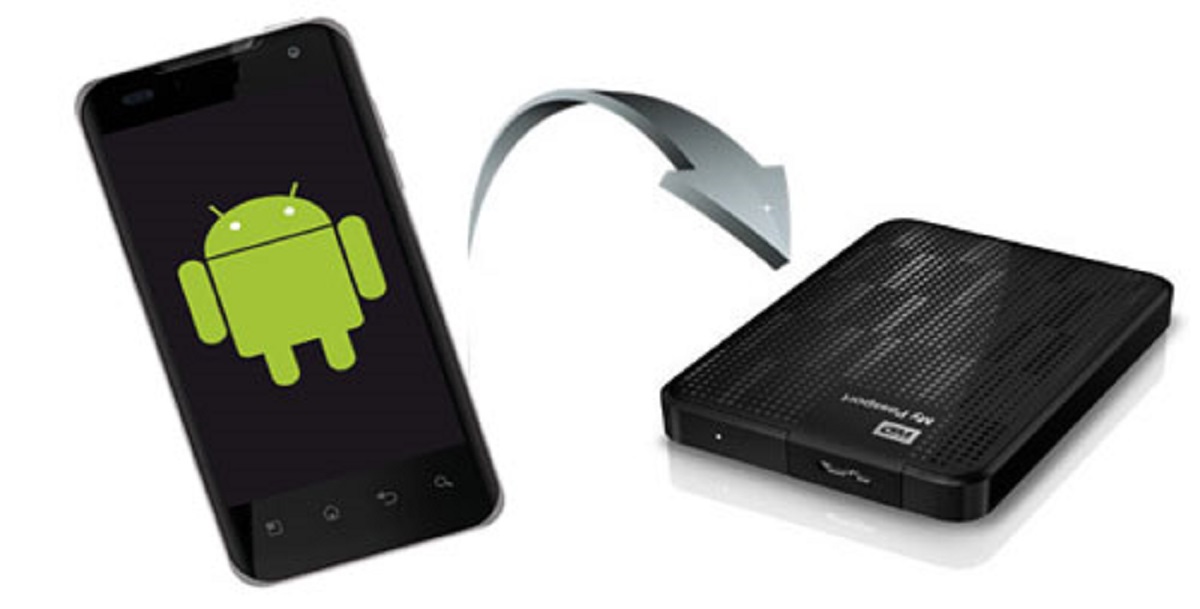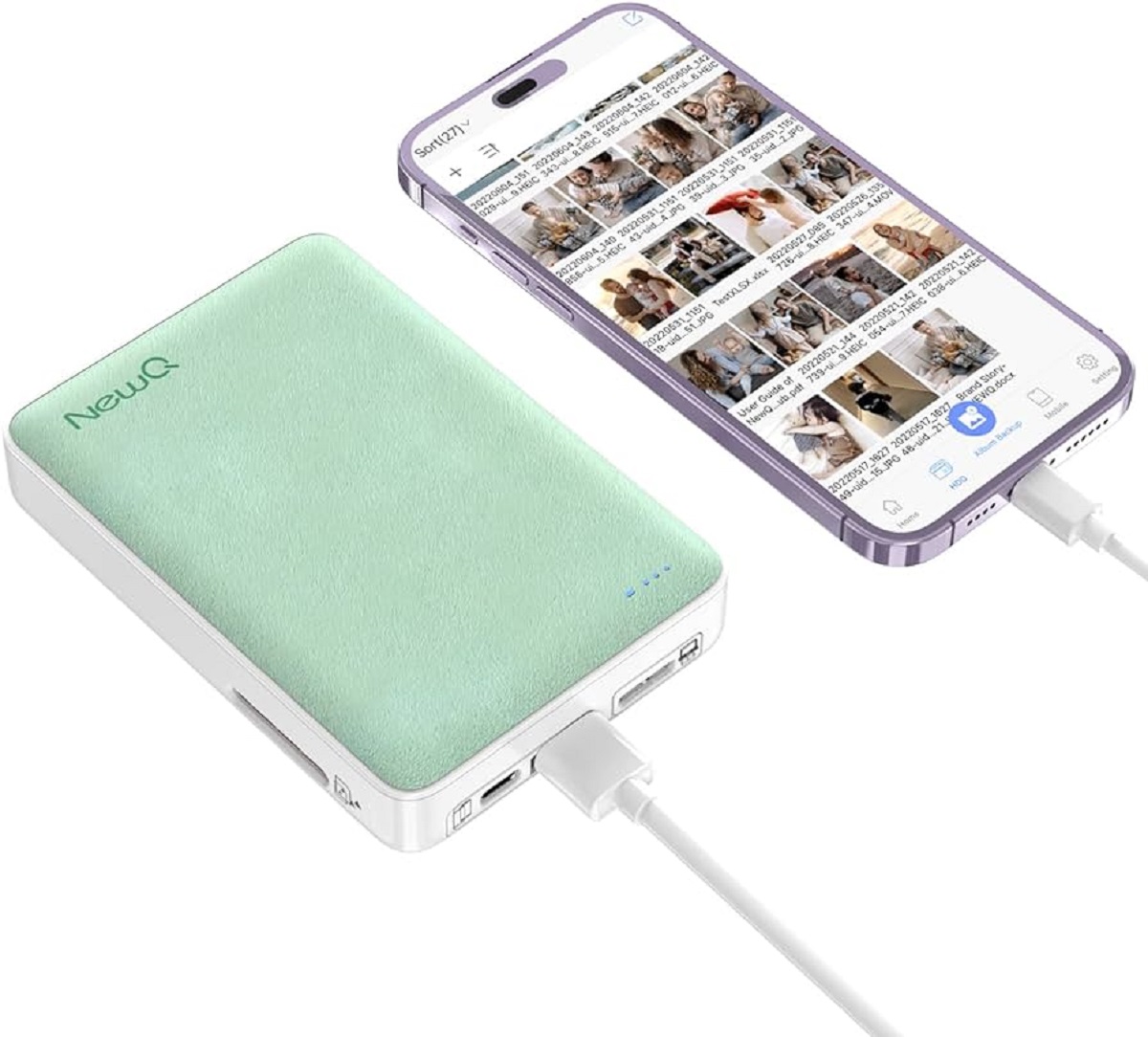
If you want to free up space on your DirecTV DVR, using a DirecTV DVR external hard drive will not let you transfer playable recordings to a computer or other device. The only way to use an external hard drive with a DirecTV DVR is to expand the storage capacity of specific older models, and those recordings remain encrypted and tied to that single DVR.
Can you use a DIRECTV DVR external hard drive to save recordings?
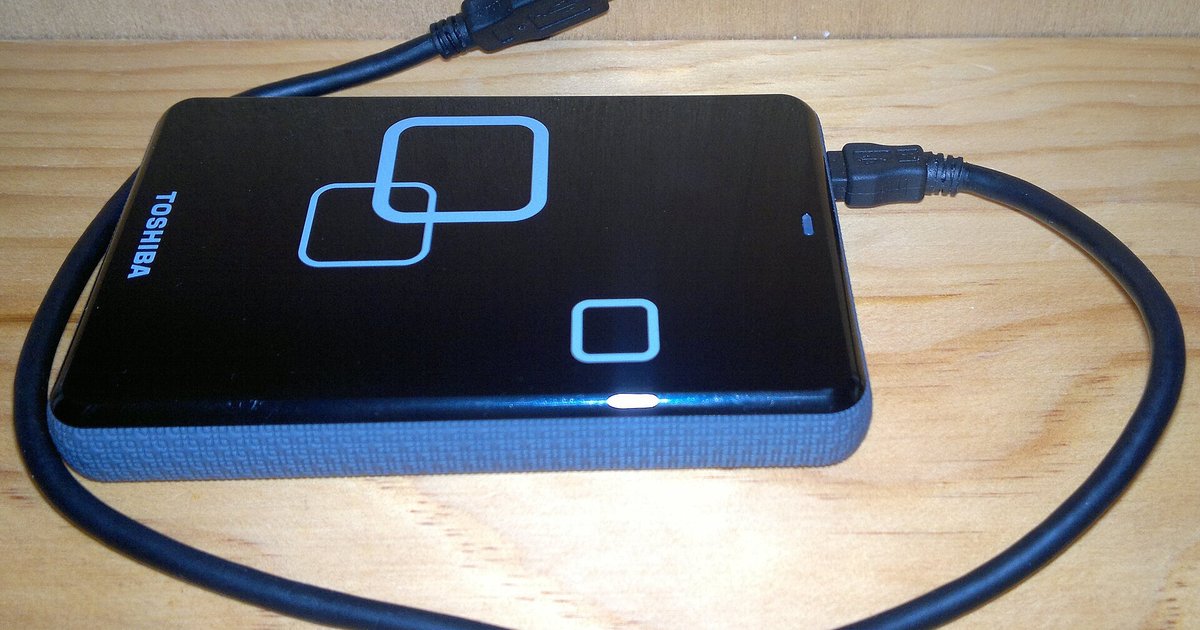
The short answer is no, not in the way most people hope. All recordings on a DirecTV DVR are encrypted and tied specifically to the DVR that recorded them. This encryption prevents you from playing those files on any other device, including another DirecTV DVR, a computer, or a media player. An external hard drive can only act as a storage expansion for compatible DVRs, meaning the recordings stay locked to that receiver and are not portable. The common desire to record TV shows and move recordings to a portable drive for playback elsewhere is not supported by the DirecTV system.
Which DIRECTV DVR models support external hard drives?
Only specific older Genie models support external hard drive expansion via an eSATA port. Compatible models include the HR34, HR44, HR54, and some versions of the HR24. Newer Genie models, such as the revised HR54R1 and later runs of the Genie-2 (HS17), often lack an eSATA port entirely and do not support external hard drives for storage expansion. If you want to transfer DVR recordings to an external hard drive as a method of saving your library, you must first confirm your DVR model has an eSATA port.
What type of external hard drive works with DIRECTV DVRs?
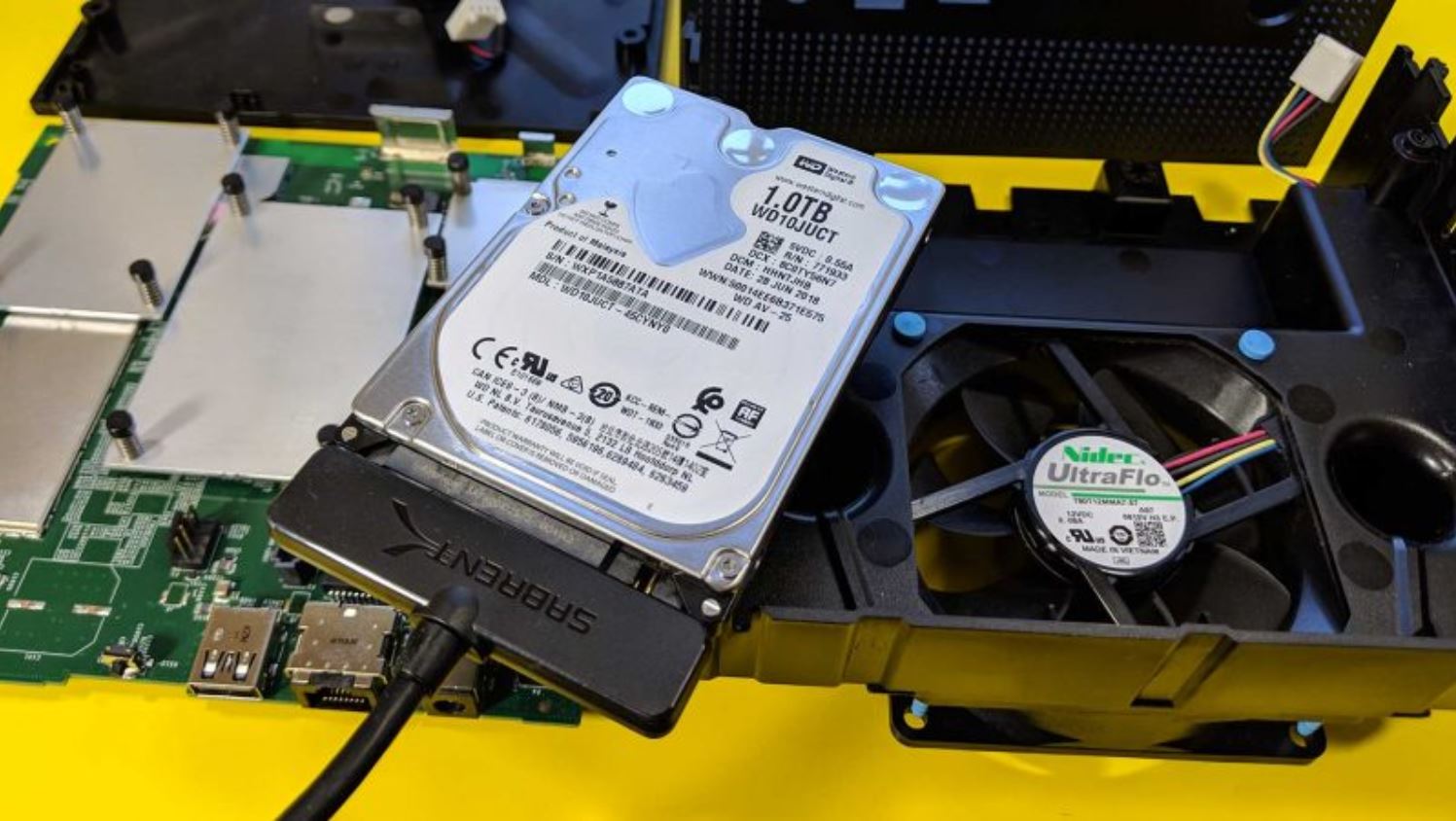
You must use an eSATA hard drive, not a USB drive. The USB ports on a DirecTV DVR are typically reserved for powering small devices or technician access, not for recording storage. There is no known hard cap on the size of an external eSATA drive for Genie DVRs, with users reporting success using drives of 12TB or more, although 4TB was an early suggested limit. The file format DIRECTV uses for exported recordings is not a standard computer file format; the drive is formatted by the DVR itself and becomes part of the DVR's proprietary storage system.
How to connect an eSATA external hard drive to your DIRECTV DVR
- Power off the DirecTV DVR completely.
- Connect the eSATA cable and the power cable to the external hard drive.
- Plug the eSATA cable into the eSATA port on the back of the DVR.
- Power on the DVR.
The DVR will automatically detect the new drive and display a warning that it will format the external hard drive, deleting all existing content on it. This formatting is required for the DVR to use the drive. There is no option to skip this step, so any data on the drive will be lost.
What happens to your existing recordings when you connect an external drive
Once the external eSATA drive is connected and formatted, it becomes the DVR's primary storage device. All new recordings will save to the external drive. Crucially, recordings that were stored on the DVR's internal hard drive become inaccessible while the external drive is connected. If you disconnect the external drive, the internal recordings become accessible again, but the recordings stored on the external drive will become inaccessible. This is a one-or-the-other system, not a merged library. Regarding performance, whether transferring DIRECTV recordings to a hard drive reduces video quality is not a concern because the recordings are not being transcoded or compressed, they are simply stored on a different physical drive while remaining in their original encrypted format.
Why you can't play DIRECTV recordings on a computer or other devices
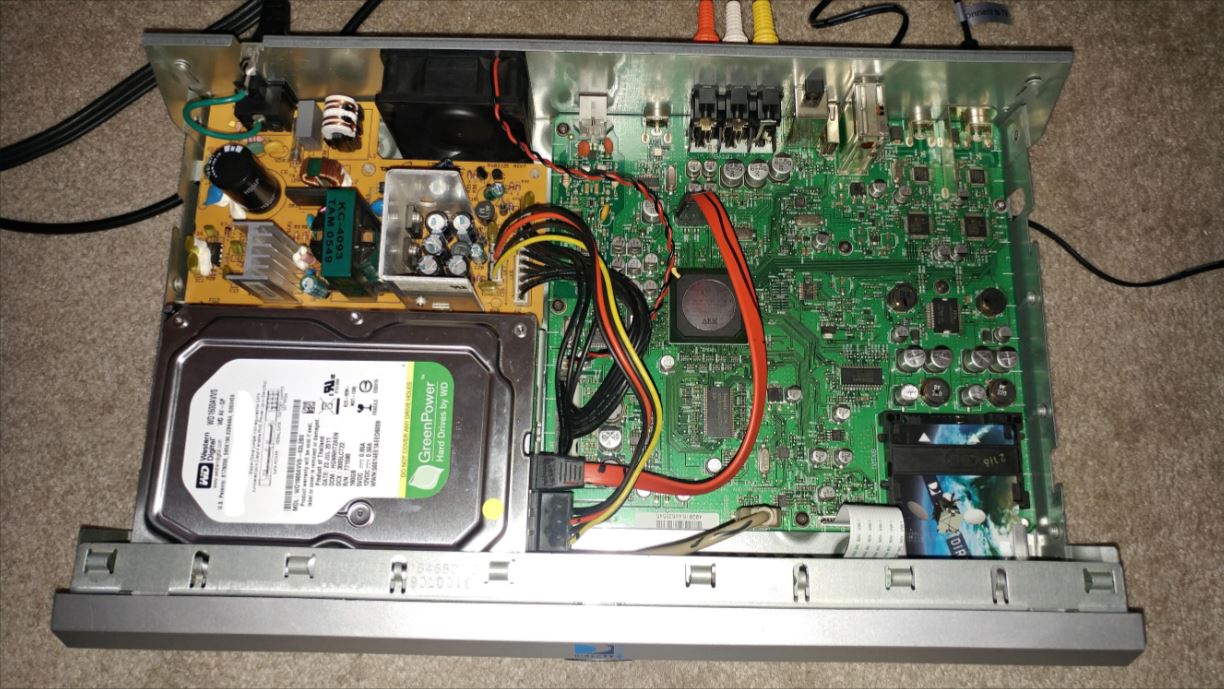
DirecTV DVR recordings are protected by encryption and High-bandwidth Digital Content Protection (HDCP). These technologies prevent copying of programs via HDMI or DVI output to computers, external hard drives, and other devices. It is a common misconception that you can simply clone or copy files from a DirecTV DVR's hard drive to a computer for playback. Even if you physically remove the hard drive from the DVR, the files are encrypted and unplayable without the specific receiver that recorded them. No software exists to decrypt these files for use on a PC, but you can preserve other aging media by choosing to convert vhs to digital and DVD before it degrades.
Alternatives for saving your favorite shows
Because of the permanent content protection and encryption, there is no legitimate way to permanently save DirecTV satellite DVR recordings as portable files. DirecTV Stream, the streaming service, uses a cloud DVR that stores recordings in the cloud, but those recordings are also subject to content protection and are generally not accessible out-of-home as downloadable files. For satellite customers, the only way to keep a recording is to keep it on the DVR or on a compatible eSATA expansion drive connected to that same DVR. If your DVR fails or you cancel service, those recordings are lost. There is no workaround to create a permanent, playable backup of your DirecTV satellite DVR library.
For the wider topic, see recording TV shows and moving recordings.