This tag collects our articles about video quality, written for anyone who wants to get the clearest, most reliable picture from their streaming services, DVRs, and screen-mirroring setups. If you have ever wondered whether a setting, a cable, or a storage method is quietly degrading what you watch, these pieces are for you. The problems they solve fall into two broad themes: understanding how your choices affect resolution and data use, and comparing devices or methods to pick the one that keeps quality high.
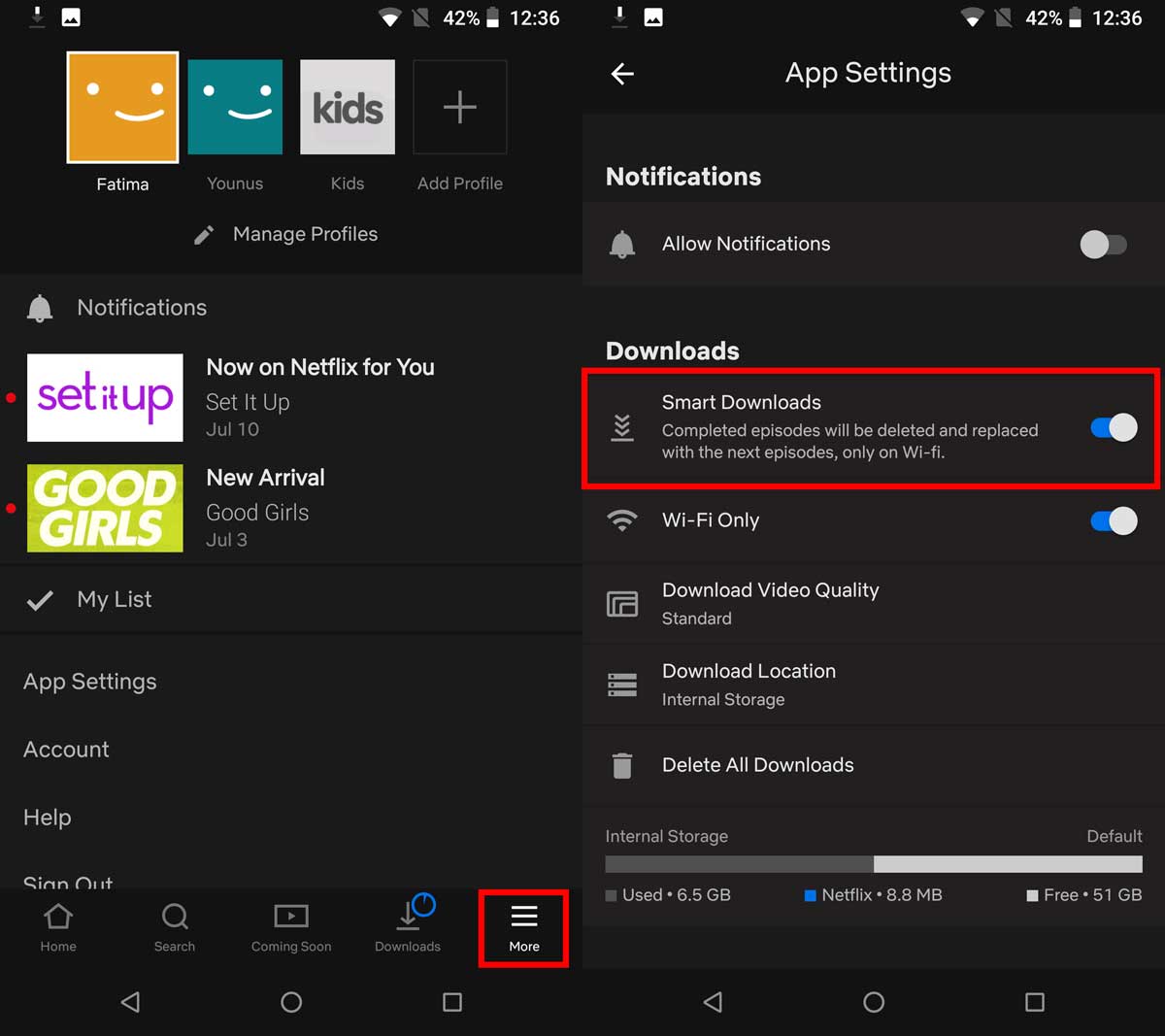
Several articles focus on the trade-offs between picture sharpness and data consumption. For example, one piece explains how much data streaming FS1 uses per hour, which helps you budget your internet plan without sacrificing a crisp feed. Another walks through changing Netflix download settings, so you can choose between saving space on your phone and keeping a higher-resolution copy for offline viewing. These are practical, everyday decisions about bitrate and file size.
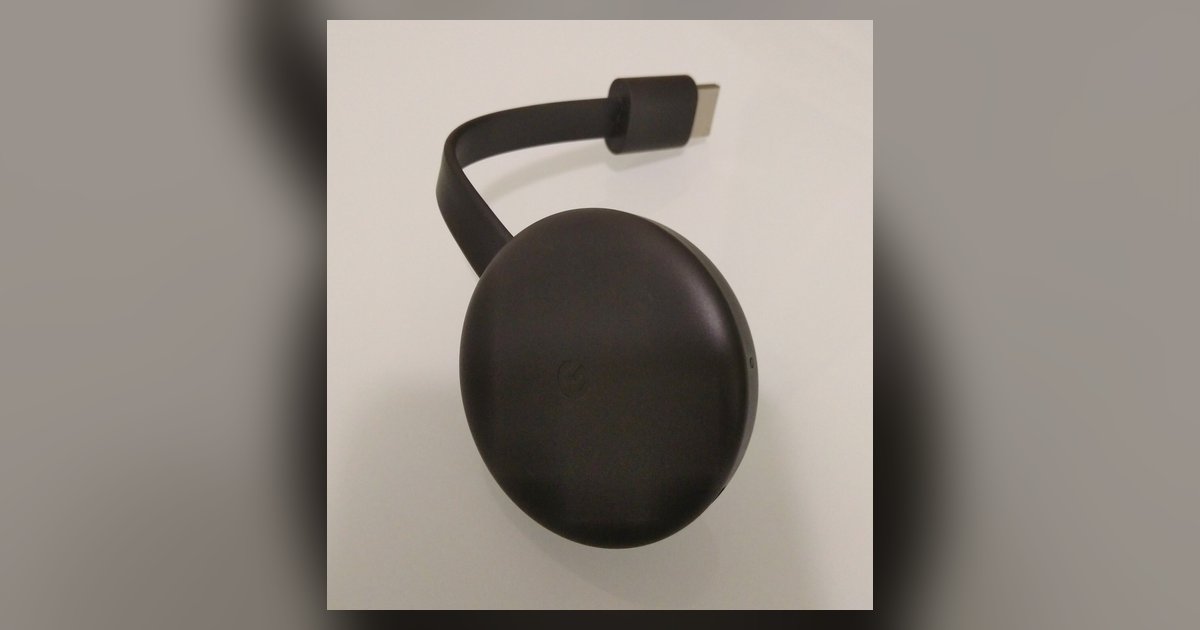
A second theme is device and method comparison. The Chromecast vs. Roku screen mirroring quality article helps you decide which casting approach preserves detail on your TV, while the piece on transferring DIRECTV recordings to a hard drive clarifies whether that storage move costs you any visual fidelity. Finally, two articles address the legal, subscription-based options for watching Netflix, one explains how to get Netflix legitimately, and another details the resolution you can expect from the “Standard with Ads” plan. Together, these pieces help you make informed, safe choices about your viewing setup, without any risky workarounds.