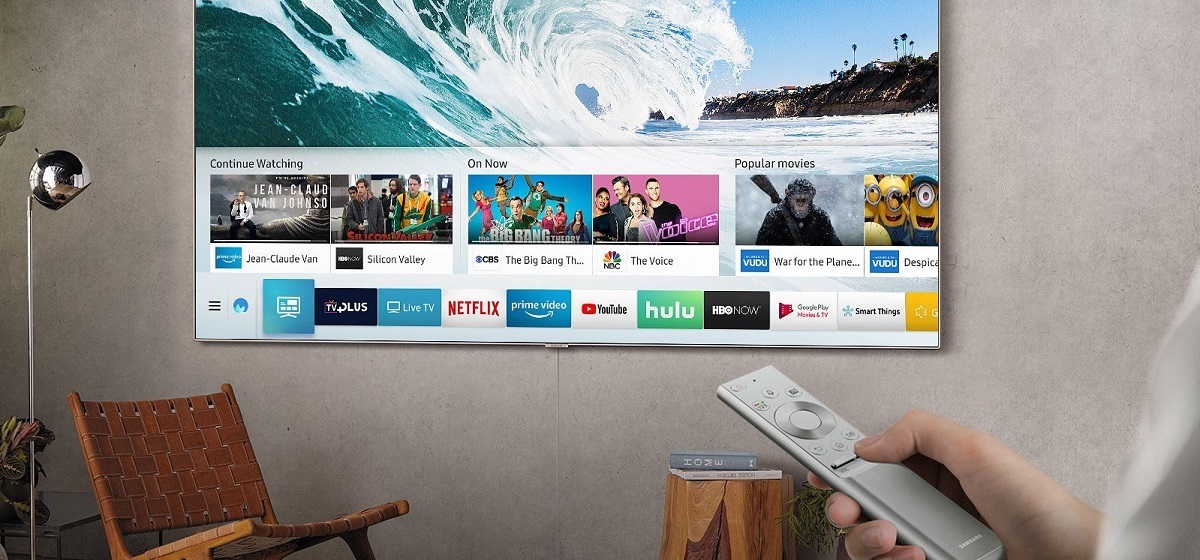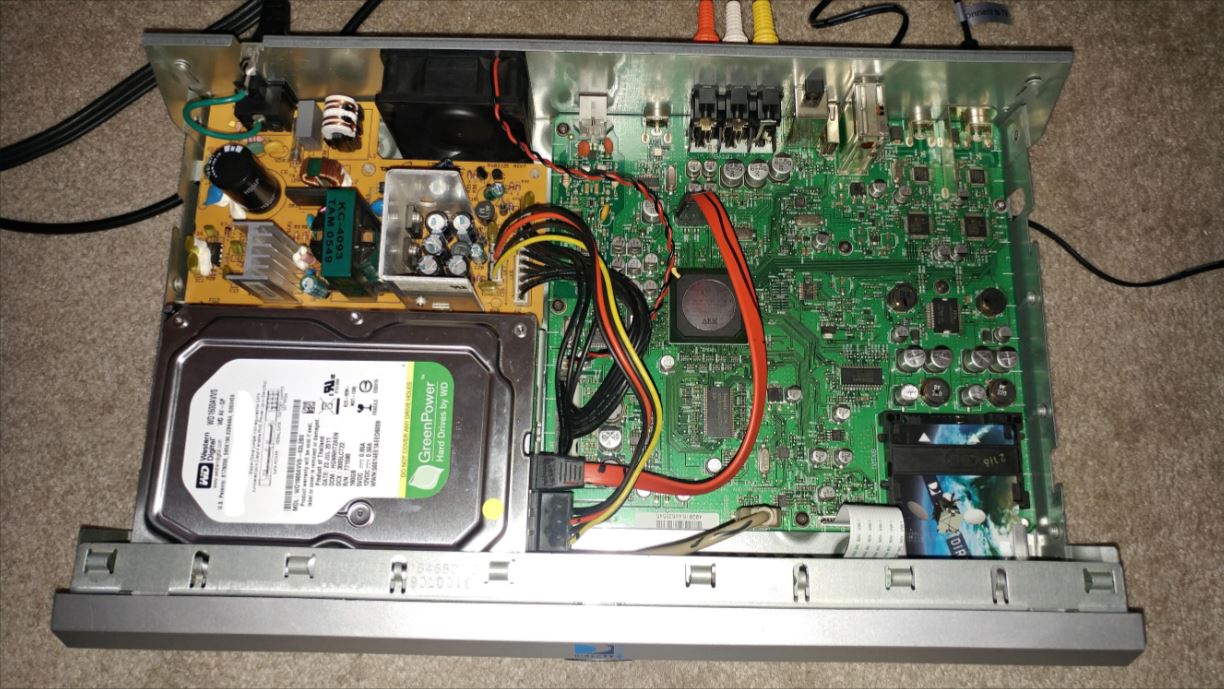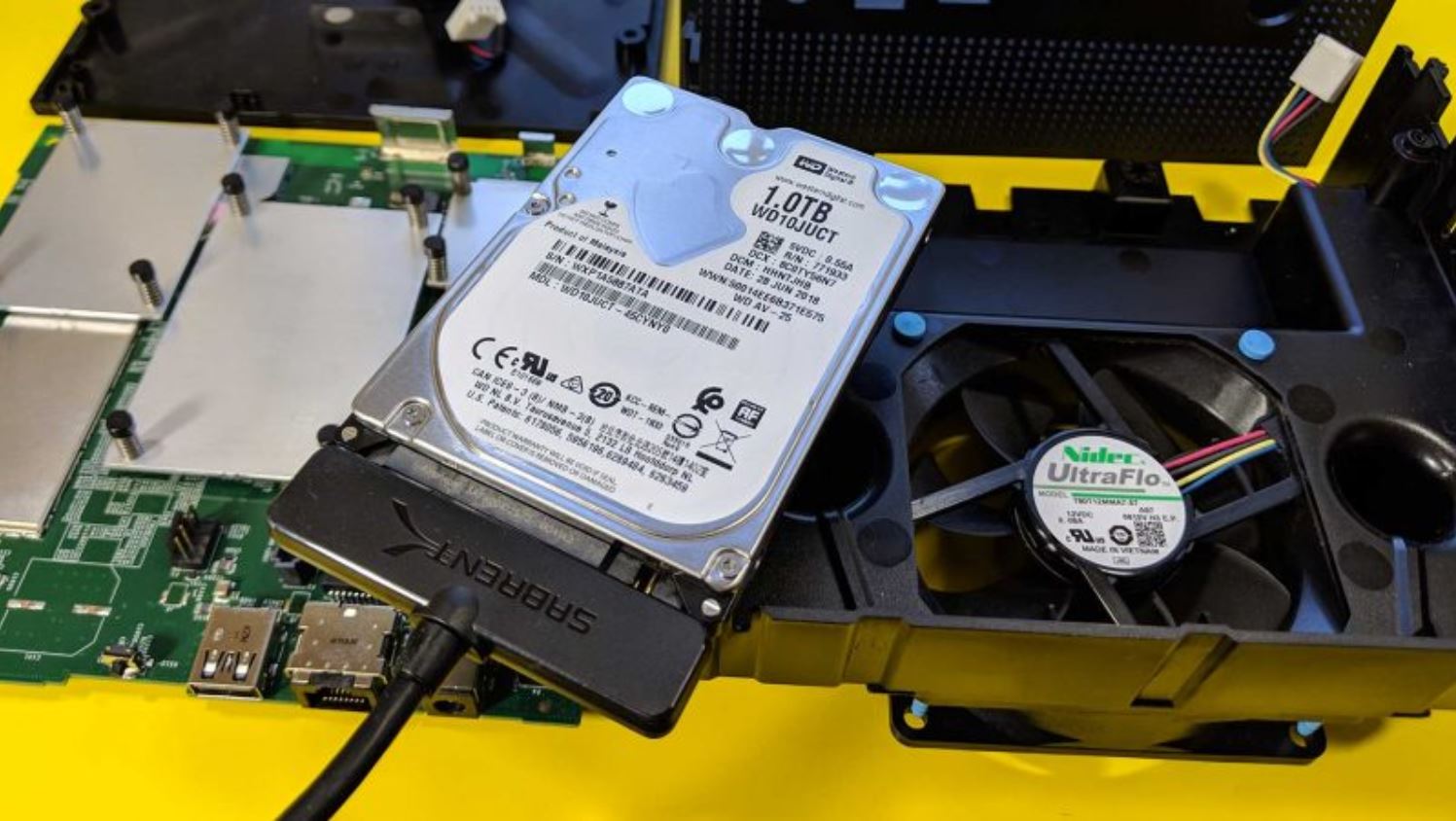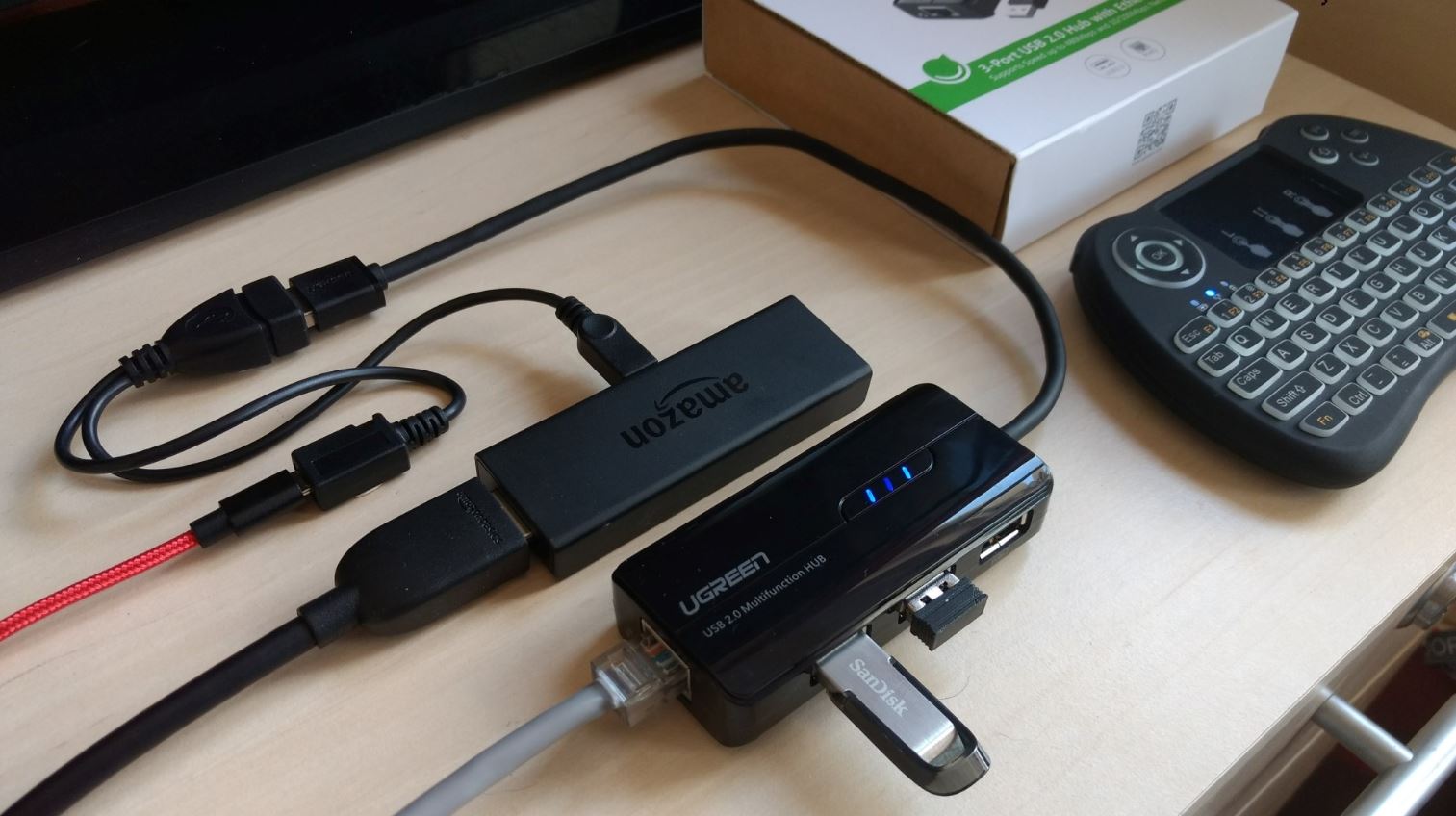
Practical, step-by-step guidance for people who want to get more out of their existing television recording hardware and services. It is written for everyday viewers, not technicians, who own a set-top box from a cable or satellite provider, a smart TV with built-in recording features, or a streaming device like a Fire Stick. The articles assume you already have a working setup and simply need clear instructions for the tasks that aren’t always obvious from the menu screens.
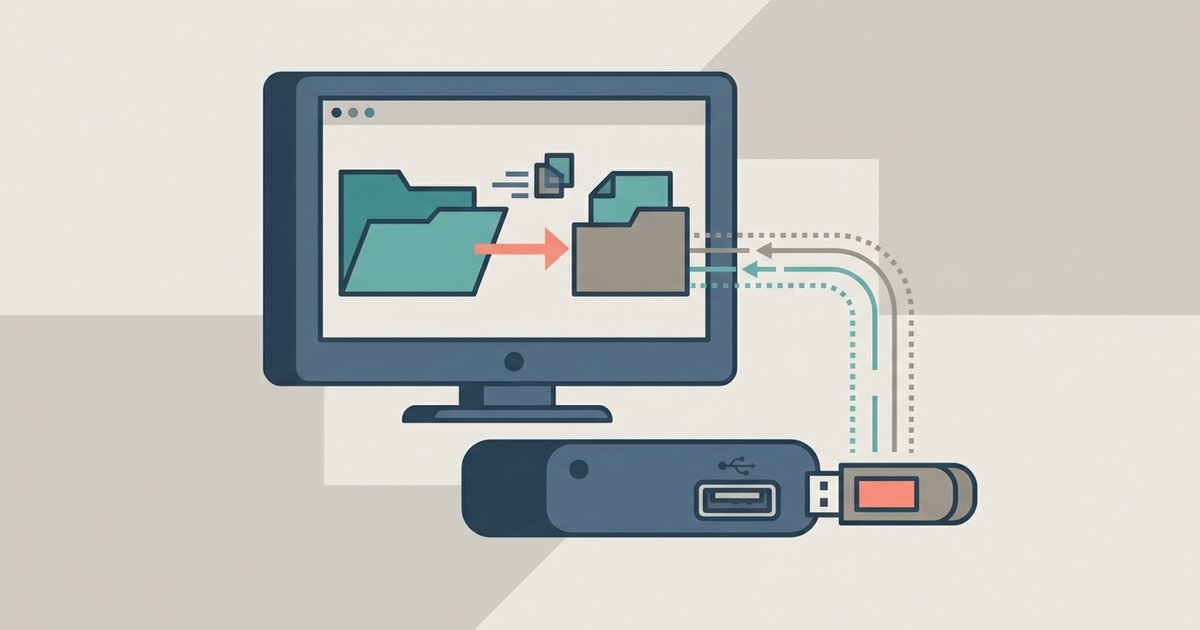
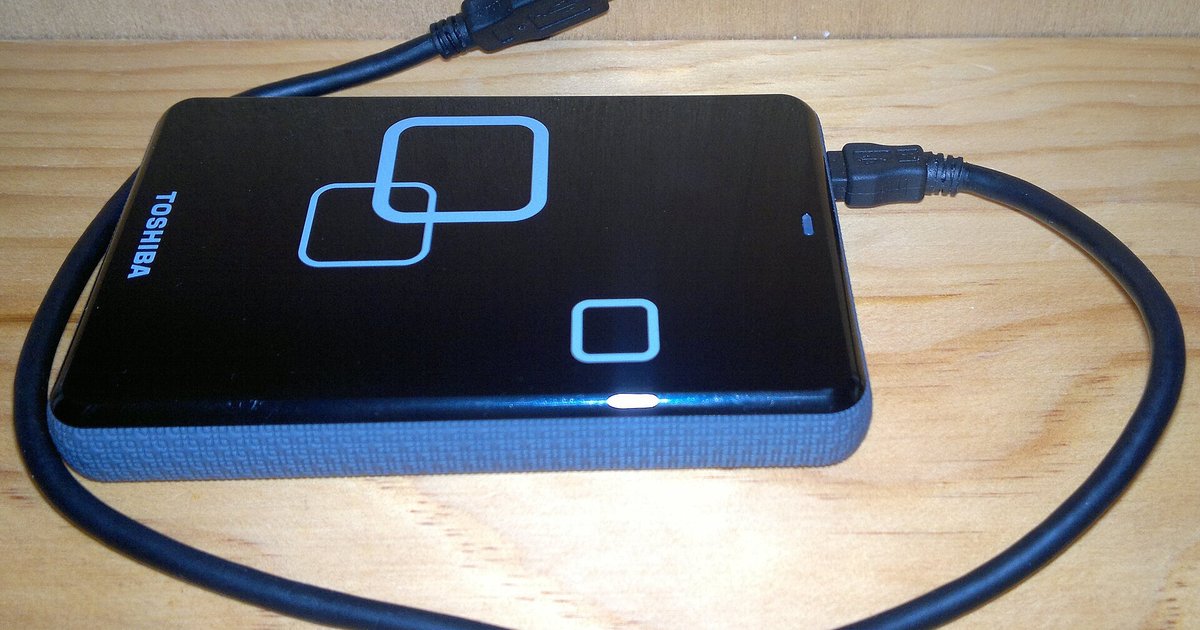
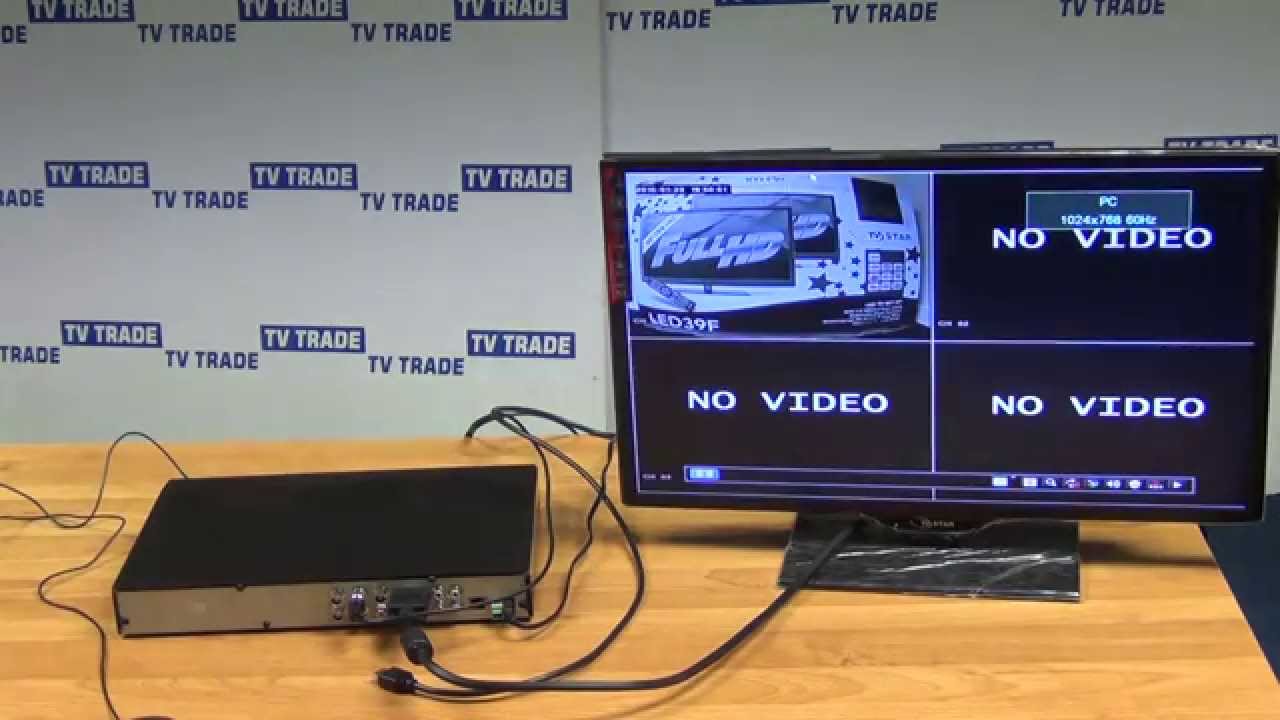
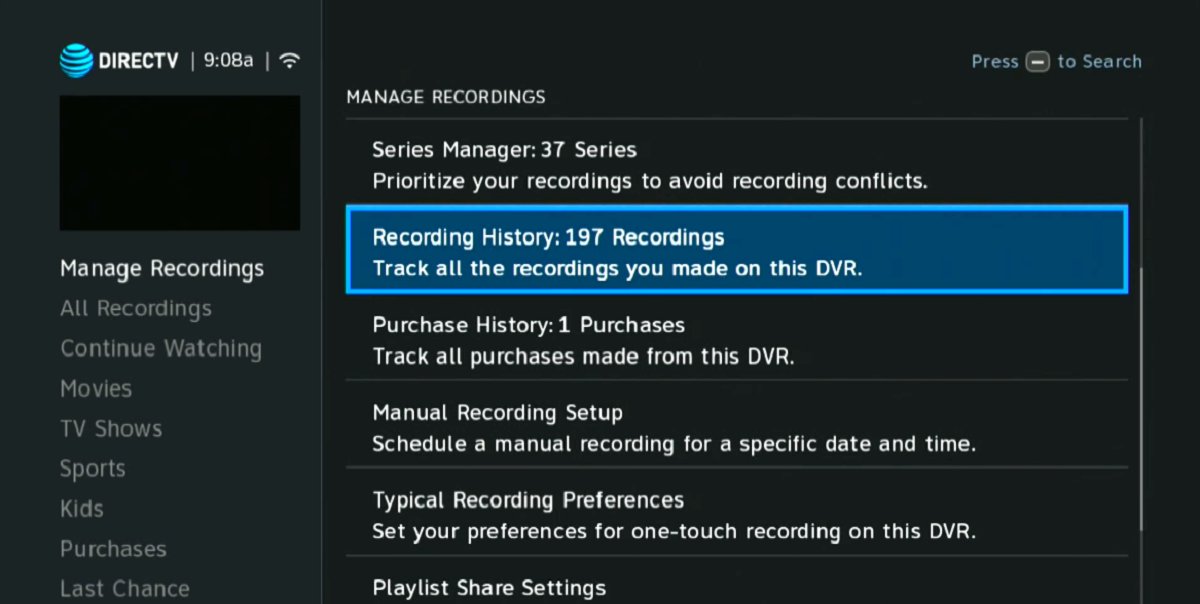
The problems these articles solve fall into two main themes. The first is getting recordings to play where you want them: several pieces explain how to move saved shows from a DIRECTV DVR or a Fire Stick to an external hard drive, and how to connect a DVR directly to a smart TV when the HDMI port is occupied or the signal isn’t cooperating. The second theme is about recording from sources that don’t traditionally offer a “record” button, for example, capturing live sports during the NCAA tournament or saving football games streamed through Amazon Prime. A third, smaller thread deals with file formats and quality: one article clarifies what file format DIRECTV uses for exported recordings, and another answers whether transferring recordings to a hard drive reduces video quality, which helps you decide whether the trade-off is worth the extra storage space.
Several articles also address the legal and safe way to keep your content. Instead of describing any kind of workaround or piracy, they explain the official export and transfer functions built into your device, like downloading recordings from a DIRECTV DVR or using the Dish app on a Samsung smart TV, so you can archive your library without losing quality or violating your service agreement. The tag is a straightforward resource for anyone who wants to watch their shows on their own terms, without breaking the rules.