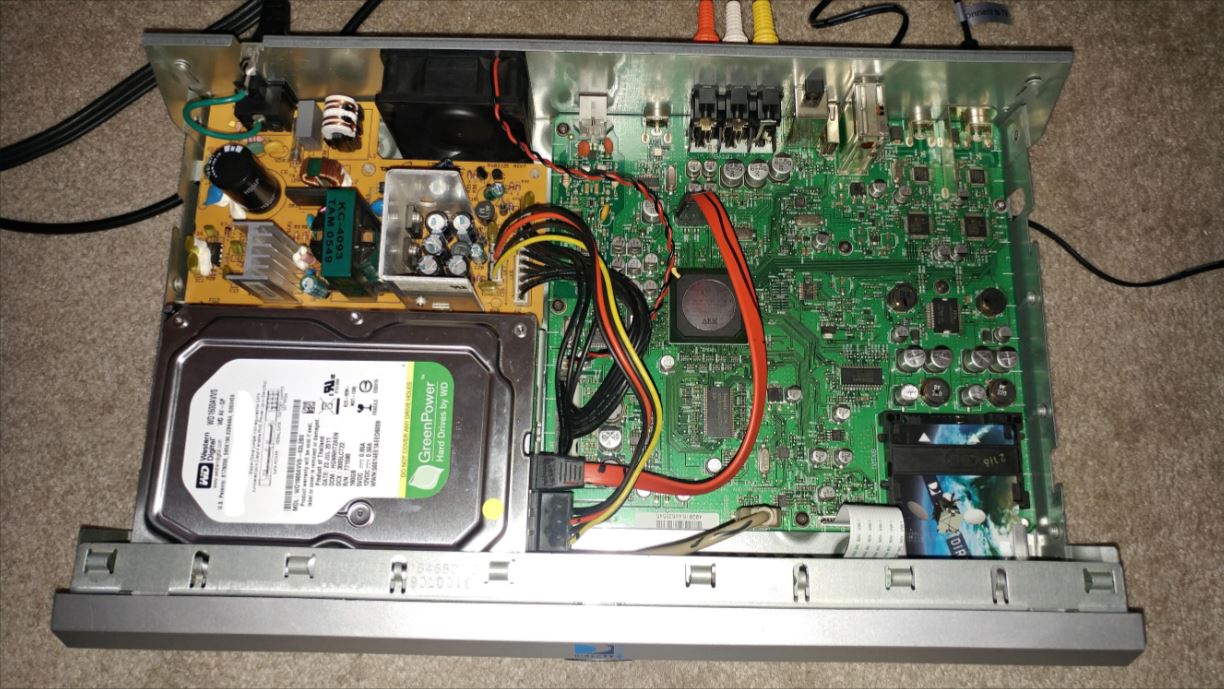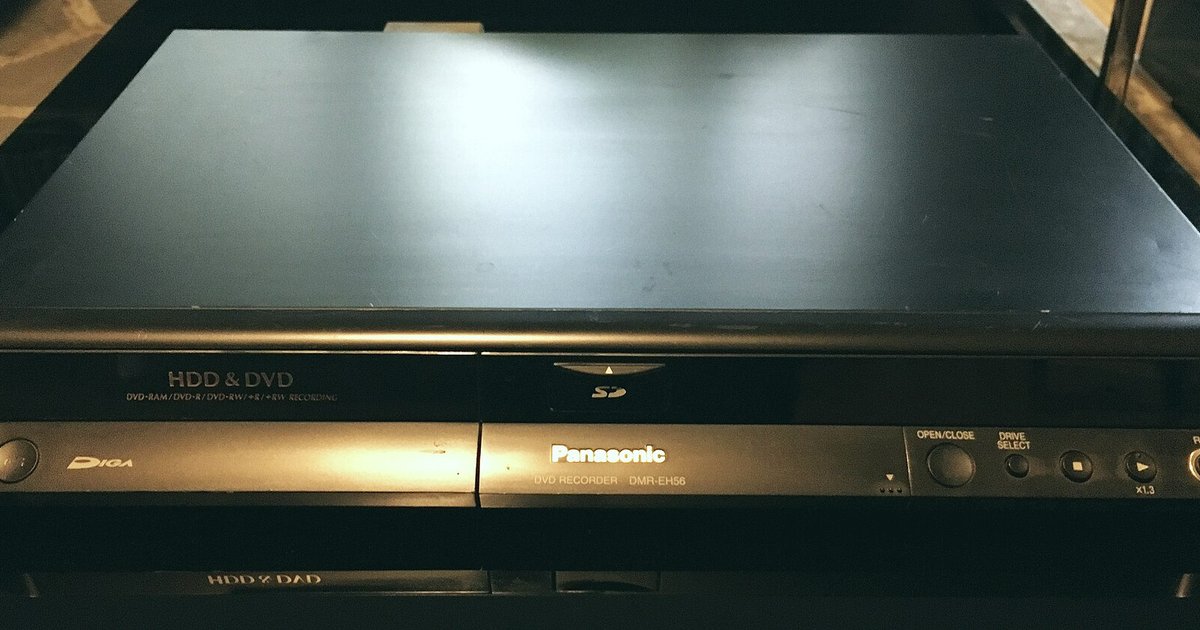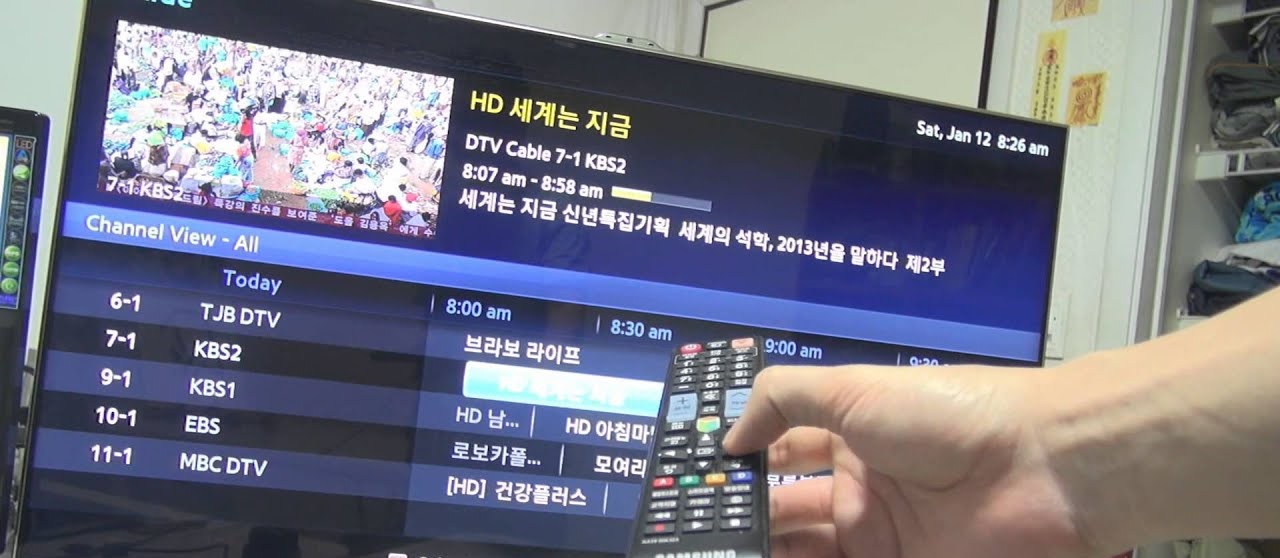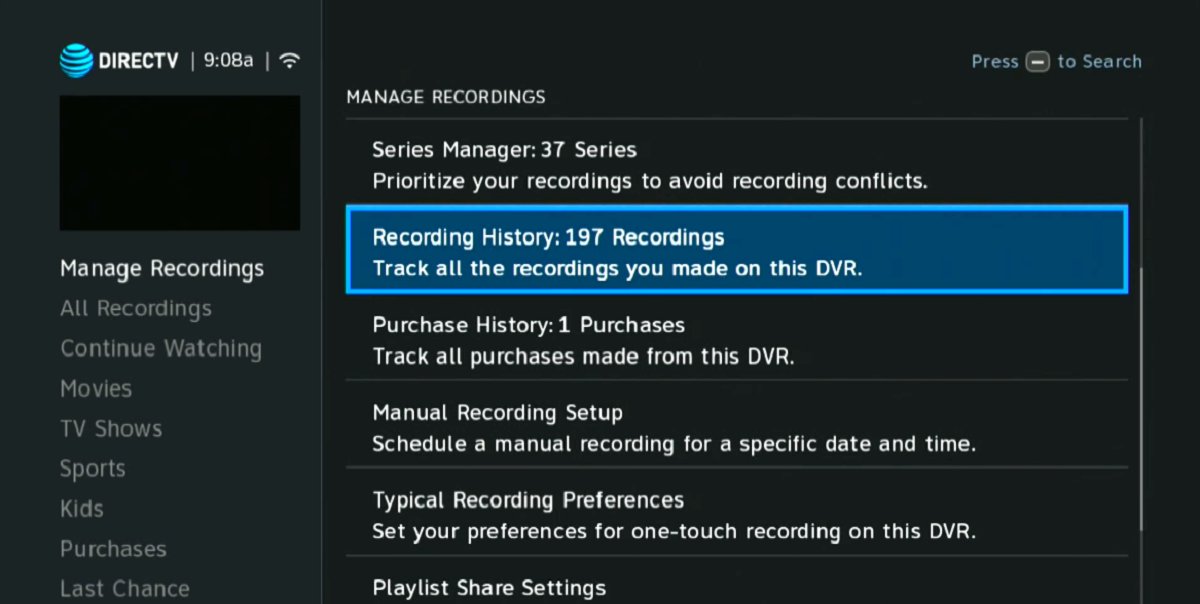
To download recordings from DIRECTV DVR, you need to capture the video signal in real time using an analog connection and recording software on your computer, there is no direct file transfer option. If you also need a text record of virtual meetings, you can download transcript from teams for easy reference. This method works for any show or movie saved on your DVR, letting you build a personal library for offline viewing or backup.
Why you can't directly download recordings from your DIRECTV DVR
DIRECTV encrypts all DVR recordings, which means the files are locked to your receiver and cannot be copied as digital files over HDMI, USB, or network connections. The DVR has no menu option to export recordings, and no software can pull the encrypted data off the device. Even if you connect via HDMI, the signal is protected by HDCP, so your computer will either show a black screen or refuse to record. The only reliable workaround is to play the recording on your DVR and capture the video signal as it outputs through analog ports, this is a real-time process, but it produces a standard video file you can keep.
What you'll need: hardware for capturing DIRECTV recordings
To capture recordings, you need a USB video capture card that accepts analog input, plus the correct cables to connect your DVR to that card. Most DIRECTV DVRs have composite (yellow, red, white) or component (red, green, blue plus red and white audio) outputs on the back. You will also need a computer with a USB port and free capture software like OBS Studio. HDMI won't work for capture because of the copy protection, so you must use the analog outputs. If your DVR only has HDMI, you would need an HDMI-to-analog converter that strips HDCP, but that adds cost and complexity; the standard approach is to use the analog outputs that are already on the receiver.
Connect your DIRECTV DVR to a capture device
Start by locating the analog output ports on the back of your DIRECTV DVR. Look for a set of composite jacks labeled with yellow (video), red (right audio), and white (left audio), or a component set with green, blue, and red video jacks plus separate audio jacks. Plug one end of the appropriate cable into the DVR's output and the other end into the input ports on your USB capture card. Then connect the capture card to your computer using the USB cable that came with it. Make sure the DVR is powered on and the capture card is recognized by your computer, you may see a notification or need to check your device settings.
Set up capture software on your computer
Download and install OBS Studio, which is free and works on Windows, macOS, and Linux. Choose your USB capture card from the dropdown list. The video from your DVR should appear in the preview window. Next, adjust the recording quality: go to the settings menu, find the output section, and set the recording format to MP4 or MKV. You may also need to adjust the resolution in the video settings to match your DVR's output. Test the setup by playing a short recording on the DVR to confirm the video and audio come through clearly.
Play and record your DIRECTV recordings in real time
Select the first recording you want to capture and press play. Let the recording play from start to finish, you cannot fast-forward or skip ahead because the capture is happening in real time. Repeat this process for each recording you want to save. The total time required equals the combined duration of all your selected programs, so a one-hour show takes one hour to capture. While recording, avoid changing channels or using the DVR menu, as that will appear in the captured video.
Organize your captured recordings on the computer
After you finish capturing, OBS saves the files to the folder you specified in the Output settings, usually in your Videos directory. Open that folder and review each file to confirm the video and audio are intact. Create folders for different categories, TV shows, movies, documentaries, and move the files into the appropriate folders. If you want to reduce file size, you can compress the videos using a free tool like HandBrake, but this is optional. Consider backing up your captured recordings to an external drive or cloud storage to protect against computer failure.
An easier alternative: transfer to an external hard drive
If you want to avoid the time-consuming capture process, DIRECTV offers an official feature that lets you transfer recorded shows from DIRECTV dvr to external hard drive. This requires a compatible USB external drive, and the DVR will format it for exclusive use with your receiver. Once connected, you can move recordings to the drive and then connect that drive to another DIRECTV DVR to watch them. This method is faster than real-time capture and preserves the original quality, but the recordings remain encrypted and can only be played on DIRECTV equipment. For full instructions on using this feature, see the dedicated article on how to transfer DVR recordings to an external hard drive. Note that this approach does not produce files you can play on a computer, and it does not change the file format DIRECTV uses for exported recordings, which remains proprietary and locked to DIRECTV hardware.
For the wider topic, see recording TV shows and moving recordings.