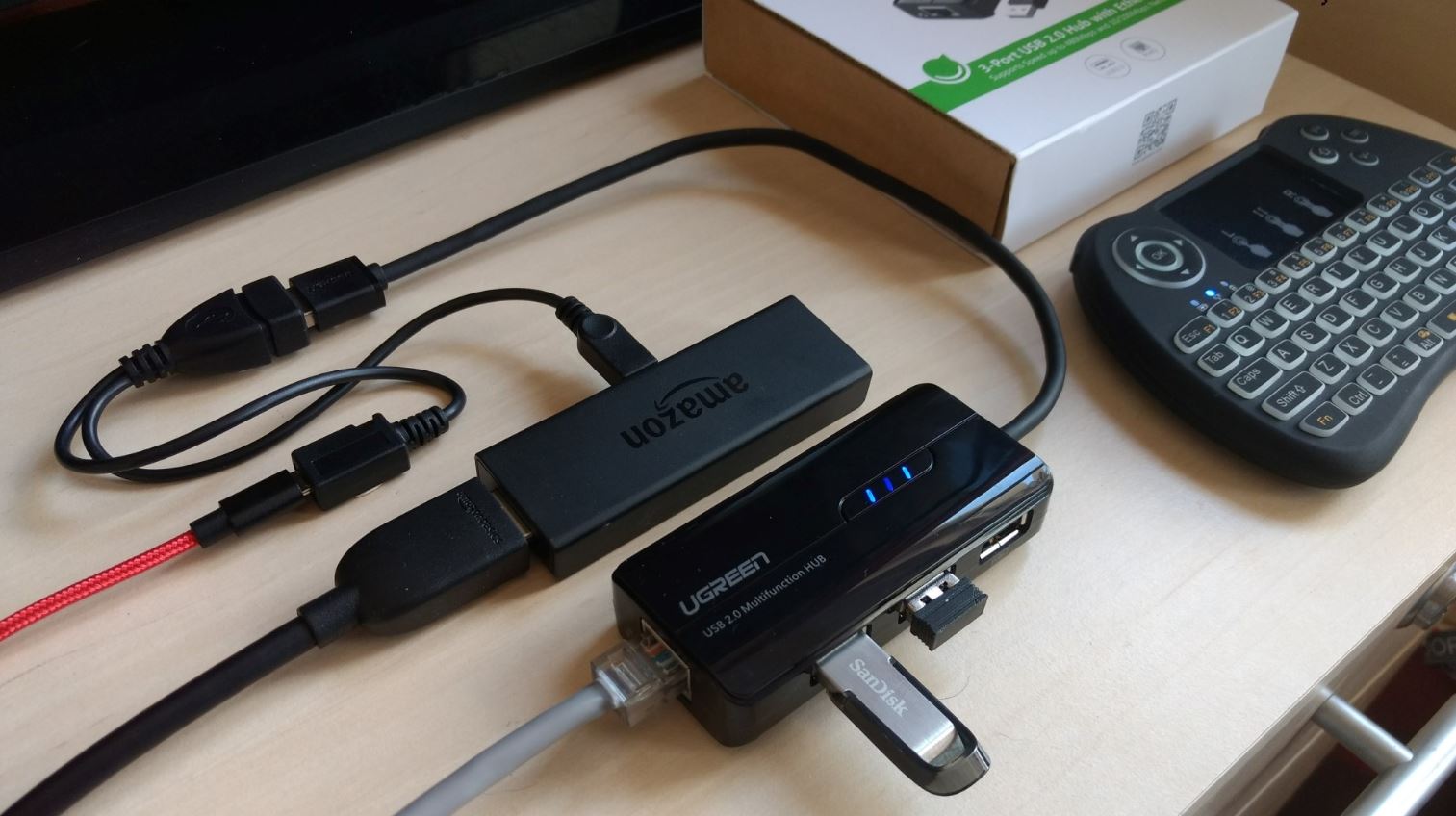
You cannot record from Firestick to an external hard drive using the device’s built-in features, because the Firestick is a streaming device and does not natively function as a DVR. Connecting a drive via USB expands storage for apps and media playback, but it will not capture live or streaming content directly.
Can you record from Firestick to an external hard drive?
The short answer is no, not directly. The Firestick lacks native recording or DVR capabilities, so there is no built-in record button that saves streams to a USB drive. When you plug an external hard drive into a Firestick, the system recognizes it as extra storage for installing apps, storing media files you already own, or playing content from the drive. It does not turn the Firestick into a recorder. Many users assume that adding a hard drive enables live TV capture, but that functionality simply does not exist in the Firestick operating system.
What you actually need to record Firestick content
To record content from a Firestick, you must use external hardware that captures the video signal after it leaves the device. The real solution involves an HDMI capture device, which sits between the Firestick and your TV. This capture device connects to a computer or a standalone recorder that saves the video to its own storage. The external hard drive you want to use for recordings is then connected to that computer or recorder, not to the Firestick itself. This setup lets you record anything the Firestick plays, including live streams and on-demand shows, but it requires understanding that the Firestick is only the source, not the recording device.
Connecting an external hard drive to Firestick for expanded storage
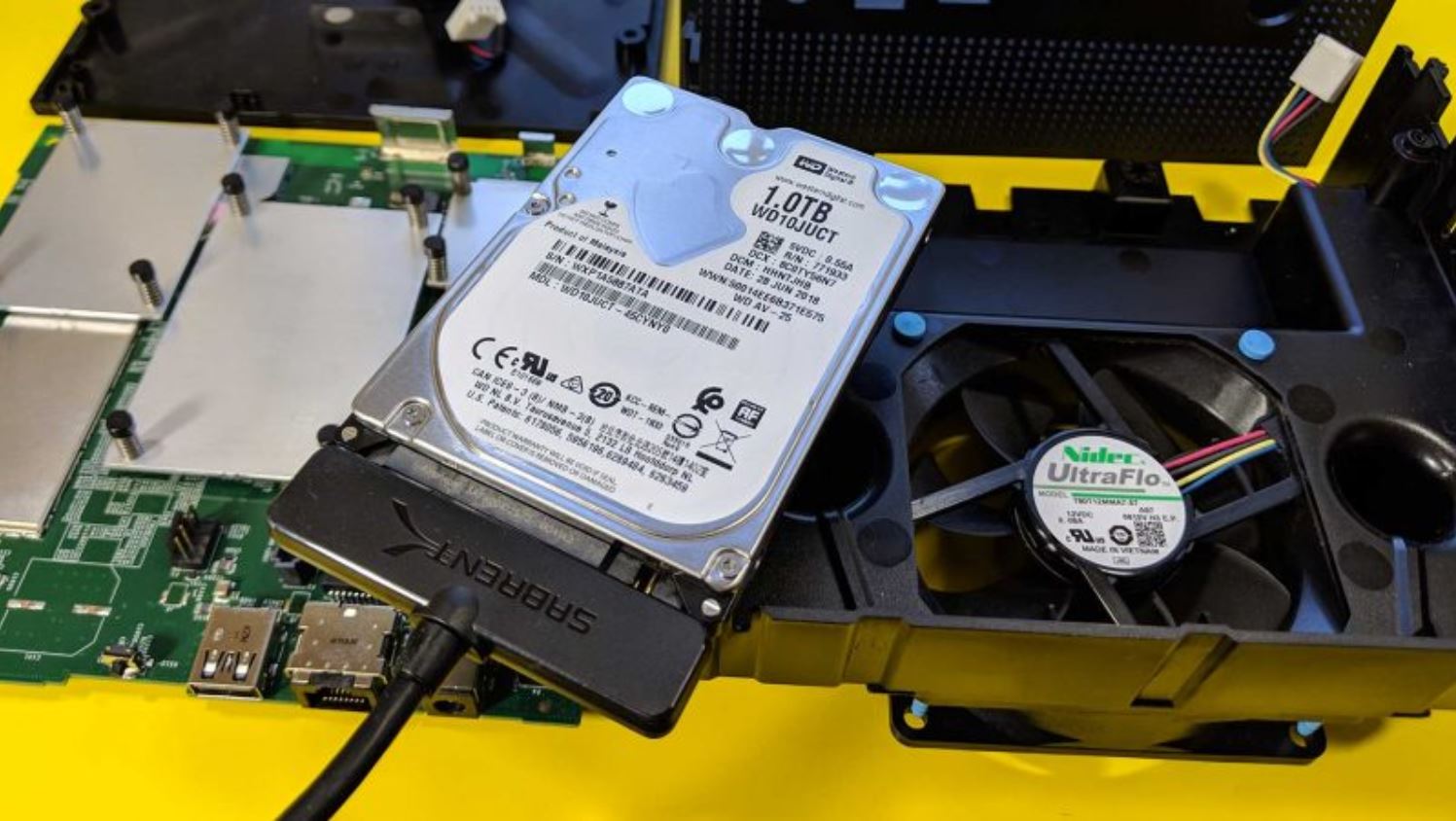
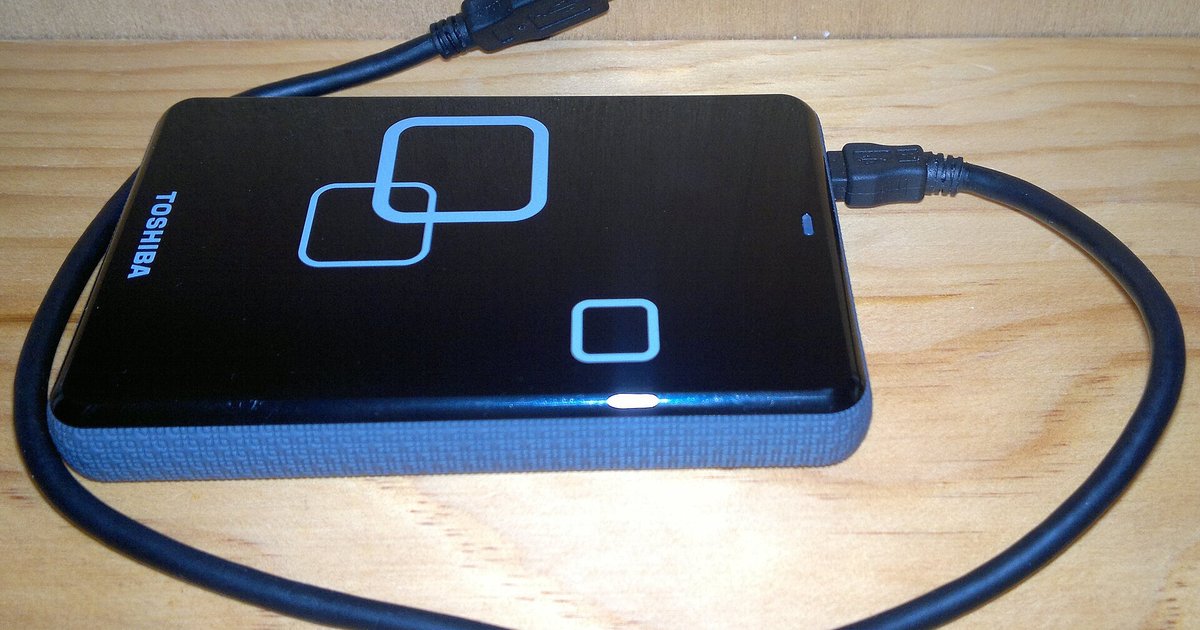
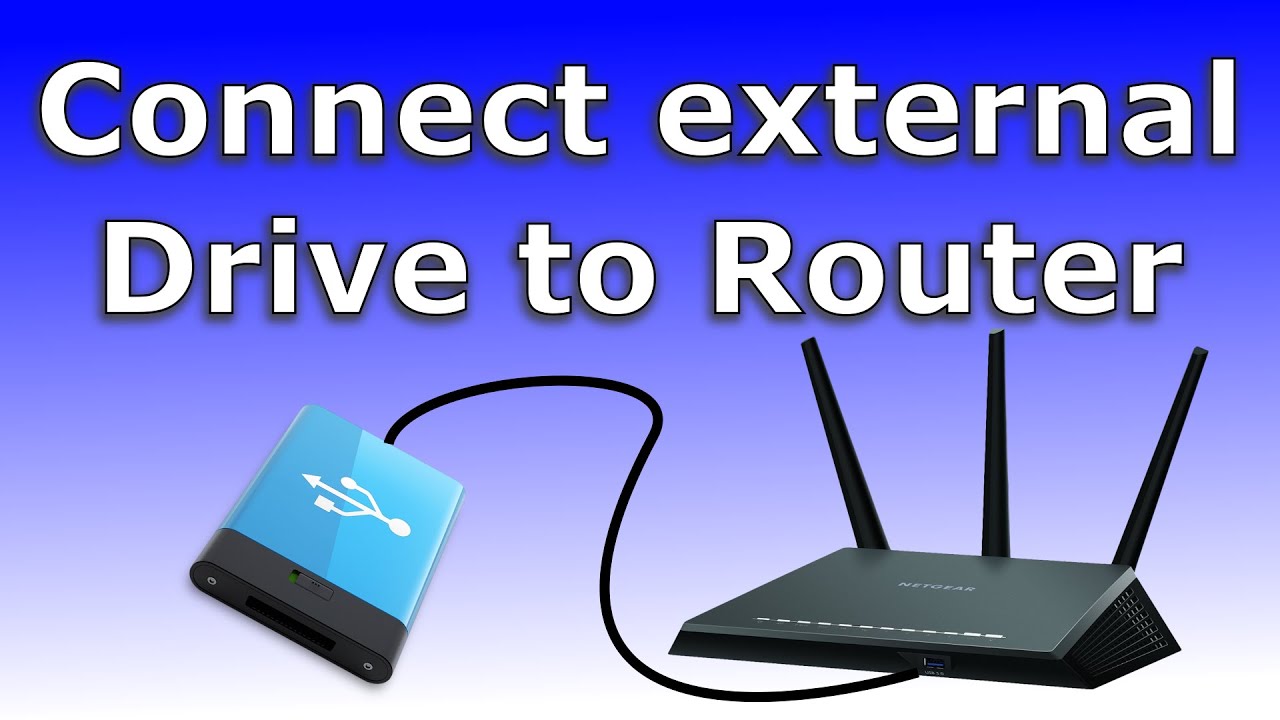
Even though a drive cannot record directly, connecting one is still useful for expanding storage. To do this, power off your Firestick first. Locate the USB port on the device, which is typically on the side or back depending on the model. Use an OTG (On-The-Go) cable to connect the external hard drive to the Firestick, because the Firestick’s micro-USB port does not accept standard USB drives without an adapter. After the cable is secure, power the Firestick back on. To verify the drive is recognized, go to Settings, then My Fire TV, and select USB Drive. If the hard drive appears there, it is ready for app installation and media playback.
Formatting the external hard drive
Before using the drive for expanded storage, you must format it so the Firestick can read it correctly. Formatting erases all existing data on the drive, so back up any important files beforehand. Navigate to Settings, then Storage and Reset, and select Format USB storage. A warning will appear explaining that all data will be deleted. Confirm the action and wait for the process to finish. Once complete, the drive is optimized for Firestick use, and you can install apps or play media from it. Note that this formatting step does not enable recording; it only prepares the drive for general storage purposes.
Recording Firestick content using an HDMI capture device
To actually record from your Firestick, you need an HDMI capture device. Start by connecting the Firestick’s HDMI output to the capture device’s input. Then connect the capture device’s output to your TV, so you can still watch what is playing. Next, connect the capture device to a computer or a standalone recorder via USB or HDMI, depending on the hardware. Open your recording software on the computer, or set the standalone recorder to its input mode. Begin playing the content on the Firestick, and start the recording on the capture device. The video will be saved to the computer’s hard drive or the standalone recorder’s internal storage. After the recording ends, you can move the file to your external hard drive for safekeeping or later viewing.
Managing your recordings and external storage
Once you have captured files on a computer or standalone recorder, transferring them to your external hard drive is straightforward. Connect the drive to the device that holds the recordings, copy the files over, and organize them into folders by show name, date, or category. This keeps your library tidy and makes it easy to find specific episodes. For backups, consider copying important recordings to a second drive or cloud storage to protect against hardware failure. You can also delete old recordings from the drive to free space for new captures. Remember that the Firestick itself offers no built-in file manager for recordings, so all organization happens on the device that recorded the content. If you use a DVR as your source, the process is similar to how you transfer recorded shows from DIRECTV dvr to external hard drive, and you can also transfer dvr recordings to external hard drive from other set-top boxes to consolidate your library. This workflow gives you full control over your saved shows and ensures your external drive remains a reliable archive.
For the wider topic, see recording TV shows and moving recordings.