What a Firestick actually does and how to use it
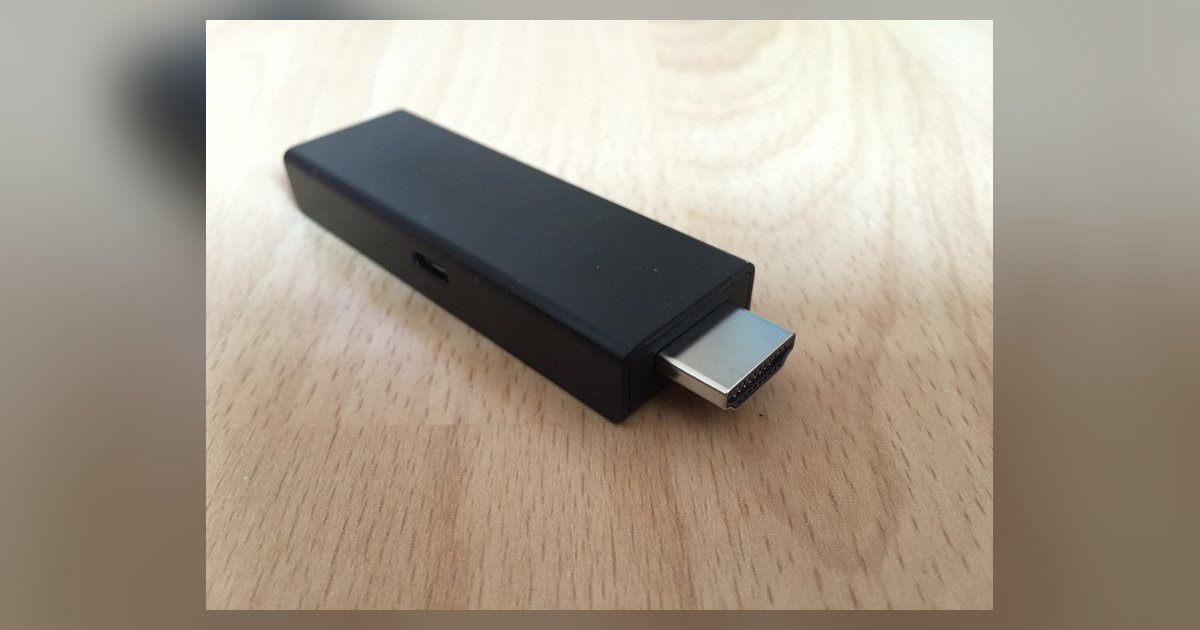
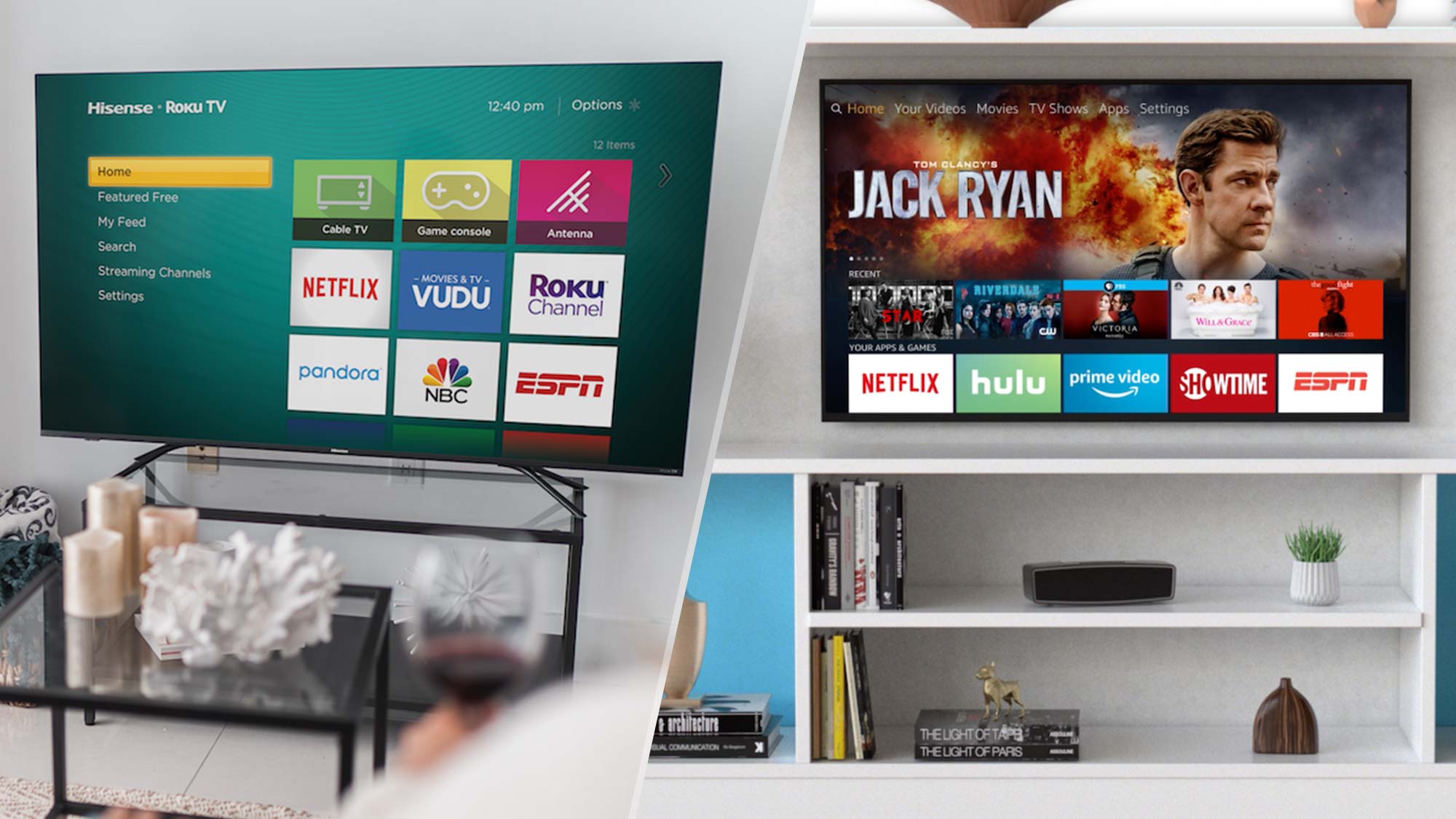
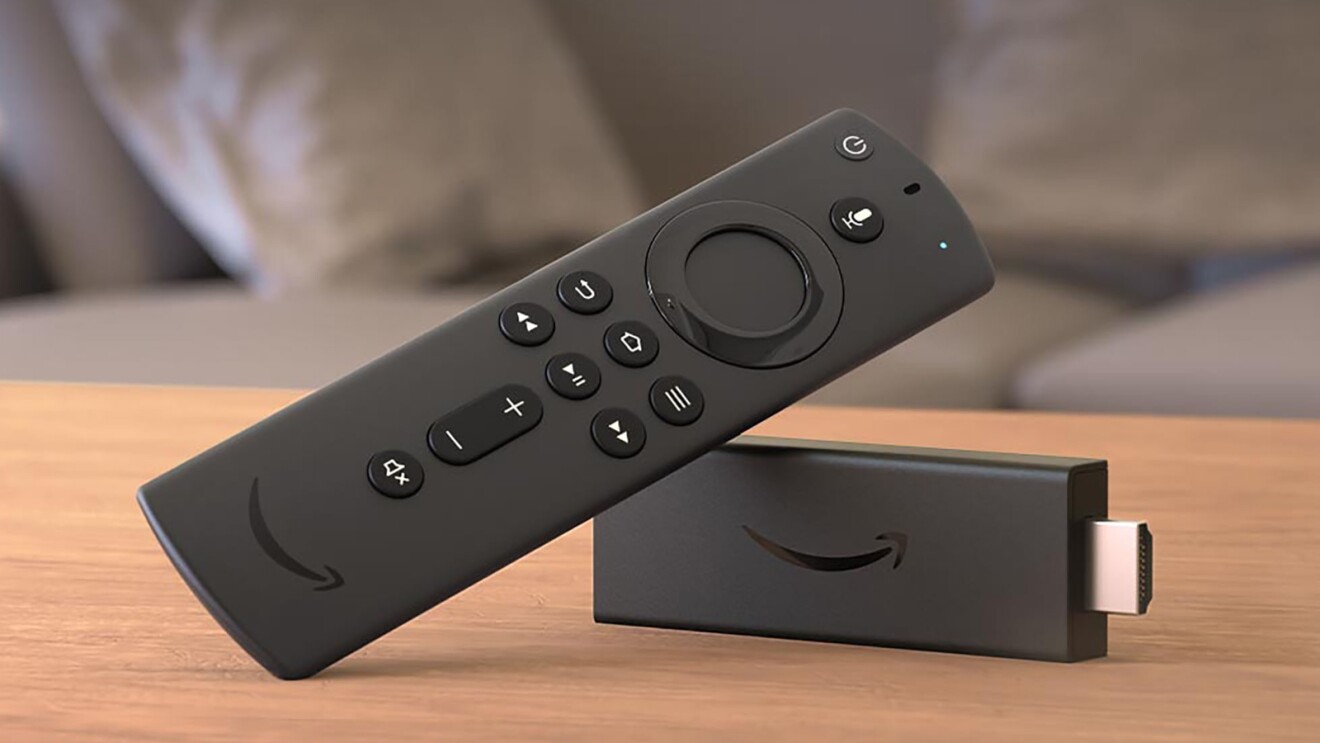
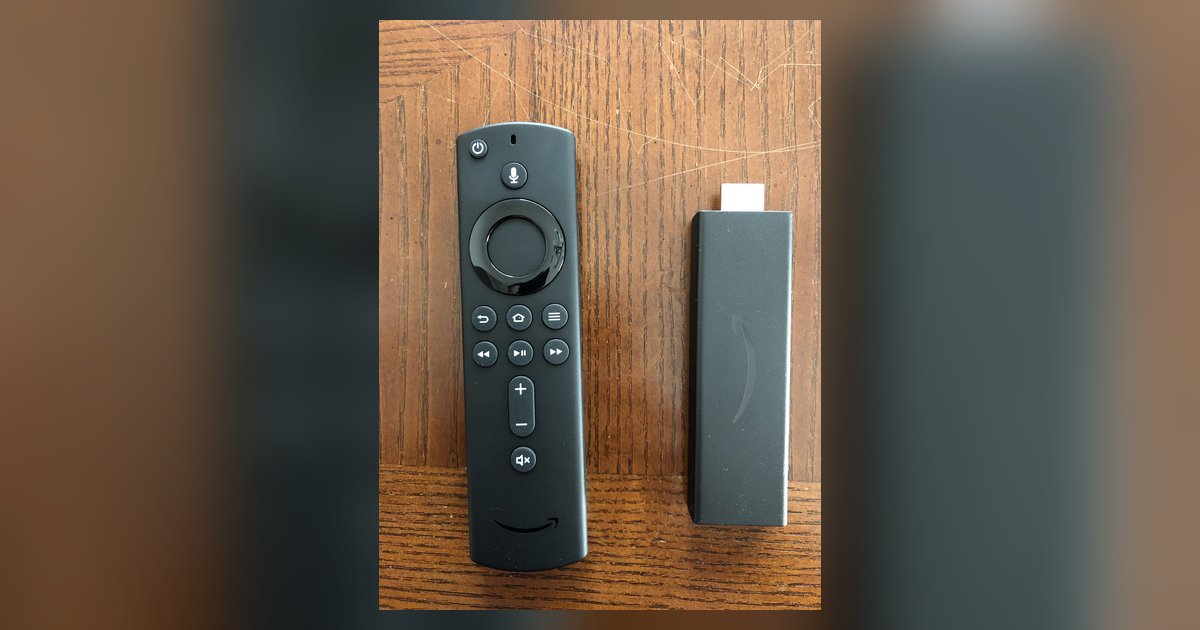
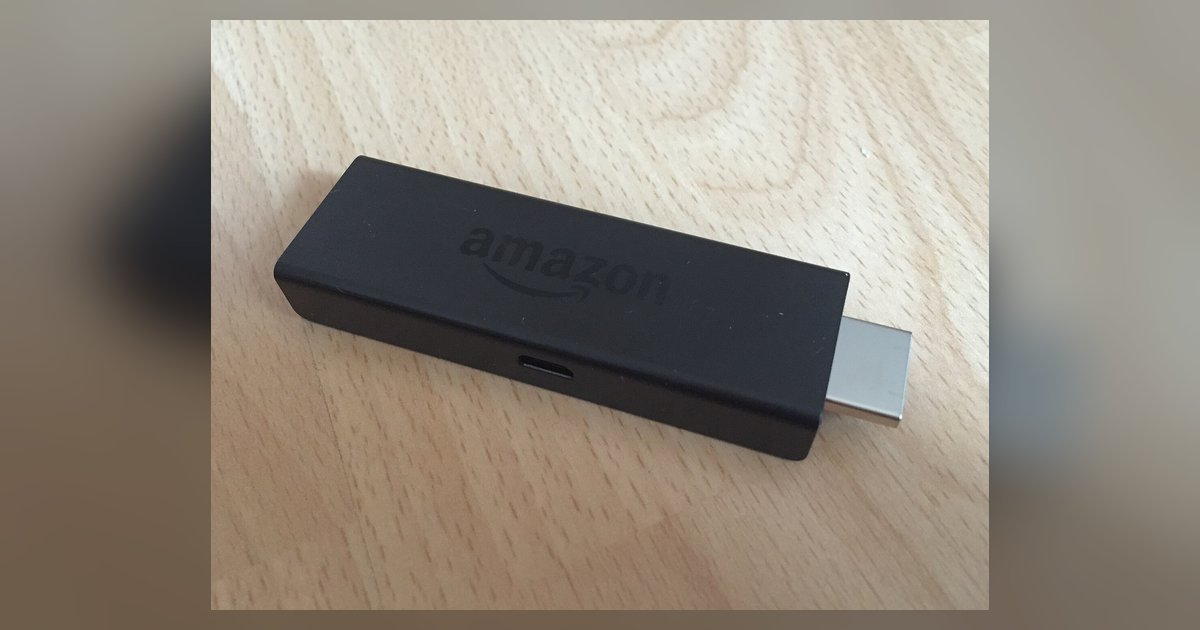
If you want to learn how to use a Firestick, it helps to understand that it's essentially a small computer that plugs into your TV's HDMI port. It turns any screen into a streaming device. Before you buy, it helps to understand the difference between Fire TV and smart TV. A smart TV has its own operating system built in. A Firestick brings its own interface and remote to any HDMI-capable display. Using a Firestick on a non-smart TV works perfectly because the stick handles everything. It manages apps, menus, and streaming. Even an older “dumb” TV gains full access to Netflix, Prime Video, and more. Conversely, using a Firestick on a smart TV can be redundant if your TV already has those apps. Many people prefer the stick’s faster processor or different app library. There is also a common worry about a Firestick damaging an older TV, but that is extremely rare. The stick draws power from its own USB adapter, not the TV's HDMI port. Electrical damage is therefore unlikely. However, HDMI-CEC conflicts can occur. Your TV remote may fight with the stick's remote for control. Also keep in mind that the Firestick can run sideloaded apps like Live Net TV. Those apps won't show up on your home screen without a separate launcher. The stick does not magically upgrade your TV's smart features. It just overlays its own system. This streaming stick lets you sideload a fully independent app store without a computer.
Plugging in and connecting to displays
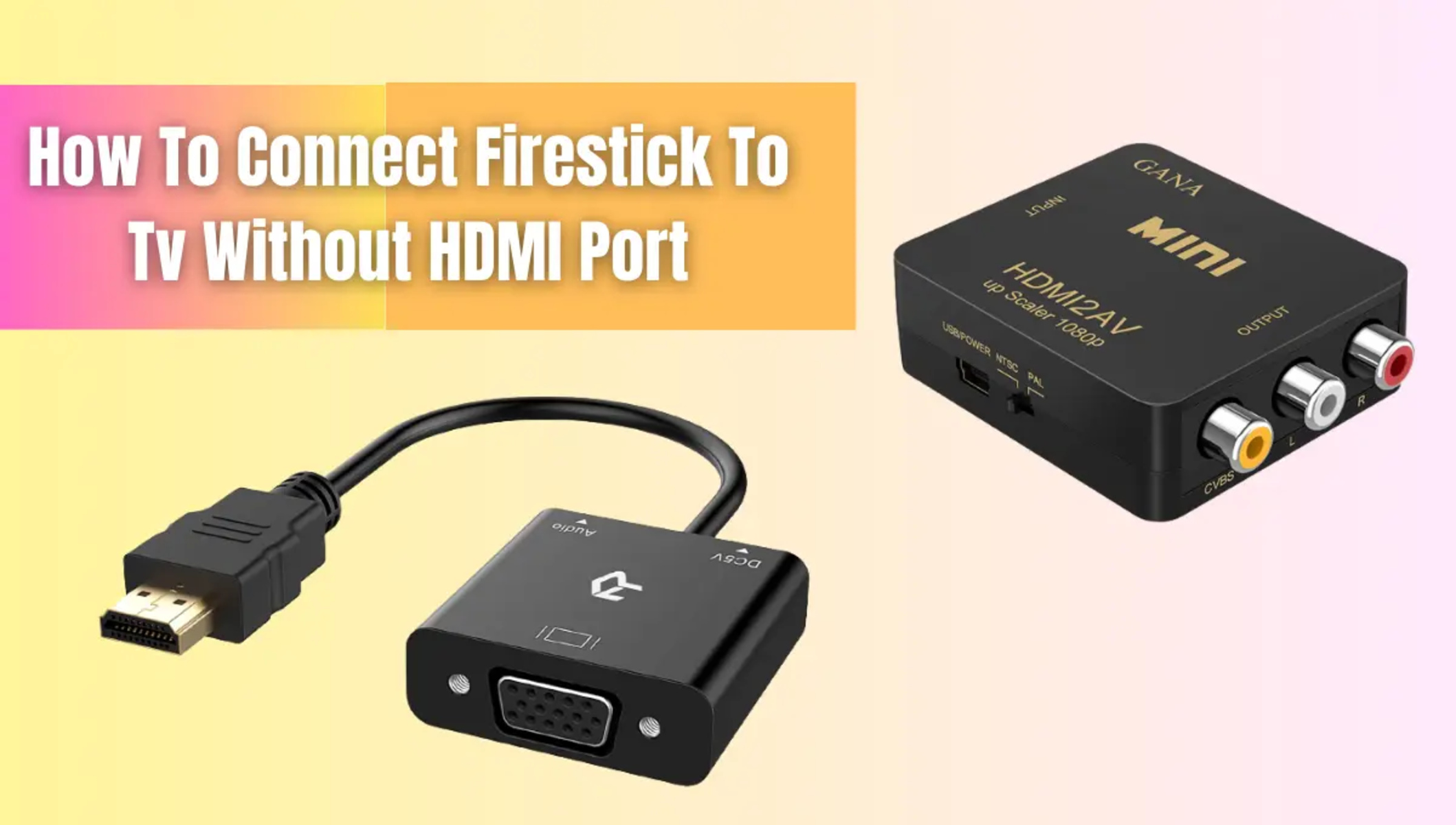
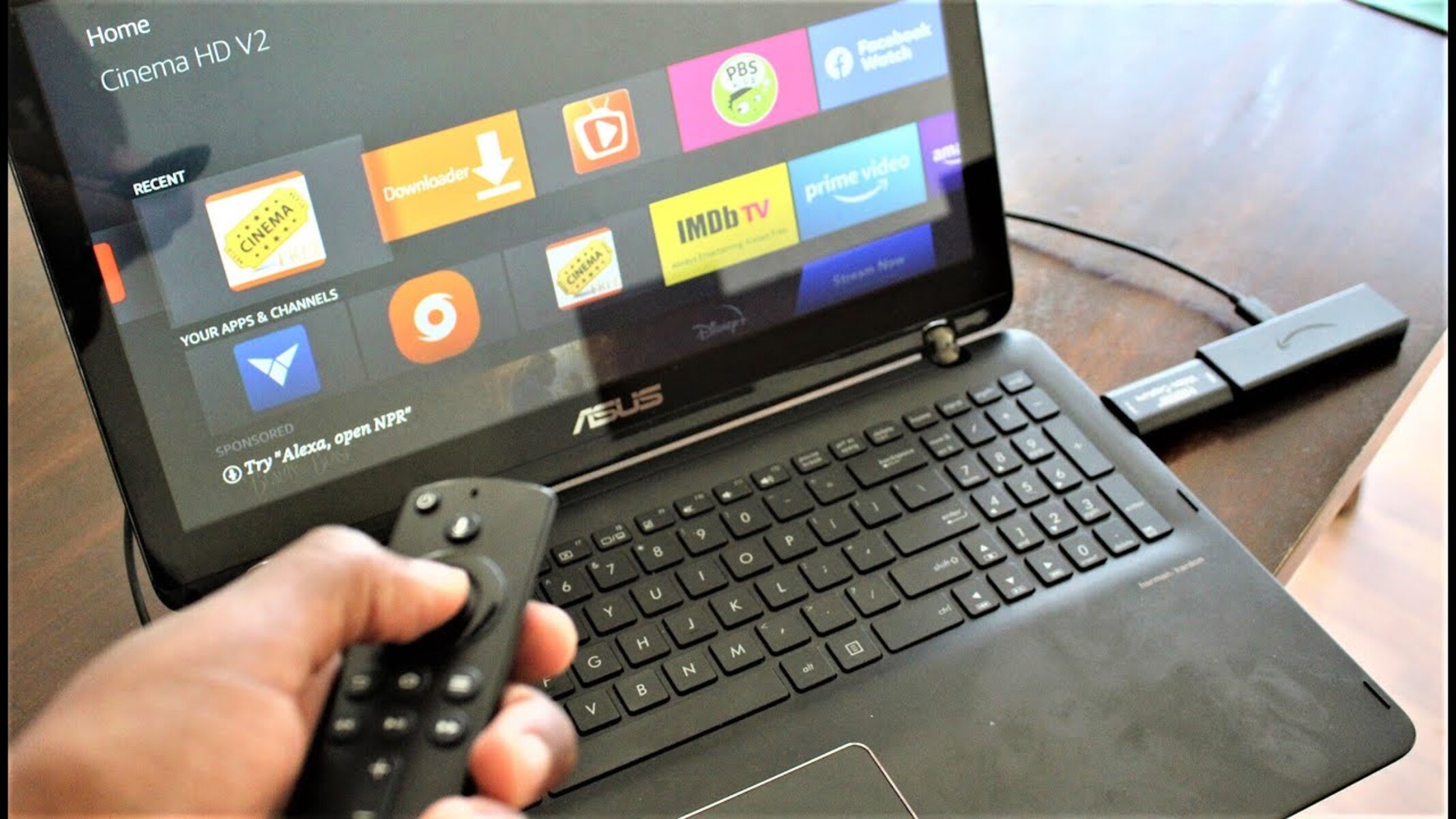
Pull the Firestick out of the box and plug it into your TV's USB port for power, or use the included power adapter with a wall outlet if your TV lacks a powered USB port, then connect the other end to the stick's micro USB port. Insert the Firestick into an open HDMI port on your TV. If you need to connect my Firestick to my laptop with HDMI, you cannot do it directly because a laptop's HDMI port is output-only; however, using a USB HDMI capture card will let you view your Firestick on your laptop screen, which is useful if your TV is unavailable. For older TVs, you can connect Amazon Fire Stick to TV without HDMI by using an HDMI-to-composite or HDMI-to-RCA adapter, a solution that breathes new life into legacy displays. You will lose video quality and may need a separate audio breakout. To connect my Fire Stick to my Samsung smart TV, simply plug into any available HDMI port, this ensures you get the best compatibility with Samsung’s picture settings. Samsung’s One Connect box works the same way as a standard port. For audio, you can connect a Fire Stick to a surround sound system by routing HDMI through an AVR or using the TV’s optical output if the receiver lacks HDMI, giving you immersive sound for movies and games. If you own a newer box, you can connect Fire TV cube to an av receiver directly through the cube’s HDMI output, which passes both video and audio for a clean, single-cable setup. Similarly, you can connect Fire TV to my av receiver using an HDMI cable from the stick into the receiver’s input, then another cable from the receiver’s output to the TV, which lets the receiver handle all audio decoding. Always power the stick before inserting it into the display to avoid HDMI handshake issues. This specific sequence prevents the black screen that occurs when the port does not supply enough current during the initial handshake.
- connect a Fire Stick to a surround sound system — How To Connect A Fire Stick To A Surround Sound System
- connect Amazon Fire Stick to TV without HDMI — How To Connect Amazon Fire Stick To TV Without HDMI
- connect my Fire Stick to my Samsung smart TV — How Do I Connect My Fire Stick To My Samsung Smart TV
- connect my Firestick to my laptop with HDMI — How Do I Connect My Firestick To My Laptop With HDMI
- connect Fire TV cube to an av receiver — How To Connect Fire TV Cube To An AV Receiver
- connect Fire TV to my av receiver — How To Connect Fire TV To My AV Receiver
Enabling sideloading and installing apps
To begin sideloading, you first need to toggle a single setting that will allow Firestick to download from unknown sources. Open the Settings gear. Go to My Fire TV > Developer Options. Turn on Apps from Unknown Sources. If you don't see Developer Options, go to About, highlight your device's name (e.g., 'Fire TV Stick 4K'), and press the Select (center) button on your remote seven times until the menu appears. Once that's done, install the Downloader app from the Amazon Appstore. It functions as a basic file browser and browser combined. Launch Downloader and type in the direct URL for an APK file. The Firestick will download and prompt you to install it. Remember that sideloaded apps often won't show on your home screen. You can find them in Your Apps & Channels or under Settings > Applications > Manage Installed Applications. You can also install a separate launcher like Wolf Launcher to keep everything organized.
After you have sideloading enabled, you can find APK files for many popular streaming tools by searching online for their official download links. You will encounter a set of similar guides. Each focuses on a different app but follows the same install steps. These cover how to download Google Play on Firestick, how to download Live Net TV on Firestick, how to download Supersonic Streams on Firestick, how to download Gamma IPTV on Firestick, and several others. The choice between them comes down to what content you want. For niche live channels, you would want to download rare breed TV on Firestick; for managing IPTV subscriptions with a player, you would want to download iptv smarters on Firestick; for curated on-demand programming, you would want to download clear choice on Firestick; and for a wide library of movies and shows, you would want to download film plus on Firestick. Live TV channels, on-demand movies, or IPTV playlists are all available. Pick the one that matches how you plan to use the device.
Fixing performance and remote problems
After sideloading apps, the most common frustration is a sudden slowdown. To fix buffering or constant lag on a sideloaded Firestick app, start by clearing the app’s cache. You will find this under Settings > Applications > Manage Installed Applications. A bloated cache is often the culprit, not your internet speed. If the whole system feels sluggish, you may need to free storage space on a Firestick. Uninstall apps you no longer use. You can also consider offloading media files if your setup supports external storage. Firesticks have very limited internal memory. Running low will throttle performance across the board.
Remote issues can feel unrelated to sideloading. They often surface after a power cycle or when the stick overheats. If you see your Firestick remote not pairing, hold the Home button for ten seconds. This forces a re-pair sequence. You can also remove and reinsert the batteries. For volume control problems, check your TV's HDMI-CEC settings and ensure they are enabled, as the stick may rely on this for volume commands. A quick restart from the device settings will also clear temporary glitches. If buffering persists even after cache cleanup, switch your Wi-Fi to the 5 GHz band if your router supports it. The 2.4 GHz networks are prone to interference that perfectly mimics a memory issue.
Unlike generic streaming guides, we always test sideloaded apps on the specific Fire OS version you are actually running, not a factory-fresh device.