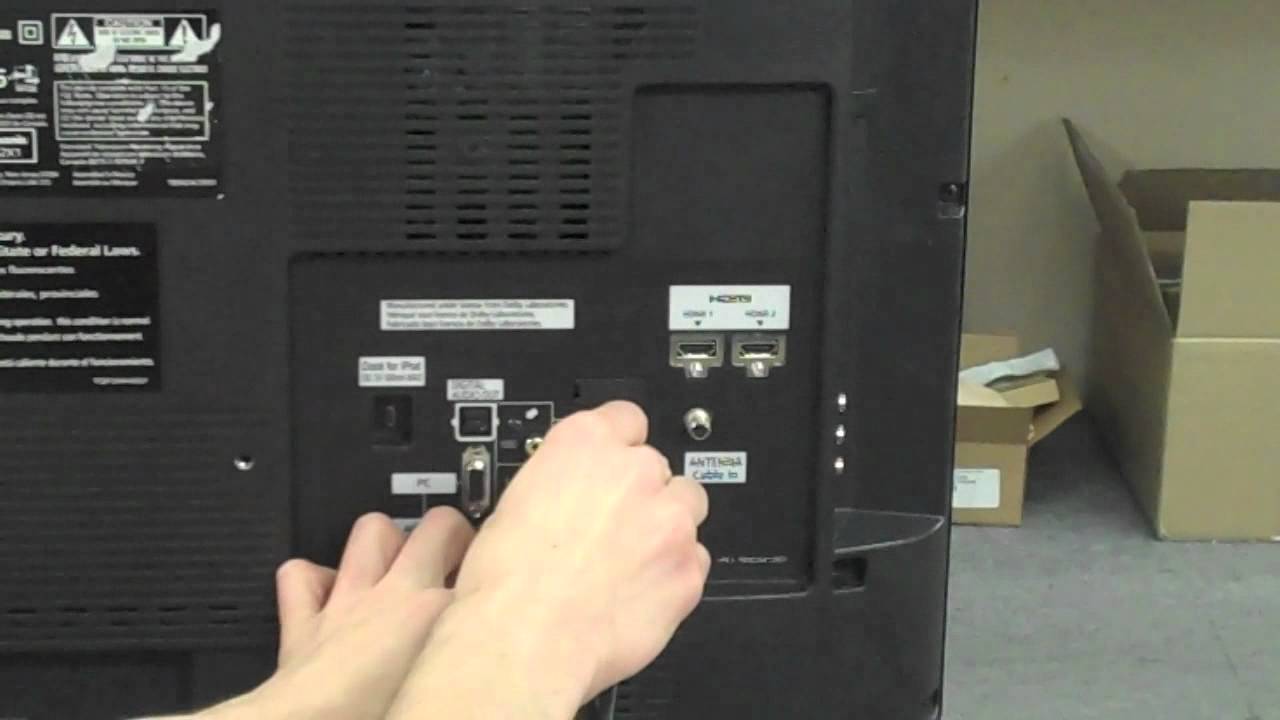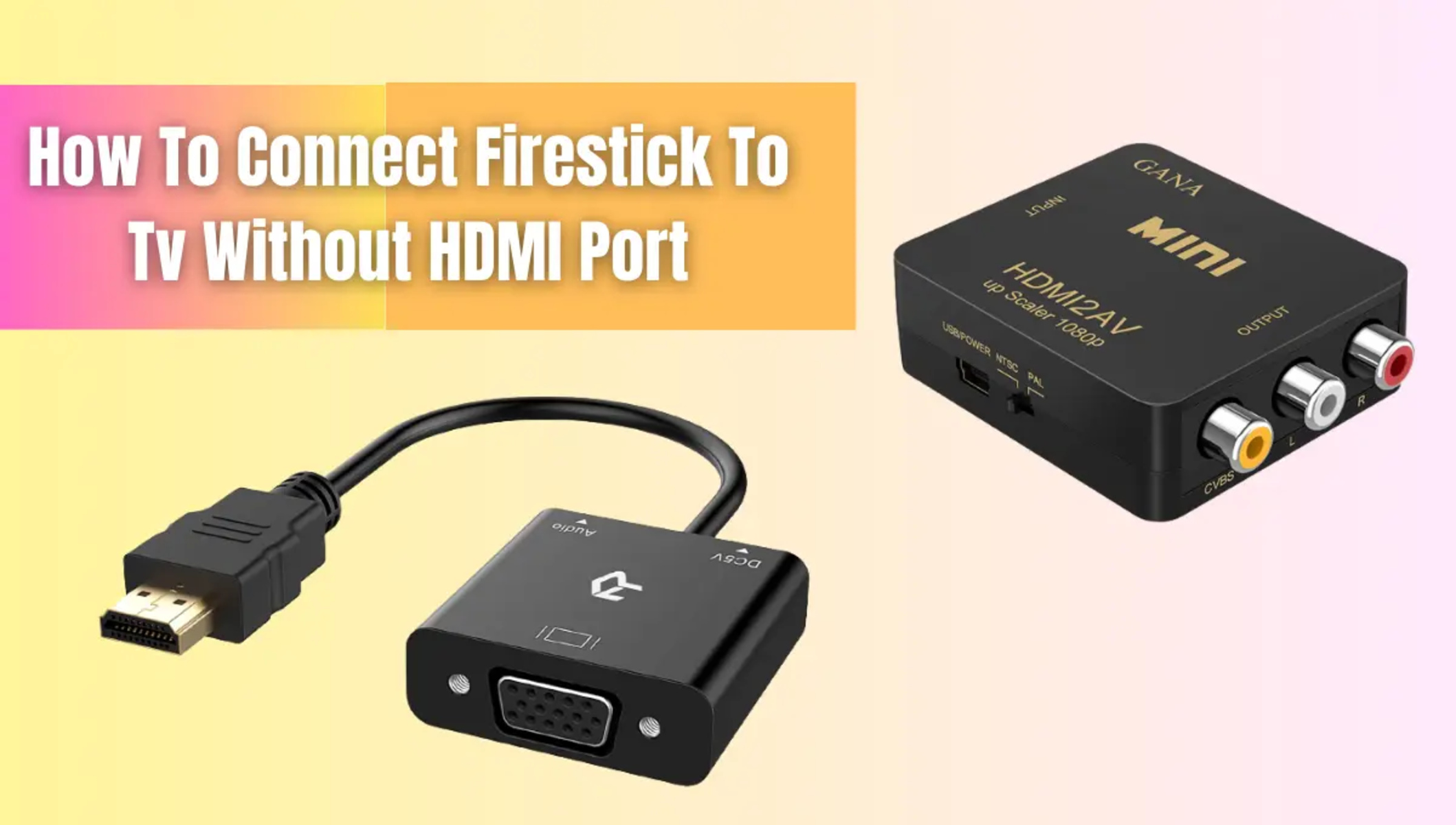
To connect a Fire Stick to a TV without HDMI, you need an active HDMI converter that matches your TV’s available input, RCA, DVI, VGA, or AV, plus the Fire Stick’s own power supply. If your TV does have an HDMI port, you can simply connect my Fire Stick to my Samsung smart TV directly without extra adapters. The Fire Stick is designed to output video and audio through HDMI, so any non-HDMI setup requires a converter to translate that signal, and you’ll also need to power the stick separately via its included USB cable and wall adapter.
What you need to connect a Fire Stick to a TV without HDMI
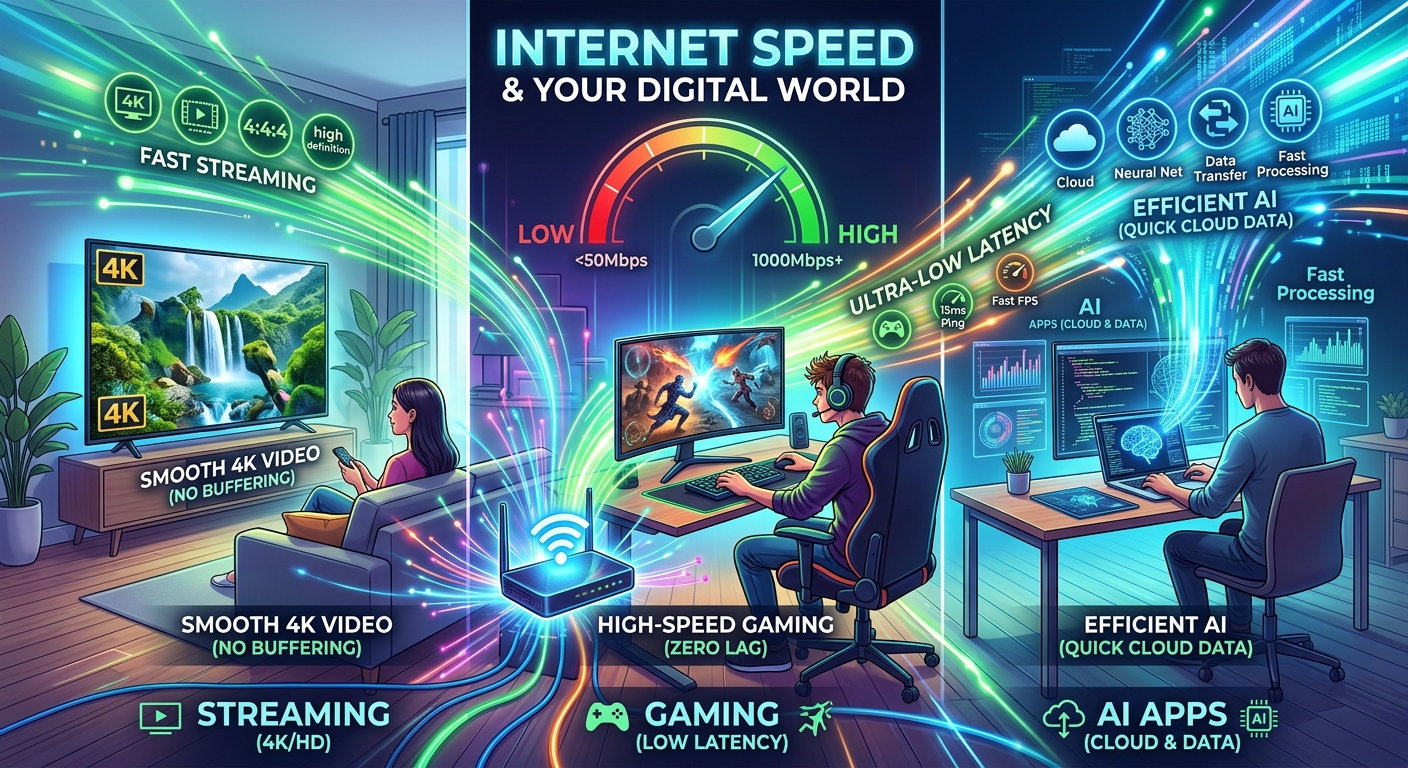
Every Fire Stick model outputs video and audio exclusively through an HDMI port. When your TV lacks that port, an active converter (not a passive cable) is mandatory to change the HDMI signal into something your display accepts. The converter must be powered, usually via a USB cable or its own adapter, because translating digital HDMI to analog formats like RCA or VGA requires extra circuitry. You’ll also plug the Fire Stick’s USB power cable into the included wall adapter and then into a nearby outlet, just as you would with an HDMI TV. A stable Wi-Fi connection is essential, with recommended speeds of at least 4 Mbps for standard definition and 15-25 Mbps for HD or 4K playback. Realistic expectations matter: composite (RCA) and AV connections cap out at standard definition, and VGA is analog, so you won’t get crisp HD quality. Additionally, HDCP (High-bandwidth Digital Content Protection) may block some streaming apps over non-HDMI connections, so playback of certain protected content might fail even with the converter. If your audio setup also needs an upgrade, you can connect a Fire Stick to a surround sound system to get room-filling sound even when your video connection is limited.
Connect using an HDMI to RCA (composite) converter
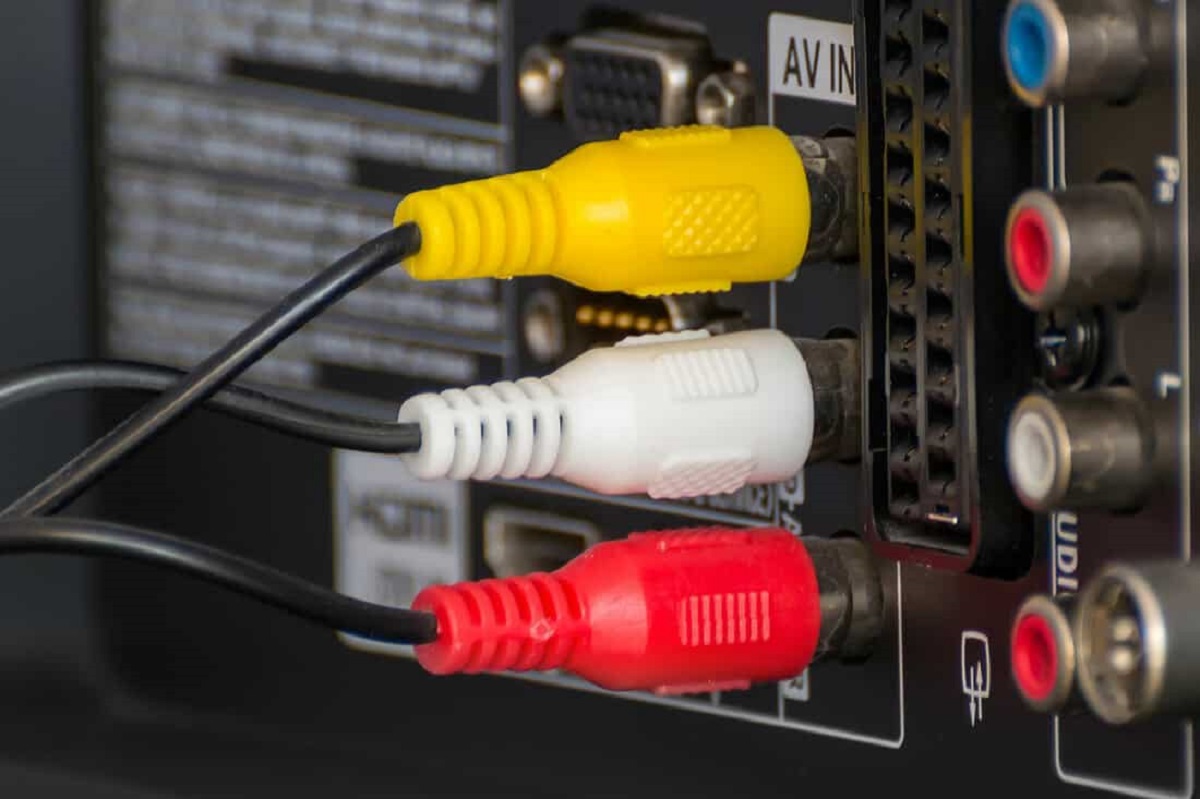
This is the most common solution for older TVs with yellow, red, and white RCA jacks. An HDMI to RCA converter (sometimes called an HDMI to AV converter) handles the signal translation, and it’s the same method whether your TV labels the input “AV,” “Composite,” or “RCA.”
- Plug the Fire Stick directly into the HDMI port on the converter.
- Connect the RCA cables (yellow for video, red and white for stereo audio) from the converter’s output to the matching RCA inputs on your TV.
- Connect the converter’s power cable (USB or adapter) to a power source, then plug the Fire Stick’s USB power cable into its wall adapter and into an outlet.
- Turn on your TV and select the input/source where you connected the RCA cables (often labeled “AV” or “Composite”).
- Wait for the Fire Stick home screen to appear.
Because RCA carries only standard definition, expect softer picture quality than HDMI. The converter’s separate power source is not optional, without it, you’ll get no signal. This method is ideal for older CRT TVs or budget LCDs that only have composite inputs.
Connect using an HDMI to DVI converter
If your TV has a DVI (Digital Visual Interface) port, common on many early flat-panel HDTVs and computer monitors, you’ll need an HDMI to DVI converter. DVI carries only video, so you must handle audio separately.
- Plug the Fire Stick into the HDMI port on the converter.
- Connect a DVI cable from the converter’s DVI output to the DVI input on your TV.
- Connect an audio cable from the Fire Stick’s 3.5mm headphone jack (or digital audio output) to an external speaker, soundbar, or your TV’s audio input if it has one.
- Power the converter if it requires it (some are passive, but active ones need USB power), then plug in the Fire Stick’s power adapter.
- Turn on your TV and select the DVI input.
DVI does not support audio, so the separate audio cable is mandatory. Also, DVI often lacks HDCP support, which means streaming apps like Netflix or Prime Video may show an error or refuse to play protected content. This method works best for video-only viewing on a monitor or older HDTV with DVI and a separate audio input.
Connect using an HDMI to VGA adapter
VGA inputs are found on many older monitors, projectors, and some budget TVs. An HDMI to VGA adapter converts the digital HDMI signal to analog VGA, which requires both the adapter and a separate audio connection.
- Plug the Fire Stick into the HDMI port on the adapter.
- Connect a VGA cable from the adapter’s VGA output to the VGA input on your TV or monitor.
- Connect an audio cable from the Fire Stick’s 3.5mm headphone jack to external speakers or a display with a 3.5mm audio input.
- Power the adapter (most HDMI to VGA adapters are active and need USB power), then plug in the Fire Stick’s power adapter.
- Turn on the display and select the VGA input.
VGA is analog, so the conversion from digital HDMI introduces a slight loss of sharpness, and you’ll need to manage audio separately because VGA carries no sound. This is a practical option for connecting to a computer monitor or an older projector, but HDCP issues can still prevent some apps from working.
Troubleshooting your connection
If you see no signal after connecting everything, first confirm the converter is powered, many converters have an LED indicator. Check that the Fire Stick’s power adapter is plugged into a wall outlet, not a TV’s USB port, because the TV may not supply enough power. Verify the TV is on the correct input/source (e.g., “AV,” “DVI,” or “VGA”) and not an unused HDMI port. If you get video but no audio on DVI or VGA setups, double-check the separate audio cable is connected to the Fire Stick’s headphone jack and to your speakers or TV’s audio input. For HDCP errors, try a different streaming app or switch to a converter that explicitly supports HDCP passthrough, though on RCA and VGA, HDCP is often unsupported entirely, so some content will never play. If the Fire Stick interface appears but is flickering or distorted, reseat all cables and ensure the converter’s power is stable. When setting up a Firestick on a legacy TV, patience with input selection and power sequencing usually resolves most issues.