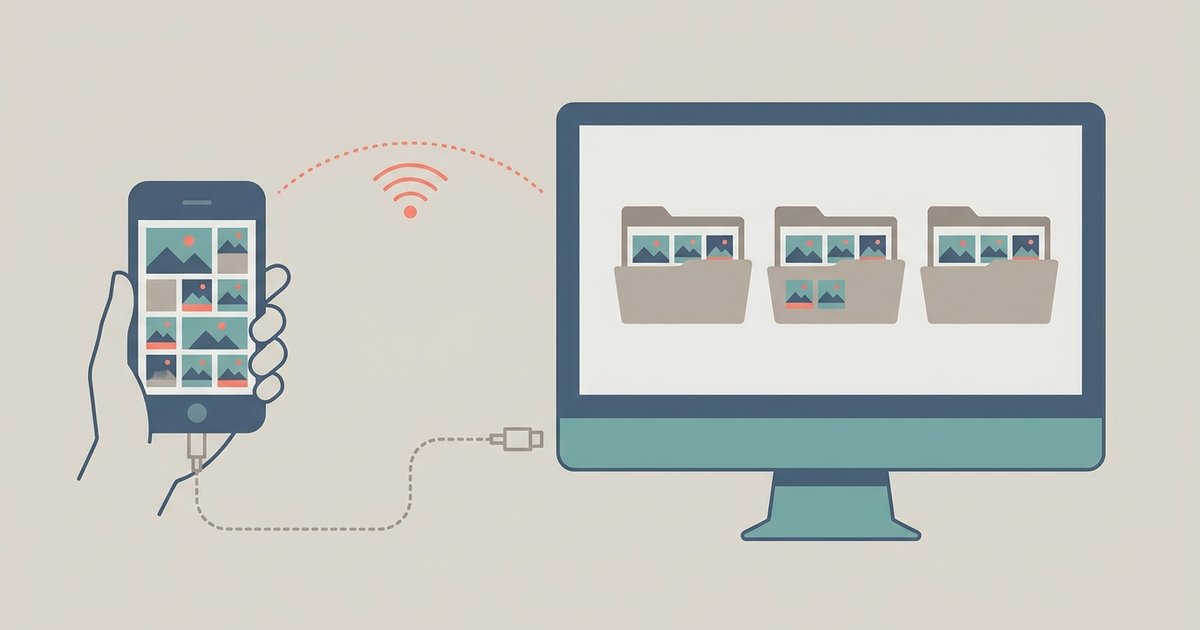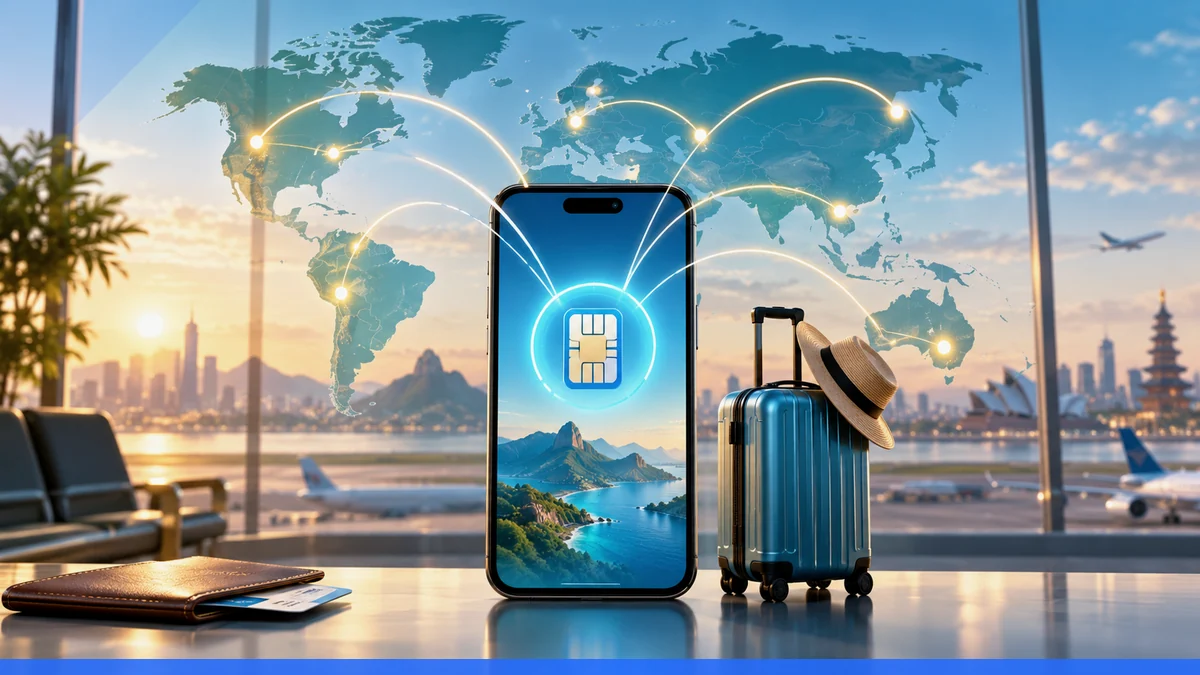
To download pictures from phone to computer, you need to connect your phone directly, not your SIM card, because photos are stored on the phone’s internal memory or SD card, not on the SIM. If you are specifically extracting photos from SIM card storage, that process addresses a different, much older phone type. For modern iPhones, you can also move images without any cellular hardware by transferring photos from iPhone without SIM card. This guide shows you the correct methods to transfer your photos using a USB cable or a wireless cloud service.
The truth about downloading pictures from a SIM card to a computer
Many people search for how to download pictures from a SIM card, but the reality is that modern smartphones do not store photos on the SIM card. SIM cards are designed to hold your subscriber identity and contacts, not image files. When you take a picture with your phone, it is saved to the phone’s internal storage or an external SD card. If you want to transfer those photos to your computer, you need to access the phone’s storage directly. The steps below will help you do exactly that, whether you use an Android or iPhone.
Connect your phone to the computer with a USB cable
The most reliable method to transfer photos is a physical USB connection. This gives you a direct, fast link between your phone and computer without relying on Wi-Fi or data.
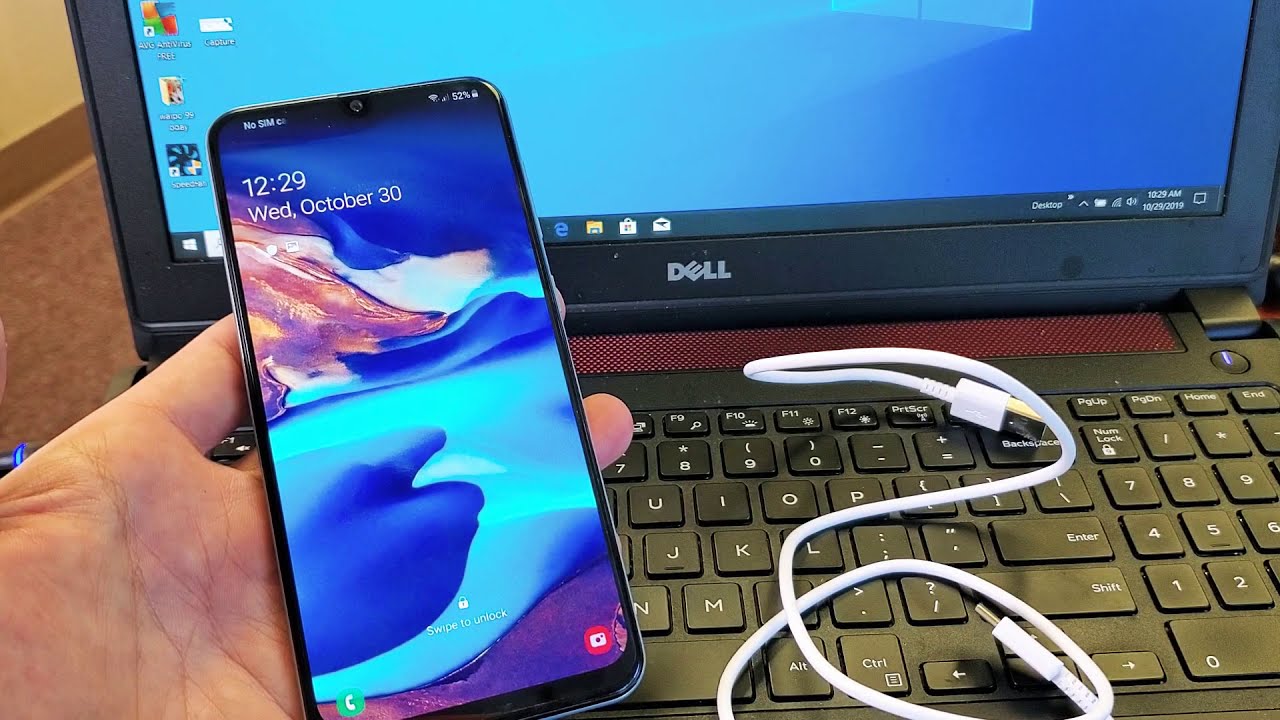
- Unlock your phone and use a USB cable to connect it to your computer.
- On an Android phone, pull down the notification shade and tap the USB notification. Change the setting from “Charging this device via USB” to “File transfer” or “MTP (Media Transfer Protocol)”.
- For an iPhone, connect the cable and unlock the phone. If prompted, tap “Trust This Computer” on the iPhone screen.
Your computer will now recognize the phone as a storage device.
Import photos using the Windows Photos app or File Explorer
Once connected, you have two easy ways to copy your pictures to your computer. The built-in Windows Photos app offers a simple import tool, while File Explorer gives you manual control over which files to copy.
- Open the Windows Photos app on your PC. Click the “Import” button in the top-right corner and select your connected phone from the list. The app will scan for new photos and let you choose which ones to save.
- Alternatively, open File Explorer. Under “This PC,” find your phone listed as a device. Double-click it, then navigate to “Internal Storage” > “DCIM.” The DCIM folder contains your camera photos. Select the pictures you want, right-click, and choose “Copy.” Then paste them into a folder on your computer.
Using the Photos app’s import function saves you time by automatically organizing the files, while File Explorer gives you full control over file selection and folder placement.
Transfer photos from an iPhone to a Windows computer
iPhone users need an extra step because Windows does not natively support Apple’s photo format. Installing the Apple Devices app bridges this gap.
- Download and install the Apple Devices app from the Microsoft Store on your Windows PC.
- Connect your iPhone with a USB cable, unlock it, and tap “Trust This Computer” when the prompt appears on the phone.
- Open the Apple Devices app. Your iPhone will appear in the sidebar. Select it, then click the “Photos” tab. You can choose to import all new photos or select specific ones, then click “Import.”
After importing, your photos will be available in the folder you selected within the app.
Use cloud services as a wireless alternative
If you prefer not to use a cable, cloud services let you back up your photos automatically and download them to any computer. Google Photos works for both Android and iPhone, while iCloud is built for Apple devices. This cable-free option is ideal for keeping your photos safe without needing to plug in.
- On your phone, install Google Photos (Android or iPhone) or ensure iCloud Photos is enabled in your iPhone’s Settings.
- Allow the app to back up your photos. Once the backup is complete, open a web browser on your computer.
- Go to photos.google.com for Google Photos, or use iCloud for Windows (download from Apple’s site) for iCloud. Sign in with the same account used on your phone.
- Select the photos you want, then choose the “Download” option to save them to your computer.
Organize your transferred pictures
After moving your photos, take a few minutes to organize them. This keeps your collection manageable and makes it easy to find specific images later.
- Create a dedicated folder on your computer, such as “Phone Photos 2025,” and move all transferred pictures into it.
- Consider creating subfolders by date, event, or subject (e.g., “Vacation” or “Family”).
- Rename files with descriptive names if the original filenames are generic numbers.
- Back up the organized folder to an external drive or another cloud service to protect against data loss.
Regularly organizing your photos as you transfer them prevents clutter and ensures your memories are safely stored.
\nRelated reading: How To Transfer Photos From Tablet To Computer.