To download mods from Mod.io, you have two main paths: grab a ZIP file manually and drop it into your game’s folder, or use the built-in Mod.io API that some games support, which auto-installs after you click Subscribe. The manual method works for nearly every game on the platform, while the API method is faster when a game has native integration, so pick based on what your game supports.
How to download mods from Mod.io step by step
The process splits cleanly into two routes. For most games, you’ll download a compressed archive from the Mod.io website, extract it, and place the contents into your game’s mod directory. For a smaller set of games, like those with Mod.io’s SDK built in, you just subscribe on the site, and the game handles the rest automatically. Both methods start at the same place: finding the mod you want.
Step 1: Find your mod on the site
Open Mod.io and use the search bar at the top of the page. Type the exact name of the game you’re modding, not a partial name or abbreviation, and press Enter. Click on any mod’s title or thumbnail to open its dedicated page, where you’ll see the description, file size, last update date, and any dependencies or required game versions listed by the creator.
Ignore the trending or featured sections on the homepage; they mix mods from many games and won’t help you narrow down what works for your title. Stick to the search results filtered by your game’s name, and check the mod’s compatibility notes before downloading.
Step 2: Download the mod file (manual method)
On the mod’s page, look for the download button near the top or in the sidebar. Click it, and the site will start fetching the mod file, usually a ZIP or RAR archive. You must be logged into your Mod.io account to trigger the download; if you’re not signed in, you’ll be prompted to log in first. The file will land in your browser’s default download folder unless you’ve changed that setting.
This manual method is the most common scenario because it works regardless of whether the game has native Mod.io support. You’re getting the raw mod files, so you have full control over where they go and how they’re installed.
Installing directly via in-game menus (API method)
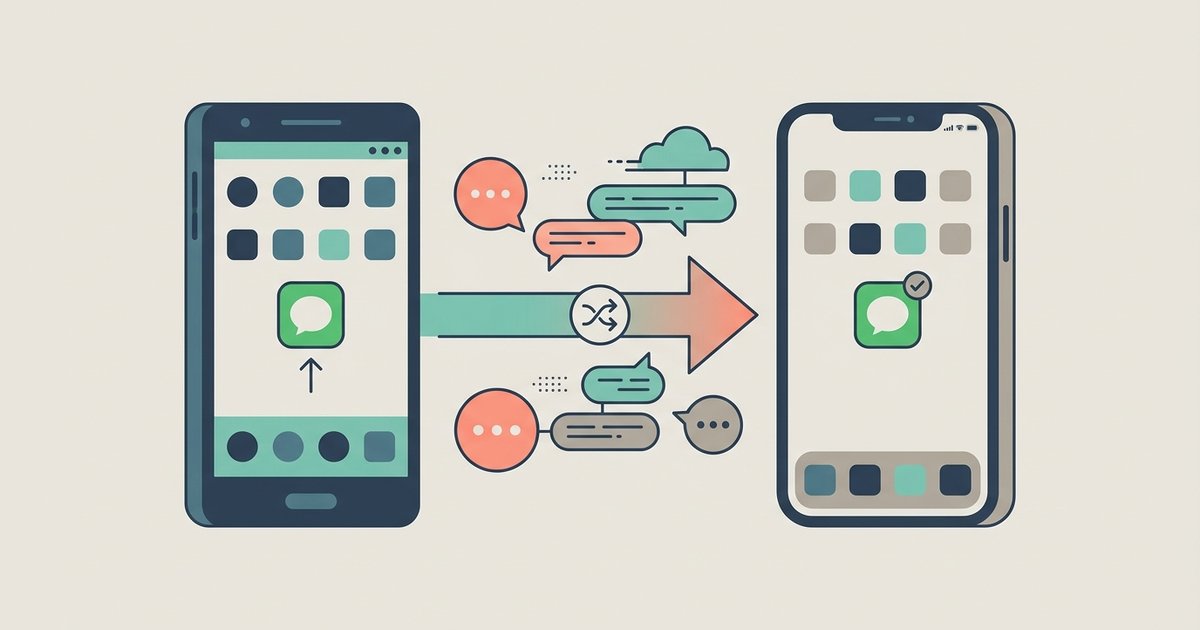
Some games, like Deep Rock Galactic, have Mod.io’s API baked directly into their main menu. In those cases, you don’t touch any files manually. Instead, browse or search for mods on the Mod.io website, click Subscribe on the mod’s page, and the game will automatically download and install it the next time you launch. This is a very different process from setting up java edition mods on PC, where you need to manually place files into the game directory. No extraction, no folder hunting, no file dragging, the game’s built-in mod manager handles everything.
To use this method, your game must explicitly list Mod.io as a supported mod platform, usually visible on the game’s official page or in its settings menu. If your game doesn’t show a Mods or Mod.io option in its menus, fall back to the manual ZIP method.
Step 3: Extract and place the mod files
Once the ZIP or RAR file is downloaded, you need to extract it. This will create a new folder containing the mod’s files, which might include .pak files, .dll files, scripts, or other assets depending on the game.
Next, find the target game’s local mod folder. This location varies by game, but common spots include the game’s installation directory (e.g., where the .exe file is), a “Mods” folder inside the game’s root folder, or a “Workshop” or “Modding” subfolder. If you’re unsure, check the mod’s page on Mod.io, creators often list the exact install path in the description or a readme file included in the archive.
Open the extracted folder and copy its contents, not the folder itself unless the mod creator says otherwise, into the game’s mod directory. A common pitfall is placing the files one level too deep, so the game can’t find them. The mod’s files should sit directly in the mod folder, not inside a nested subfolder that duplicates the archive’s name.
Step 4: Activate the mod and start playing
Launch the game and navigate to its mod manager or settings menu. Look for an option labeled Mods, Mod Manager, or Load Order. You’ll see a list of installed mods, find the one you just added and enable it by checking the box or toggling the switch next to its name. Some games require you to restart after enabling a mod for it to take effect; if the game doesn’t automatically reload mods, quit and relaunch it.
Once the game restarts, verify the mod is working. If it adds new items, check the in-game inventory or crafting menu. If it changes visuals, look for texture or lighting differences. If it alters gameplay, test the specific mechanic it claims to modify. If nothing appears, double-check that you placed the files in the correct folder and that the mod matches your game version.
Solving common Mod.io download problems
If the mod won’t download at all, the most likely cause is an account issue, make sure you’re logged in and that your email is verified. If the download starts but the archive is corrupted when you try to extract it, delete the file and re-download it; interrupted downloads often produce broken archives. If the game can’t see the mod after you place it, check the file structure inside the mod folder, the mod’s files should be at the top level, not wrapped in an extra folder. Also confirm you’re using the right mod directory for your game; some titles use a dedicated mods folder, while others expect files in the game’s root directory.
For mods that cause crashes or errors after installation, first check if the mod requires other mods as dependencies, missing dependencies are a frequent cause of failures. If the game updated recently, the mod might be incompatible with the new version; visit the mod’s page to see if the creator has posted an update or a compatibility patch. If you have multiple mods installed, try disabling them one by one to isolate a conflict. When all else fails, the mod’s discussion page on Mod.io often has solutions from other users who hit the same issue.
More ways to customize your games
Mod.io covers a huge range of titles, but your modding journey doesn’t end there. If you want to get Minecraft, you’ll find that game’s mods on Mod.io work alongside other launchers and loaders, giving you flexibility in how you install them. For players dealing with broken content after a patch, you can fix Minecraft mods not working after update by checking for mod updates, verifying your game version, and clearing your mod cache. Beyond those, explore platform-specific guides for other games you own, console versions like PS4 often have different installation rules than PC, and knowing those differences saves you time and frustration.