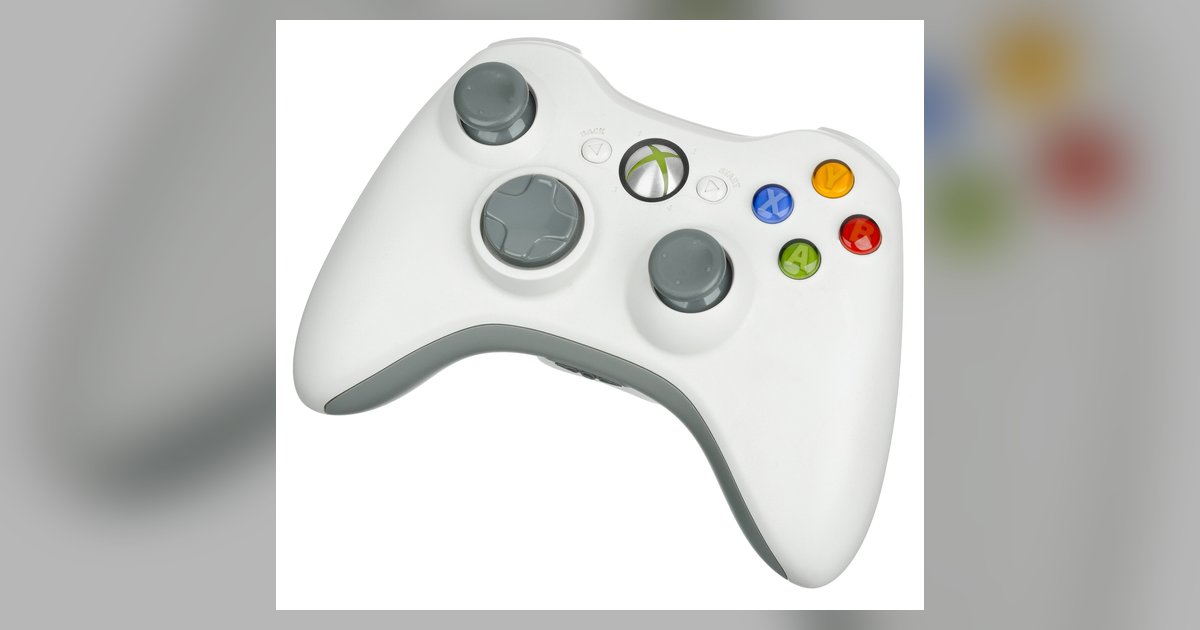
The lag is usually caused by USB port power saving, interfering background apps, or GPU scheduling conflicts—not the wire itself. Disable USB selective suspend and turn off Xbox Game Bar to force immediate input processing.
1. Disable USB power saving to fix controller input lag
Windows 11 aggressively cuts power to USB ports when it thinks they are idle. This feature is called USB selective suspend. It can cause your wired controller to momentarily enter a low-power state between inputs. The lag hits as the port re-initializes. Open the Power Options control panel now. Search for “Edit power plan” in Start. Click “Change advanced power settings.” Scroll to “USB settings” and expand “USB selective suspend setting.” Set both “On battery” and “Plugged in” to “Disabled.” Apply the change and restart your PC. This forces the USB port to deliver full power constantly.
2. Turn off Game Bar and background recording
The Xbox Game Bar’s background recording and DVR features inject processing delay into any controller input, even on a wired connection. These features constantly capture a rolling buffer of your gameplay. That taxes the GPU and CPU and desynchronizes input timestamps. Press Win + G to open the Game Bar now. Click the Settings gear icon. Navigate to “Captures” and toggle off “Record in the background while I’m playing a game.” In the General tab, disable any option that identifies the current title as a game. Then go to Windows Settings, then Gaming, then Game Mode, and consider disabling Game Mode. These steps force Windows to stop prioritizing video capture over immediate controller input.
3. When the controller hardware is the bottleneck
If you have disabled USB selective suspend and turned off Game Bar but still experience lag, the problem may be your controller’s own hardware. Many wired controllers have a capped polling rate set by their firmware or USB chipset, usually 125 Hz or 250 Hz. This means the controller sends input reports only every 4 or 8 milliseconds. That delay is baked into the controller’s microcontroller and no Windows setting can override it. To open game controller settings in Windows, search for “joy.cpl” in the Run dialog now. Click your controller, then Properties, and test the polling rate using the “Test” tab. If you see a consistent delay even there, your hardware is the bottleneck. Upgrade to a controller with a native 1000 Hz polling rate, like a high-end third-party model. For related configuration steps, you can setup Logitech extreme 3D pro or set up a game controller for world of tanks using the same joy.cpl interface.
If you have already calibrated your controller but still feel a half-second delay between pressing a button and seeing the action on screen, these two Windows 11 features are the most likely culprits. For a complete walkthrough covering everything from driver installation to button mapping, see the broader topic of setting up a game controller on Windows.