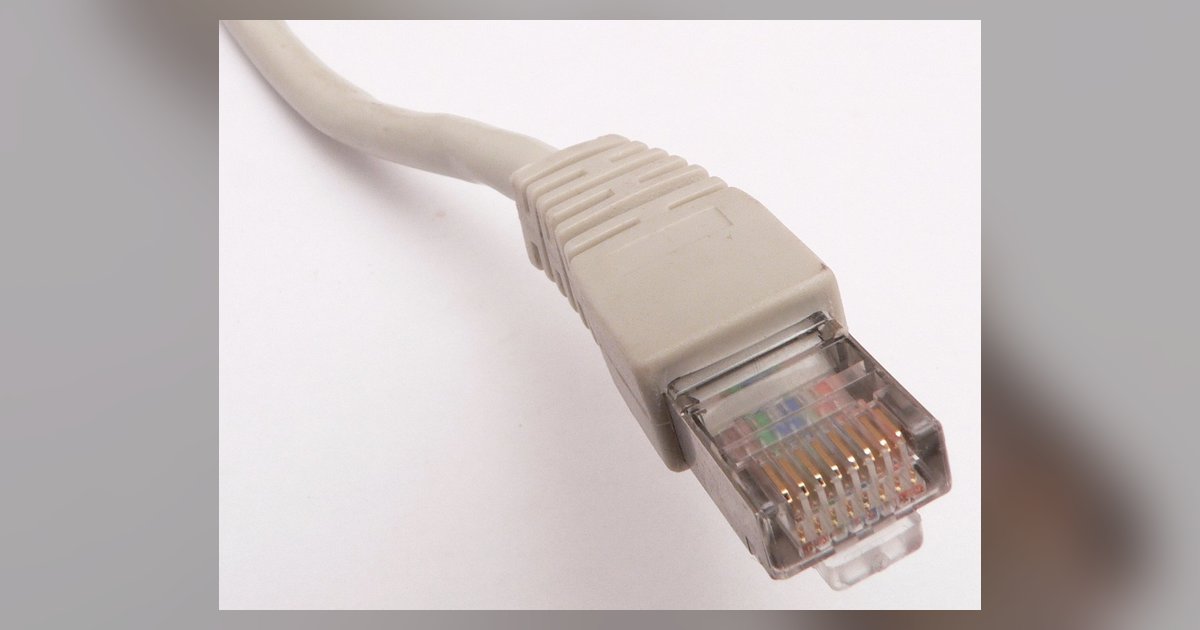
Understanding the gaming latency difference between wired and wireless helps you decide when to cable up: book Ethernet for fast-twitch shooters, fighting games, or any competitive title where a single spike costs a round. Skip the cable entirely for turn-based strategy games, MMOs, and single-player RPGs. Run a ping test during your usual evening play window before you drill holes. If you see 50 ms jumps, install the cable. If your average stays under 15 ms with no spikes, stay on Wi-Fi.
The gaming latency difference under perfect conditions
Place your router and PC in the same room with no walls and no competing devices before you measure. A wired connection from your PC to the router delivers a very low baseline ping. Wi-Fi on a clean 5 GHz channel adds a small amount of extra latency. Your total round-trip time to the router will be lower on Ethernet than on Wi-Fi. In a game like Valorant or Counter-Strike 2, that small gap is barely perceptible to most players. Your shot registers 5 ms later, but human reaction time averages 150-200 ms. The real problem isn’t the average. It’s the variance.
Why Wi-Fi latency is inconsistent, not just higher
Watch for jitter and packet loss, because those are what make Wi-Fi feel worse than its average ping suggests. Unlike Ethernet’s dedicated copper path, Wi-Fi shares radio airtime with every device in range. Your neighbor’s streaming stick, a Bluetooth speaker, even a cordless phone all compete for that airtime. This contention forces your packets to wait for a clear channel, causing latency spikes in a busy apartment building. Bufferbloat compounds the issue. When your router’s queue fills up from a sudden download or video call, Wi-Fi’s half-duplex nature means your game packets get stuck behind bulk traffic. Physical obstacles like a concrete wall or a metal filing cabinet can cause multipath interference. That drops packets entirely and forces retransmissions that add significant latency. A single 100 ms spike in a firefight where headshots register in 50 ms means you die before your client even shows the enemy. This inconsistency is why the online gaming definition of “playable latency” rarely includes Wi-Fi for competitive play. The definition hinges on stable, low pings, not averages that hide spikes.
When the difference actually matters
Arrive at your router’s admin panel and run a ping test before you spend money. For a casual player in slower genres, the extra 2-8 ms baseline and occasional spikes won’t ruin the experience. The failure case comes when you overpay for a $100 Ethernet cable and a powerline adapter for a game where 10 ms of jitter is invisible. The genres that genuinely need wired connections are fast-twitch shooters (Valorant, Overwatch, Apex Legends), fighting games (Street Fighter 6, Tekken 8), and any game with deterministic netcode like rollback-based fighters. In those, a 10 ms jitter spike can mean your input is dropped during a combo. Your peek around a corner lands you dead before you see the enemy. Professional players and high-rank competitive gamers in the top 5% of the ranked ladder will benefit from Ethernet. A Gold-ranked player on a 60-tick server won’t notice the difference. Those games tolerate Wi-Fi latency just fine. However, be aware of the disadvantages of online gaming, which include connectivity issues that Wi-Fi amplifies. Consider online gaming's effect on social interactions, where lag-induced frustration can sour teamwork. Ultimately, if your average Wi-Fi ping stays under 15 ms and you don’t see spikes in your router’s ping test, you don’t need Ethernet. If you see 50 ms jumps during your evening play sessions, the cable is worth the hassle.
Understanding the wired vs wireless latency difference is essential for any competitive player, but it is only one piece of the puzzle; for a complete picture of how these milliseconds affect your experience, explore the broader online gaming definition.