To turn off wifi without turning off your router, you must disable the wireless radio at the router itself, not on your individual devices. The quickest verified methods are pressing the physical Wi-Fi button on the router or logging into the router’s admin panel to toggle the wireless radio off, both of which leave your Ethernet connections fully active. If you only need to disconnect a streaming player, you can simply turn off Roku from its settings menu instead, or keep Roku TV from turning off if your goal is preventing unwanted sleep mode interruptions.
How to turn off wifi without turning off your router: the quickest methods
The correct way to turn off Wi-Fi while keeping your wired internet running is to disable the router’s wireless broadcast. You can do this via a physical button on the router, through the router’s web-based administration panel, by setting a schedule for automatic shutoff, or by using a smart plug to cut power (though that last one also kills Ethernet). Device-level toggles, like airplane mode, disabling the Wi-Fi adapter in Windows Device Manager, or turning off Wi-Fi in Mac Network Preferences, only affect that single device. They do not stop the router from broadcasting, so other devices remain connected. This guide focuses on router-side solutions that achieve the actual goal.
Check for a physical Wi-Fi button on your router
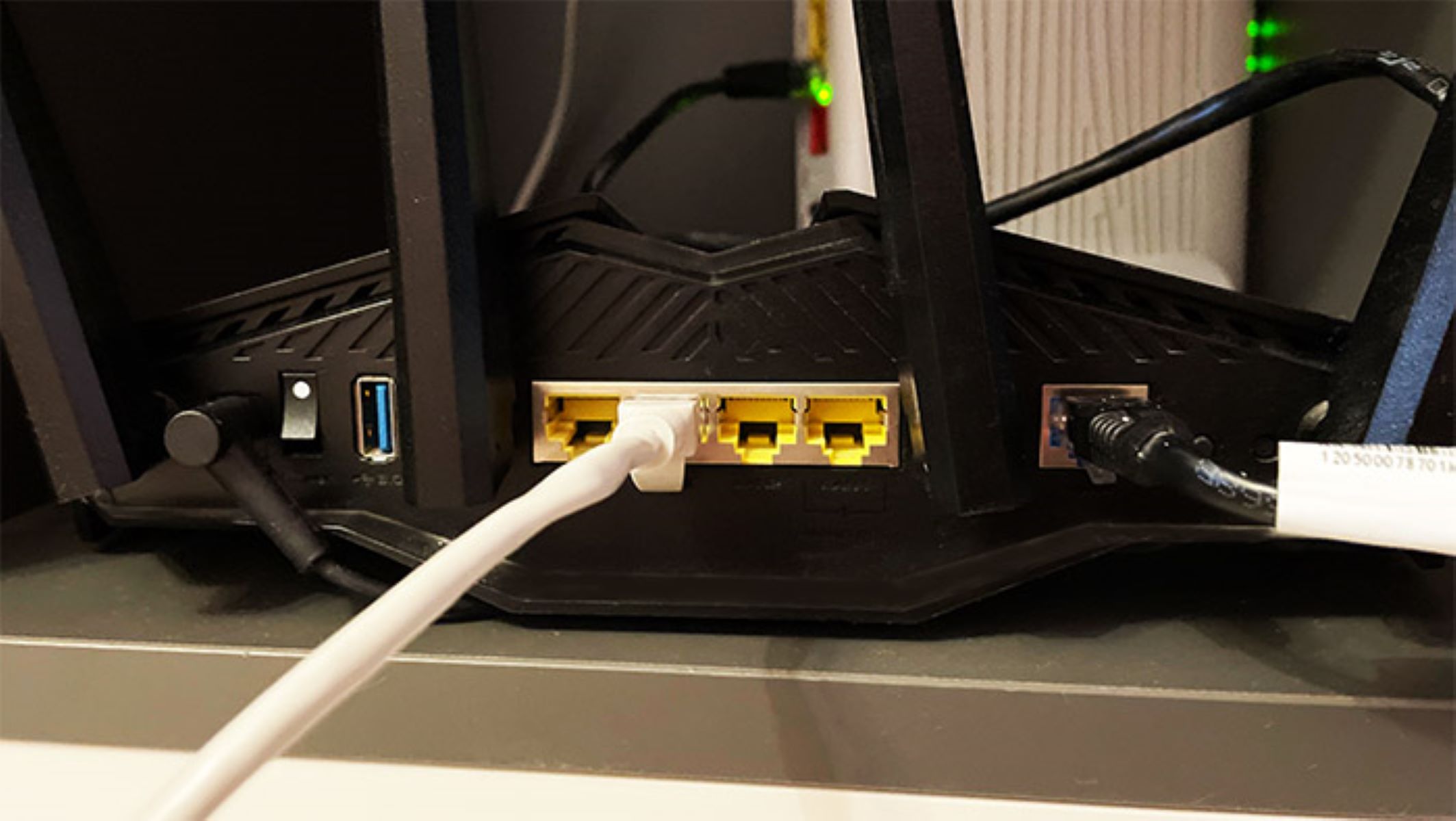
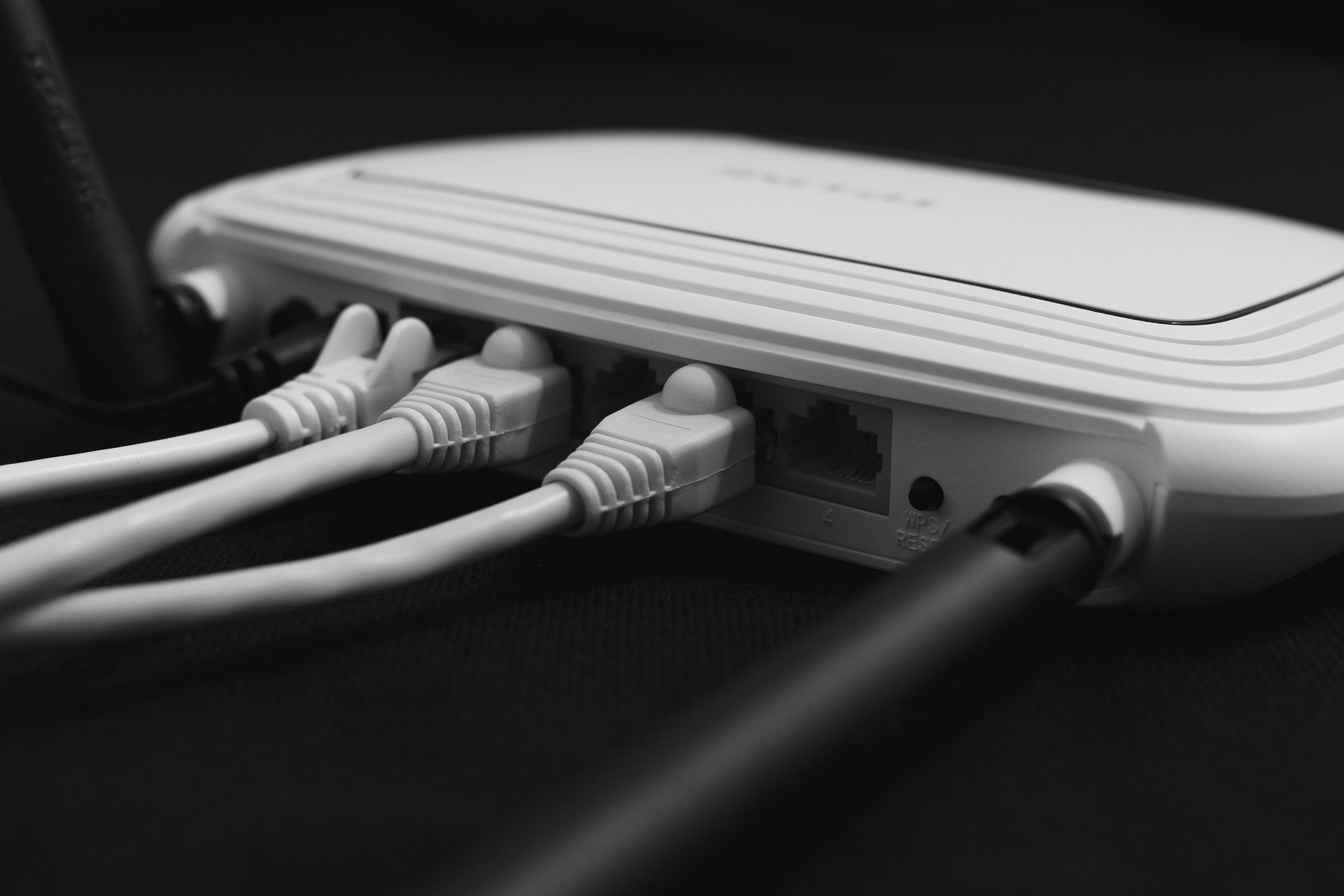
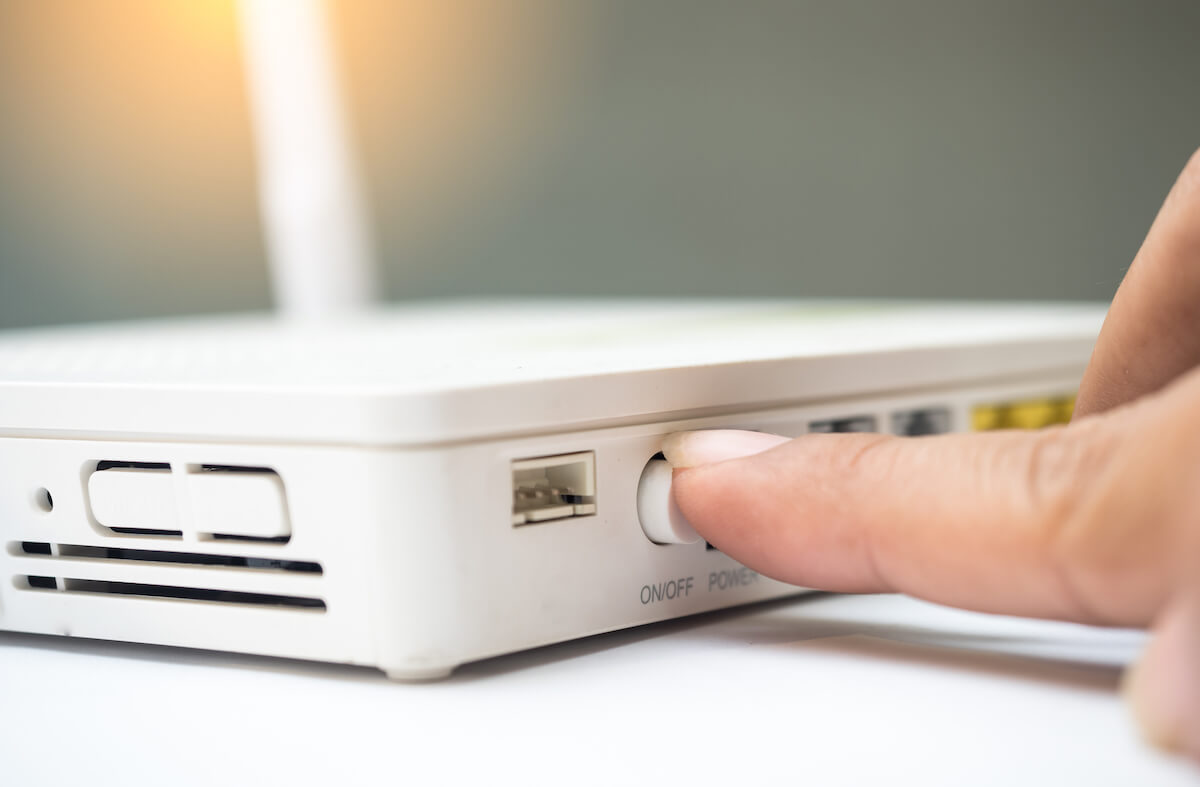
The fastest verified method is to look for a dedicated Wi-Fi On/Off button on the router’s hardware. This button is usually located on the back or side of the device, often near the power port or Ethernet jacks. It may be labeled “Wi-Fi,” “Wireless,” or show an icon of radio waves. Press it once to disable the wireless radio. Confirm the action by checking the router’s indicator lights, when the Wi-Fi light turns off, the wireless signal is disabled. All Ethernet ports on the router remain active, so any device connected via cable still has full internet access. To re-enable Wi-Fi, simply press the button again. This method requires no login credentials and works instantly.
Log in to your router's administration panel and disable the wireless radio
If your router lacks a physical button, the most reliable method is accessing the router’s web-based interface. Follow these steps:
Connect via Ethernet first
Before you begin, connect a computer directly to the router using an Ethernet cable. This ensures you maintain internet access while you disable the Wi-Fi radio. If you use Wi-Fi to reach the admin panel and then disable it, you’ll lose your connection mid-process.
Enter the router’s IP address or domain
Open a web browser on the connected computer. In the address bar, type the router’s IP address, commonly 192.168.1.1, 192.168.0.1, or 10.0.0.1. Some routers use a domain name instead, such as tplinkwifi.net, routerlogin.net, or myrouter.local. You can find the exact address on a sticker on the router itself or in its manual.
Log in with admin credentials
Enter the router’s administrator username and password. Many routers use “admin” for both by default. If that doesn’t work, check the sticker on the router or its documentation for the default login. If you’ve changed these credentials before, use your custom login.
Navigate to Wireless or WLAN settings
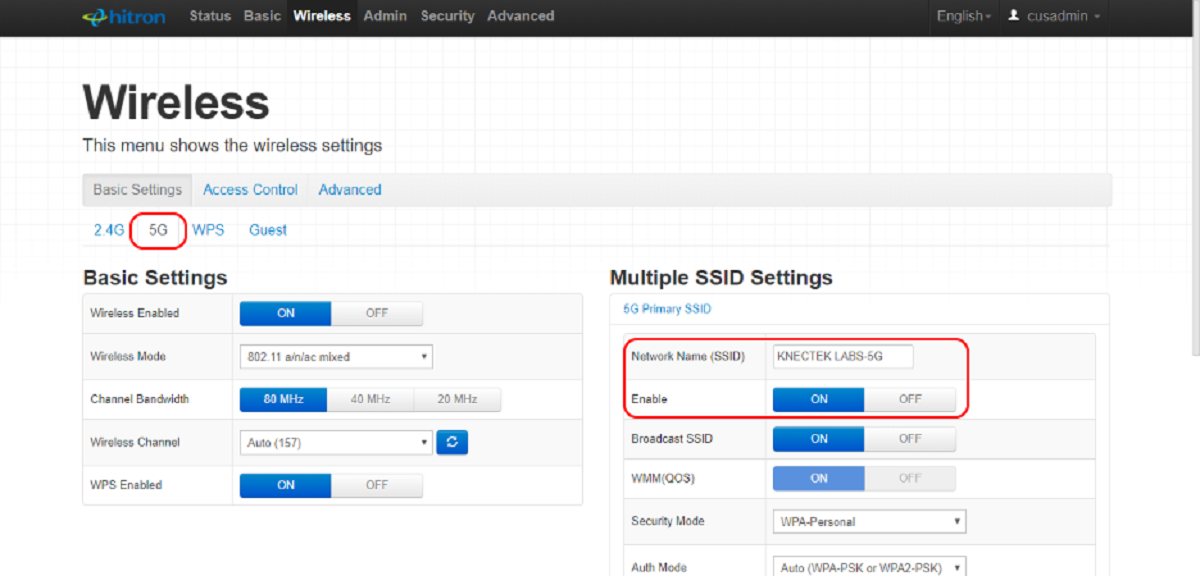
Once logged in, look for a section labeled “Wireless,” “WLAN,” “Wi-Fi,” or “Network Settings.” The exact wording varies by router brand and model. Uncheck the box or toggle the switch to “Off” or “No.”
Disable each band separately
Modern routers broadcast on multiple bands, typically 2.4 GHz and 5 GHz, and sometimes 6 GHz. You’ll need to turn off the wireless radio for each band individually. Look for separate settings for each band and disable them all. After making the changes, click “Save” or “Apply” to commit the settings. The router will apply the changes, and the Wi-Fi signal will stop broadcasting while wired connections remain unaffected.
Important: Disabling the wireless radio is different from hiding the SSID (network name). Hiding the SSID only makes the network invisible; it does not stop the radio from transmitting. To truly turn off Wi-Fi, you must disable the radio itself.
Schedule Wi-Fi to turn off automatically using a built-in timer
If you want Wi-Fi to turn off at specific times without manual intervention, use the router’s built-in scheduler. This is useful for enforcing digital detox hours, reducing radiation at night, or saving power during work hours.
Access the Wireless settings again
Log into the router’s admin panel as described above, using an Ethernet connection. Navigate to the same Wireless or WLAN settings section.
Find the Schedule or Wi-Fi Timer feature
Look for a tab or sub-menu labeled “Schedule,” “Wi-Fi Timer,” “Access Schedule,” or “Wireless Schedule.” This feature may be under “Advanced Settings” on some routers. Click on it to open the scheduling interface.
Set the days and times
Define the days of the week and the time range when you want the Wi-Fi radio to be disabled. For example, you can set it to turn off every night from 11:00 PM to 7:00 AM. Some routers allow multiple time blocks per day. Specify whether the schedule applies to all bands or just specific ones.
Save and apply the schedule
After entering your desired times, click “Save” or “Apply.” The router will automatically disable the wireless radio during the specified periods and re-enable it when the schedule ends. This method requires no daily manual action and keeps your Ethernet connections active throughout.
Using a smart Wi-Fi switch or plug as a remote power toggle
A smart plug or Wi-Fi switch can act as a remote power control for your router. This method is blunt but effective: when you cut power to the router, the Wi-Fi goes off, but so does your wired Ethernet connection. If you only need to disable Wi-Fi and keep Ethernet running, this is not the right choice. However, it’s useful for remotely rebooting the router or for scenarios where you want to completely disconnect all internet access. If you only need to remove one device from the network, you can disconnect wifi from Roku TV without affecting the rest of your home.
Set up the smart plug
Purchase a smart plug from a reputable brand. Plug it into a wall outlet, then plug your router’s power adapter into the smart plug. Follow the manufacturer’s app instructions to connect the smart plug to your home network and pair it with your smartphone.
Control power via app or voice
Once configured, you can turn the router off by toggling the smart plug off in the app or via voice assistant (if supported). This cuts power to the router, disabling both Wi-Fi and Ethernet. To restore internet, toggle the plug back on. Some smart plugs offer scheduling features, allowing you to automate power cuts at certain times.
Keep in mind that this method is a blunt instrument. It does not selectively disable Wi-Fi; it kills the entire router. Use it only when you need to power-cycle the router or when wired connections are not required during the off period.
Special cases: Eero, Google Nest Wifi, and ISP gateways
Some router brands have unique behaviors when it comes to disabling Wi-Fi. Here’s what you need to know for popular systems:
Eero: WiFi Off mode via reset button
Eero devices offer a “WiFi Off mode” that keeps Ethernet active. To enable it, locate the reset button on the back of the Eero unit. Tap the reset button 8 times in quick succession. The LED will flash, indicating that Wi-Fi is now disabled. Ethernet ports on the Eero remain functional, so wired devices still have internet. To re-enable Wi-Fi, tap the reset button 8 times again. This is a hardware-level toggle that works without needing the app.
Google Nest Wifi: no selective Wi-Fi disable
Google Nest Wifi does not provide a way to turn off specific Wi-Fi bands or the wireless radio through its app or web interface. The only way to disable Wi-Fi on a Google Nest Wifi router is to unplug the entire device, which also cuts Ethernet connections. If you need to keep wired devices online while disabling Wi-Fi, Google Nest Wifi is not suitable for that scenario. Consider using a separate router or a managed switch with a wireless access point instead.
ISP gateways (combo modem/router)
Many internet service providers supply a combined modem/router gateway. If you want to keep Ethernet active while disabling Wi-Fi, look for a “Wi-Fi” or “Wireless” toggle in the gateway’s settings, many ISP gateways have this option. If not, you may need to contact your ISP for a model that supports separate Wi-Fi control.
Turning off Wi-Fi extenders and mesh points for zone-based control
If your network uses Wi-Fi extenders, range boosters, or mesh satellite points, you can selectively disable Wi-Fi in specific areas by unplugging those devices. This method does not turn off the main router’s Wi-Fi, but it stops wireless coverage in the zones served by the extenders.
Identify the extenders or mesh points
Locate the Wi-Fi extenders or mesh satellites in your home or office. These are separate devices that connect to your main router wirelessly or via Ethernet and rebroadcast the signal. They are typically placed in rooms where you need stronger coverage.
Unplug the device to disable its Wi-Fi
Simply unplug the extender or mesh point from its power source. This immediately stops the Wi-Fi signal in that area. Devices connected to that extender will lose wireless access, but devices connected to the main router’s Wi-Fi or via Ethernet will remain unaffected.
Restore coverage by plugging it back in
When you want Wi-Fi coverage in that zone again, plug the extender or mesh point back in. It will take a minute or two to reconnect to the main router and start broadcasting. This method is ideal for turning off Wi-Fi in specific rooms (like a child’s bedroom at night) while keeping the rest of the network operational.
Note that this only works for extenders that are physically separate from the main router. If you have a mesh system where all nodes are wired together, unplugging one node may affect the entire mesh. Check your system’s documentation for proper procedures.