The delay happens because the capture card must convert the raw HDMI signal into a compressed data stream your computer can process, which takes time—typically 30 to 60 milliseconds for USB cards. You can eliminate this lag entirely by using HDMI passthrough to a separate monitor instead of playing through the preview window.
The capture card delay conversion bottleneck
Every capture card contains a dedicated chip that performs real-time encoding. When an HDMI signal enters the card, the chip must compress the uncompressed 1080p or 4K video stream into a format your PC can handle, typically MJPEG, H.264, or H.265. This encoding step is computationally intensive and cannot be bypassed. For USB capture cards, the compressed data must also be packetized and transferred over the USB bus, which adds another layer of latency. A direct HDMI connection from your console to a monitor has zero encoding, zero compression, and zero bus overhead. The card’s job is to translate a massive, real-time video stream into a manageable file, and that translation is the primary source of the lag you feel.
How many milliseconds to actually expect
Real-world latency varies by hardware. A typical USB 3.0 capture card introduces 30 to 60 milliseconds of delay, enough to make a fighting game or first-person shooter feel unresponsive. PCIe capture cards, like those from AVerMedia or Elgato, cut that to 10 to 20 milliseconds because the data travels directly over the motherboard’s high-speed lanes. Older USB 2.0 cards are far worse, often adding 80 to 150 milliseconds. On top of the card’s own latency, the software feed in OBS or your streaming application adds another 10 to 30 milliseconds for display compositing. If you are playing by watching the on-screen capture, you are stacking two delays: the capture card’s encode time and the software’s render time. This is why the game feels sluggish even if you try to switch the HDMI input on your Windows 11 PC; the operating system’s display settings cannot bypass the capture card’s internal processing.
The passthrough fix most people miss
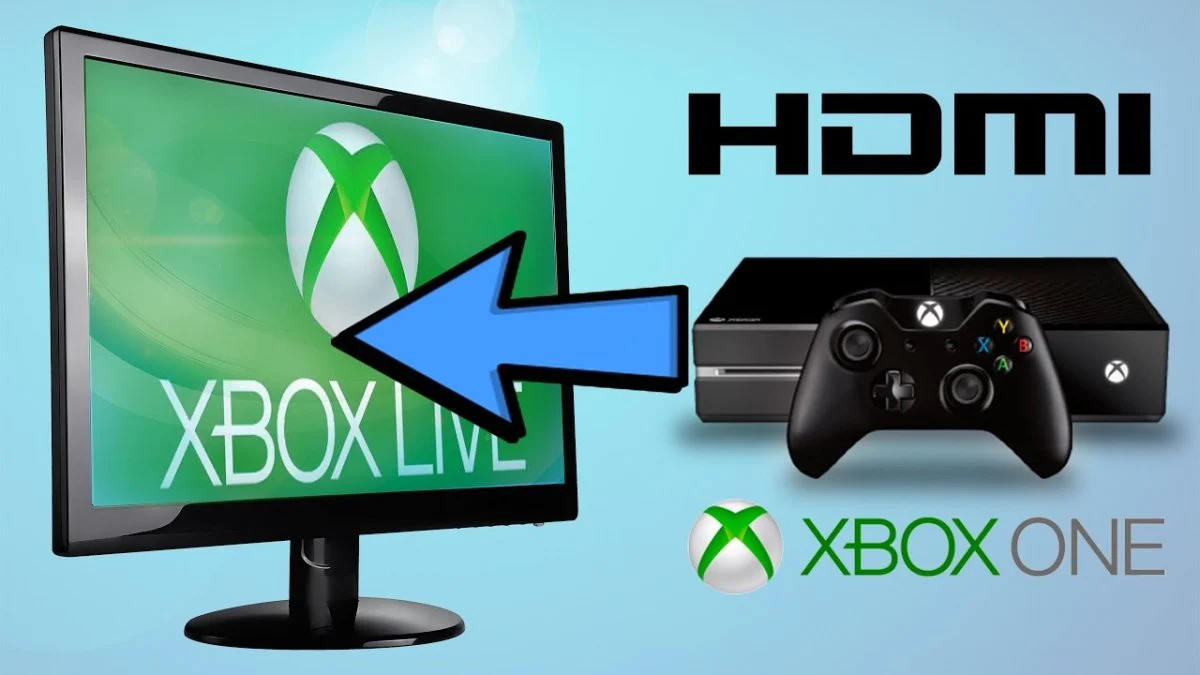
Stop playing through the software window. Book a second monitor if you do not own one, then plug your console into the capture card’s input and run a separate HDMI cable from the card’s “HDMI Out” or “Passthrough” port directly to that gaming display. Play on that monitor, not on the PC capture view. The capture card still encodes the stream for your PC, but you are watching the original signal. This works even if you only have one monitor: use the passthrough port for your display and let the PC handle recording or streaming. Many gamers miss this because they assume the software view is the only way to see the game. If you want to play PS5 on laptop through HDMI, you must use passthrough to an external monitor; a laptop’s built-in screen cannot accept a direct HDMI input from a capture card without going through the capture window, which reintroduces delay. You can also use a laptop screen as a monitor without a capture card via software solutions, but those methods add even more latency than a capture window.
When you cannot eliminate the delay
Passthrough fails in a few setups. If you use a single-monitor laptop and cannot add a second display, you have no choice but to play through the capture window. Some cheap capture cards lack a passthrough port entirely. In these cases, you cannot eliminate the delay, only mitigate it. Open OBS, right-click your capture source, and force the resolution to 720p or 540p; less data means the card can encode faster, shaving 10 to 20 milliseconds off. Switch to a PCIe capture card if your laptop has an internal slot, or swap your USB 2.0 dongle for a USB 3.0 model. If you need to connect a Nintendo Switch to your PC via HDMI and your only option is the live capture feed, accept that 40 to 70 milliseconds of lag is the baseline for turn-based games, but skip competitive shooters and rhythm games entirely. No software setting or HDMI cable swap will remove the encoding bottleneck.
This is not a fault of your setup or a need to switch from HDMI 1 to HDMI 2 on your monitor; the bottleneck is inside the capture card itself, and no cable swap will fix it.