The free tier is playable for casual building and live mode, but the 1-hour session limit and frequent input latency spikes during peak times make it frustrating for anything requiring precise timing; paid tiers eliminate the queue and provide access to higher-performance rigs.
Sims 4 GeForce Now free tier queue is a patience check, not a dealbreaker
During weekday evenings between 6 PM and 10 PM, the free tier queue for GeForce Now can stretch to significant wait times on standard rigs. This is especially common in regions like the US East or Central. Off-peak mornings before 9 AM or after midnight often see the wait drop to under 10 minutes. The 1-hour session timer is the real friction. After 55 minutes, a warning appears. You must save your household, exit the game, and re-queue for a new session. A two-hour building session requires two separate queues and two game loads. If you need to get sims 4 on Chromebook for a weekend marathon, the free tier forces you to structure your playtime around the clock rather than the gameplay. If you encounter crashes when launching locally, the sims 4 Chromebook Linux wine crash on startup fix can get you past the splash screen.
Where latency actually hurts sims 4 gameplay
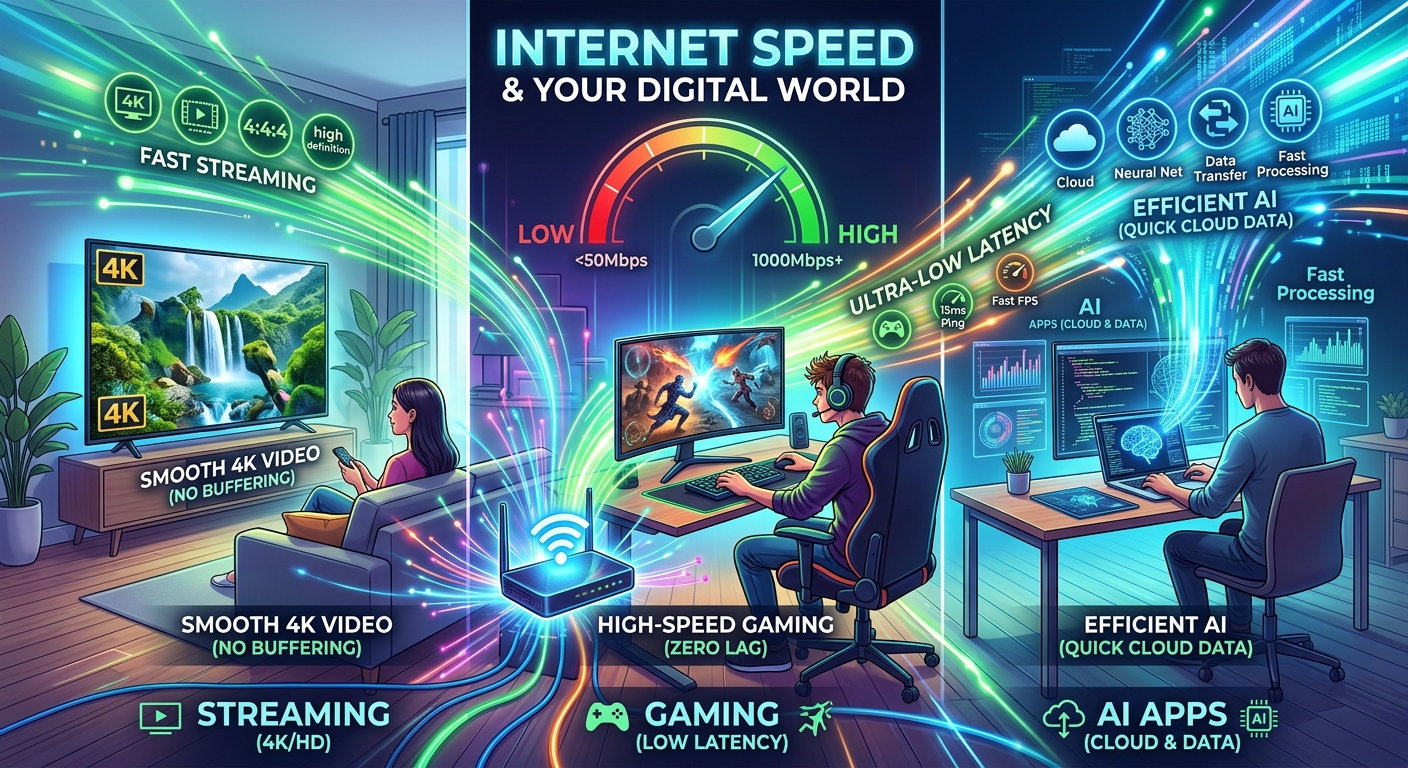
Free-tier network latency can vary, with NVIDIA recommending less than 80ms from a data center for optimal performance. During peak hours latency can increase significantly. In build mode, camera rotation with the mouse feels sticky. Dragging to rotate the view lags behind your hand by half a second. This makes fine alignment of furniture or walls frustrating. Timed cooking interactions respond a beat too late. A Sim rushing to put out a kitchen fire often stands idle while the fire spreads. Rapid social menu navigation suffers from missed clicks and delayed menu refreshes. Clicking through conversation options during a date becomes a chore. Placing objects from the catalog, basic walking commands, and watching cutscenes still work fine. The game does not require twitch reflexes. The latency is an annoyance rather than a game-breaker.
The common mistake: blaming lag when it is a Chromebook wifi problem
Many Chromebook owners blame GeForce Now’s free tier when the real culprit is their local network. Weak 2.4GHz Wi-Fi introduces packet loss and jitter that mimics cloud latency. This is common in older Chromebooks or school networks. If you play Minecraft on a school Chromebook without downloading it, you may have noticed similar stuttering from network congestion, and the strict filtering on GeForce Now on a school Chromebook often blocks cloud gaming entirely. Bluetooth mice on Chromebooks can introduce additional input delay. This compounds with cloud latency and makes the game feel sluggish even on a Priority rig. Before blaming the free tier, check your Chromebook’s Wi-Fi band. Switch to 5GHz if available, disable Bluetooth, and use a wired USB mouse. If you need to download Roblox on Chrome OS without Google Play, your Chromebook’s Wi-Fi card might already be a bottleneck. Similarly, if you want to download Roblox on a Chromebook without the Play Store, the same network issues will affect any cloud gaming service. A simple speed test at fast.com with a target of 25 Mbps and latency under 30ms will tell you whether the free tier or your Chromebook’s connection is the problem.