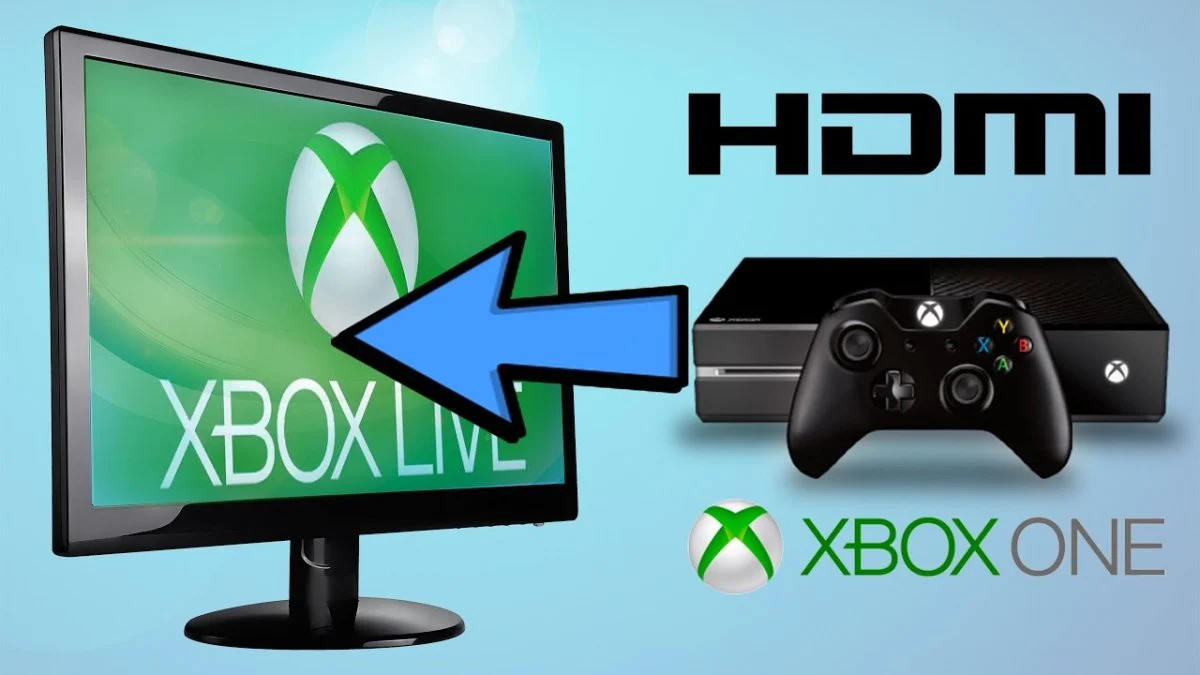
To connect Xbox to PC with HDMI, you need to understand that most PC laptops cannot accept an HDMI signal, their ports are designed only to output video. This guide covers the three real ways to get your Xbox display on a PC screen, whether you are using a desktop monitor, a laptop, or streaming over your network.
Can you really connect Xbox to PC with HDMI?
The short answer is yes, but not in the way most people assume. A standard laptop HDMI port is almost always an output-only port, meaning it sends video from the laptop to an external monitor but cannot receive a video signal from an Xbox. Plugging your Xbox directly into a laptop’s HDMI port will do nothing. The same is true for many desktop PCs if you try to use the motherboard’s HDMI port while a dedicated graphics card is installed. This guide focuses on the working methods: using a monitor with an HDMI input, using a capture card for laptops, or streaming wirelessly through the Xbox app.
Method 1: Connect Xbox to a PC monitor with HDMI input
If your “PC” is actually a desktop monitor that has an HDMI input port, this is the simplest method. You do not need a computer tower running for this, just the monitor and your Xbox.
- Locate the HDMI OUT port on the back of your Xbox console.
- Insert one end of an HDMI cable into the HDMI OUT port on your Xbox.
- Insert the other end of the HDMI cable into the HDMI IN port on your monitor.
- Turn on the monitor and use its on-screen menu to switch from HDMI 1 to HDMI 2 if needed, until you see the Xbox startup screen.
Method 2: Use an HDMI capture card for laptops
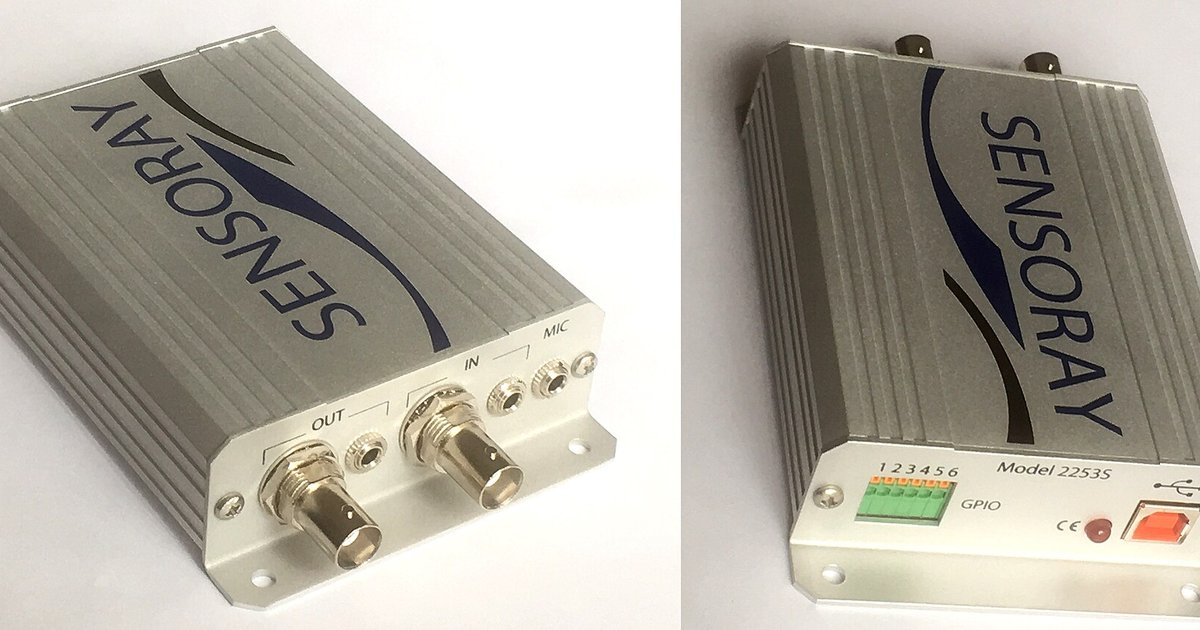
For laptop users, a capture card is the only way to get a physical HDMI connection. The capture card acts as a bridge: it accepts the Xbox’s HDMI signal and converts it to a USB signal your laptop can read.
- Connect one end of your HDMI cable to the HDMI OUT port on your Xbox.
- Connect the other end to the HDMI input port on the capture card.
- Plug the capture card’s USB cable into a USB port on your laptop.
- Open the capture software that came with your card (or a free app like OBS Studio) and select the capture card as the video source.
This setup introduces a small amount of lag due to the video processing, so it is best for games that do not require split-second reactions. For the best quality, use the HDMI cable that comes with Xbox Series X, as it supports higher bandwidth for 4K and HDR signals.
Method 3: Stream Xbox to PC with the Xbox app
If you want to avoid extra hardware, you can stream your Xbox gameplay directly to your Windows PC over your home network.
- On your Xbox, go to “Settings” > “General” > “Network settings” and ensure the console is connected to your home network.
- Sign in with the same Microsoft account used on your Xbox.
- Click the “Connection” icon (looks like a console) on the left sidebar, then select your Xbox from the list.
- Click “Stream” to begin playing on your PC screen.
Adjust your Xbox display settings for the best picture
Once your Xbox is connected, whether by direct HDMI, capture card, or streaming, you should fine-tune the display settings to match your monitor or capture card’s capabilities. On your Xbox, navigate to “Profile & system” > “Settings” > “General” > “TV & display options.” Here you can set the resolution (e.g., 1080p or 4K), refresh rate (60 Hz or 120 Hz), and enable HDR and VRR if your display supports them. For a direct monitor connection, you can match the monitor’s native resolution exactly. If you are using a TV later, you may need to adjust these settings again because the HDMI ports on a TV often have different supported resolutions than a PC monitor.
Troubleshooting common connection problems
No signal on the monitor or capture card feed: Verify the HDMI cable is fully inserted into both the Xbox and the display or capture card. If using a monitor, confirm you have selected the correct HDMI input, especially if your PC is also connected to the same monitor.
Audio issues: When using a capture card, audio may not come through automatically. In your capture software, set the audio input to the capture card. For direct monitor connections, audio will play through the monitor’s built-in speakers or headphone jack. For streaming, check that the Xbox app’s audio is not muted and that your PC’s default playback device is set to your speakers or headphones.
Lag with capture cards: Some lag is normal, but excessive delay can be reduced by lowering the resolution in your capture software to 720p or disabling video processing features like color correction. Also, close other programs that use the USB bandwidth.
Remote play connection failures: If the Xbox app cannot find your console, ensure both devices are on the same network and that your Xbox’s remote play feature is enabled (go to “Settings” > “Devices & connections” > “Remote features”). Restart both the console and the PC app. For an Xbox Series X, check that the console’s power mode is set to “Instant-on” rather than “Energy-saving.”