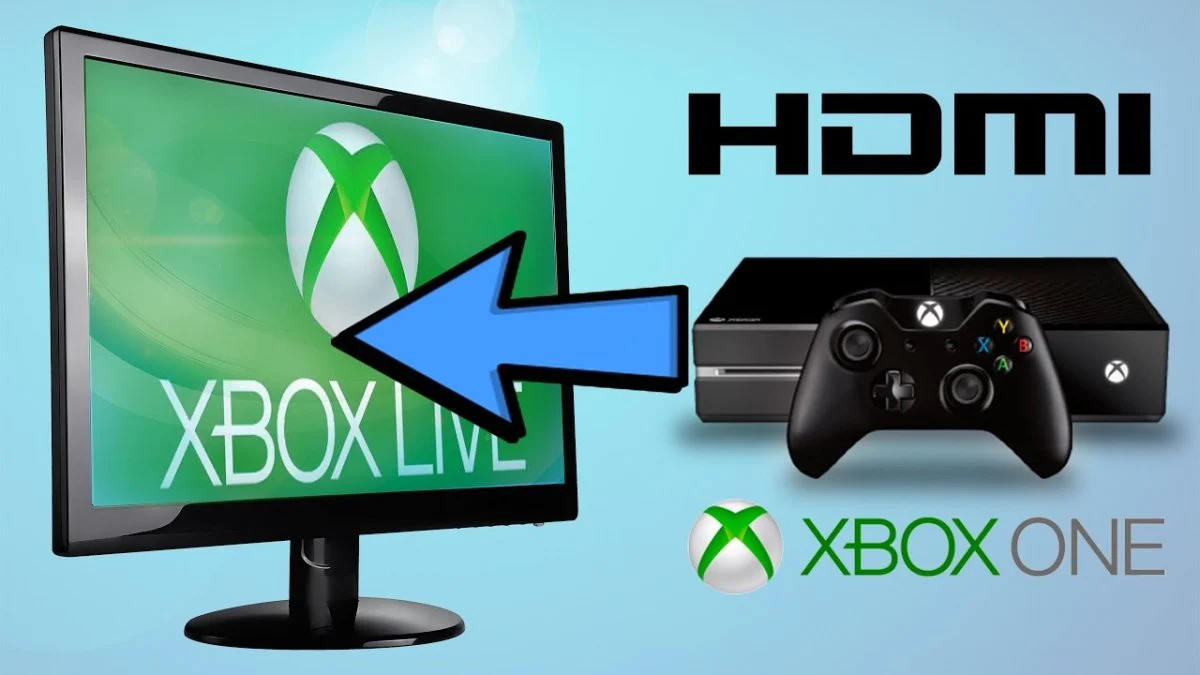
You cannot connect an Xbox 360 to a laptop with HDMI directly, because nearly every laptop’s HDMI port is an output, not an input. To connect Xbox 360 to laptop with HDMI, you need a USB capture card that acts as the middleman between the console’s HDMI output and your laptop’s USB port.
Why you can’t connect an Xbox 360 to a laptop with HDMI directly
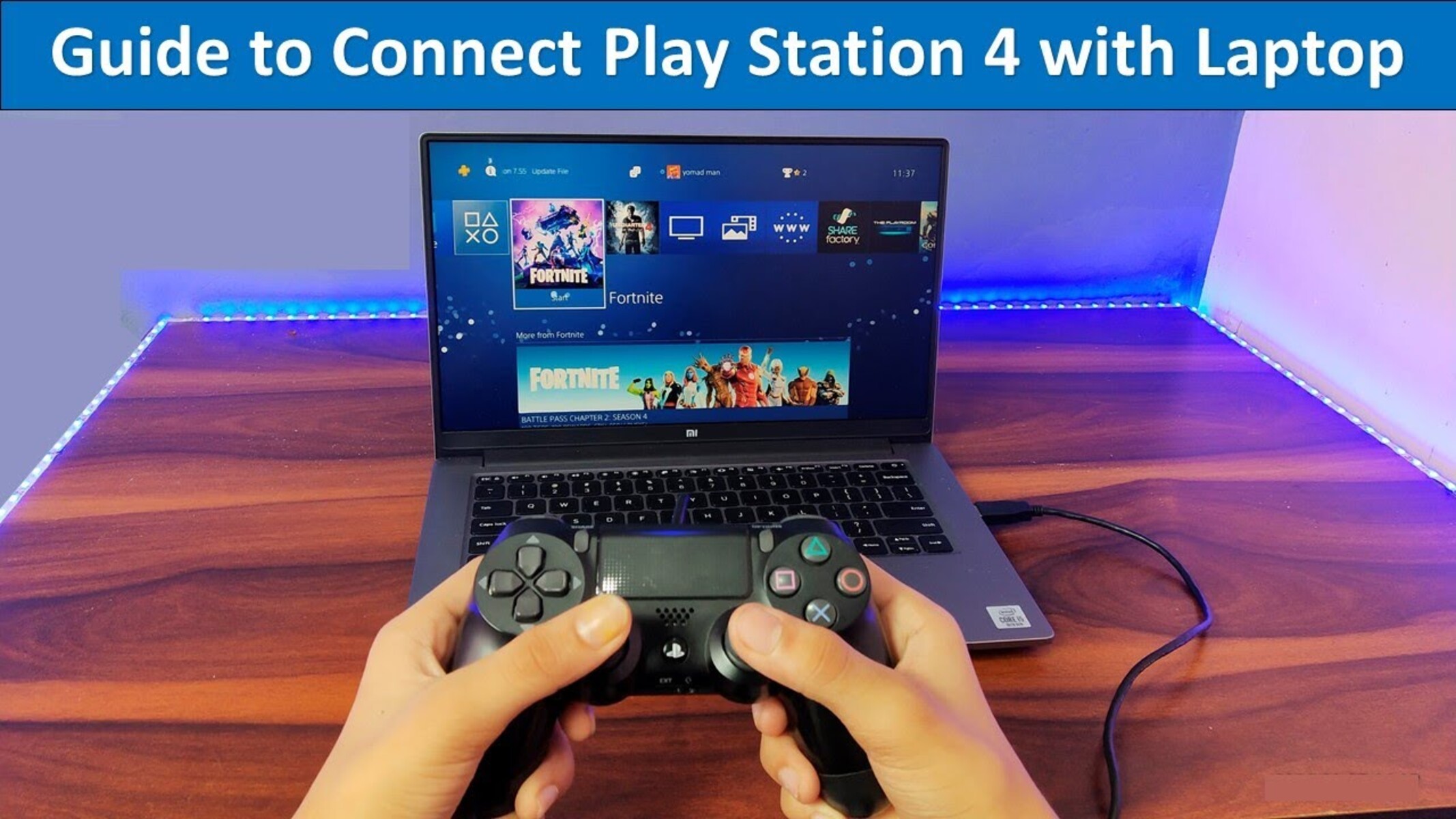
Most laptops are equipped with an HDMI output port, which is used to send signals from the laptop to an external display, not to receive signals. That means plugging an HDMI cable from your Xbox 360 into your laptop’s HDMI port will do nothing, the port simply isn’t built to accept video input. Very few laptops, such as some older Alienware models or certain all-in-one PCs, include an HDMI input port. If you own one of those rare machines, you can skip the rest of this page and plug the cable straight in. For everyone else, the direct connection described in countless forum posts and outdated tutorials is physically impossible. The same hardware limitation applies if you want to connect PS4 to laptop with HDMI, so you will need a capture card or streaming workaround instead. If you have a desktop PC with an available HDMI input, you can connect Xbox to PC with HDMI to bypass the laptop's port restrictions entirely.
This page gives you the real solution: a capture card that converts the Xbox 360’s HDMI signal into data your laptop can read over USB. It’s not a one-cable trick, but it works reliably and lets you play, record, or stream on your laptop screen.
What you actually need: a capture card
A USB capture card accepts an HDMI signal from a source device, in this case, your Xbox 360, and sends that video and audio to your laptop through a USB port. The card does the heavy lifting of translating the console’s output into a format your laptop’s software can display. You’ll need the capture card itself, an HDMI cable, and your Xbox 360 with its HDMI output port. No other hardware is required. The capture card’s software or a free program like OBS will handle the display.
Step 1: Connect your Xbox 360 to the capture card via HDMI
Connect one end of the HDMI cable to the HDMI port on the back of your Xbox 360 console. Plug the other end into the HDMI input port on the capture card. This port is usually labeled “HDMI In” and is separate from any HDMI output port on the card. Make sure the cable is fully seated on both ends, as a loose connection can cause flickering or no signal at all.
Step 2: Plug the capture card into your laptop
Use the USB cable that came with the capture card to connect it to your laptop’s USB port. Most capture cards are plug-and-play, but some require you to install a driver or the manufacturer’s software before they’ll work. If the card came with a quick-start guide, follow those instructions for driver installation. After the card is recognized by your laptop, you’re ready to move on to the software setup.
Step 3: Set up capture software to see the Xbox display
Open OBS Studio or the capture card’s bundled application. The Xbox 360 supports resolutions including 480p, 720p, 1080i, and 1080p via HDMI, with compatibility depending on the display. If the image looks stretched or cropped, adjust the resolution in the capture software’s settings to match your laptop’s native screen resolution. You may also need to set the console’s output to a resolution your laptop can handle, 1080p is the safest choice for most modern laptops.
Step 4: Configure display and sound
This sends the Xbox feed to your entire laptop screen, hiding the software interface. For audio, the capture card carries the console’s sound through the USB connection. In the capture card’s own software, look for an audio output option and select your laptop’s speakers or headphones. If you hear a delay between the visuals and sound, it’s likely due to the capture process, most USB capture cards introduce a small amount of latency. For casual gaming this is usually unnoticeable, but if you’re playing something timing-sensitive, you can reduce latency by lowering the capture resolution or closing other programs that use your laptop’s resources.
To adjust screen display format on the Xbox 360 itself, start the console without a disc in the disc tray. From the Xbox Dashboard, navigate to “System,” select “Console Settings,” then “Display,” then “Screen Format.” Choose “Normal” or “Widescreen” depending on your laptop’s aspect ratio. This ensures the image fills the screen correctly without black bars or stretching. Once everything is set, launch your game and play, the capture card will keep sending the video and audio to your laptop for as long as the console is on. If you ever need to change inputs later, just remember that your laptop’s HDMI port is output-only, so you’ll always go through the capture card rather than trying to switch from HDMI 1 to HDMI 2 on a laptop that doesn’t have that option.