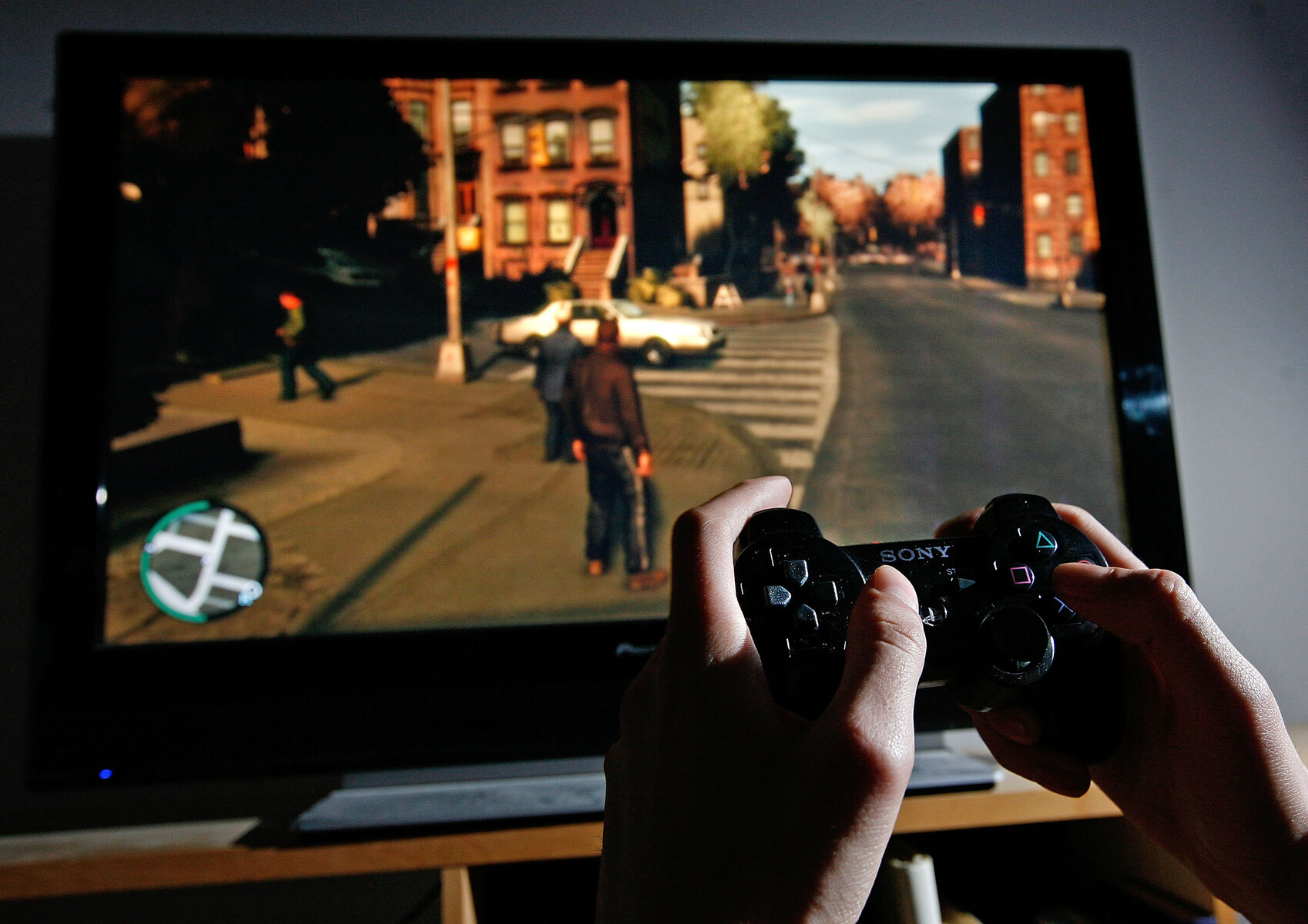
To connect PS3 to PC with HDMI, you need a capture card because a direct HDMI connection won't work. PC HDMI ports are output-only, and the PS3's always-on HDCP protection causes a black screen on non-compliant devices.
Why you can't connect PS3 to PC with HDMI directly
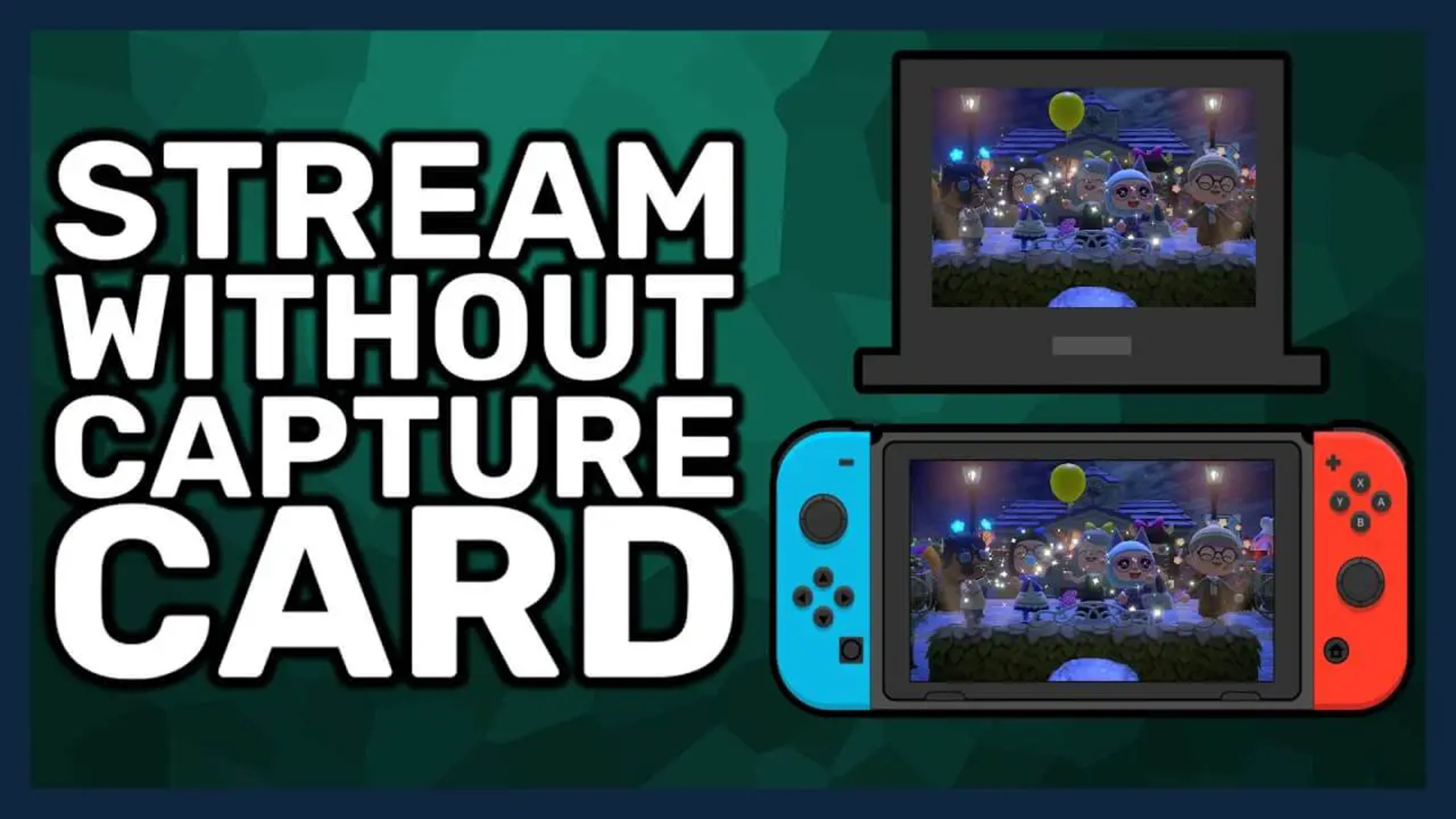
Most people assume plugging an HDMI cable from a PS3 into a PC will display gameplay on the monitor, but this is incorrect. Desktop and laptop PCs have HDMI output ports designed to send signals to an external display, not receive them. Additionally, the PlayStation 3 always has High-bandwidth Digital Content Protection (HDCP) enabled, which cannot be turned off. HDCP prevents the recording or display of content on non-HDCP compliant devices, resulting in a black screen if connected directly. Even if you find a rare HDMI input port on a PC, the PS3's HDCP will still block the signal. This hardware limitation is less of an issue with modern consoles like the Switch, so you can connect Nintendo switch to PC with HDMI using a simple capture card.
What you actually need: a capture card
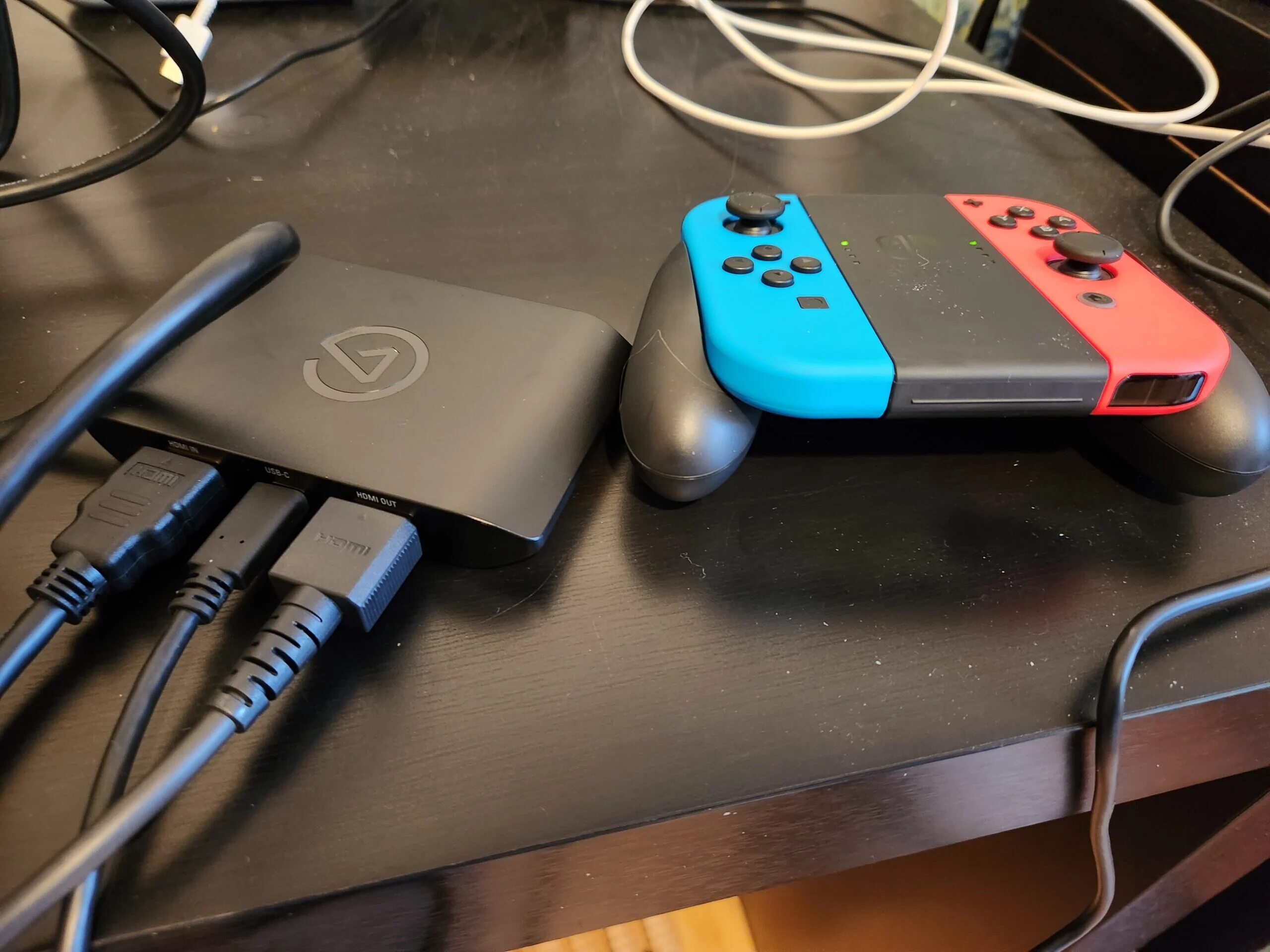
A capture card is the essential missing piece. It acts as an HDMI input for your PC, accepting the signal from your PS3. Capture cards handle HDCP compliance or strip the protection, allowing the video feed to appear on your computer screen. Without one, you cannot display PS3 gameplay on a PC monitor or laptop.
How to choose the right capture card for PS3
Select an external or internal capture card that supports 1080p resolution and explicitly handles or strips HDCP for PS3 compatibility. External cards connect via USB and are easier to set up, while internal cards use a PCIe slot for lower latency. Ensure the card's specifications mention PS3 or HDCP support, as some older cards may block the signal. A model that works with the PS3's 1080p output at 60Hz will provide the best experience.
Step 1: Connect the PS3 to the capture card via HDMI
Plug one end of an HDMI cable into the PS3's HDMI output port, located on the back of the console. Plug the other end into the capture card's HDMI input port. Ensure both connections are secure. HDMI cables transmit both video and audio signals simultaneously, so this single cable handles everything.
Step 2: Connect the capture card to your PC
Connect the capture card to your PC using its provided connection method. For an external card, plug the USB cable into a USB port on your PC. For an internal card, install it into an available PCIe slot on your motherboard. Install any drivers that came with the capture card, or let Windows detect and install them automatically. The card is now ready to receive the PS3 signal.
Step 3: Install and configure capture software
Use free software like OBS Studio to recognize the capture card as a video source. Open OBS, add a new Video Capture Device source, and select your capture card from the device list. The PS3's video feed should appear in the preview window. Adjust the resolution and frame rate in the software to match your capture card's capabilities for the best quality.
Step 4: Configure PS3 display and audio settings
On your PS3, go to Settings > Display Settings > Video Output Settings and select HDMI. Choose a resolution that matches your capture card's supported range, typically 1080p. The PS3 will automatically output audio over HDMI, which the capture card passes to your PC. No separate audio cable is needed.
Step 5: Adjust your PC display for full-screen gameplay
In your capture software, maximize or full-screen the video preview to fill your monitor. If you want to switch from HDMI 1 to HDMI 2 on your monitor for other inputs, use the monitor's physical buttons or on-screen menu. Adjust your PC's display resolution to match the capture feed for a seamless visual experience.
Troubleshooting common issues
If you see a black screen, the PS3's HDCP is blocking the signal. Confirm your capture card explicitly handles HDCP for PS3; some cards require a setting change or a specific firmware update. If there is no audio, check that the capture software's audio source is set to the capture card's HDMI input and that the PS3 is outputting audio over HDMI. Connection errors usually mean the capture card is not recognized, reinstall drivers or try a different USB port. If the PS3 still shows no signal, power cycle both the console and the capture card.
\nRelated reading: How To Connect Xbox To PC With HDMI.