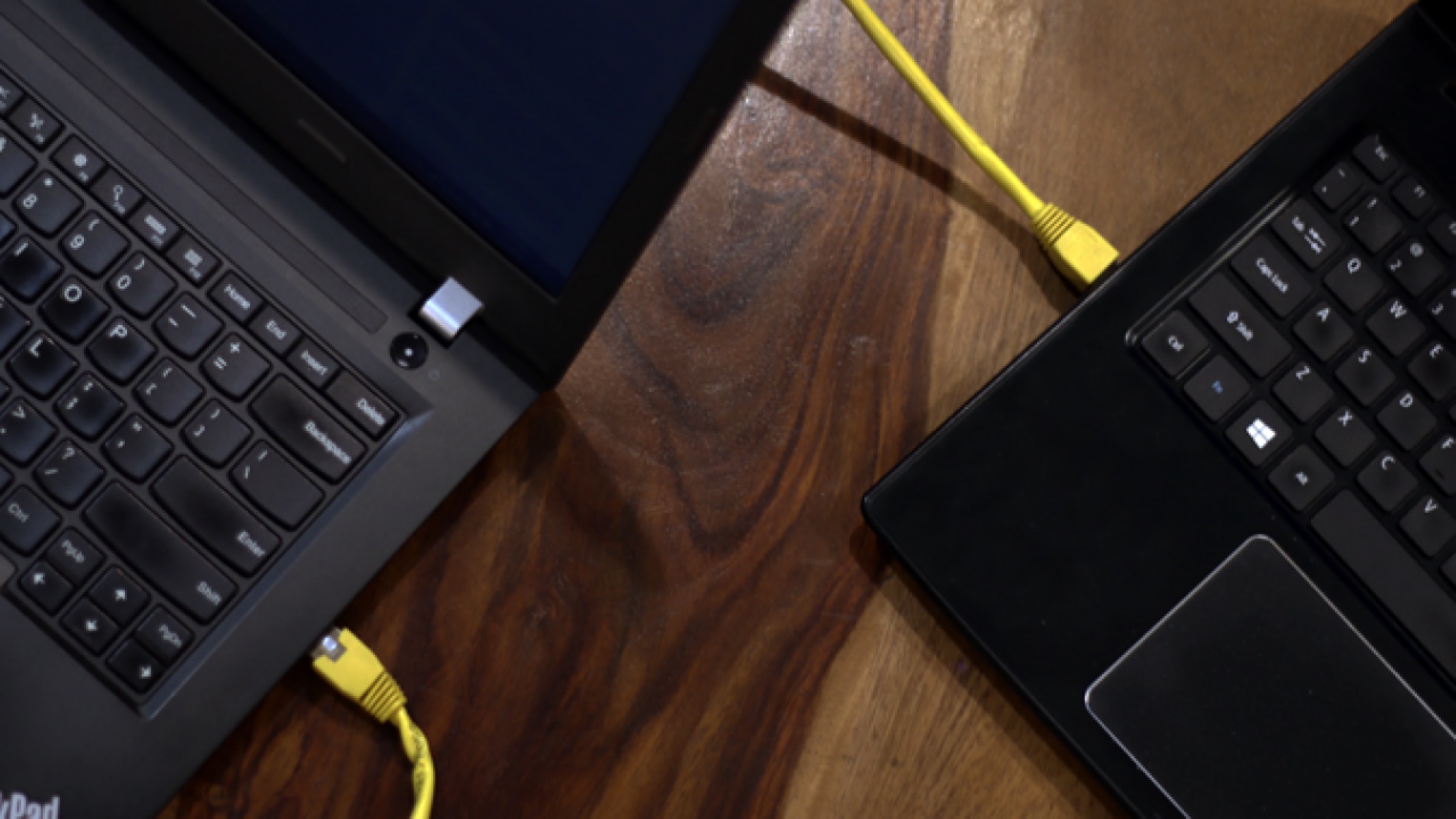
The operating system has failed to renegotiate the physical link, usually because the network interface card is stuck in a low-power or disabled state. Disable and re-enable the network adapter in your OS settings to force a fresh hardware detection cycle.
Fix the network cable unplugged error in 60 seconds
Open your operating system’s network settings, disable the network adapter, wait five seconds, and re-enable it. This single action clears the stuck software flag that keeps the "Network Cable Unplugged" error visible even after you have firmly inserted the cable.
The difference between physical connection and link state
When you plug an Ethernet cable into your computer and router, you complete a physical circuit, copper wires touch metal pins inside both ports. However, the operating system does not display "Network Cable Unplugged" based on that electrical contact alone. Instead, the network interface card (NIC) and the router must perform a software handshake called "link negotiation." During this handshake, both devices agree on speed (100 Mbps, 1 Gbps, etc.) and duplex mode. The error message only clears once the NIC reports a successful link state to Windows or macOS. A simple reconnection may fail to trigger this negotiation if the NIC's driver or PHY chip is stuck in a previous state. For example, if you previously unplug Ethernet cable while the system was in a power-saving sleep mode, the PHY may remain idle even after reinsertion.
Why restarting the adapter works when waiting doesn't
Do not wait for the error to clear on its own. Waiting a few seconds rarely helps because the NIC's internal "cable unplugged" flag is latched at the hardware level. Disabling the network adapter in Device Manager (or Network Settings) forces the driver to power-cycle the PHY chip completely. This process clears the stuck flag and reinitializes the link negotiation from scratch. After you re-enable the adapter, the driver sends a fresh training pulse to the router, and the error disappears within one to two seconds. This method works even if you previously retrieved a Wi-Fi password through an Ethernet connection, the same adapter reset resolves link-state glitches regardless of whether you are using wired or wireless credentials. If you need to find out wifi password through Ethernet cable before resetting, a stable wired link is required. The key difference is that waiting relies on a broken software timer, while a disable/enable cycle resets the hardware state machine.
When the cable or port is actually the problem
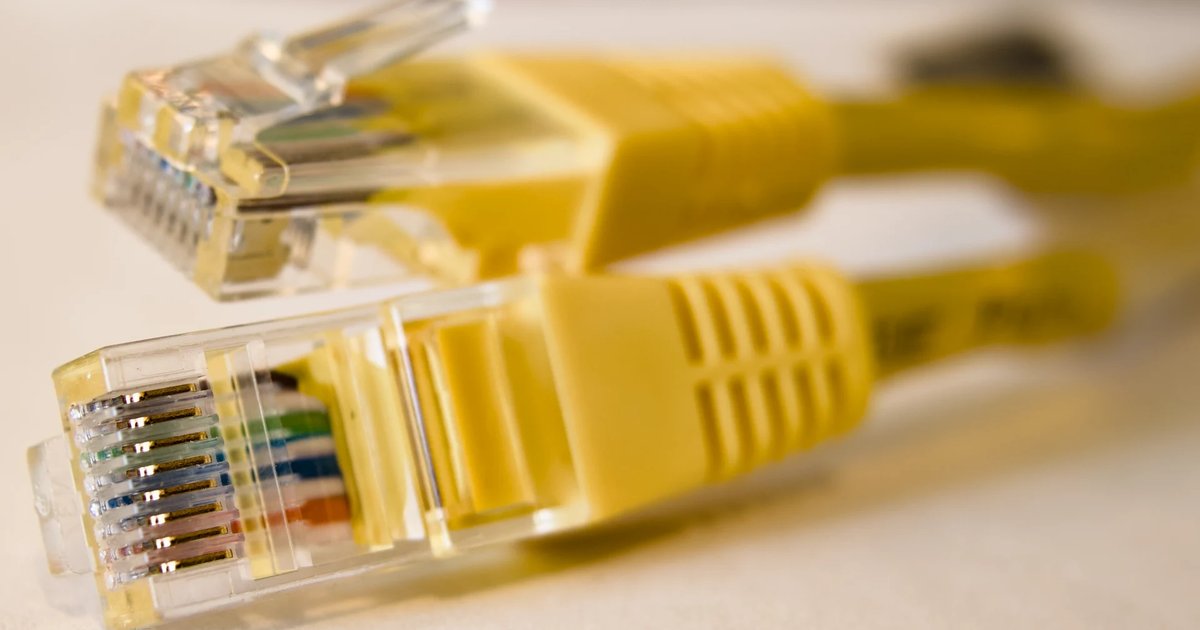
If disabling and re-enabling the adapter does not clear the error, skip software fixes and test the hardware. The issue is almost certainly physical. A bent pin inside the computer's Ethernet port can prevent one or more wire pairs from making contact, so the NIC never sees a complete circuit. Similarly, a broken retention clip on the cable plug may allow the connector to wiggle loose, breaking the link under slight vibration. Even a cable that passes a visual inspection can fail electrically, for example, a broken wire inside the jacket that still looks intact. To diagnose, you can tell what kind of Ethernet cable you have by checking the printing on the jacket (Cat5e, Cat6, etc.), but the real test is substitution: try a known-good cable. If the error persists with a different cable, inspect the port with a flashlight for bent pins. In rare cases, the router's port itself may be faulty. If you need to transfer files from PC to PC using Ethernet cable, a persistent "unplugged" error usually means one of the two ports or the cable is defective. Replace the cable first, then test the port with another device.
This page alone explains why simply reinserting the cable fails: the NIC latches a hardware-level "cable unplugged" flag that only a full adapter power-cycle can clear, which is why waiting is useless and a disable/re-enable cycle works in under two seconds.