Getting around screen time and parental controls bypass limits
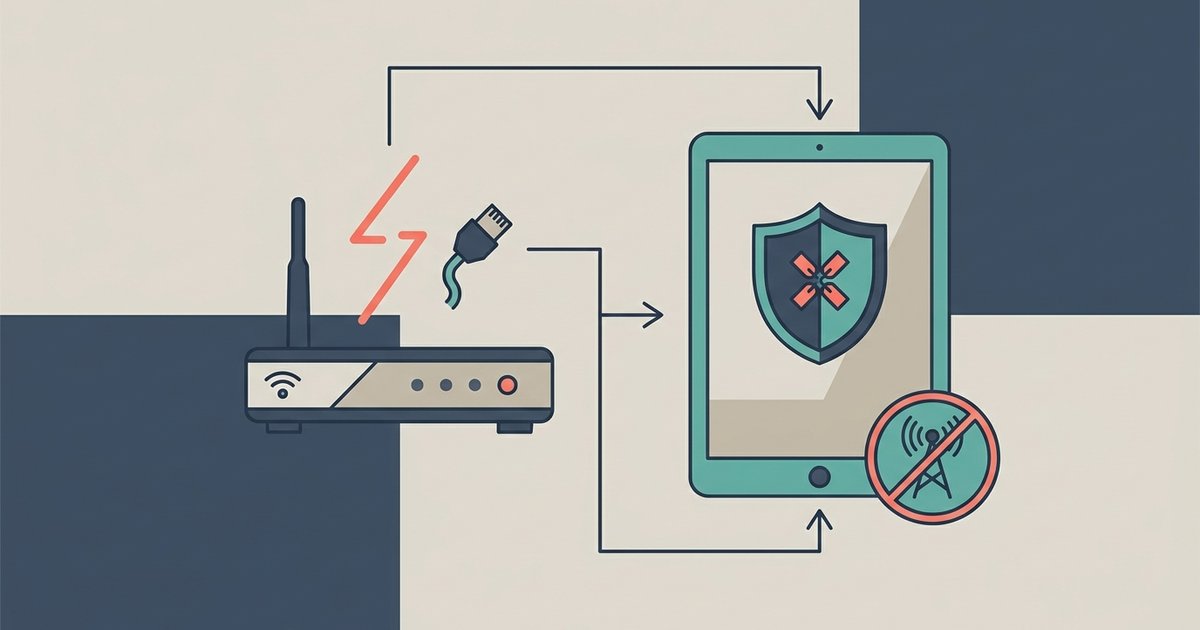
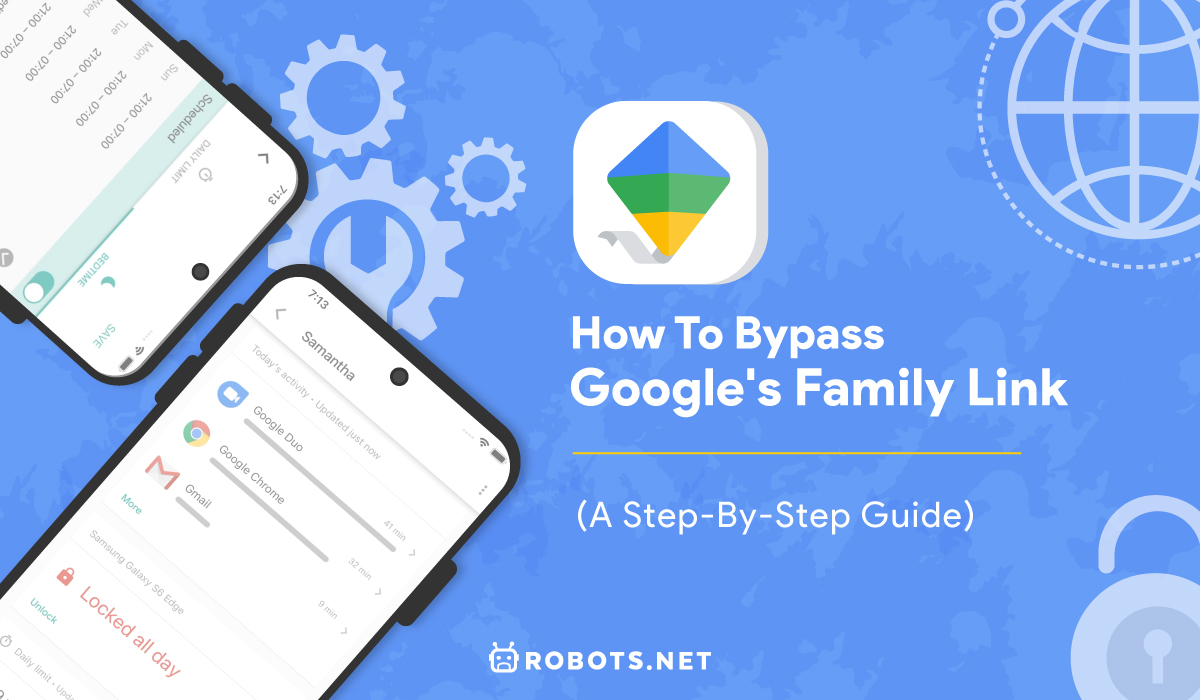
Kids often attempt a parental controls bypass with the simplest tricks first, such as trying to bypass screen time by changing the device date and time. This fools the check-in that compares the current moment against the allowed window. The restriction is enforced by the device’s internal clock, not a server. Many modern systems now log that change and can trigger a permanent lockout or send an immediate alert to your parent device. This makes the attempted bypass far more obvious than the original limit. Another frequent tactic involves disconnecting from Wi-Fi or cellular data. Users test whether parental controls working offline still block the app. Some permissions do fail gracefully without a connection. Others rely on a cached rule that must be refreshed online. Going offline might let a game launch once before the system locks it completely until you reconnect. For more determined users, the goal might be to bypass Google's family link. This typically requires deleting the supervising account or factory-resetting the device. Both actions erase all data and notify the parent immediately. Similarly, attempts to download apps without parent permission Apple often involve guessing the Screen Time passcode or using a different Apple ID. The App Store logs every request and sends a notification to the family organizer’s device. Entering the wrong parental control pin too many times does not free the device; instead, it typically prevents access until the correct passcode is entered.
Removing or resetting controls entirely
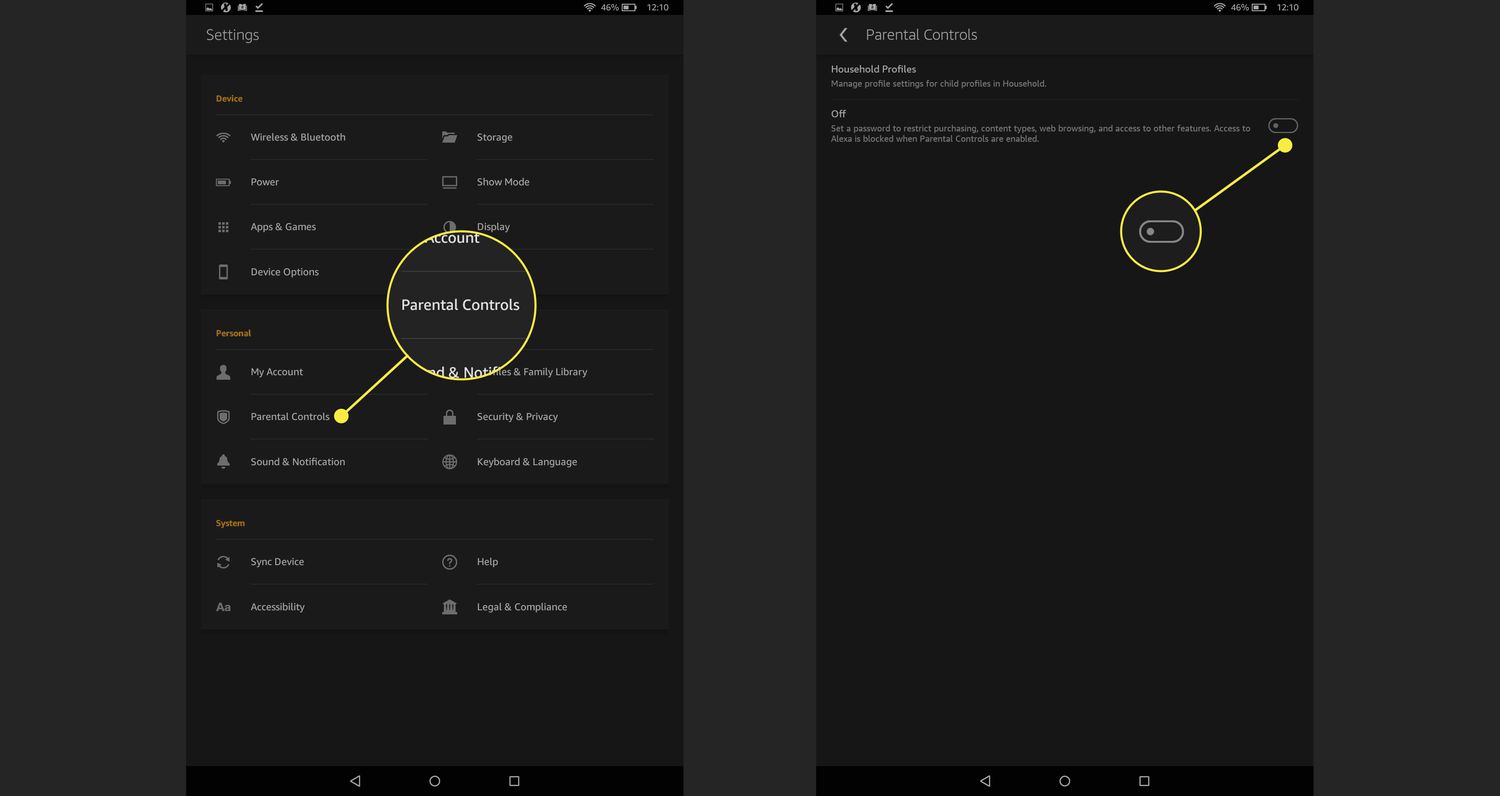
Trying to remove parental controls entirely often backfires in ways that make the restriction harder to ignore. Many parents wonder whether a factory reset removing parental controls without notifying parents is a clean escape. On most modern devices, especially phones and tablets running Android, the reset either requires the original Google account password to proceed. It can also trigger a silent alert to the parent account the moment the device comes back online. Similarly, entering the wrong parental control pin too many times does not open the device. Instead, it typically escalates the lockout, forcing you to wait several minutes or even hours between attempts. On some platforms it snaps a photo of whoever is trying the codes and sends it to the parent. If you are trying to turn off parental controls among us (the game itself), remember that the in-game settings are separate from the system-level restrictions. Wiping the game’s data or reinstalling it will not bypass the device’s time-based or screen-time limits. The parent will see a notification that the app was reinstalled. A common workaround is to block adult content on a tablet without family link by side-loading a different browser or DNS changer. This rarely works long-term because the device’s clock syncs with the network. Changing the date offline may give you a few minutes of freedom, but the next sync locks everything down again and logs the attempt. The safest path is to sit down with the parent, enter the correct PIN, and toggle the controls off in the settings menu. Any shortcut you try will leave a trail that no competitor’s guide can teach you to erase.
Blocking specific content and apps
Start with the most obvious targets. To block porn on a tablet, open the device’s settings. Find the screen time or restrictions menu. Enable content filters that flag adult websites and explicit language. Many tablets let you set a separate PIN for these controls. Remember the central insight: if the device clock or internet connection is tampered with, the filter may fail temporarily. It will then lock the entire settings menu until a parent logs in. For streaming devices, the process shifts slightly. To block apps on Roku TV, create a PIN in the system menu that locks the Channel Store. This code is required before launching any new or hidden apps. On a Vizio smart TV, the approach is similar but buried deeper. To block apps on Vizio smart TV, navigate to the parental controls inside the TV’s system settings. There you can hide or password-protect individual streaming channels. Content-based restrictions are trickier. To block a show on Netflix, you can block specific titles under 'Title Restrictions' in the profile's maturity settings on a web browser, or adjust the maturity rating level for each profile. This action hides entire categories of shows above that rating. Any attempt to bypass these rules by changing the date or going offline may not work as expected. It may also make the bypass attempt more obvious than the original restriction. The one sentence no competitor will write: The bypass attempt itself becomes the loudest alarm, not the content it tried to reach.