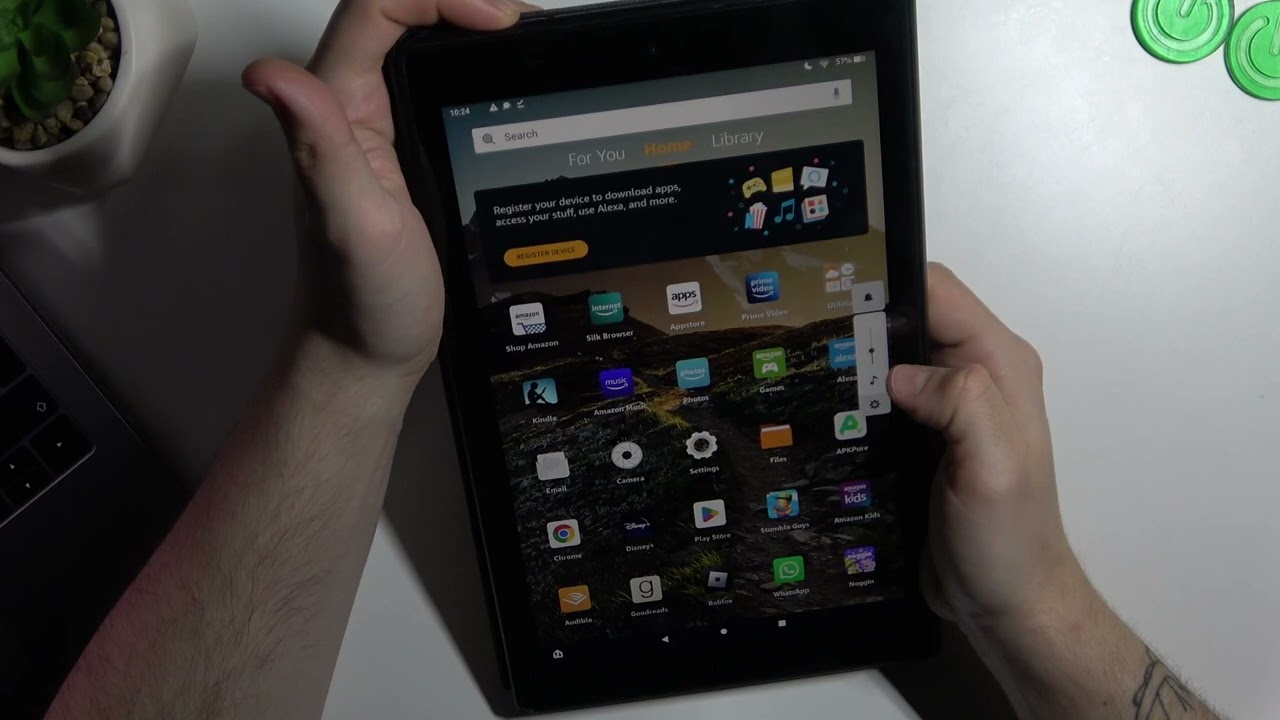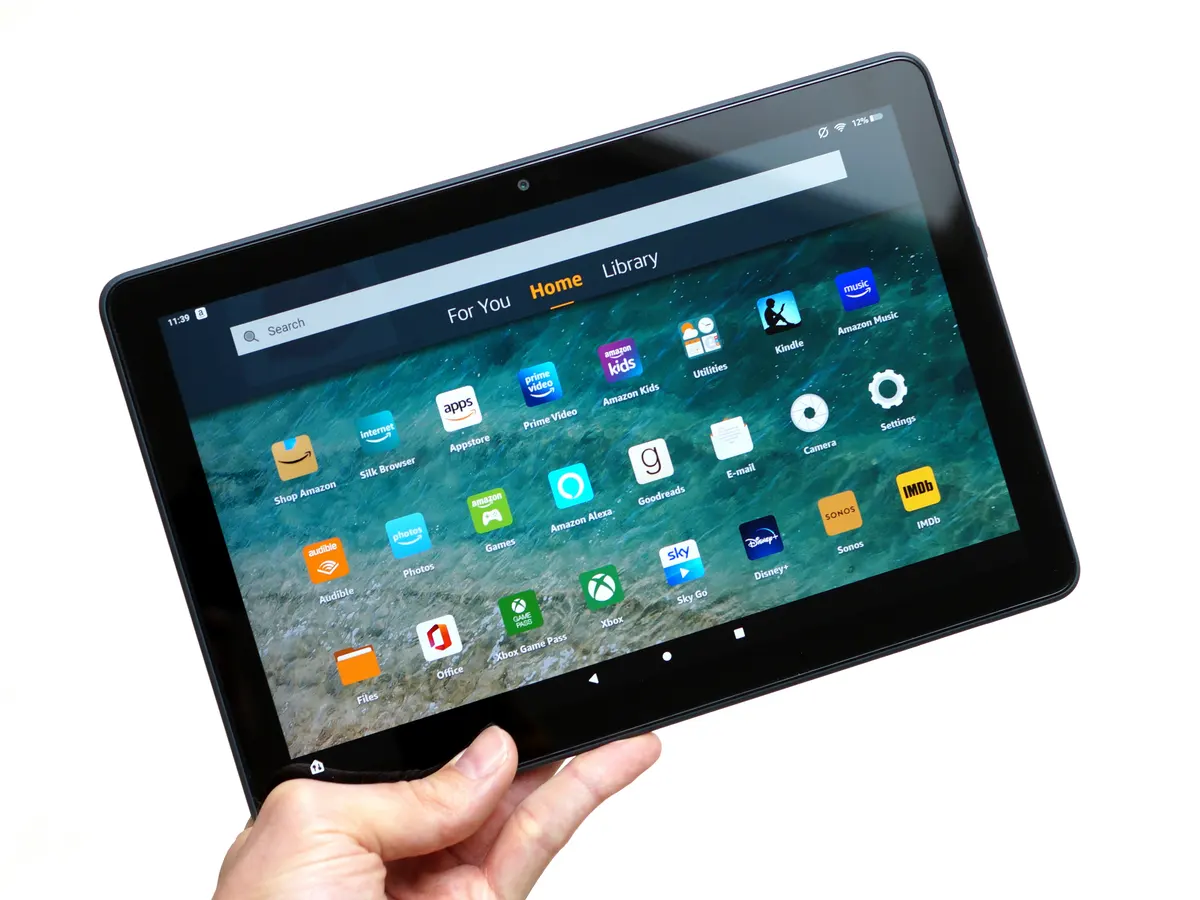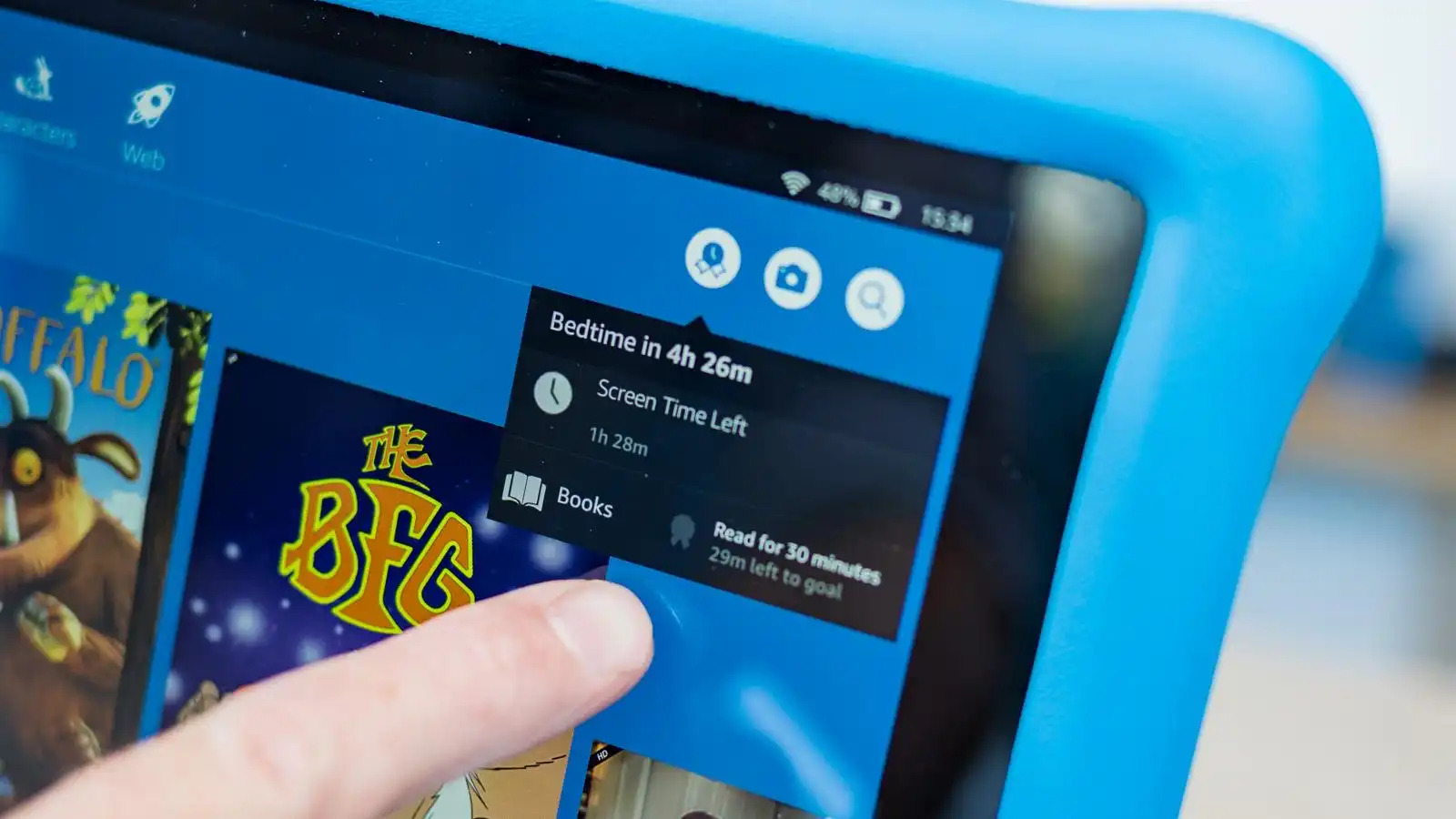
How to set screen time on an Amazon Fire tablet: The quickest path to the screen-time menu
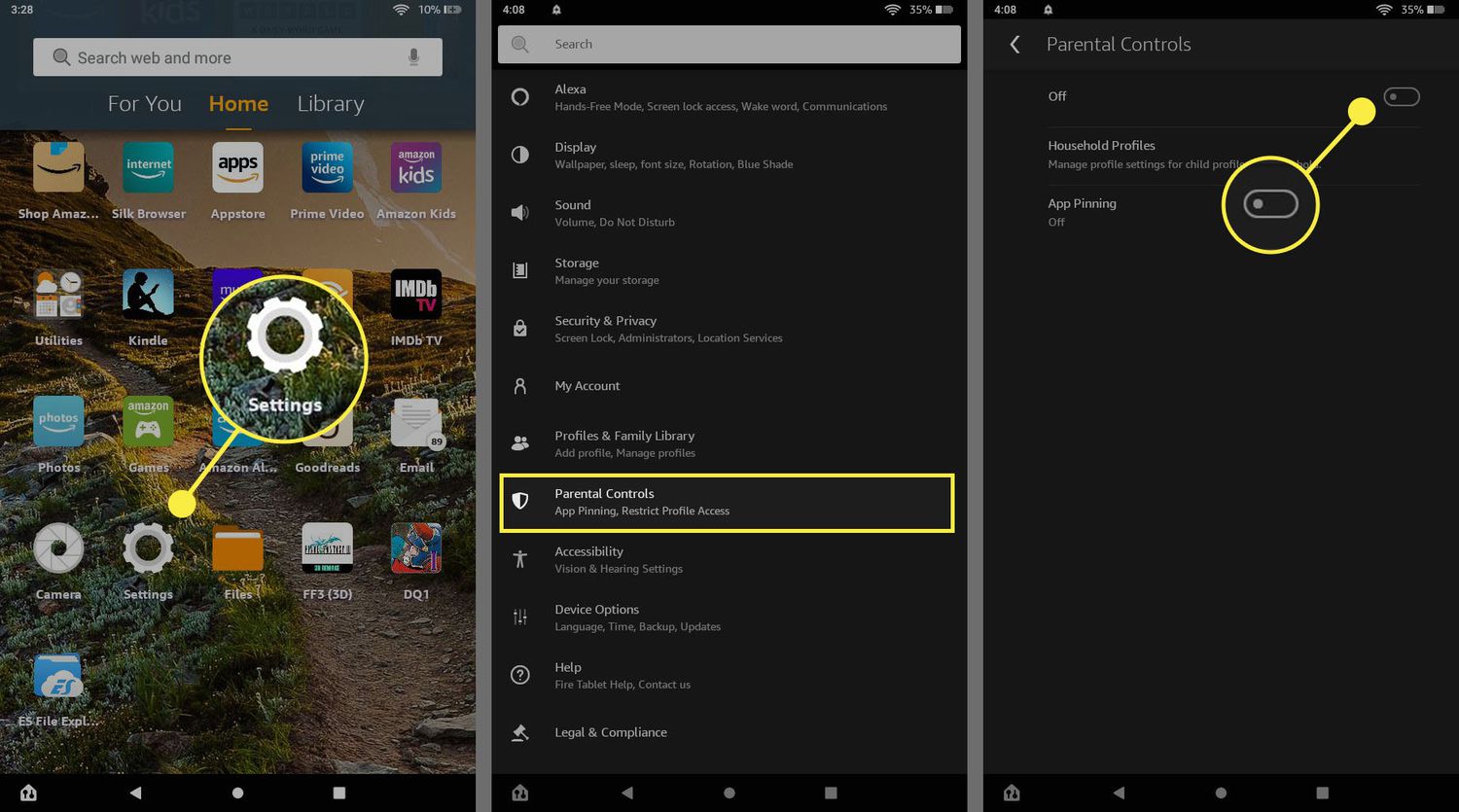
To set screen time on an Amazon Fire tablet, unlock the device, swipe down from the top of the screen, tap the gear icon to open Settings, then select “Parental Controls” and enter your PIN. From there, choose the child’s profile and tap “Set Daily Goals & Time Limits” to start configuring limits.
This menu is the control center for all time-based restrictions, so once you know how to reach it, everything else, daily caps, bedtime schedules, and educational goals, is just a few taps away. The process takes less than a minute once you’re familiar with the layout, and it works the same on Fire OS 7 and newer versions.
Creating a child profile for time limits
Before you can set any screen time rules, you need a child profile.
Once the profile is saved, it appears in the Parental Controls list. You can create multiple profiles for different children, each with its own time limits and restrictions. This means a 6-year-old can have a 1-hour daily cap while a 12-year-old gets 2 hours, both managed from the same tablet.
Note that changing the age may automatically adjust content filters, so double-check those afterward.
Turning on daily time limits and total screen time
After selecting the child’s profile, tap “Set Daily Goals & Time Limits.” You’ll see a toggle labeled “Daily Time Limits”, switch it on to reveal the full menu of options. The most important setting here is “Total Screen Time,” which sets a maximum number of hours and minutes the tablet can be used per day. Once that limit is reached, the device locks automatically and stays locked until the next morning (or until you manually extend time).
You can choose different total time limits for weekdays and weekends. For example, set 1 hour on school nights and 2 hours on Saturday and Sunday.
This is useful for special occasions like a movie night or a long car ride, and it doesn’t permanently change the daily limit.
Setting limits by activity type
Instead of one blanket limit, you can use “Time by Activity Type” to control how much time is spent on specific categories. Tap this option and you’ll see separate sliders for games & apps, reading, watching videos, and web browsing. Each category can have its own daily cap, so your child can’t spend their entire allowance on YouTube or Minecraft while ignoring books.
For example, set a 30-minute cap on videos, a 20-minute cap on games, and leave reading unlimited. This encourages balanced usage without requiring you to police every app individually. The limits apply across all apps within that category, so if your child switches from one game to another, the combined time still counts toward the games cap.
One thing to note: “Reading” includes Kindle books and educational apps marked as reading material, while “Web Browsing” covers the Silk Browser and any links opened from other apps. If you want stricter control, you can disable web browsing entirely from the content settings.
Scheduling bedtime and wake-up hours
The “Bedtime” feature lets you set a “Turn off by” time when the tablet becomes completely unusable, and a “Stay off until” time the next morning when it unlocks automatically.
You can set different bedtime schedules for weekdays and weekends. For instance, turn off at 8:00 PM on school nights and 9:30 PM on Fridays and Saturdays. The “Stay off until” time defaults to 6:00 AM or 7:00 AM, but you can adjust it to whatever works for your family’s morning routine.
If your child tries to charge the tablet during bedtime hours, they’ll still be blocked from using it, the restriction is based on the clock, not on battery status. This is particularly helpful for preventing late-night scrolling under the covers.
Requiring educational goals (Learn First)
If you want to ensure your child does some learning before entertainment, enable “Educational Goals” (sometimes labeled “Learn First”). This feature requires a minimum amount of time spent on educational apps, books, and videos before games and entertainment apps become accessible. For example, set a goal of 30 minutes of reading or math apps before YouTube unlocks.
You can set different educational goals for weekdays and weekends, perhaps 1 hour on school days and 30 minutes on weekends. The tablet tracks which apps count as educational based on Amazon’s content ratings, and you can manually mark specific apps as educational if they aren’t automatically recognized.
Once the educational goal is met, the entertainment content unlocks for the rest of the day, subject to the total screen time cap. If the child hasn’t met their educational goal, they’ll see a message explaining that they need to complete their learning time first.
Managing screen time remotely from the Amazon Parent Dashboard
You don’t have to be physically holding the tablet to change limits. Sign in to parents.amazon.com or open the Amazon Kids mobile app on your own phone, select the child’s profile, and navigate to “Daily Screen Time.” From here, you can adjust the total time limit, change bedtime hours, and modify educational goals, all without touching the Fire tablet.
Changes made in the Parent Dashboard sync to the tablet within a minute or two, so you can extend time for a sick child from another room or tighten limits while you’re at work. The dashboard also shows usage history, including which apps were used and for how long, so you can spot patterns like excessive gaming after school.
If you’re troubleshooting and need to reset the parental PIN, the dashboard provides a recovery path, just sign in with your Amazon account credentials and follow the “Forgot Password” link to create a new PIN.
Pairing content restrictions with screen time
Time limits control how long your child uses the tablet, but they don’t control what they see. To ensure the time they spend is also age-appropriate, go back to Parental Controls and tap “Manage Content & Privacy.” Here you can set an age filter (e.g., ages 5-7, 8-10, 11-13) that automatically blocks apps, books, videos, and websites outside that range.
For web browsing, tap “Web Browsing Settings” and enable the age filter plus SafeSearch. You can also create a whitelist of allowed websites or block specific domains. These settings work alongside your screen time limits, so a child might have 1 hour of tablet time but only access to kid-friendly content during that hour.
If you ever need to get to Settings quickly to adjust these filters, remember the shortcut: swipe down twice from the top of the screen to open the full Quick Settings panel, then tap the gear icon.
Fixing screen time not locking or syncing
If your screen time limits aren’t locking the tablet as expected, start by checking the tablet’s time zone. Go to Settings > Device Options > Date & Time and ensure “Automatic” is enabled. An incorrect time zone can cause the bedtime schedule or daily reset to fire at the wrong hour.
Next, verify that “Daily Time Limits” is still toggled on for the correct profile. It’s easy to accidentally switch it off when adjusting other settings. Also confirm that the child is actually using their own profile, if they’re logged into the adult profile, no limits apply.
If changes from the Parent Dashboard aren’t appearing on the tablet, check for a pending software update. Go to Settings > Device Options > System Updates and tap “Check Now.” Amazon regularly updates Fire OS to fix parental control bugs, so keeping the OS current resolves many syncing issues.
For a forgotten PIN, you can turn off parental controls on Amazon Fire tablet by tapping “Forgot Password” on the PIN entry screen, you’ll need to verify your Amazon account password to proceed. If you need to unlock my Amazon tablet because the PIN isn’t working at all, a factory reset is the last resort, but it will erase all profiles and settings.
If you’re trying to set a timer for a quick countdown (like homework breaks), that’s a different feature, use the built-in Timer app from the home screen, not Parental Controls. And if your child is stuck in kid mode, you can get the tablet out of kid mode by holding the power button and selecting “Exit Amazon Kids,” then entering your PIN.
For the wider topic, see unlock my Amazon tablet.
\nRelated reading: How To Set Volume Limit On Amazon Fire Tablet.