What incognito mode actually hides
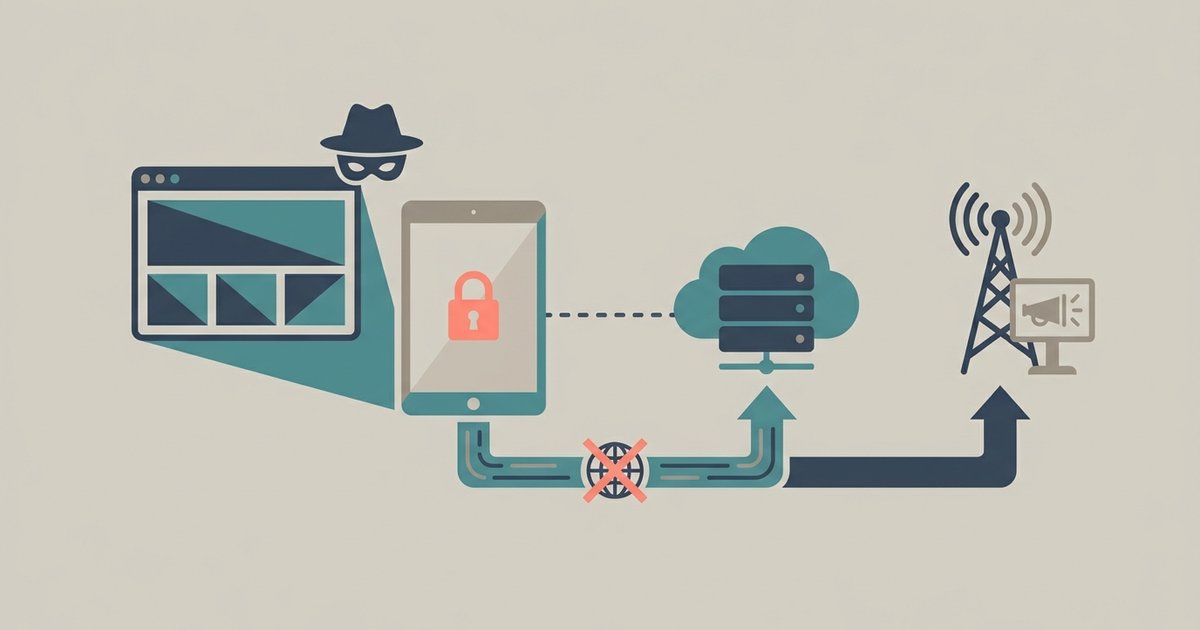
What does incognito mode do when you open a private window and visit a site like Facebook? Your browser won't save the search or the page to your local history. But the truth about incognito mode that you don’t know is that Facebook itself still logs every click, every search term, and every page you view while logged in. It knows your IP address, your device fingerprint, and exactly when you were there. There is no question of incognito mode hiding your IP from Facebook, because your IP is still visible to the site’s servers. The same applies on a work laptop. Your employer routes your traffic through their own network. An employer seeing incognito browsing on a work laptop happens because the company’s firewall or monitoring software sees every domain you visit, regardless of your browser’s privacy mode. You close the tab and later want to delete Facebook search history from a past session. You cannot do that from the browser. You must go into your Facebook account settings and remove it there, because the history was stored on Facebook’s servers, not on your device. Incognito hides your local trail, not your digital footprint.
Using incognito mode on your devices and apps
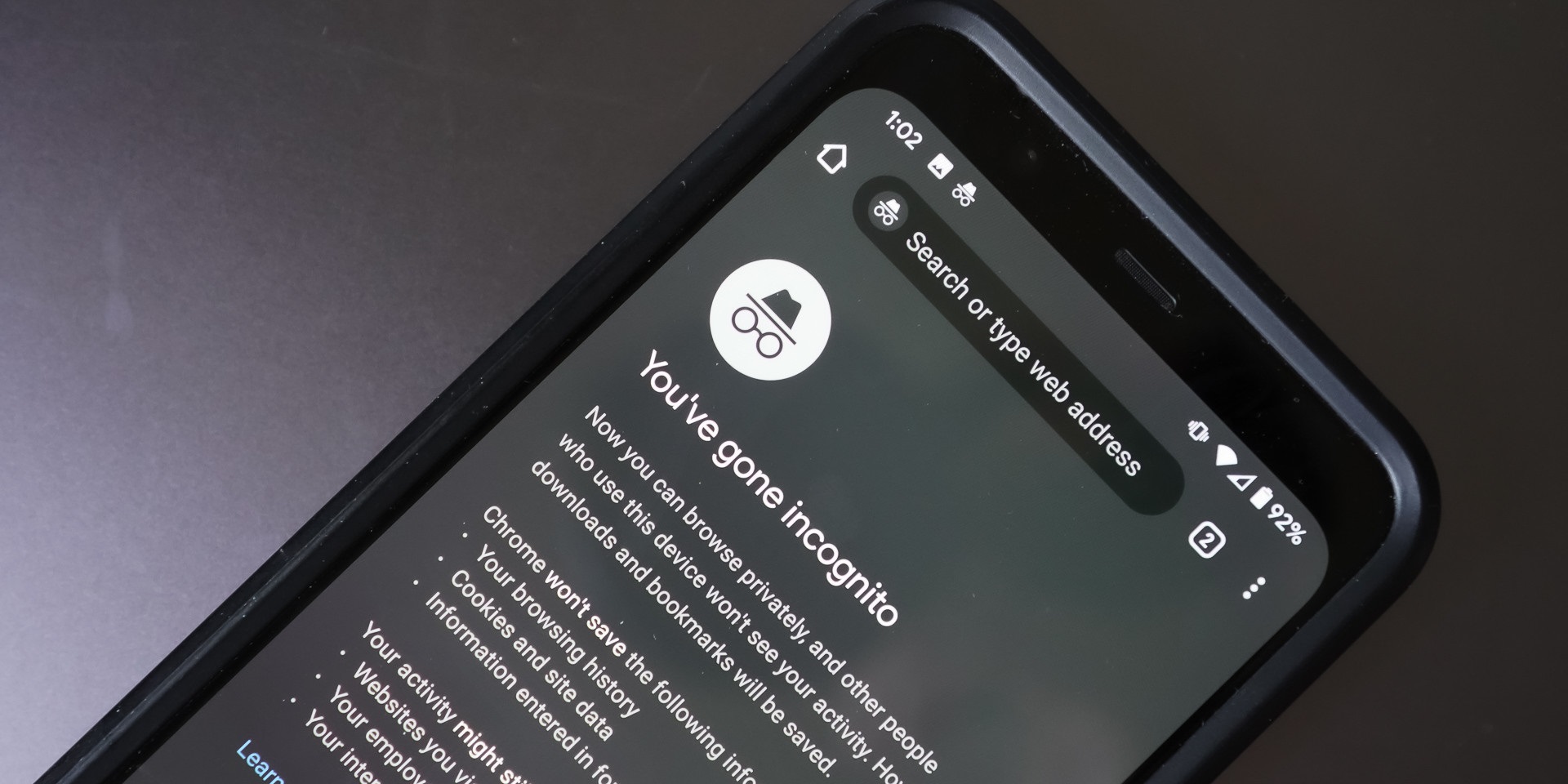
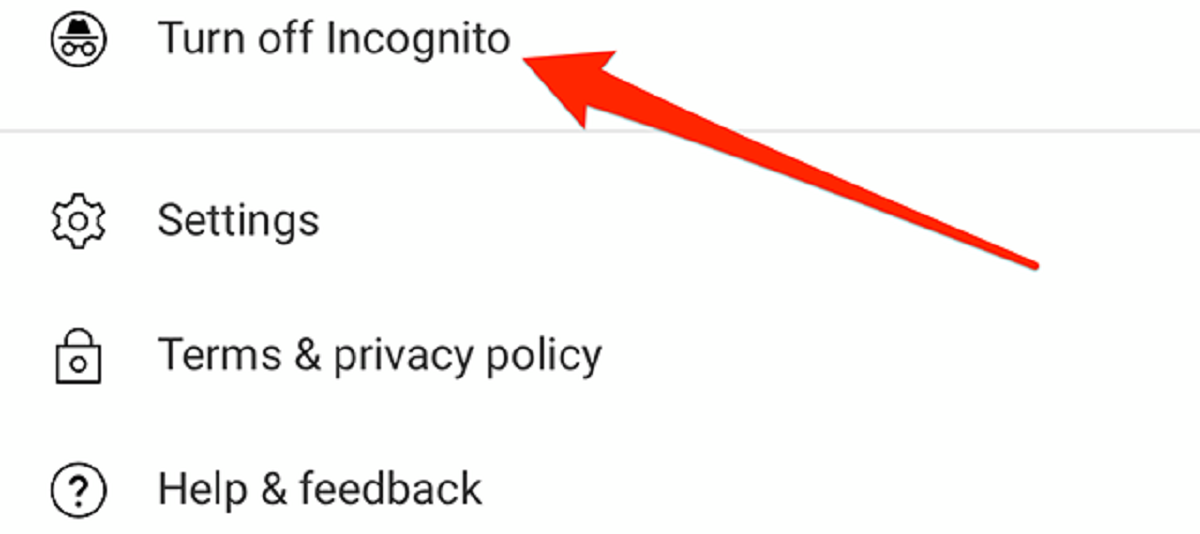
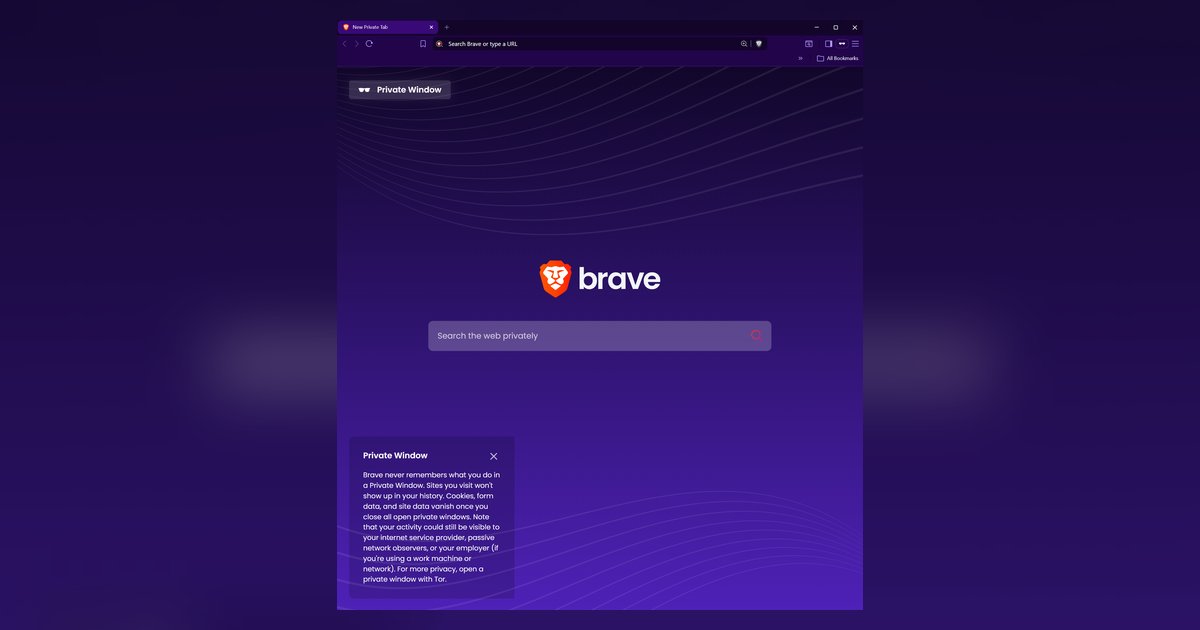
Open your browser’s menu, usually three dots or lines in the corner, and select the private browsing option. On a desktop, this is often labeled “New Incognito Window” in Chrome or “New Private Window” in Firefox and Safari. You can turn on incognito mode on Facebook by using your browser’s private window before logging into the site. This hides your Facebook activity from others who share your device. On a phone, the process is similar. In Chrome, tap the three-dot 'More' menu to the right of the address bar, then tap 'New Incognito tab.' To go incognito mode on Android in the YouTube app, tap your profile picture, select “Settings,” then “Privacy & safety,” and toggle the incognito icon in the video player. When you are done watching, remember to turn off incognito mode YouTube by tapping the incognito icon again and selecting “Turn off Incognito.” None of these steps hide your activity from your internet provider, employer, or the websites themselves. Each site still sees your IP address and can track your behavior, whether you are browsing airline fares or scrolling through a social feed. Incognito mode deletes your local history, but your digital silhouette remains fully visible to every server you touch.
Shopping and booking in incognito mode
Airlines and booking sites track you through your IP address, browser fingerprint, and the cookies they place on your device. Cookies are erased from your device when you close an incognito window, but your IP address and browser fingerprint are not. Even if you try to book flights in incognito mode, the site still knows roughly where you are. It also knows you are a returning visitor. So it can keep prices steady or even raise them on a second look. The real reason you often see flights still expensive in incognito searches is that the price you are shown depends on demand from your region and the timing of your search. It does not depend on the history stored in your browser. The one fact that separates reality from myth is that a private window only scrubs your local device, while the booking site still sees your IP address, your device fingerprint, and every previous search tied to that identity. To test prices more fairly, open a normal window, close all tabs, clear your cookies, and use a VPN to change your apparent location, then compare. Incognito mode alone does not hide your activity from your internet provider, your employer, or the booking site itself. It only keeps your own device from saving a record of the pages you visited.