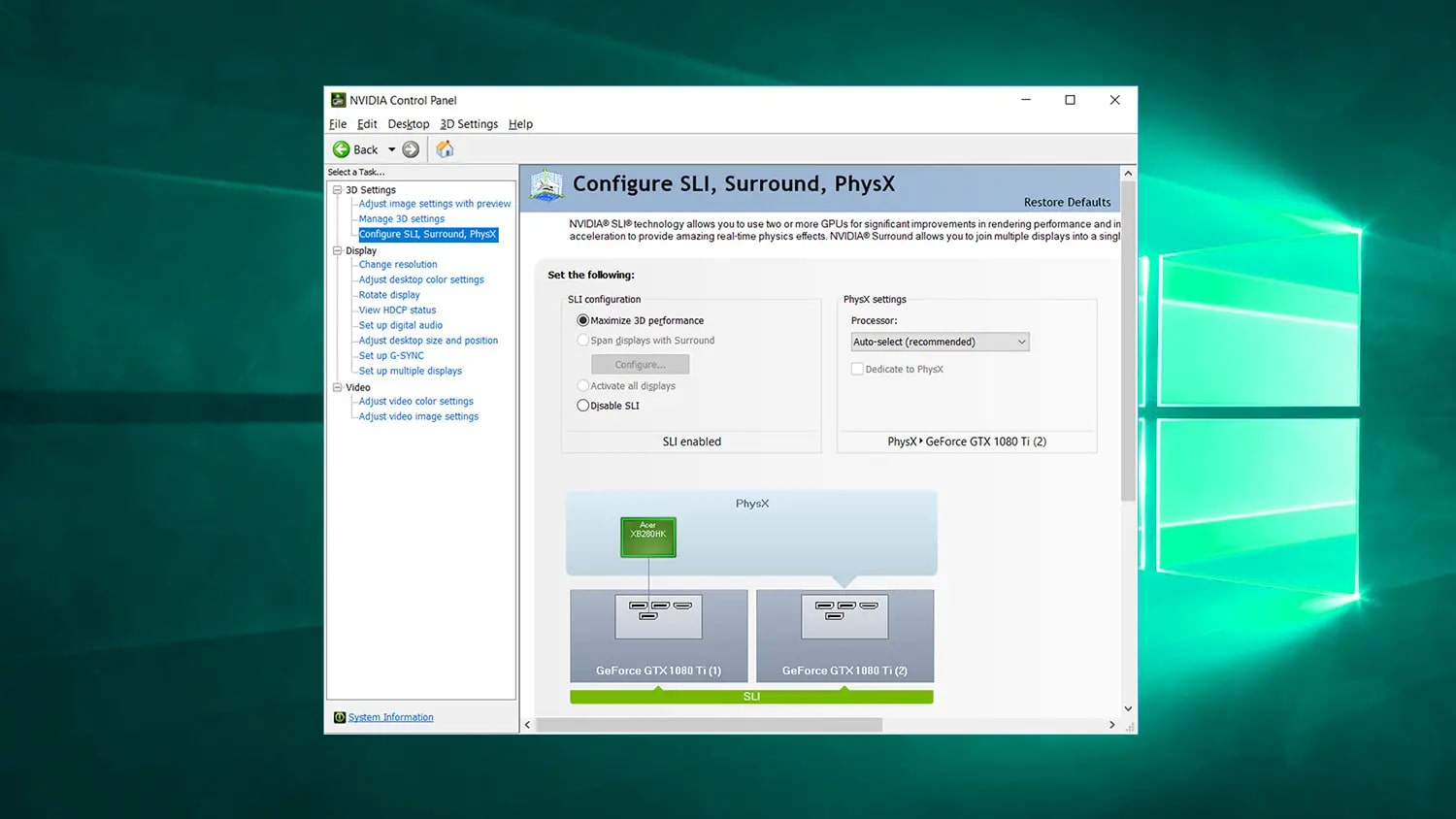
No, you cannot use Nvidia Control Panel without an Nvidia graphics card. The application will fail to launch or display an error message indicating no Nvidia hardware was detected, and Windows may not even show the option in the desktop context menu.
Can you use Nvidia Control Panel without an Nvidia graphics card?
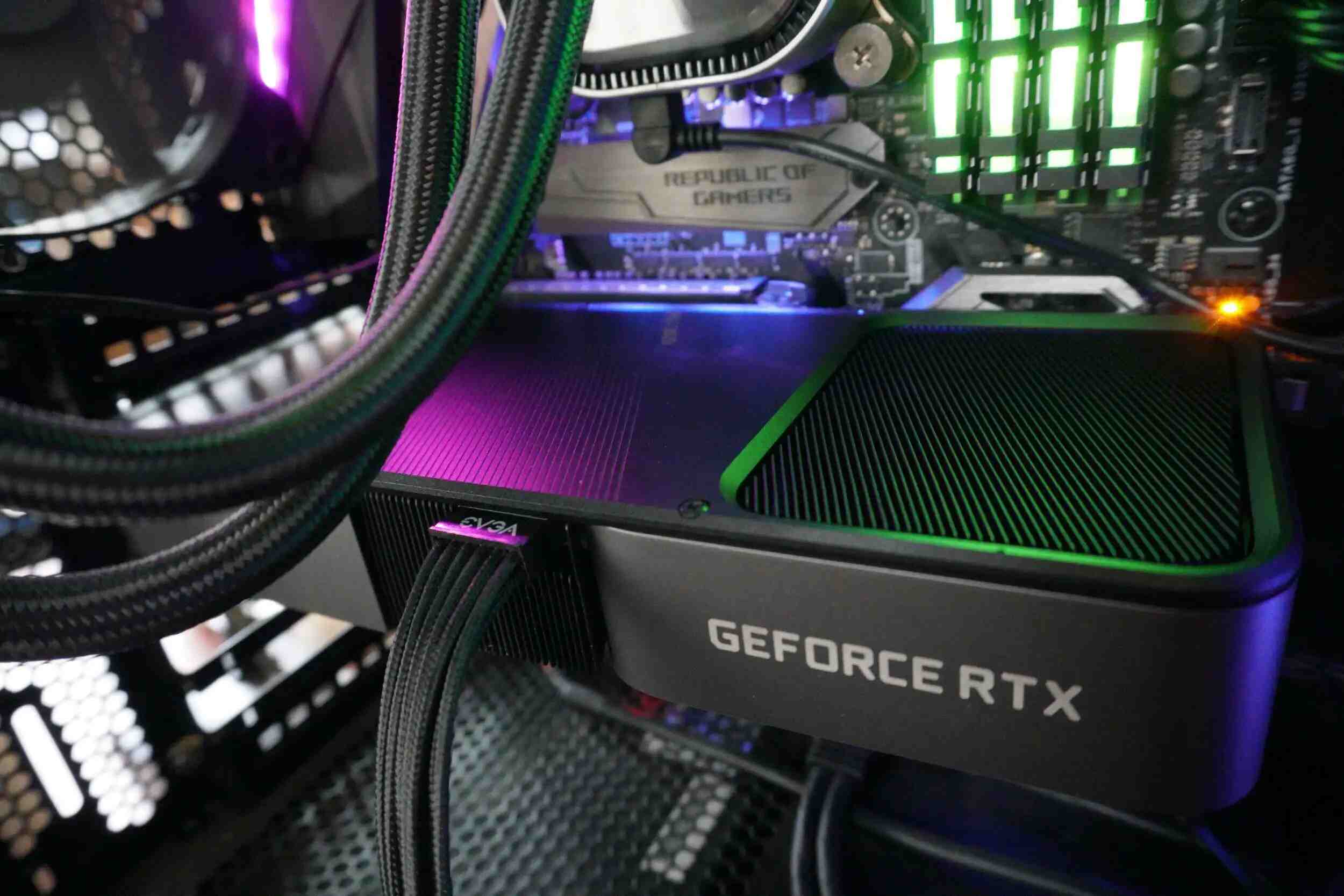
The direct answer is no. Nvidia Control Panel is a central hub for managing display settings, 3D configurations, and performance parameters specific to Nvidia GPUs. Without an Nvidia card physically installed, the software cannot function because it requires direct communication with Nvidia hardware components. Attempting to open it will either result in a failed launch or an error stating that no compatible Nvidia GPU was found. Windows also typically omits the Nvidia Control Panel entry from the right-click desktop menu when no Nvidia GPU is present.
Why the control panel refuses to run
The software performs a hardware check during startup and refuses to run when no compatible Nvidia GPU is present. This safeguard prevents system conflicts and ensures users cannot accidentally misconfigure settings for non-existent hardware. The driver dependency is equally strict: even if you somehow obtain the control panel files, it still requires a modern Nvidia graphics driver to function, which in turn demands physical Nvidia hardware. This layered verification exists to avoid instability, as applying GPU-specific settings to a system without the corresponding hardware could cause display glitches or system errors.
What you're really trying to do
If you are searching for a way to use Nvidia Control Panel without an Nvidia graphics card, your actual goal is likely to gain advanced control over display, 3D, and performance settings on your current GPU, whether it is an Intel integrated chip, an AMD Radeon card, or another brand. You want to adjust resolution, refresh rate, anti-aliasing, texture filtering, power management, or multi-monitor behavior. These capabilities are not exclusive to Nvidia; they are available through the native software provided by your actual GPU manufacturer. Before diving into those settings, you should make sure your PC is using your graphics card instead of basic motherboard video. If you do have an Nvidia GPU that is simply not being engaged, you can force laptop to use NVIDIA GPU to unlock the full Control Panel. Trying to force Nvidia's tool to run on non-Nvidia hardware is not a viable path, but the features you seek are accessible elsewhere.
Right tool for AMD graphics: AMD Radeon Software
If your system uses an AMD Radeon or AMD integrated graphics processor, AMD Radeon Software is the correct first-party control hub. It provides display configuration, performance tuning, gaming optimizations, and video enhancements tailored specifically to AMD hardware. You can adjust resolution, refresh rate, color depth, and enable features like Radeon Anti-Lag or Radeon Boost. This software is fully supported, regularly updated, and designed to extract the best performance from your AMD GPU. It is the direct equivalent to Nvidia Control Panel for AMD users, offering deep control without any compatibility issues.
Right tool for Intel graphics: Intel Graphics Command Center
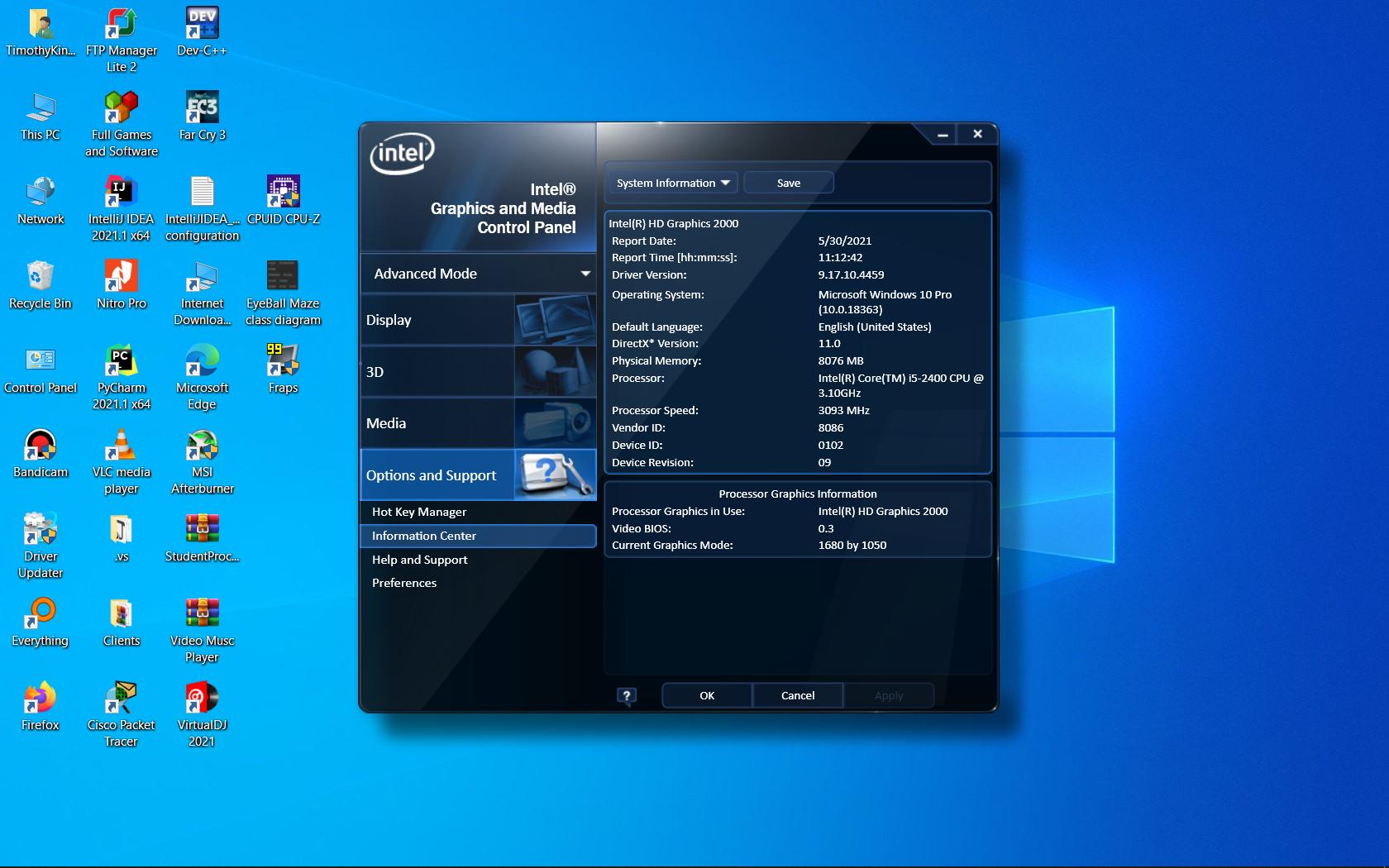
For systems with Intel integrated graphics or Intel Arc discrete GPUs, Intel Graphics Command Center is the native control hub. It allows you to manage resolution, refresh rate, display scaling, and video tuning, including color calibration and HDR settings where supported. The application is lightweight, modern, and optimized for Intel hardware. It also provides gaming-related options for Arc GPUs, such as performance monitoring and driver updates. If you are using Intel graphics, this is the tool that will give you the closest experience to Nvidia Control Panel, with full hardware compatibility and no workarounds required.
A note on Nvidia App and the retiring control panel
Nvidia is retiring the Nvidia Control Panel for most GeForce users and replacing it with the Nvidia App. The new application consolidates features from both the Control Panel and GeForce Experience, including 3D Settings and Multi-Monitor support. However, the Nvidia App also requires Nvidia graphics hardware to function. Even if you download the original Nvidia Control Panel from the Microsoft Store, a modern Nvidia driver is still mandatory, which again implies physical Nvidia hardware. The only exception where Nvidia Control Panel support continues is for RTX Pro GPUs until all professional features migrate to the Nvidia App. This transition reinforces the core rule: vendor-specific tools are tied to vendor-specific hardware, and no software trick will bypass that requirement.
Alternatives for cross-brand customization
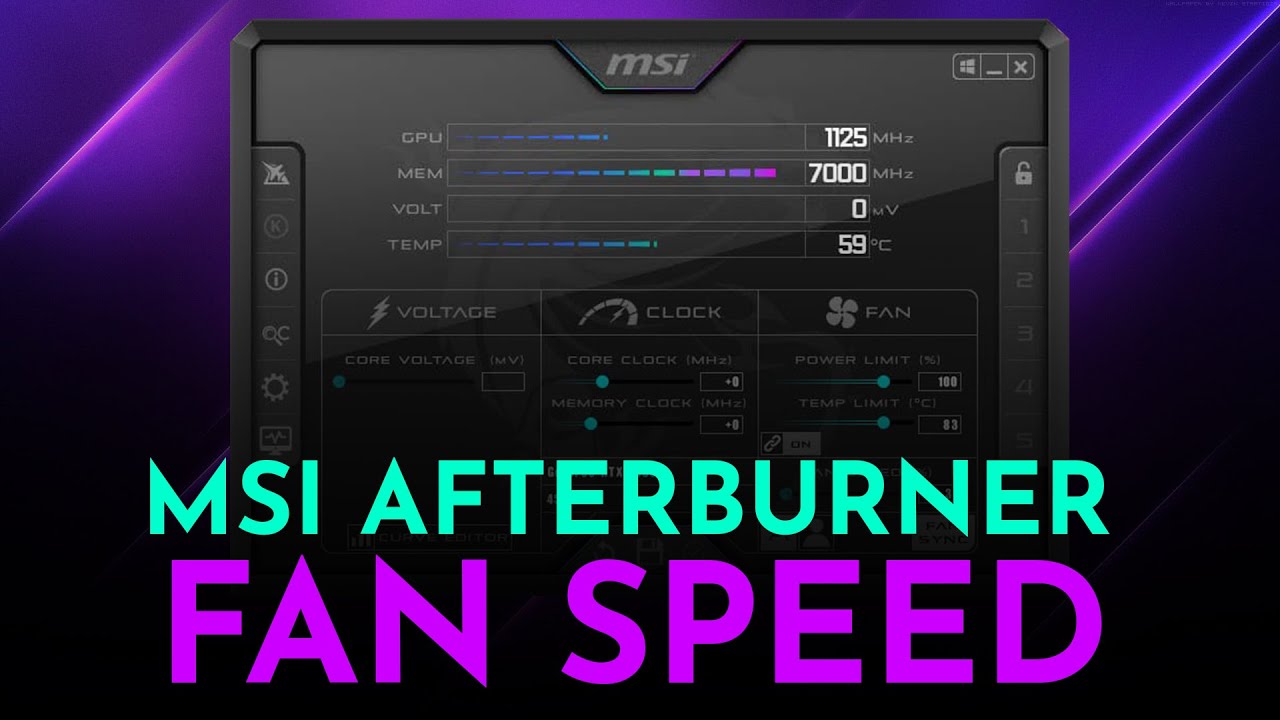
If you do not have an Nvidia GPU, your best universal fallback is to use the monitor's on-screen display (OSD) menu and Windows' built-in display and color management settings. The OSD lets you adjust brightness, contrast, sharpness, and sometimes refresh rate or aspect ratio directly on the monitor itself, regardless of GPU brand. Windows Settings provides resolution, scaling, and refresh rate controls, while the Color Management tool allows ICC profile assignment for accurate color reproduction. These options work on any system with any GPU, making them a reliable baseline for customization. For more advanced 3D or performance tuning, you may also explore third-party utilities like MSI Afterburner or RivaTuner Statistics Server, which support a wide range of graphics hardware and offer overclocking, fan control, and in-game overlays. Stick with the native tools for your actual hardware, and you will achieve the control you are looking for.
\nRelated reading: How To Know If Graphics Card Supports Directx 11.