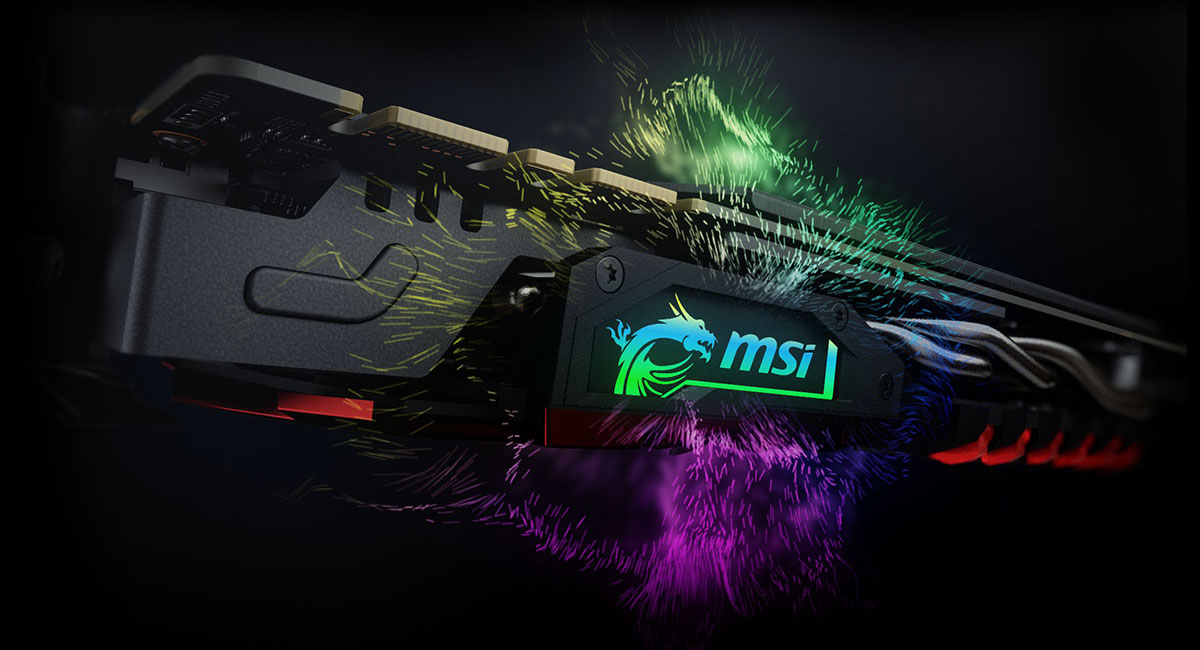
To change RGB on MSI GPU, you use the Mystic Light feature inside the MSI Center application, which has replaced the older Dragon Center software. This guide walks you through installing the necessary module, selecting your graphics card, and applying custom lighting effects, plus troubleshooting tips if things go wrong.
How to change RGB on msi GPU with MSI Center
MSI Center is the central hub for controlling all compatible MSI hardware, and its Mystic Light module is the dedicated tool for RGB customization. Unlike the older Dragon Center, which was split into separate apps, MSI Center consolidates everything into one interface, making it simpler to manage your GPU's lighting alongside other system settings. Whether you want a subtle static glow or a dynamic rainbow sweep, Mystic Light gives you full control over the LEDs on your graphics card.
Install MSI Center and the Mystic Light feature
Before you can change RGB on msi GPU, you need to have MSI Center installed on your system. If you haven't already, download the MSI Center application from the official MSI support page for your GPU model or from the MSI website. Once downloaded, run the installer and follow the on-screen prompts to complete the installation. After MSI Center is installed, launch it and look for the "Feature Sets" tab in the left-hand menu. This tab lists all optional modules you can add to MSI Center, including Mystic Light. If Mystic Light is not already listed as installed, click the install button next to it. This step is essential because without the Mystic Light module, the RGB controls for your GPU won't appear anywhere in the software.
Open Mystic Light and select your GPU
With Mystic Light installed, you can now access the RGB controls. In the MSI Center main window, click on the "Mystic Light" tab, this is where all compatible RGB components are displayed. The interface will show a visual representation of each detected device, including your GPU, motherboard, RAM, and any other Mystic Light, compatible peripherals. Click on the icon that represents your MSI GPU to select it. If you have multiple RGB components, make sure you’ve highlighted the GPU specifically, as each device can be customized independently. Once selected, the available lighting options for that component will appear on the right side of the screen.
Customize your GPU's RGB effects
After selecting your GPU, you’ll see a list of lighting effects to choose from. These include static (a single fixed color), breathing (pulsing in and out), flashing (blinking on and off), double (alternating between two colors), random (cycling through colors at random), rainbow (a smooth spectrum sweep), and music-reactive (which responds to audio from your system). Pick the effect that matches your preference, then use the color picker to choose your desired hue. You can also adjust brightness using the slider, some effects allow further tweaks like speed or direction. If you want your GPU lighting to match other components, you can enable the "Apply to all" option or sync it with your motherboard’s RGB via the same Mystic Light interface. Once you’ve set everything, the changes apply immediately, so you can see the result in real time. There’s no separate save button needed, Mystic Light stores your settings automatically and reapplies them on the next boot.
Troubleshooting common MSI GPU RGB problems
If your GPU doesn’t appear in Mystic Light, the first thing to check is whether the Mystic Light module is actually installed, go back to the Feature Sets tab and confirm it’s enabled. Also, verify that your GPU’s drivers are up to date, as outdated drivers can prevent the software from detecting the hardware. If the GPU shows up but the lighting isn’t responding to changes, try restarting MSI Center or rebooting your computer. Sometimes, third-party RGB software (like motherboard utilities or peripheral apps) can conflict with Mystic Light; close or uninstall any such programs and rely solely on MSI Center for GPU lighting. If you’ve recently updated MSI Center and the RGB controls disappeared, check for a newer version of the Mystic Light module in the Feature Sets tab and update it. For persistent issues, ensure that the GPU’s power cables are securely connected, RGB LEDs draw power from the card itself, and a loose connection can cause them to fail. If none of these steps work, consult MSI’s official support resources for your specific GPU model, as rare firmware issues may require a tool like MSI Live Update to resolve. Keep your system’s cooling in mind as well; while RGB settings don’t directly affect fan curves, the Mystic Light interface sometimes sits near fan control options, so double-check you haven’t accidentally altered those settings while tweaking lighting.
\nRelated reading: How To Find GPU Serial Number, How To Force Laptop To Use Nvidia GPU, and How To Check If GPU Is Getting Enough Power.