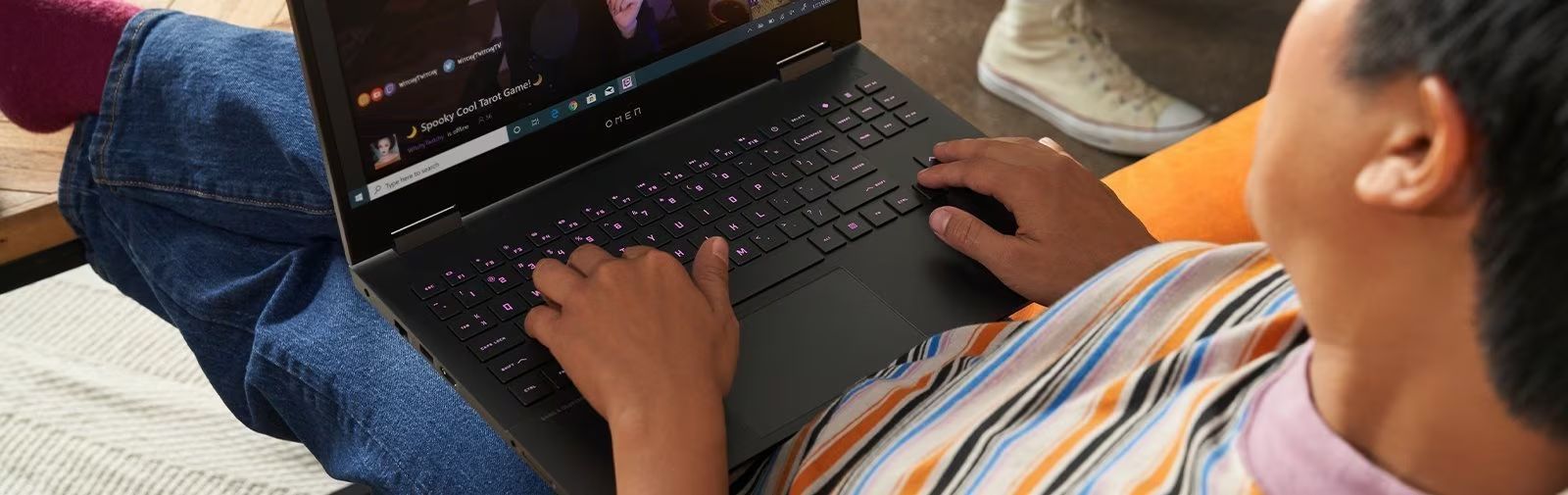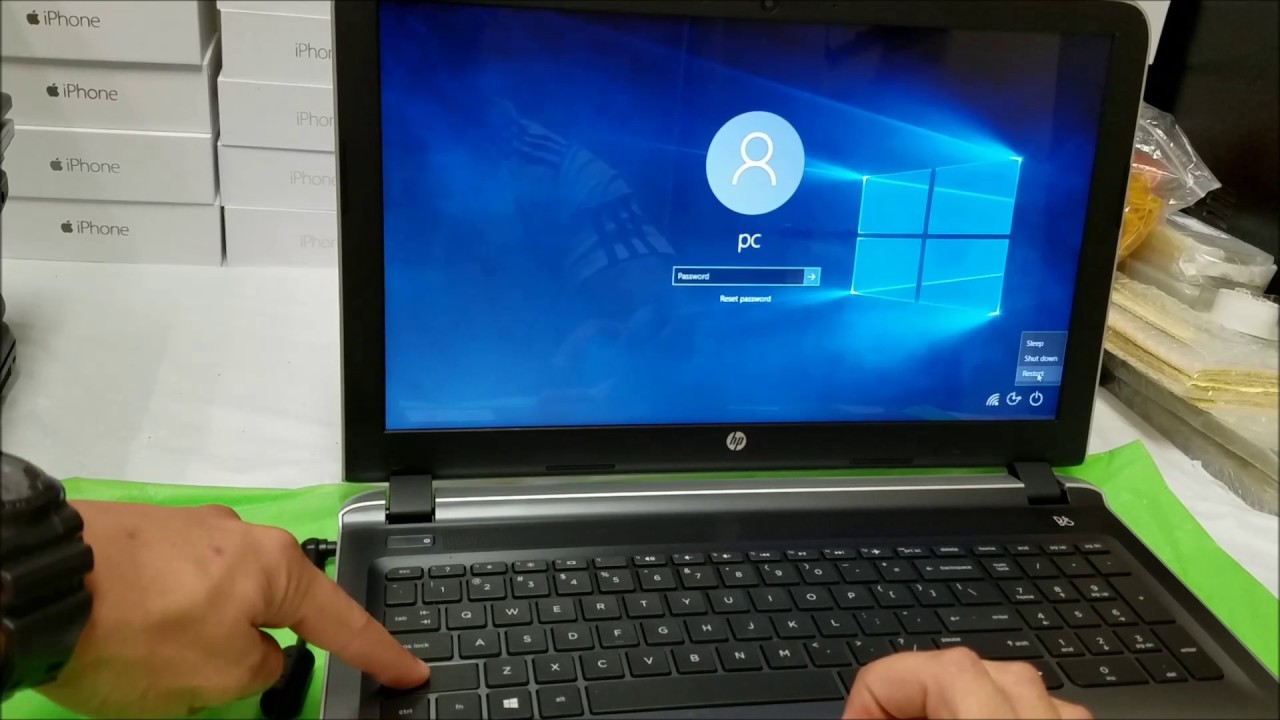
To factory reset your HP Pavilion Gaming Laptop, you will erase all personal data and restore the system to its original out-of-box state, which is a powerful solution for persistent performance issues or preparing the device for sale. Before starting, ensure you have backed up important files, as the process removes all installed programs, customized settings, and personal files.
Before you factory reset your HP pavilion gaming laptop
Completing these preparatory steps will prevent data loss and ensure the reset runs smoothly without interruption.
- Back up your data. Copy important files, photos, and documents to an external drive or cloud storage service. A factory reset erases everything on the laptop’s hard drive, so this step is critical.
- Plug into AC power. Connect the laptop to its AC adapter and a wall outlet for the entire reset process. An interruption due to power loss can corrupt the system.
- Unplug peripherals. Disconnect all accessories and peripherals, such as USB drives, external mice, and printers, before starting.
- Sign out of accounts. Sign out of your Microsoft account, email, and other online accounts, and deactivate any licensed software to avoid activation issues later.
Factory reset from within Windows (Windows 11 & 10)
If your laptop starts normally, this is the primary method. The navigation differs slightly between Windows 11 and Windows 10, but both lead to the same reset options.
Windows 11
- Open the Start menu and click Settings.
- Go to System, then select Recovery.
- Under "Reset this PC," click Reset PC.
- Choose between "Keep my files" (reinstalls Windows but keeps personal files) or "Remove everything" (deletes all personal data, apps, and settings).
- Select a reinstallation method: "Cloud download" downloads a fresh copy of Windows from Microsoft’s servers and is often recommended for a cleaner installation, while "Local reinstall" uses existing Windows files on your PC.
- Follow the on-screen prompts to complete the reset.
Windows 10
- Open the Start menu and click Settings (gear icon).
- Go to Update & Security, then select Recovery.
- Under "Reset this PC," click Get started.
- Choose between "Keep my files" or "Remove everything."
- Select either "Cloud download" or "Local reinstall."
- Follow the on-screen prompts to complete the reset process.
Factory reset when you can't log into Windows
If you are locked out of Windows, for example, due to a forgotten PIN, or the system is unresponsive, use one of these alternative methods. There is no universal master unlock code for HP laptops; a factory reset is typically required in such situations.
Reset from the sign-in screen
- On the sign-in screen, hold the Shift key on your keyboard.
- While holding Shift, click the Power icon in the lower-right corner, then select Restart.
- After the laptop restarts, select Troubleshoot, then Reset this PC.
- Choose your preferred reset option (e.g., "Keep my files" or "Remove everything").
- Follow the prompts to finish.
Reset using the F11 key at startup
- Turn on the laptop and immediately press the F11 key repeatedly until the Windows Recovery Environment (WinRE) or HP Recovery Manager screen appears.
- Select Troubleshoot from the boot options menu.
- Click Reset this PC.
- Follow the prompts to finish.
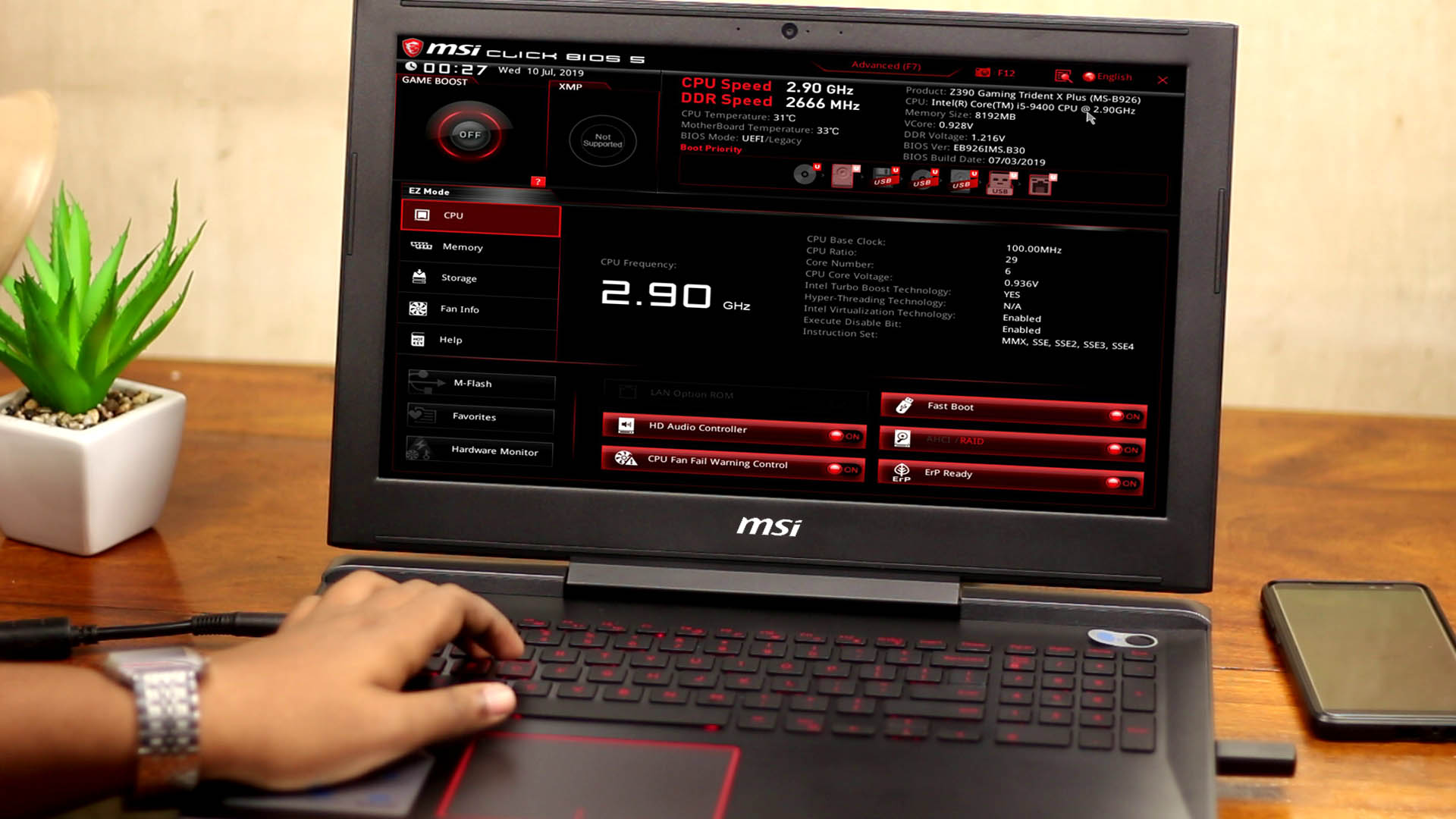
For some HP models, repeatedly tapping F11 immediately after powering on can access the HP Recovery Manager directly, where you can select "System Recovery" or "Recover" to restore to factory condition. Using this option will reinstall the original factory image and result in the loss of all user-created files and programs. If your computer has HP Sure Recover enabled, you might need to disable it in the BIOS (by pressing F10 at startup, navigating to the Advanced tab, selecting Sure Recover, and clearing the checkbox) before using the Windows reset feature.
What to do after the factory reset
Once the reset completes, the laptop will restart and present the Windows setup screen. Follow the on-screen prompts to configure your region, language, and user account. After setup, reinstall any necessary applications you use regularly, then restore your backed-up files and data from your external drive or cloud storage. This final step ensures your HP Pavilion Gaming Laptop is ready for use with your personal content and preferred software.
\nRelated reading: How To Factory Reset A Dell Laptop, How To Factory Reset Beelink Mini PC, and How To Turn A Laptop Into A Gaming Laptop For Free With Software.