Expect to pay between $100 and $250 per drop for a professional installer, with most whole-home jobs landing between $400 and $3,500 depending on the number of rooms and wall accessibility.
What an Ethernet installation cost 'drop' actually means
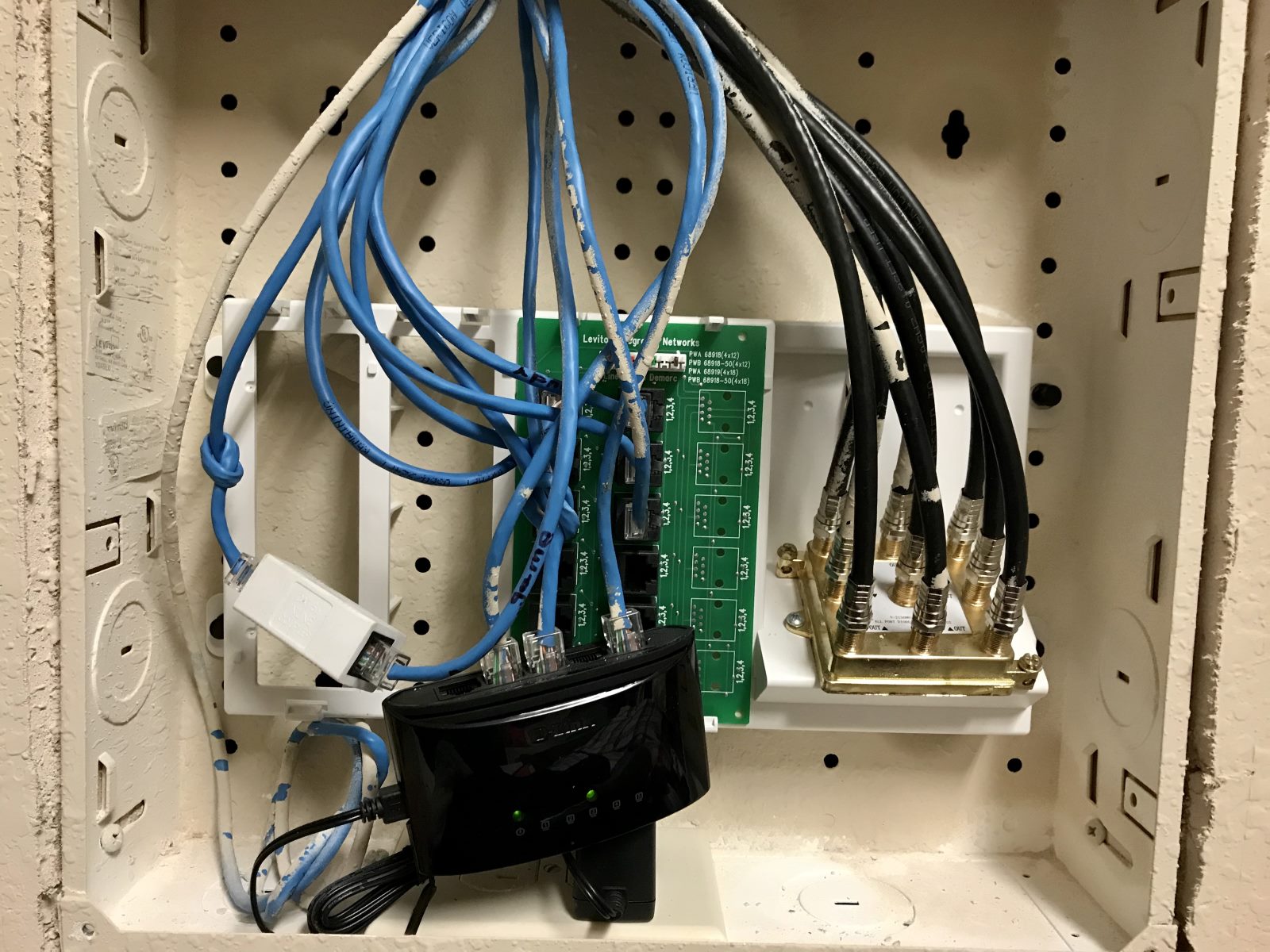
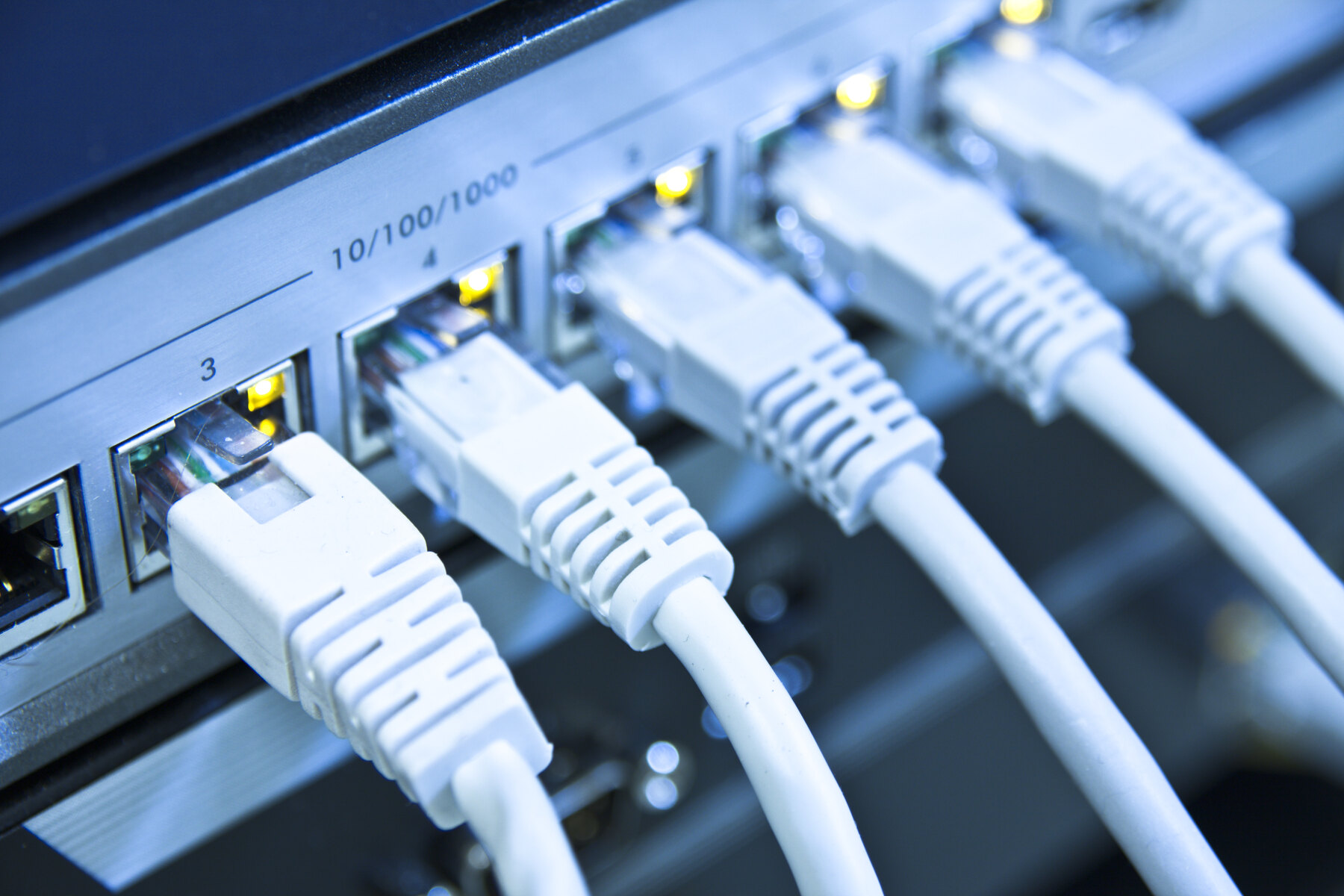
Before you call anyone, understand the unit an electrician uses to build your estimate. A drop is a single cable run from your router or network switch to a wall jack. If you want one Ethernet port in the living room, that is one drop. But if you want two ports side by side in your home office, one for a desktop and one for a printer, that counts as two drops, because the electrician must pull two separate cables through the wall cavity. This distinction matters because most homeowners imagine "one room equals one drop," and the surprise on the invoice comes from realizing a home theater setup with three devices requires three drops. Tell your electrician you want a quote priced per drop, and ask them to itemize each run separately so you can cut or add work before they start. If you later need to unplug Ethernet cable from a wall jack to move furniture, the drop remains; the labor is already paid for. The per-drop price typically includes the wall plate, the keystone jack, and the termination of the cable ends.
The labor vs. materials split
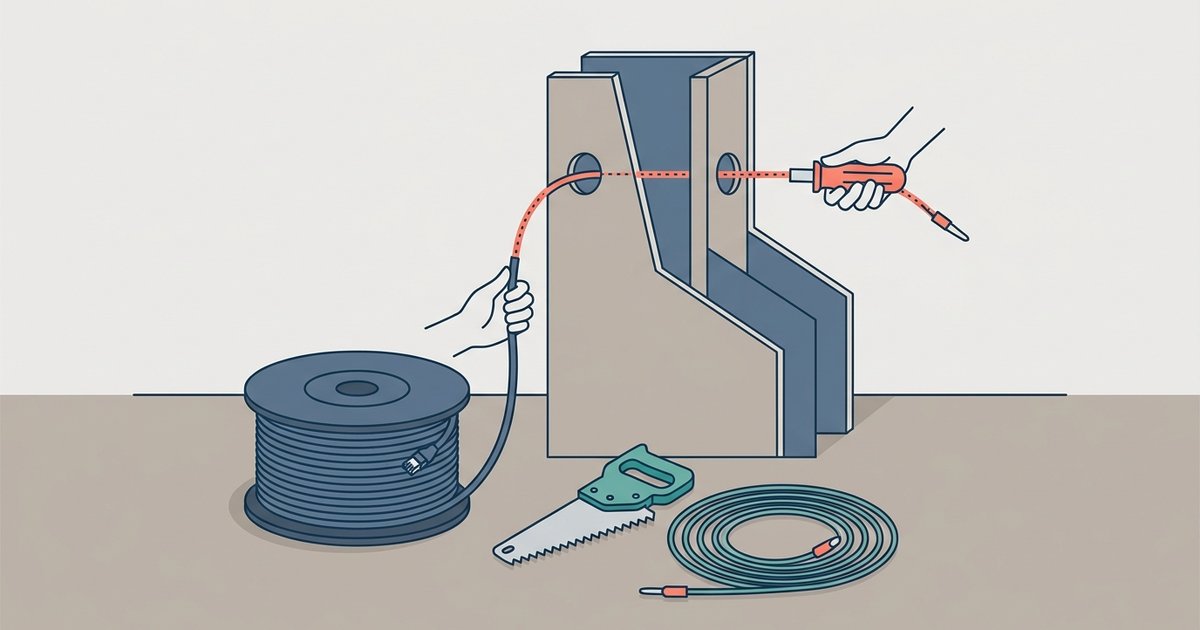
The cable itself costs very little, good Cat6 runs about $0.30 to $0.50 per foot. What you are paying for is the labor of fishing wire through finished walls, which is the hardest part of the job. An electrician must drill through top plates, navigate around insulation, avoid electrical wires and plumbing, and then pull the cable from attic or crawlspace down to a cut-in box. This process can take 30 to 60 minutes per drop in a finished wall. The materials, wall plates, jacks, and a spool of cable, rarely exceed $50 per drop. The rest is labor. Conversely, if you are remodeling and the walls are open (drywall removed), book the electrician for the rough-in phase before the drywall crew arrives. An electrician can simply staple the cable to studs and run it in minutes, often charging half the finished-wall rate or even a flat fee. During a remodel, you can also easily find out wifi password through Ethernet cable if you set up a dedicated access point, because the hardwired backbone gives you direct router access without signal interference.
When the electrician says no or quotes a sky-high price
Not every wall is fishable. Three common failure cases drive the price up or kill the job entirely. First, fire blocks: horizontal 2x4 lumber inside the wall cavity between studs, installed to slow flame spread. Fishing around a fire block requires cutting a small access hole, fishing through, then patching and painting that hole, which adds to the labor cost. Second, insulation: dense fiberglass or blown-in cellulose can snag the cable and make pulling impossible without damaging the wall. Third, plaster walls over metal lath: these walls are brittle, and the lath shreds cable jackets. If your home has old plaster, expect a quote 50% higher or a polite refusal. Concrete or brick walls are even worse, surface-mount conduit or baseboard raceway becomes the only option. In any of these scenarios, skip the in-wall quote entirely and instead tell what kind of Ethernet cable you have by checking the print on the jacket, then use a flat cable under a rug as a temporary fix. For a permanent hidden run in tough walls, hire a low-voltage specialist who owns a glow rod kit and a flex bit, not a general electrician. And if you ever need to transfer files from PC to PC using Ethernet cable without a network, a direct crossover cable between two machines works fine, but that’s a $10 solution, not a $300 one.
You must verify current pricing directly with at least three local professionals before signing a work order. This price reflects the reality that running Ethernet through finished walls is a precision job requiring specialized tools and experience, not a simple cable swap.
No competitor will tell you this: the only number that matters on your quote is the per-drop labor rate for a finished wall with no fire blocks, because every other line item is a markup on a $0.30-per-foot commodity.