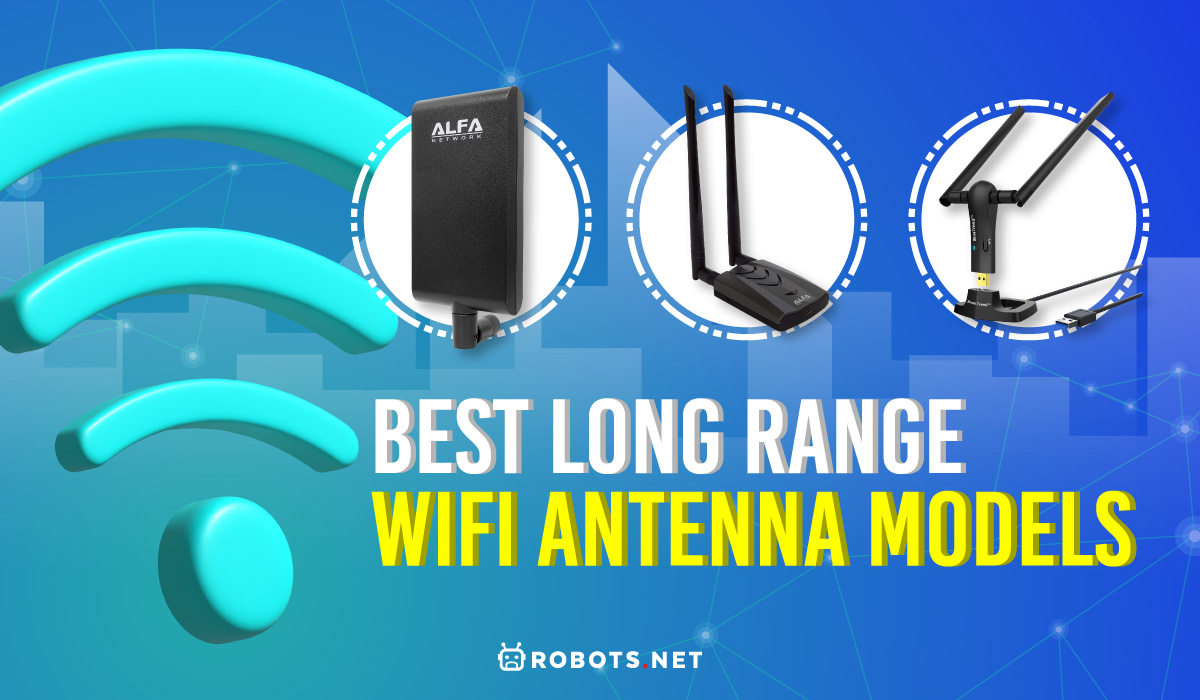
If your WiFi signal dies in the backyard, basement, or a distant office, a long range wifi antenna is the direct solution. These antennas capture or broadcast a stronger signal over greater distances, eliminating dead zones by focusing energy or spreading it wider than your router's built-in antennas can. Unlike a new router, a long range wifi antenna works with your existing internet plan to push coverage where it's needed most.
What is a long range wifi antenna and why you need one
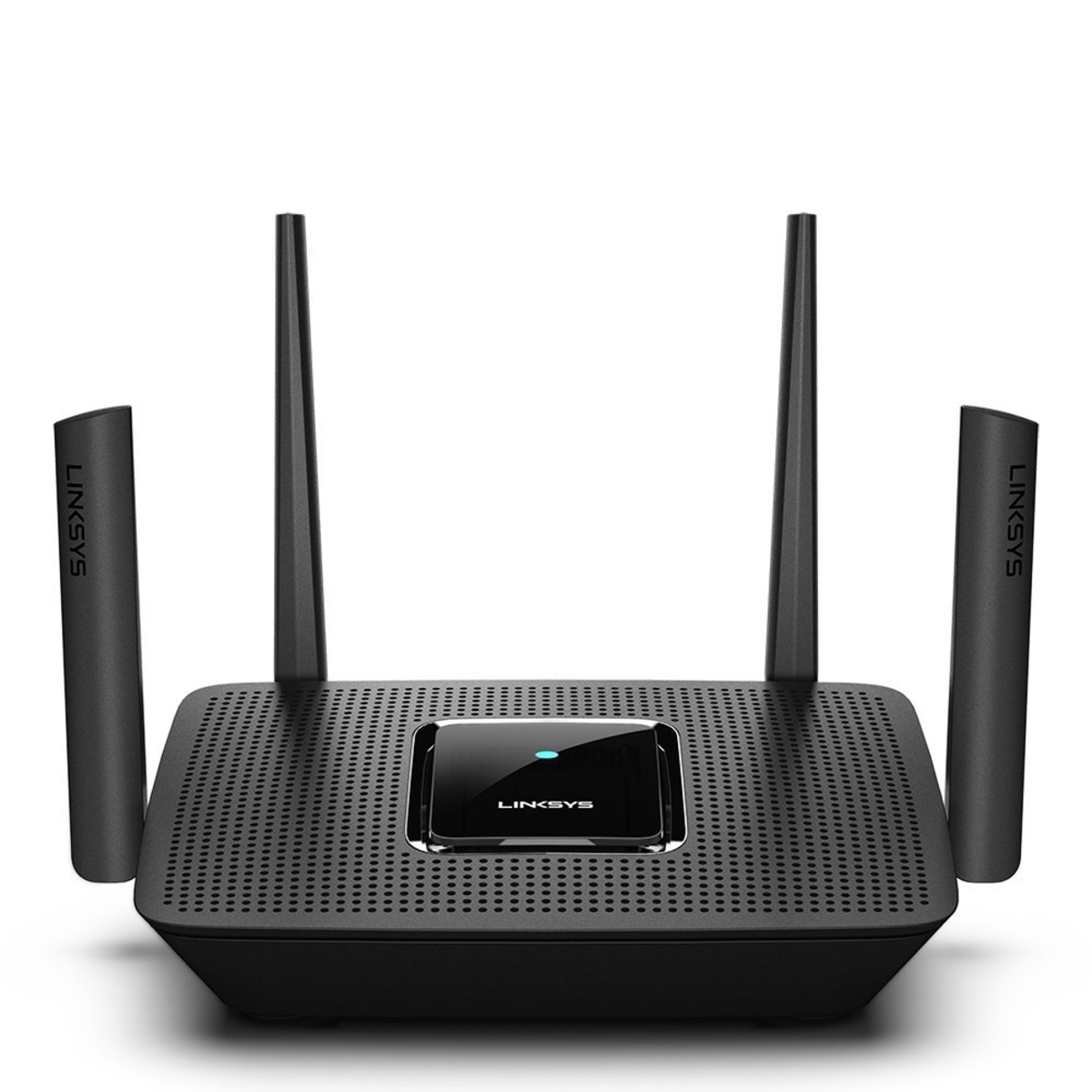
A long range wifi antenna is a device designed to transmit or receive wireless signals over distances that standard router antennas cannot cover. You need one when your current router broadcasts a strong signal in one room but fails to reach other areas of your home or property, a problem common in multi-floor houses, thick-walled buildings, or outdoor spaces. The antenna connects to your router or access point and re-broadcasts the signal, effectively solving weak-signal areas without requiring a faster internet plan. Understanding the frequency bands matters here: the 2.4 GHz band generally offers longer range and better penetration through walls due to its longer wavelengths, while the 5 GHz band provides higher data throughput and less interference but typically has a shorter range and poorer penetration. For pure distance, 2.4 GHz is your friend; for speed in close range, 5 GHz is superior.
How long range wifi antenna models work
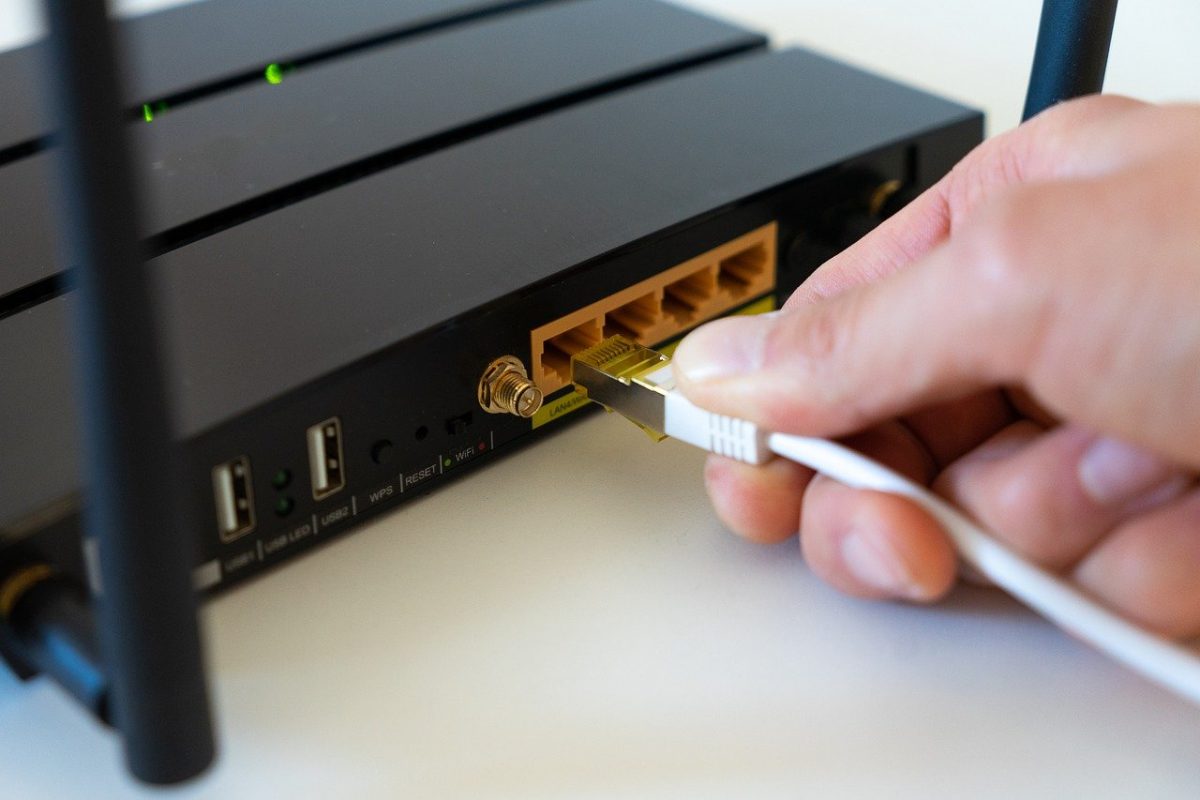
Long range wifi antennas work by connecting to your router (via cable, USB, or direct mounting) and then broadcasting the signal with more power or focus than the router's internal antennas. They bypass obstacles like walls and furniture by either concentrating the signal in one direction (directional) or radiating it in a 360-degree pattern (omnidirectional). The key metric is antenna gain, measured in dBi; a higher dBi value generally indicates a stronger, more focused signal. A 9dBi omnidirectional antenna will push signal further in all directions than a 5dBi one, while a 24dBi directional antenna can send a narrow beam across miles. Some models require Power over Ethernet (PoE) adapters or mounting brackets, especially outdoor units, but the principle remains the same: capture the router's signal, amplify it, and re-radiate it over a larger area.
Directional vs omnidirectional antennas
Directional antennas focus signal energy in a specific direction, which increases transmission distance and signal strength but narrows the coverage area (beamwidth). These are ideal for point-to-point links, say, connecting two buildings 500 feet apart, or for targeting a specific dead zone like a backyard shed. Omnidirectional antennas radiate signals in all directions (360°), providing broad coverage but typically with a more limited range compared to directional antennas. Choose omnidirectional for whole-home coverage or a single-floor office; choose directional for long-distance bridging or outdoor areas where you know exactly where the signal needs to go.
12 best long range wifi antenna models worth getting
Based on verified performance and user reliability, these are the top models to consider for your specific needs.
1. Alfa AWUS036ACM USB Adapter (Best for indoor use)
This dual-band AC1200 USB 3.0 Wi-Fi adapter comes with two external high-gain antennas. It supports 2.4GHz (up to 300Mbps) and 5GHz (up to 867Mbps) bands and is designed to increase wireless signal penetration to eliminate Wi-Fi dead spots. Plug it into your laptop or desktop, point the antennas, and you instantly get stronger reception, perfect for rooms far from the router.
2. Alfa APA-M25 Dual Band 10dBi Directional Panel Antenna (Best value)
If you need a one-directional boost on a budget, this 10dBi panel antenna is affordable and effective. It's dual-band (2.4/5GHz), can tilt or swivel to fine-tune reception, and works indoors or outdoors with proper mounting. Great for targeting a specific room or outdoor area.
3. BrosTrend 1200Mbps Long Range USB WiFi Adapter (Best for PC)
This plug-and-play USB adapter includes two 5dBi antennas and supports dual-band connections. It's a simple way to upgrade a desktop or laptop's weak internal antenna, giving you a stable connection without opening your computer. The 5dBi range is modest but sufficient for most home dead zones.
4. CC Vector Extended Long Range WiFi Receiver System (Best for business)
Designed for heavy-duty outdoor use, this system is meant to be mounted atop buildings and can cover up to 5km line-of-sight. It's a directional receiver that pulls in distant signals, but you'll need a repeater to extend coverage further. Longer distances will result in lower speeds, so plan accordingly.
5. Gadgets World FBA_ALFA-ARSN19M Alfa 9dBi WiFi Booster (Best simple setup)
Just plug this into your router and you get an instant 9dBi omnidirectional range boost. No pointing, no aiming, it radiates in all directions, making it ideal for homes with multiple floors or central dead zones. It's cheap, uncomplicated, and effective.
6. Highfine 2 x 6dBi Dual Band WiFi RP-SMA Antenna (Best budget)
For under $15, this pair of 6dBi omnidirectional antennas replaces your router's stock antennas and widens coverage. They're dual-band and screw-on, so installation takes minutes. Perfect for renters or anyone wanting a cheap upgrade without permanent changes.
7. Premiertek Outdoor 2.4GHz 24dBi Directional High-Gain N-Type (Best long-distance)
This parabolic antenna delivers a massive 24dBi gain, making it one of the strongest directional options. It's weatherproof and designed for outdoor pole mounting. You must point it precisely at the WiFi source, but it can bridge distances of several miles in open air.
8. REMO Outdoor WiFi Antenna BAS-2301 Extender (Best weatherproof)
With ABS plastic construction, this antenna withstands rain, snow, and sleet. It works with both 2.4GHz and 5GHz networks, and at under $35, it's one of the cheapest weatherproof options. It's directional, so aim it toward the router or access point.
9. TP-Link EAP225 AC1200 Wireless MU-MIMO Gigabit Indoor/Outdoor Access Point (Best versatile)
This access point delivers up to 300Mbps on 2.4GHz and features two 5dBi omnidirectional antennas covering a 200-meter radius. It's IP65-rated for outdoor use and supports PoE, making it a flexible choice for homes or small businesses that need both indoor and outdoor coverage.
10. Tupavco TP511 Yagi WiFi Antenna (Best for long-range outdoor)
This 17dBi Yagi antenna is lightweight, weatherproof, and directional. It's designed for outdoor mounting and can pull in signals from far away, but you must point it accurately. A solid mid-range choice for rural properties or farm buildings.
11. Tupavco TP542 Dual-Band 13dBi Outdoor Directional Panel Antenna (Best mid-range)
With a 13dBi gain, this weatherproof panel antenna extends signals further than your front yard. It's dual-band, pole-mountable, and costs under $50. Directional, so aim it toward the dead zone or source.
12. MikroTik SXTsq Lite5 (Best for point-to-point links)
This outdoor CPE (Customer Premises Equipment) unit is designed for point-to-point links up to 12 kilometers. It operates on 5GHz, has a built-in directional antenna, and includes PoE support. It's a professional-grade solution for bridging two buildings or extending coverage across a large property.
What to look for when buying a long range wifi antenna
Before purchasing, measure the distance between your router and the furthest point you need coverage. Some antennas cover 200 meters, others reach 10km or more, choose based on your actual requirement. Decide between directional (focused, long-distance) and omnidirectional (360°, shorter range) based on whether you need to target a specific area or blanket a whole space. Check the gain (dBi): higher numbers mean stronger, more focused signals, but they also narrow the beam. Frequency band matters, 2.4GHz for range, 5GHz for speed. For outdoor use, verify weatherproofing (IP65 rating or similar) to withstand rain and snow. Weigh the pros and cons of each model against your specific dead zone.
Common sources of wifi interference
Even the best long range wifi antenna can be undermined by interference. Cordless phones, microwave ovens, and other wireless devices operating on the 2.4GHz band can significantly reduce WiFi range. Walls, floors, and metal furniture absorb or reflect signals, weakening them before they reach your antenna. Other electronics like baby monitors, Bluetooth devices, and neighboring WiFi networks also compete for the same frequencies. A long range antenna helps mitigate these issues by amplifying the signal and, in directional models, focusing it away from interference sources. For 5GHz networks, fewer devices cause interference, but the signal has a harder time penetrating walls, so position antennas strategically.
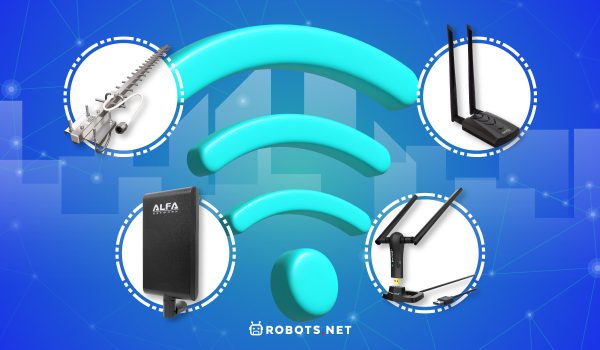
Try a long range wifi antenna today
Reliable internet is no longer a luxury, it's essential for work, school, and communication. Assess your home or office network needs: measure the distance, identify dead zones, and decide whether you need indoor or outdoor coverage. Then choose a long range wifi antenna that fits your budget and range requirements. Whether it's a $30 USB adapter for your PC or a $100 outdoor directional antenna for your yard, the right model will extend your signal and eliminate frustrating dropouts. Don't settle for weak WiFi, install a long range antenna and enjoy full coverage today.
WiFi and internet access are a must-have in the modern world. It's especially true nowadays that most people have transitioned to work-at-home setups. However, this isn’t always easy because WiFi routers seldom cover the entire house. That’s why most people look to long-range WiFi antenna products to extend their coverage. Which one should you buy? Here are the best ones you can find today.
What Is a Long Range WiFi Antenna?
https://www.youtube.com/watch?v=BSis9tjbX7s Your average internet service provider (ISP) should hook you up with a regular router once you subscribe to a plan. That said, the WiFi signal on these devices isn’t always great. Sure, you might get a plan that’s supposed to provide you 300 Mbps to help you work seamlessly. However, sometimes the range of the WiFi, instead of its speed, becomes the problem. That’s because most routers can only cover a certain circumference of space. As a result, most households with no range boosters suffer from dead zones and areas with weak signals. With a long-range WiFi antenna, you could extend that signal and provide coverage for your whole house. This eliminates the need to always situate yourself in a space where the signal is strongest. Moreover, it allows for more flexibility and freedom in terms of your router placement.
Long Range Indoor, Outdoor, and Point-to-Point Networks
How do I extend my Wi-Fi signal to another building 500 feet away? There are several types of long-range WiFi antenna products. Firstly, you have the indoor WiFi extender that comes in two forms: the range extenders and mesh networks.Indoor Extenders
Range extenders (or WFi boosters) are wireless devices you connect to your router. This extends the WiFi range by being close enough to the router to gain signal, but distant enough to extend the said signal. In essence, it acts as a second router, having its ID and password. This makes it slightly more inconvenient as you might have to switch between networks based on your location. On the other hand, mesh networks are more like a group of devices that “blanket” your entire space. It’s great for home coverage, especially if you have multiple floors, as it generally extends the signal spherically. One of the mesh nodes should be connected directly to your modem. The others should be spread across the house to spread the signal. This method is more seamless than range extenders because your devices should automatically connect to the nearest node. Hence, you don’t need to shuffle between networks every time.Outdoor Extenders
Long-range outdoor WiFi networks, on the other hand, are optimized for the outdoors. They take your current internet connection and simply improve its signal outside. Sometimes, these devices can extend only to your backyard. However, other devices are strong enough that you can even reach its signal from miles away. The signal’s efficacy depends on the kind of WiFi antenna you buy. Moreover, if there are objects between you and the extender, chances are your signal won’t be as strong.Point-to-Point Networks
Long-range point-to-point networks act as a bridge between two physical buildings. It essentially allows one WiFi signal to be spread across two establishments. This eliminates the need to get another network plan or hotspot, making connections more seamless. However, do note that point-to-point networks are a great deal more expensive. Of course, they can save you money long-term by spreading the signal around. Moreover, they ensure that your connection is reliable even when the signal is spread in two different buildings.12 Best Long Range WiFi Antenna Models
[caption id="attachment_54965" align="alignnone" width="600"] Photo by Robots[/caption]
Alfa APA-M25 Dual Band 10dBi High Gain Directional Indoor Panel Antenna
Key Features:
- Uni-directional antenna
- Long-distance range (10dBi)
- Dual-band (2.4GHz / 5GHz)
- Affordable
Alfa Long-Range Dual-Band AC1200 Wireless USB 3.0 Wi-Fi Adapter
Key Features:
- Dual-band (2.4GHz / 5GHz)
- Up to 867Mbps connections
- USB 3.0 connector
- Moderate range (5dBi)
BrosTrend 1200Mbps Long Range USB WiFi Adapter
Key Features:
- High-speed antenna
- Includes two antennas to widen coverage
- PC adapter
- Dual-band
- 5dBi range
CC Vector Extended Long Range WiFi Receiver System
https://www.amazon.com/Vector-Long-Range-Repeater-System/dp/B076KRTXQ6?&linkCode=ll1&tag=robotsnet0b-20&linkId=56d1038e0afa8d9aa0b01d052e9f0569&language=en_US&ref_=as_li_ss_tl
Key Features:
- Coverage of up to three miles (15dBi)
- Building-mounted
- Connects to a repeater
- Extremely expensive
Gadgets World FBA_ALFA-ARSN19M Alfa 9dBi WiFi Booster
Key Features:
- Cheap
- Decent 9dBi omnidirectional range
- Uncomplicated installation process
Highfine 2 x 6dBi Dual Band WiFi RP-SMA Antenna
Key Features:
- Dual-band
- 6dBi omnidirectional range
- Cheap
Premiertek Outdoor 2.4GHz 24DBI Directional High-Gain N-Type
Key Features:
- Uni-directional parabolic antenna
- Mounted outdoors
- Long-range and high-gain product (24dBi)
- Expensive
REMO Outdoor WiFi Antenna BAS-2301 Extender
Key Features:
- Weatherproof construction with ABS plastic
- Works with 2.4GHz and 5GHz networks
- Inexpensive
TP-Link EAP225 AC1200 Wireless MU-MIMO Gigabit Indoor/Outdoor Access Point
Key Features:
- Capable of high-speed data transfers
- Two 5dBi omnidirectional antennas (200-meter range)
- Indoor and outdoor compatibility
- IP65 weather-resistant rating
- Mid to high price
Tupavco TP511 Panel Antenna 2.4GHz WiFi 20dBi Wireless Outdoor Antenna
Key Features:
- Long range (328 feet, depending on the environment)
- Supports several encryptions
- Mid-range price
Tupavco TP513 Yagi WiFi Antenna
Key Features:
- Long-distance directional antenna (17dBi)
- Outdoor use
- Affordable
Tupavco TP542 Dual-Band (13dBi) Outdoor Directional Panel Antenna
Key Features:
- Inexpensive
- Dual-band
- Long-range outdoor directional antenna (13dBi)
- Pole mast-mounted and weatherproof
How Do Long Range WiFi Antenna Models Work?
https://www.youtube.com/watch?v=_esFOOUQW6A Whether you’re buying a long-range WiFi antenna from Ubiquiti, TP-Link, or others, it can be a wonder to witness. Just how do these long-range WiFi antenna products work? How far can a WiFi antenna reach? Moreover, what's the longest range WiFi antenna? Firstly, you must know about WiFi connectivity that the closer you are to the source, the better the signal. Moreover, obstacles like doors, walls, and furniture can hamper the signal. A long-range WiFi antenna works to extend that signal or even bypass obstacles altogether. If it’s an omnidirectional WiFi access point (AP), it should be able to extend the signal by a mile. On the other hand, directional APs can extend it as far as 8 miles. How they work is by simply connecting themselves to your router to access the WiFi signal. They then broadcast the signal through the antennas to extend its range. Some long-range WiFi antenna models need power over ethernet adapters, mounts, and other fixtures to work. The mounts allow you to let the antenna have a clearer line of sight. Meanwhile, a wired connection to the router helps the AP bypass obstacles and buildings. If you’re extending the signal to another building, you’ll need additional equipment. Sometimes, all it takes is a long-range WiFi antenna on the second building. However, other structures do require another antenna for the source building. Regardless, you’ll need a router that can broadcast the signal to the second building. You may also need other extenders to reach different floors with the same network.
What to Look for When Buying a Long Range WiFi Antenna
Purchasing a long-range WiFi antenna can be tough work. What is the best long-range WiFi antenna you can buy? Here are some qualities and factors to weigh before you get anything.
Range
How far can a long-range WiFi antenna work? It hinges on the kind of antenna you buy. Some long-range WiFi antennas can go 10km. Other long-range WiFi antennas can even get to 30 km. However, these antennas will differ in price as well as whether they’re directional or omnidirectional. Regardless, the distance you want to cover is crucial to the purchasing process. That’s because each model is different and covers a different range. Hence, you’ll need to measure the distance between your router and your furthest point. Then purchase a model accordingly.Directional vs Omnidirectional
A long-range WiFi antenna may not reach 100km. However, directional long-range WiFi antenna models can go as far as 8 miles. The only catch is that the signal is dependent on the direction the antenna is pointed toward. Hence, areas at the antenna’s left, right, and back sides won’t get the signal. This is ideal if your main priority is covering a large distance and reaching specific farther points. On the other hand, we recommend the omnidirectional type if you want to spread the WiFi signal in all directions. This will limit the distance you can cover because it can’t go as far. However, you’ll be able to get a signal whether you’re at the antenna’s front, back or sides.Price
One of the biggest considerations in any kind of purchasing decision is the price. How much are you willing to spend to extend your WiFi signal to unreachable places? Some models are weaker and lower in quality but can cost only $30 to $40. Others are more expensive, costing upwards of $100. Still, luxury models or heavy-duty units can cost as much as $300. With that said, it’s important to weigh the pros and cons of a long-range WiFi antenna. You could also consider buying something else like a PC WiFi antenna if it’s just your PC that’s having problems. A long range WiFi antenna for PC is a plug-and-play device that should cost significantly less. On the other hand, if you truly need to extend your network coverage to the yard or another building, that’s when you should prepare to spend a little more on a product. That’s especially true if you need something with high gains and range, and is heavy-duty enough to withstand weather changes.Are DIY Long Range WiFi Antennas Possible?
https://www.youtube.com/watch?v=raAtvQLkneg Is a long range WiFi antenna DIY project possible? Yes. You can make a long range WiFi antenna at home with cheaper materials if you’re on a budget. Some DIY projects can cost as little as $5 and only require a tin can and a few other cheap materials. However, do note that the quality of DIY long range WiFi antenna models will be up to you. If you want to build something bigger and more robust, you may also need a license to do so. In the USA, you’ll have to talk to the FCC to obtain one before you can start building.
Try a Long Range WiFi Antenna Today
Reliable internet connections are a must in modern-day society. Thankfully, WiFi is more widely available nowadays, and you can even extend the range of regular subscriptions. All you must do is understand your home or office’s network requirements. Afterward, you can simply choose a long-range WiFi antenna that fits your needs and budget.
\nRelated reading: How To Use Wi-Fi On Samsung Smart TV, How Much Does It Cost To Have An Electrician Run Ethernet Through Walls, and How To Get Ethernet When Router Is Far Away.