To download email from Yahoo, you need to use one of several workarounds since Yahoo Mail does not include a direct button for downloading individual messages. The most reliable methods involve using Yahoo's official data request tool, connecting an email client via IMAP, or using a dedicated third-party tool.
Why there is no 'download email from Yahoo' button
Yahoo Mail's web interface is designed primarily for online access, not for exporting individual emails to your computer. There is no built-in "Save as" or "Download" button for single messages or batches of messages. This means that if you want to create a local backup or access your emails offline, you must rely on alternative methods. Understanding this limitation from the start helps you choose the right approach without wasting time searching for a feature that doesn't exist.
Method 1: Request your Yahoo data via the Privacy Dashboard
Yahoo offers an official way to download a complete copy of your account data, including all emails, through its Privacy Dashboard. This method delivers your emails in MBOX format, which is a standard file type used by many email clients. This is the best option if you want a full, unaltered backup of your entire mailbox.
- Sign in to your Yahoo account and go to the Privacy Dashboard.
- Look for the option to request your data.
- Select "Mail" from the list of data types you want to include. You can also choose other items like contacts or calendar data if needed.
- Submit your request. Yahoo will then prepare your data. This process can take several days, especially for large accounts.
- When the download is ready, you will receive an email notification with a link to download a ZIP file containing your emails in MBOX format.
Once you have the MBOX file, you can import it into email clients like Thunderbird or Apple Mail for offline reading and searching.
Method 2: Use an IMAP email client to export your mail
Connecting a desktop email client to your Yahoo Mail account using IMAP allows you to download and manage your emails locally. After setting up the connection, you can export selected messages or entire folders to formats like EML or PST. This method gives you control over which emails to save and how to organize them.
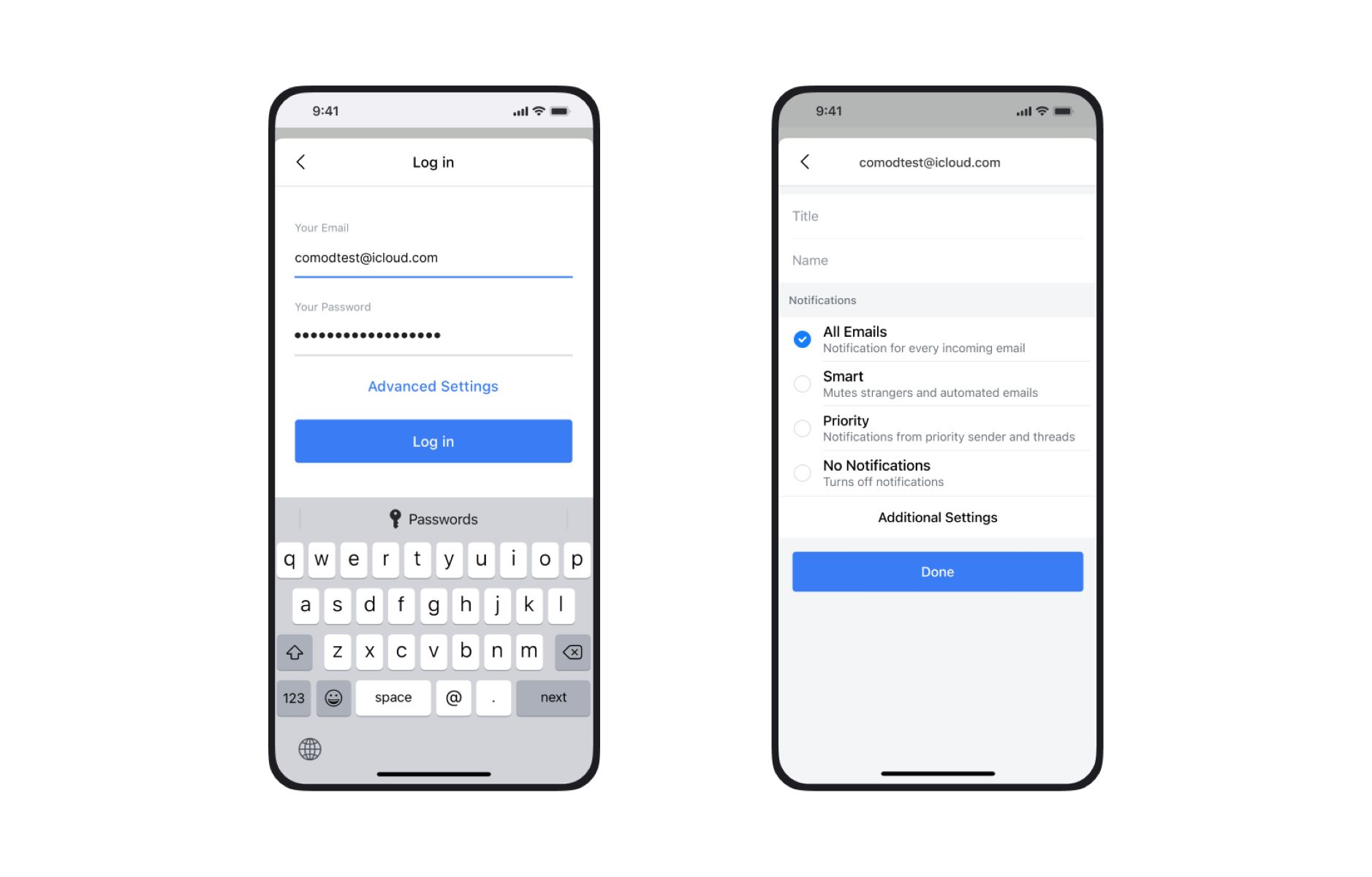
- Open your email client (such as Thunderbird, Outlook, or Mail). You will need your Yahoo Mail password and an app-specific password if you have two-factor authentication enabled.
- Add a new account and enter your Yahoo email address. The client will often auto-detect the IMAP server settings. If not, use the following: IMAP server is
imap.mail.yahoo.com, port 993, with SSL/TLS encryption. - Once your account is set up, the client will sync all your Yahoo folders and messages to your computer.
- To export emails, select the messages or folders you want to save. In most clients, you can drag and drop them to a local folder or use an export option to save them as EML files (for Thunderbird) or PST files (for Outlook).
This approach is ideal for users who want to keep their emails organized in a familiar desktop interface and have the ability to back up only specific conversations.
Method 3: Try a third-party Yahoo backup tool
Third-party Yahoo backup tools offer direct export functionalities, allowing users to download emails in various formats like PST, MBOX, EML, PDF, and HTML, often with options for selective backup and batch processing. These tools are designed specifically for the task and can handle large volumes of emails efficiently. You might want it if you need to convert your emails into a specific format that your other software can read, or if you want to back up only certain folders or date ranges without downloading everything.
- Choose a reputable backup tool that supports Yahoo Mail. Download and install it on your computer.
- Enter your Yahoo email credentials. The tool will typically request an app-specific password if you have two-factor authentication enabled.
- Select the folders or specific emails you want to export. Many tools allow you to filter by date, sender, or subject.
- Choose your desired output format (e.g., PST for Outlook, MBOX for Thunderbird, or PDF for easy reading).
- Start the backup process. The tool will download the selected emails and save them to your chosen location on your hard drive.
This method is the most flexible for users who need specific formats or want to automate the backup process for future use.
What to do with your downloaded email files
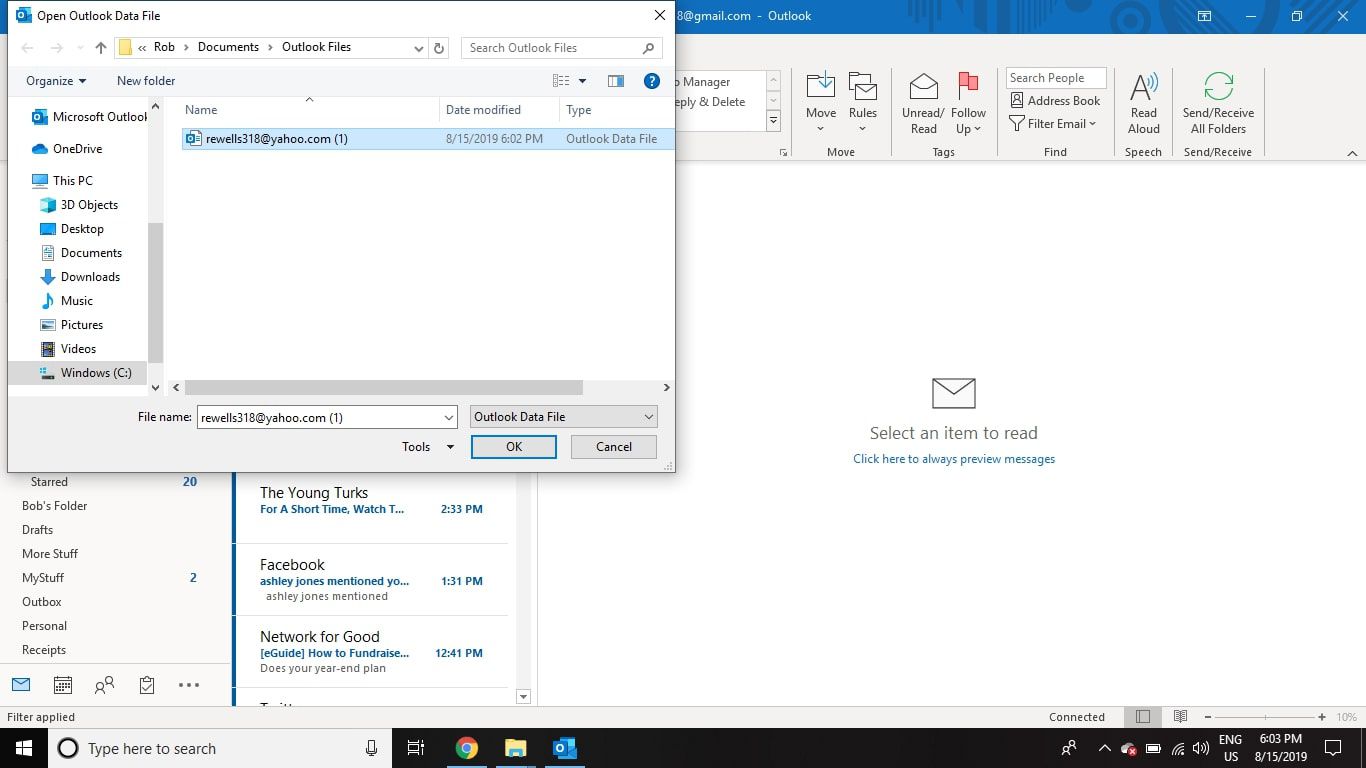
After you have downloaded your email files, the next step is to open and store them safely. MBOX files can be opened with email clients like Thunderbird or Apple Mail by importing them into a local folder. PST files are designed for Microsoft Outlook and can be opened by adding them as a data file in Outlook. EML files are individual message files that can be opened with most email clients or even a web browser. HTML files can be opened directly in a browser. Once you have confirmed the files are readable, store them in a secure location, such as an external hard drive or cloud storage service, to ensure you have a reliable offline backup, you can also copy all Outlook emails to external hard drive in bulk before finalizing your archive. To protect your data from drive failure, you should also save emails to an external hard drive as a secondary local copy. Regularly updating this backup will keep your archived emails current.