To access my Outlook email, the fastest method is to open a web browser and go directly to the official sign-in page for your account type, personal accounts use outlook.com or outlook.live.com, while work or school accounts use outlook.office.com or microsoft365.com. Enter your full email address and password, and you’ll land in your inbox immediately, with no app installation required. If you also need to access iCloud email from a browser, the same quick sign-in approach works seamlessly on any device, and you can even download email from Yahoo for offline reading.
How do I access my Outlook email on a web browser?
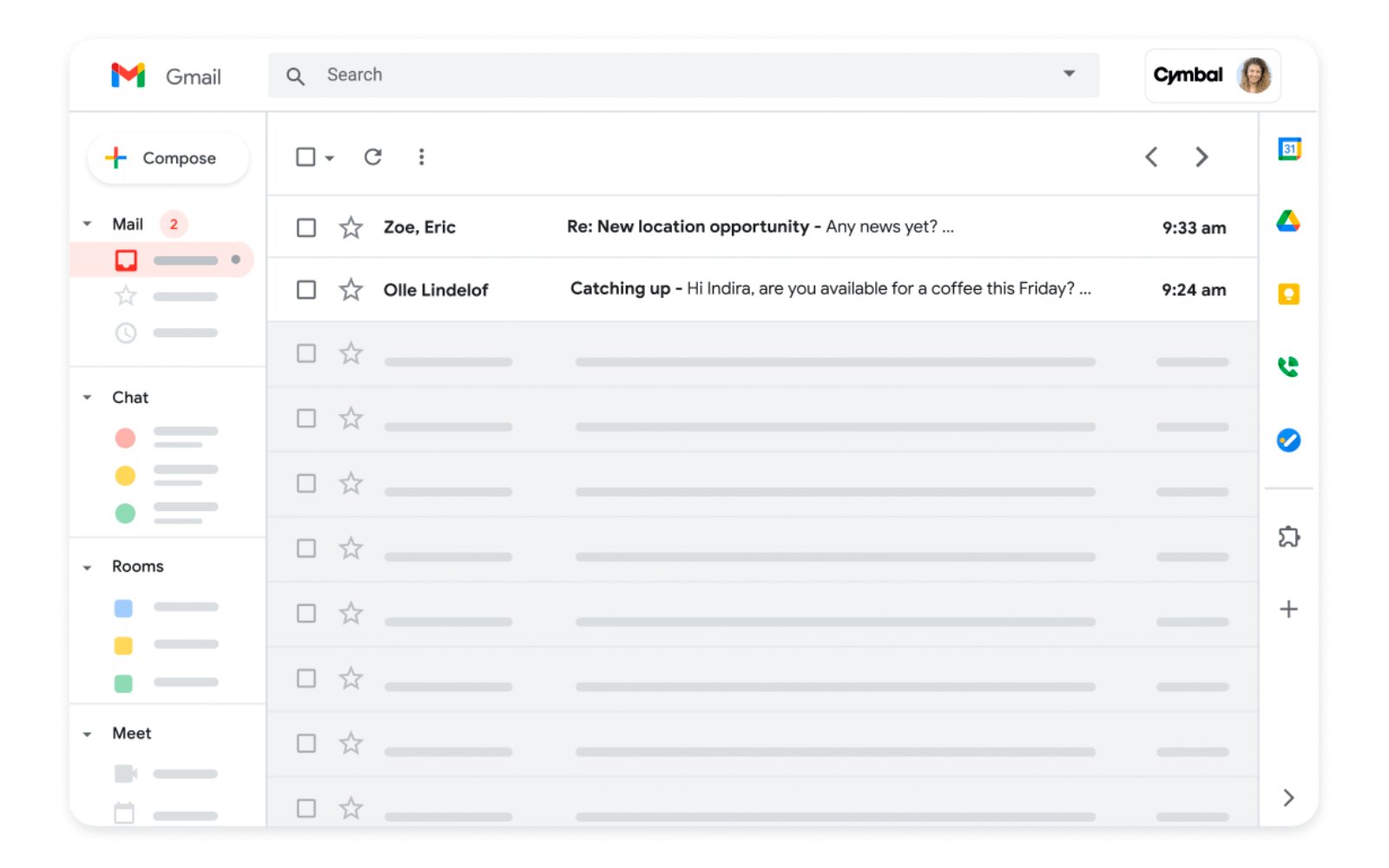
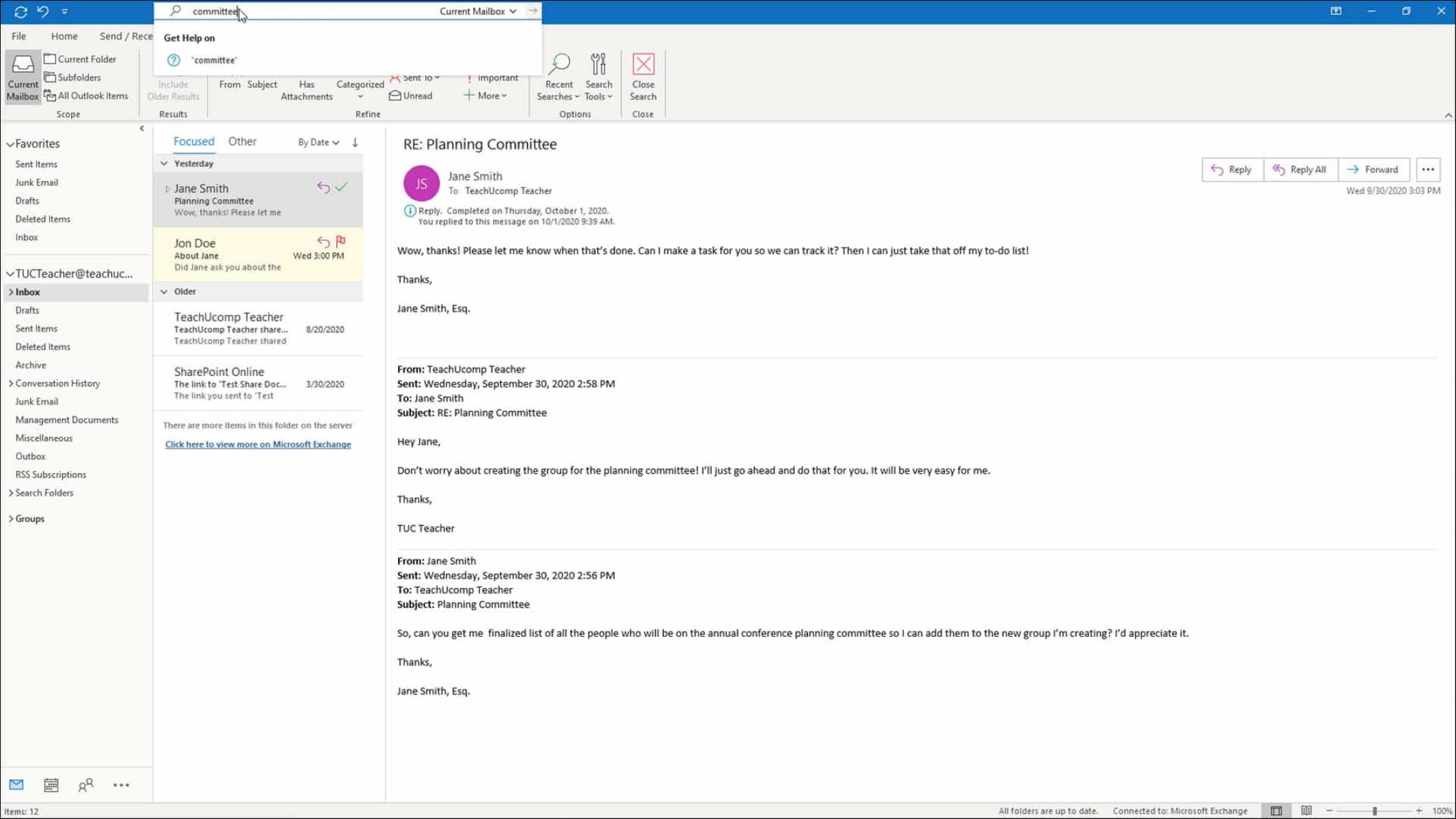
The web browser is the most universal way to access my Outlook email because it works on any device, Windows, Mac, Chromebook, or even a library computer, without installing anything. For personal Microsoft accounts (ending in @outlook.com, @hotmail.com, @live.com, or @msn.com), go to outlook.com or outlook.live.com. For work or school accounts, go to outlook.office.com or microsoft365.com. You’ll see a sign-in field; type your full email address and password. If you’re on a shared device, skip the “Keep me signed in” checkbox. After signing in, your inbox loads with folders on the left and the message list in the center. This method gives you the full Outlook experience, compose, reply, search, and manage folders, right in the browser.
How do I access Outlook email on a mobile device?
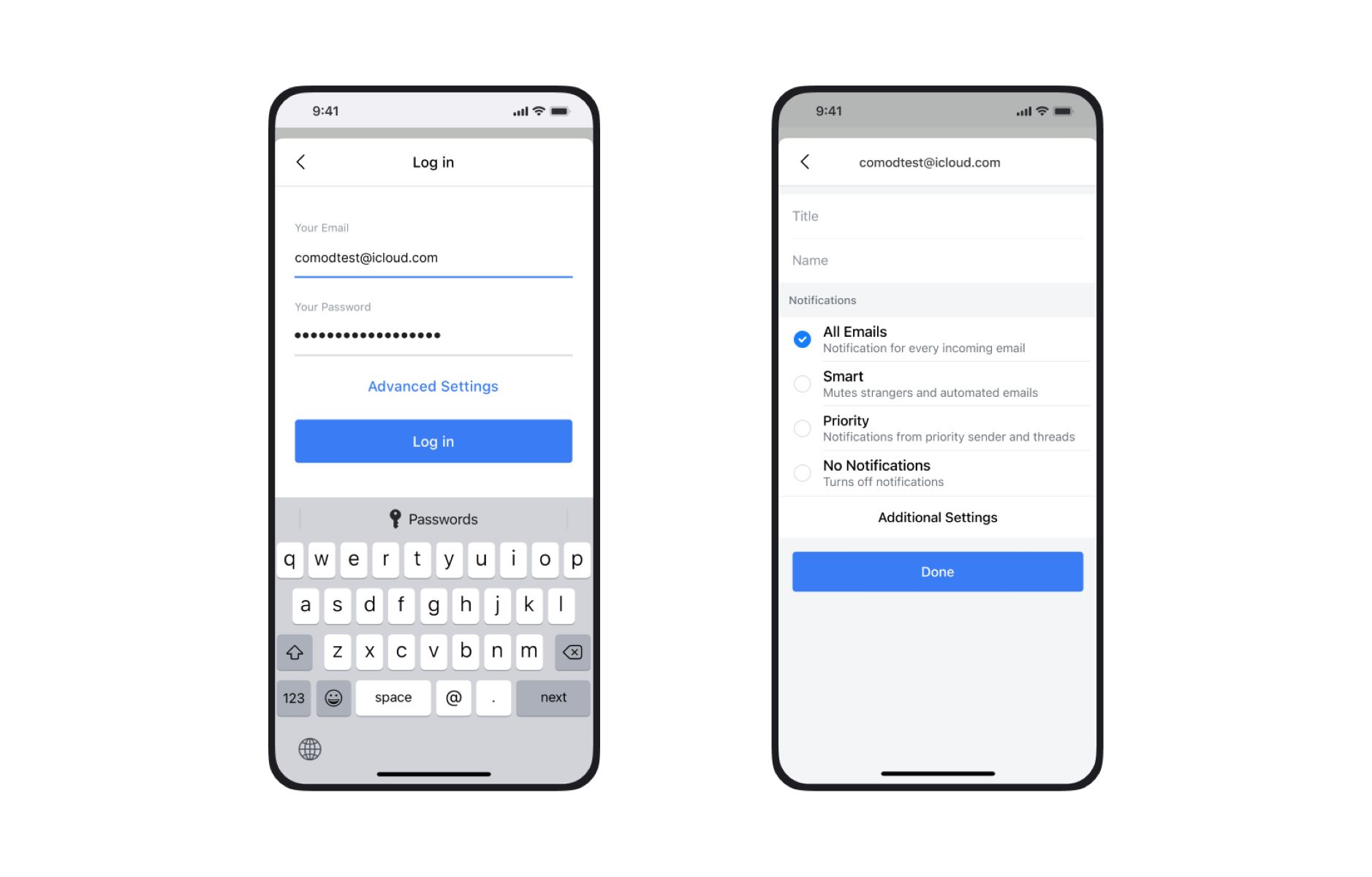
For on-the-go access, the Outlook mobile app is your best bet because it syncs your email, calendar, and contacts in one place with push notifications. To get started:
- Open the Apple App Store (iPhone/iPad) or Google Play Store (Android) and search for “Outlook.”
- Tap “Install” or “Download,” then launch the app after it finishes installing.
- On first launch, tap Get Started or Add Account.
- Enter your full email address, then tap “Continue.”
- Enter your password and tap “Sign In.”
- If multi-factor authentication (MFA) is enabled, you’ll see a prompt, approve it via your authenticator app or enter the SMS code sent to your phone.
Once signed in, the app shows your inbox with swipe gestures for quick actions. You can add multiple accounts (personal, work, Gmail, Yahoo, iCloud) by going to Settings → Add Account. The app also supports offline reading, attachment previews, and calendar integration, making it a complete mobile solution.
How do I set up Outlook email on the desktop app?
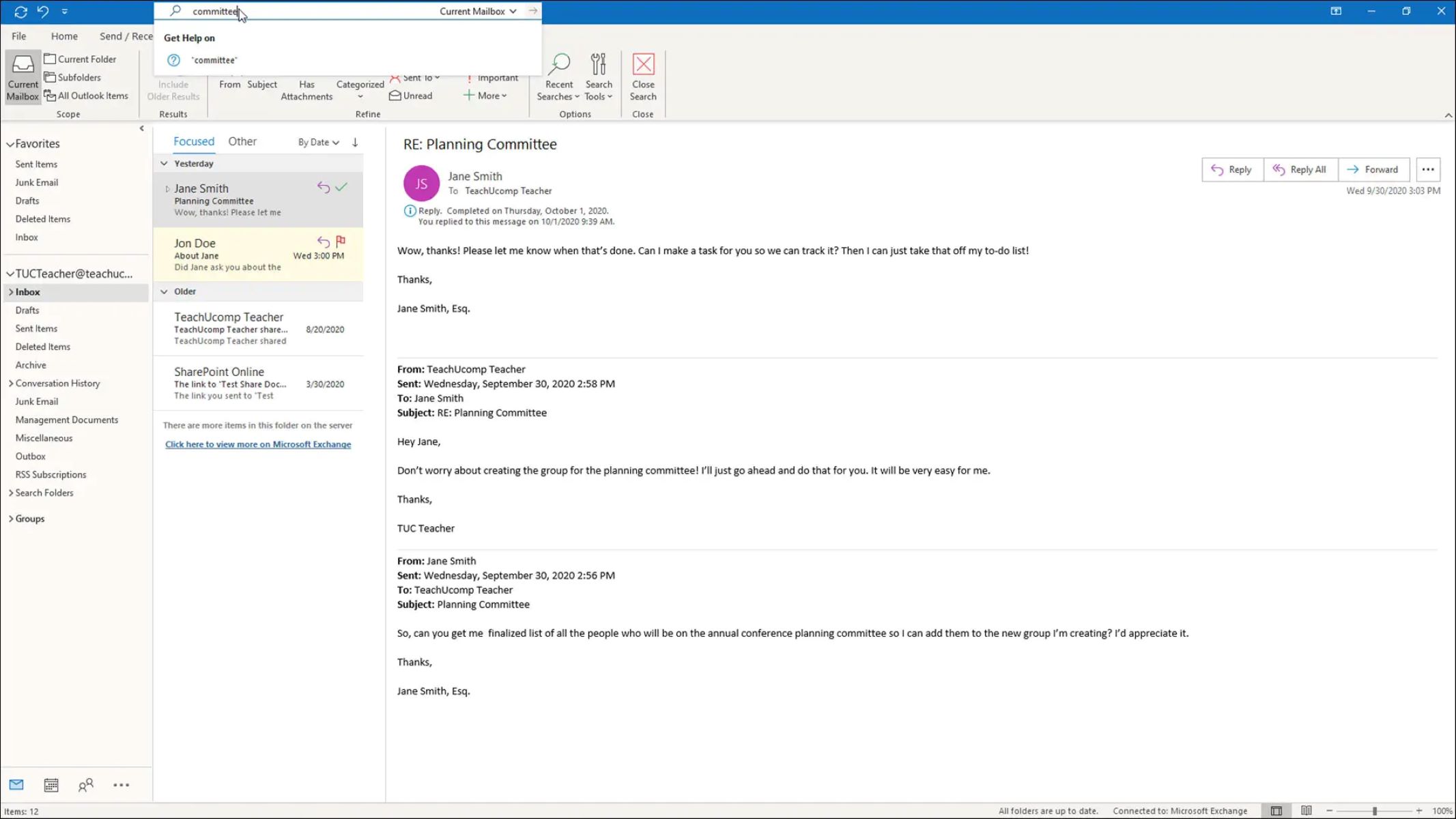
On Windows, there are two versions of the Outlook desktop app: New Outlook for Windows and Classic Outlook. Here’s how to add your account in each:
New Outlook for Windows
This version is free and preinstalled on Windows 11 23H2 or higher, or downloadable from the Microsoft Store (Windows 10 2004+). It supports Microsoft accounts, work/school accounts, Gmail, Yahoo, and iCloud. To set up:
- Open the New Outlook app.
- If accounts aren’t added automatically, you’ll see a “Add Account” prompt, click it.
- Enter your email address and follow the on-screen prompts to sign in with your password.
- Complete any MFA verification if prompted.
Classic Outlook for Windows
This version comes with a Microsoft 365 subscription or perpetual Office license (e.g., Office Home & Business). To install it, go to the Microsoft 365 apps portal (m365.cloud.microsoft/apps), download the desktop apps, and sign in to activate. Then add your account:
- Open Classic Outlook.
- Go to the File tab.
- Select Add Account.
- Enter your email address, then click “Connect.”
- Enter your password and follow the prompts to finish.
Both versions let you access your email offline, sync folders, and use advanced features like rules and quick steps. Choose New Outlook if you want the modern interface; choose Classic if you prefer the traditional ribbon layout.
What if I can't sign in to my Outlook email?
If you’re locked out, start with the most common blockers. First, if you forgot your password, click the Forgot password link on the sign-in page and follow the reset steps. Second, multi-factor authentication prompts can confuse users, check your authenticator app or SMS for a code, or approve the login request if that’s the method you set up. Third, ensure you have an active internet connection; without it, the web and mobile versions won’t load, and the desktop app may lose activation. Fourth, clear your browser cache or disable extensions that might interfere with the sign-in page. If you still can’t get in, check Microsoft’s service status page for any outages, and if everything looks normal, contact Outlook support with your account details for personalized help.
Tips for staying signed out on shared devices
When you access my Outlook email on a public or borrowed computer, like a library, internet café, or a colleague’s desk, always avoid checking the Keep me signed in box. After you finish reading or sending messages, manually sign out by clicking your profile picture in the top-right corner and selecting “Sign out.” This prevents the next person from opening your inbox. For extra security on shared devices, use a private or incognito browsing window, which automatically clears your session when you close it. Never save your password in the browser on a shared machine, and if you suspect someone else accessed your account, change your password immediately.