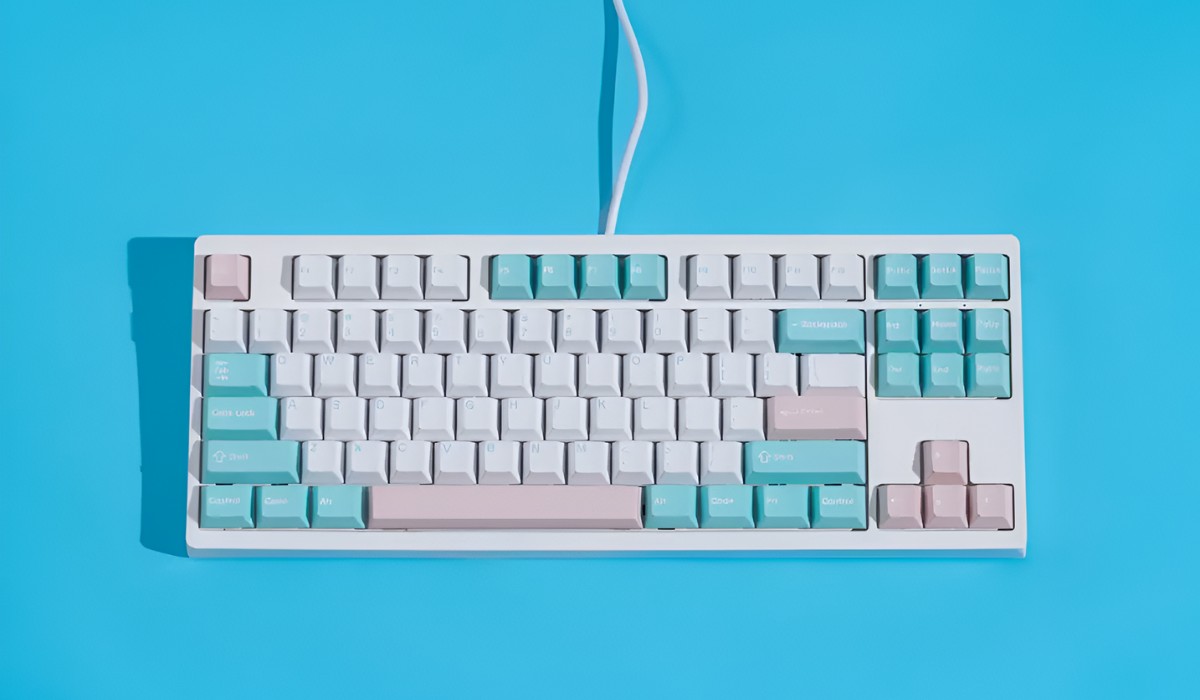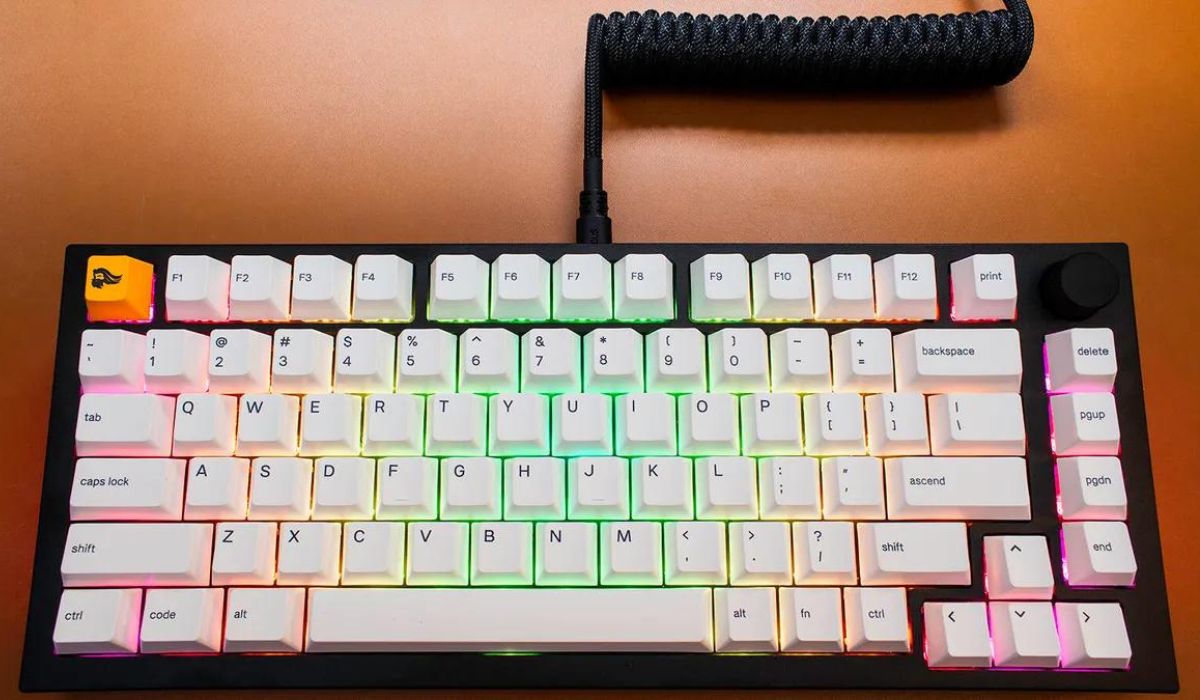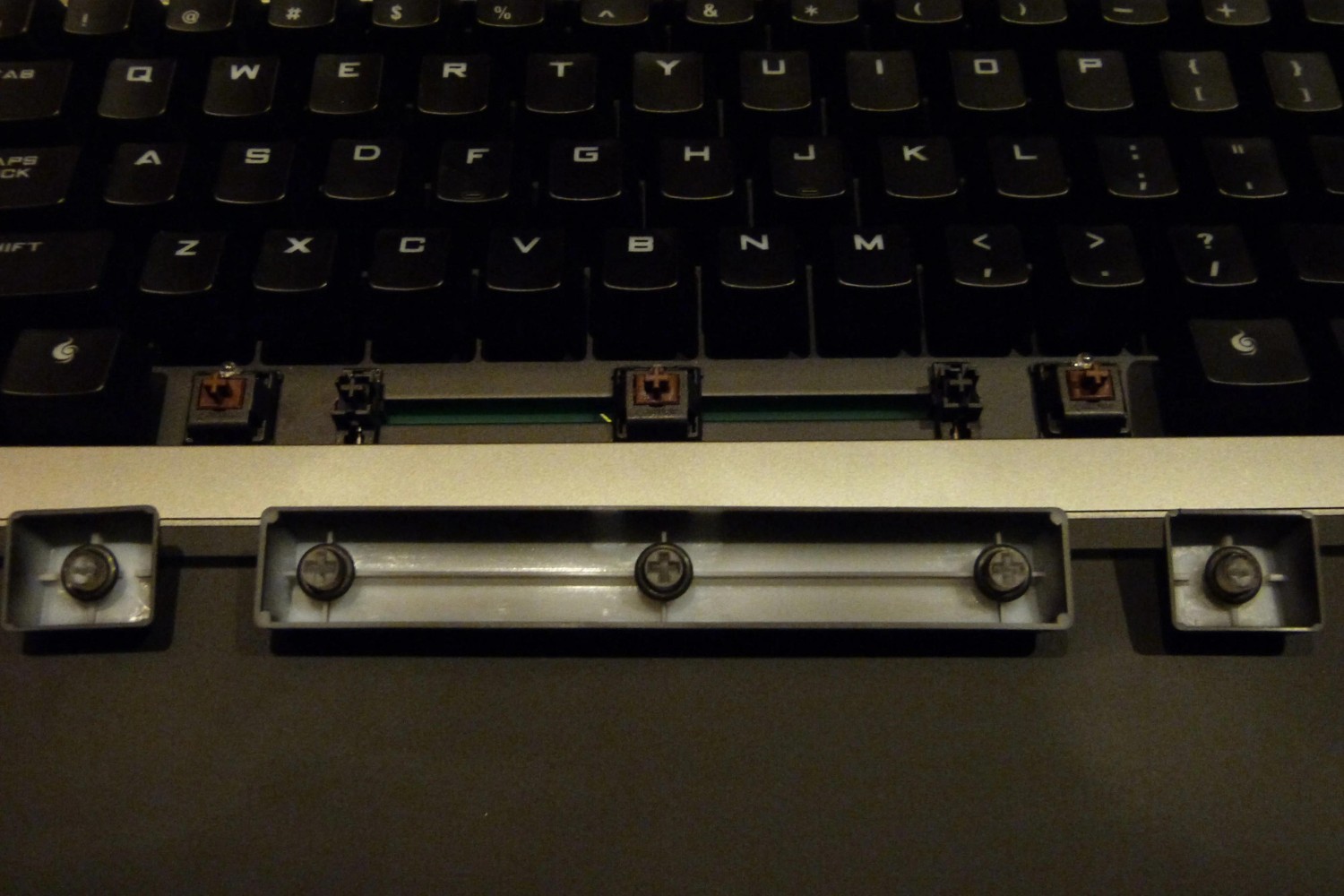
To put the spacebar back on a mechanical keyboard, you need to align it over the switch and stabilizers, then press down evenly until it clicks into place. This process is straightforward once you understand your keyboard’s stabilizer type and take a few safety precautions before you start.
Before you put the spacebar back on your mechanical keyboard: Crucial safety and preparation steps
Power off your computer and disconnect the keyboard from the USB port before touching anything. This prevents accidental keystrokes and protects both you and the keyboard’s electronics while you work.
Gather a clean, lint-free microfiber cloth, compressed air, and a soft brush. These are the only tools you need for a standard reattachment. Work on a flat, well-lit surface so you can see the small components clearly and avoid dropping tiny parts.
Cleaning the keycap, switch, and stabilizers
With the spacebar detached, you have the best opportunity to remove dust and debris that may have caused sticking or uneven travel. Use compressed air to blow out the exposed switch housing and the stabilizer bar channels. Follow with a soft brush to dislodge any stubborn particles, then wipe the underside of the keycap with a microfiber cloth.
Pay special attention to the stabilizer wire ends and the plastic clips or screws that hold them in place. A clean surface ensures the keycap seats properly and moves smoothly after reattachment.
Identifying your keyboard's stabilizer type
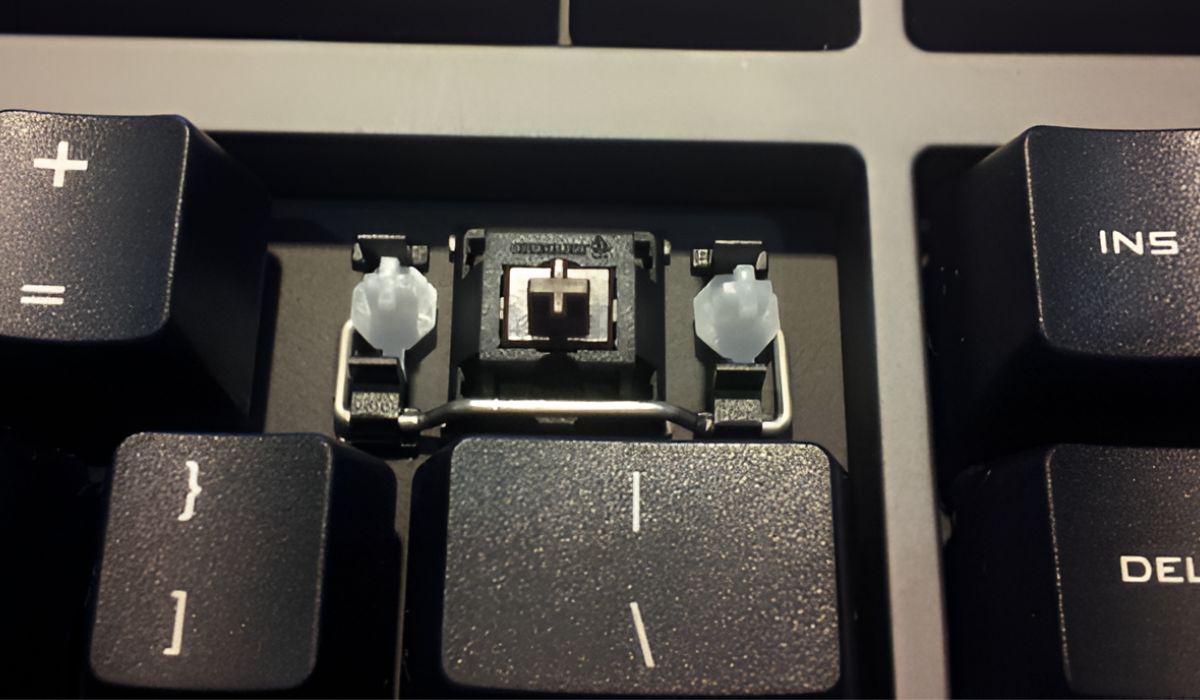
Mechanical keyboards commonly use plate-mounted or PCB-mounted stabilizers, which can be clip-in or screw-in, to ensure even key travel for larger keys. Look at the exposed area where the spacebar sits: plate-mounted stabilizers clip into the metal plate, while PCB-mounted ones attach directly to the circuit board, either with clips or small screws.
This distinction matters because the alignment method differs slightly. Plate-mounted stabilizers require the wire to snap into the keycap’s retention clips, while PCB-mounted types need the keycap to slide over the stem and the wire to fit into the housing slots. Knowing which type you have prevents forcing the keycap into a misaligned position.
Aligning and attaching the spacebar
Hold the spacebar with the stabilizer wire visible on the underside. Position it so the wire ends align with the small retention clips on the keycap, and the center stem lines up with the switch stem on the keyboard.
- Lower the spacebar onto the keyboard, guiding the wire ends into their clips first.
- Ensure the center stem is directly above the switch stem, not offset to either side.
- Apply gentle pressure evenly across the keycap until you hear a satisfying click, indicating proper attachment.
Do not press one corner first, as this can bend the wire or crack the keycap’s mounting posts. The click you hear means both stabilizers and the switch stem have fully seated.
Testing the spacebar for proper function
Press the spacebar several times to check for smooth, consistent travel. It should depress and rebound without sticking, catching, or making unusual noises. A properly attached spacebar will not wobble side-to-side when you press on its edges.
Type a few sentences that include frequent spaces to confirm every press registers. If the key feels uneven or fails to register, remove it again by gently lifting from one end, inspect the stabilizer wire for bends, and repeat the alignment process. The repair is complete when the spacebar feels stable, sounds quiet, and responds identically to every press.
\nRelated reading: What To Do When Mechanical Keyboard LED Stops Working, How To Fix A Squeaky Key On A Mechanical Keyboard, and How To Make Blue Yeti Not Pick Up Mechanical Keyboard.