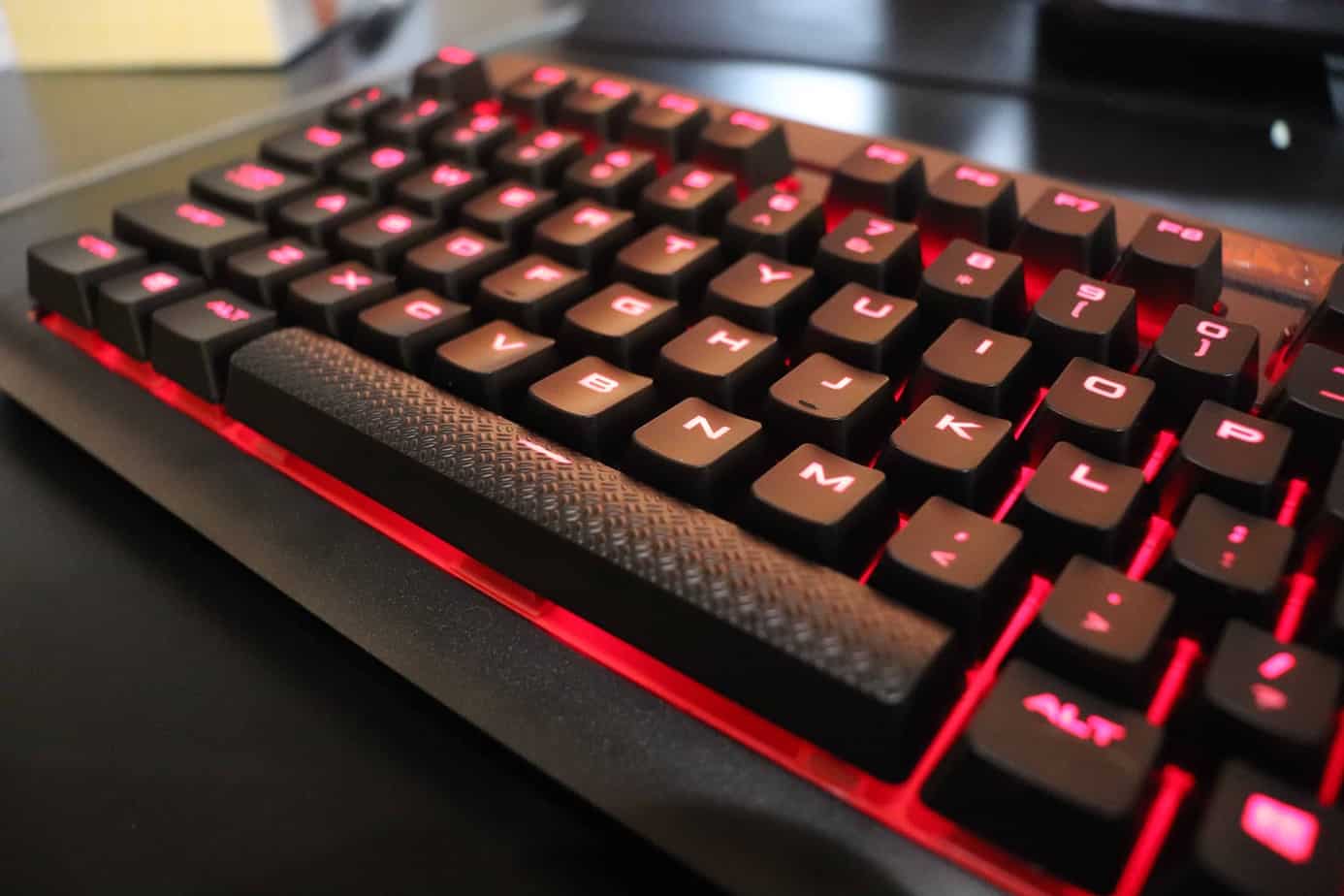
To fix a Corsair keyboard spacebar that feels sticky, squeaky, unresponsive, or detached, you'll need to clean, lubricate, or reseat the keycap and stabilizers, and if that fails, check software settings or reset the keyboard. The most common culprits are debris trapped under the keycap, dry stabilizer wires, or an accidental remap in iCUE, so start by gathering the right tools and taking a photo of the layout before you remove anything.
Before you start: fix your corsair keyboard spacebar safely
Before you begin, understand that a malfunctioning spacebar is almost always caused by one of three things: physical debris blocking the key travel, dried-out stabilizers that create friction and noise, or a software conflict that makes the key unresponsive. The single most important safety step is to take a clear photo of your keyboard's layout before removing any keycaps, this ensures you know exactly where every key, especially the spacebar and its stabilizers, goes back. Work on a flat, well-lit surface, and avoid eating or drinking near the keyboard during the repair.
Tools you will need
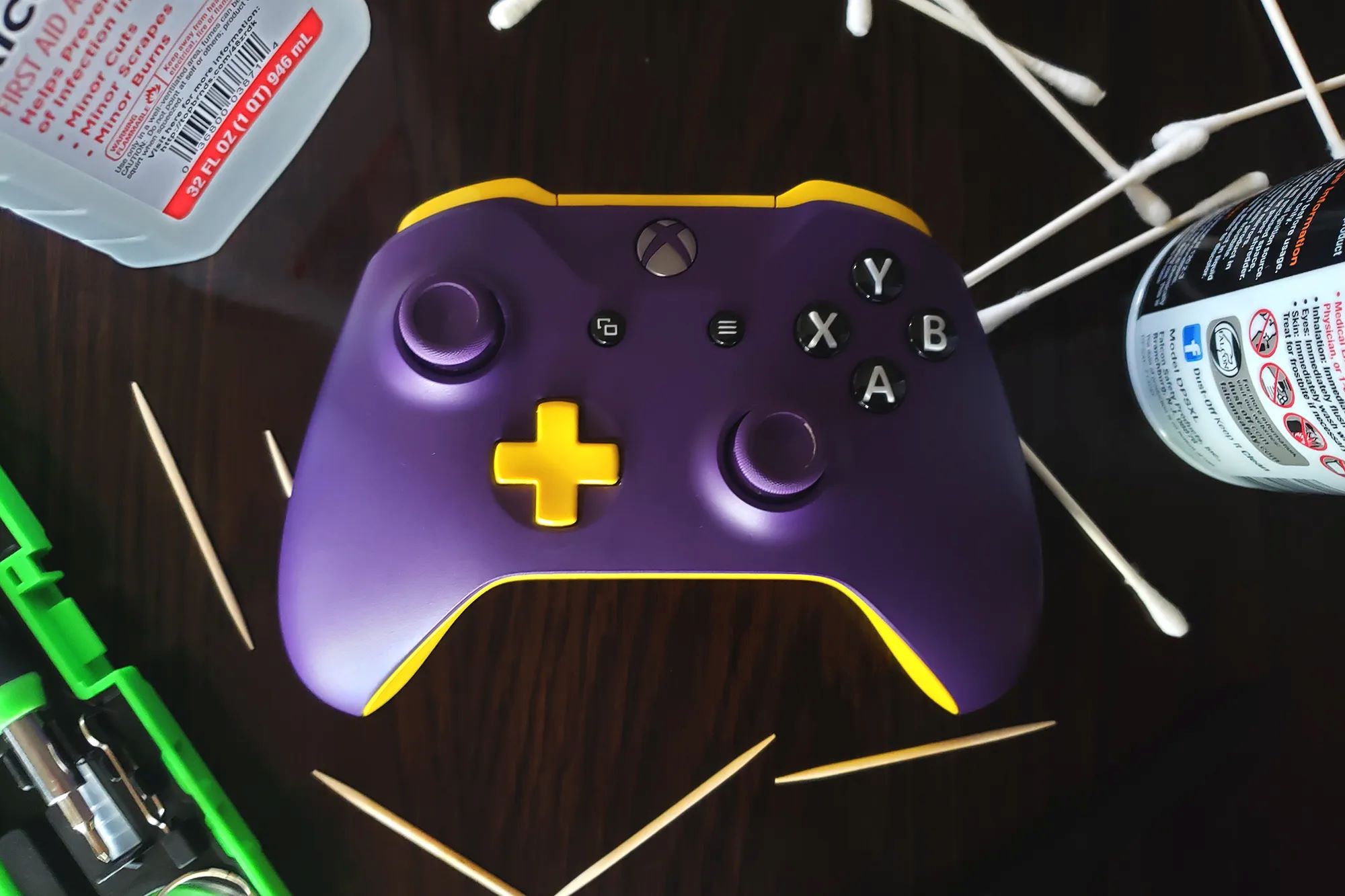
Having the right tools on hand makes the repair straightforward and prevents damage to your keyboard. Gather a wire-style or tool-style keycap puller (many Corsair boards like the K70 PRO MINI WIRELESS include one), a switch puller if your board is hot-swappable, isopropyl alcohol (90% or higher), cotton swabs, a soft brush, a clean lint-free cloth, Krytox 205g0 lubricant for stabilizer housings and stems, and dielectric grease for the stabilizer wires. You don't need a screwdriver or guitar pick, those can scuff the keycap, so stick with the proper tools.
Remove the spacebar keycap without damage
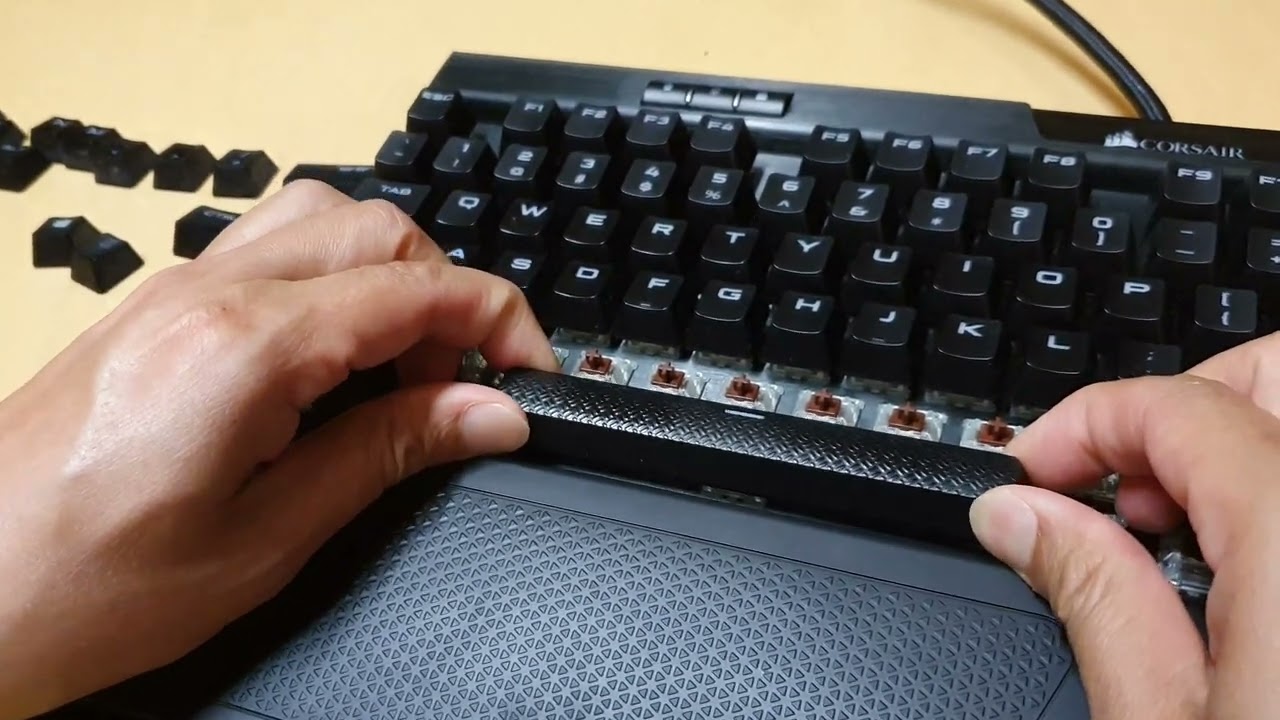
Removing the spacebar correctly is critical because the stabilizer wires are delicate and easy to bend. For a wire-style keycap puller, pull the two wires apart, press them down until they loop under the keycap's edges, then pull straight up with even pressure. For a tool-style puller, press it directly down onto the keycap until both sides catch under the edges, then lift straight up. Never use a flathead screwdriver or guitar pick to pry the keycap, this increases the risk of scuffing, scratching, or denting the keycap and the surrounding housing. Once the spacebar pops off, set it aside safely, and note the orientation of the stabilizer bars on the underside.
Clean the spacebar switch and stabilizers
With the keycap removed, inspect the exposed switch and the stabilizer housings for dust, hair, crumbs, or sticky residue. Use a soft brush to dislodge loose debris, then moisten a cotton swab with isopropyl alcohol and gently wipe the stabilizer housings, the switch stem, and the surrounding keyboard deck. Pay special attention to the plastic guides where the stabilizer wires snap in, this is where grime tends to accumulate. If the keycap itself is dirty, wash it in a large bowl of hot (not boiling) water mixed with normal dish soap, stir it, and let it soak while you clean the keyboard. After cleaning, allow the alcohol to air dry for a few minutes before proceeding.
Lubricate the stabilizers for a smooth press
If the spacebar felt dry, squeaky, or scratchy, lubrication is the fix. Use a thin lubricant like Krytox 205g0 on the stabilizer housings and stems, applying a small amount with a cotton swab or brush to the plastic contact points. For the stabilizer wires, use a thicker lubricant like dielectric grease or Krytox XHT-BDZ, coating the wire ends and the clips where they snap into the housing. Apply lubricants sparingly, using a "less is more" approach, to avoid making the keys feel mushy or sluggish. A tiny dab goes a long way, you should not see excess grease pooling around the mechanism.
Reattach the spacebar and test the feel
Align the spacebar keycap over the switch and stabilizer stems, making sure the stabilizer wires fit into their slots on the underside of the keycap. Press firmly and evenly on both ends of the spacebar until you hear or feel a click, indicating the keycap is fully seated. Test the key by pressing it several times, it should depress and rebound smoothly, with no sticking, wobble, or unusual noise. If the spacebar feels uneven, remove it and reseat it, ensuring the stabilizer wires are properly engaged. A correctly reattached spacebar should sit flush with the surrounding keys and respond consistently with each press.
Check iCUE software for key remapping
If the spacebar still doesn't respond correctly after physical repair, open Corsair iCUE and select your keyboard from the devices list. Navigate to the "Key Assignments" section and review the list to ensure the spacebar hasn't been accidentally remapped to another function, such as a macro, media key, or disabled state. This is a common issue if you've customized your keybinds for gaming and accidentally reassigned the spacebar without realizing it.
Reset your Corsair keyboard as a last resort
If cleaning, lubricating, and software checks don't resolve unresponsiveness, a hardware reset can clear persistent glitches. For most wired Corsair keyboards (excluding K95 RGB Platinum, MK2, and K55 models), unplug the keyboard, hold down the ESC key, plug the keyboard back in, and release ESC after about 5 seconds when the lighting flashes. For K95 RGB Platinum or MK2 keyboards, unplug the keyboard, hold ESC, plug it back in, and keep holding ESC until the keyboard flashes, then unplug and plug it back in again. For K55 keyboards, unplug the keyboard, hold FN and F4, plug it back in, release FN and F4 after 10 seconds, and then update the firmware in iCUE. For wireless keyboards, turn off the keyboard, hold ESC, turn on the keyboard, and release ESC after 2 to 5 seconds when the lighting flashes. After resetting, test the spacebar again, if it still doesn't work, the switch itself may be faulty, and you can consider a replacement spacebar for your specific model or contact Corsair support.
\nRelated reading: How To Type '@' On A Gaming Keyboard, How To Set Up My Blackweb Gaming Keyboard, and How To Fix A Cracked Monitor Screen.