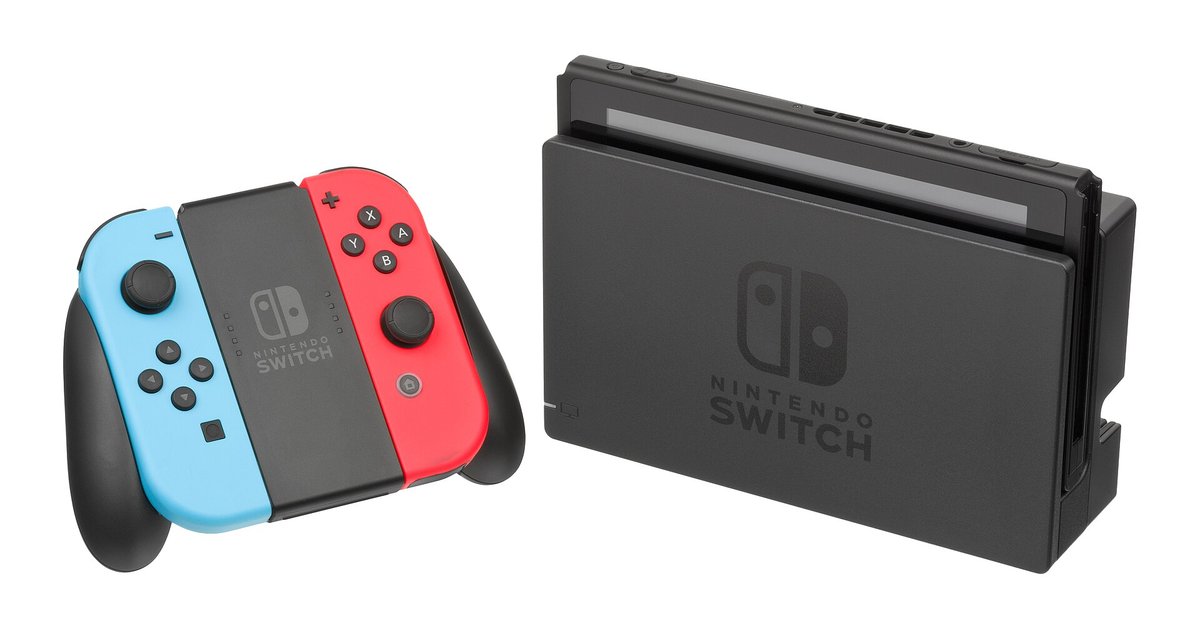
The Switch's hidden browser is reported to primarily support MP4 files with H.264 video and AAC audio; other formats like WebM may not work.
The Only Switch Hidden Browser Video Combo That Works
The MP4 file format is the most commonly reported container that works with the Switch hidden browser. Inside that container, the video stream must be encoded with the H.264 codec (also called AVC). The audio stream must be encoded with the AAC codec. This limitation is likely due to the browser's underlying media engine, which is a lightweight Chromium-based or NetFront NX WebKit-based engine. The browser appears to have limited or no codec fallback support. Files using H.265 (HEVC), VP9, or MP3 audio inside an MP4 container may fail to play. To test this, you can use a tool like HandBrake on your computer to re-encode a video to the Baseline or Main profile of H.264 at a moderate bitrate, with AAC audio at 128 kbps or lower. Once you transfer that file to a web server or a direct URL, the browser will play it in full-screen with basic controls, and using the best DNS server addresses for switch hidden browser can help you reach that server more reliably. But this only works if every element matches precisely.
If you have already used a DNS trick or social media method to get browser on switch, and then tried to load a video only to see a black screen or an error, this is the core reason. The browser's video playback capabilities are extremely limited, and only this exact combination works.
What People Try That Never Works
Most users who attempt to watch videos on switch browser make the mistake of trying to load streaming platforms or common web video formats. YouTube, Twitch, Vimeo, and Dailymotion all use adaptive streaming protocols like DASH or HLS, which the hidden browser cannot parse. You will see a spinning loader or a blank screen. Similarly, direct links to MKV files, WebM files, or any video using the H.265 (HEVC) or VP9 codec will result in an immediate error. The browser lacks the decoders for those formats. Even a simple HTML5 video tag pointing to a WebM file will produce a black box. The browser also cannot handle embedded players that rely on JavaScript APIs for playback. It expects a direct file URL that ends in .mp4 and nothing else. It involves network streaming from the console, not using the browser for video playback.
When Even MP4 H.264 Fails
Even when your file is a perfect MP4 with H.264 video and AAC audio, playback can still break due to additional restrictions. The browser has a soft resolution limit. Videos above 1080p (1920x1080) may cause playback issues. High bitrate files may stutter or refuse to load. More critically, the server hosting the file must send the correct MIME type (video/mp4) and must not require range request headers that the browser fails to negotiate. If you host the file on a service like Google Drive or Dropbox, the generated share link usually redirects through a download page, not a direct video stream. The browser will show an error. The only reliable method is to place the MP4 file on a simple HTTP server, like a local NAS or a free static host, that serves the file without authentication. Finally, the browser's memory is limited. Large files may cause the browser to crash or freeze. The hidden browser cannot help you there.
The Switch hidden browser has no codec fallback of any kind, making it the only modern browser that silently refuses to play a video unless the file is an MP4 container with H.264 video and AAC audio, served over a direct HTTP link with the correct MIME type.