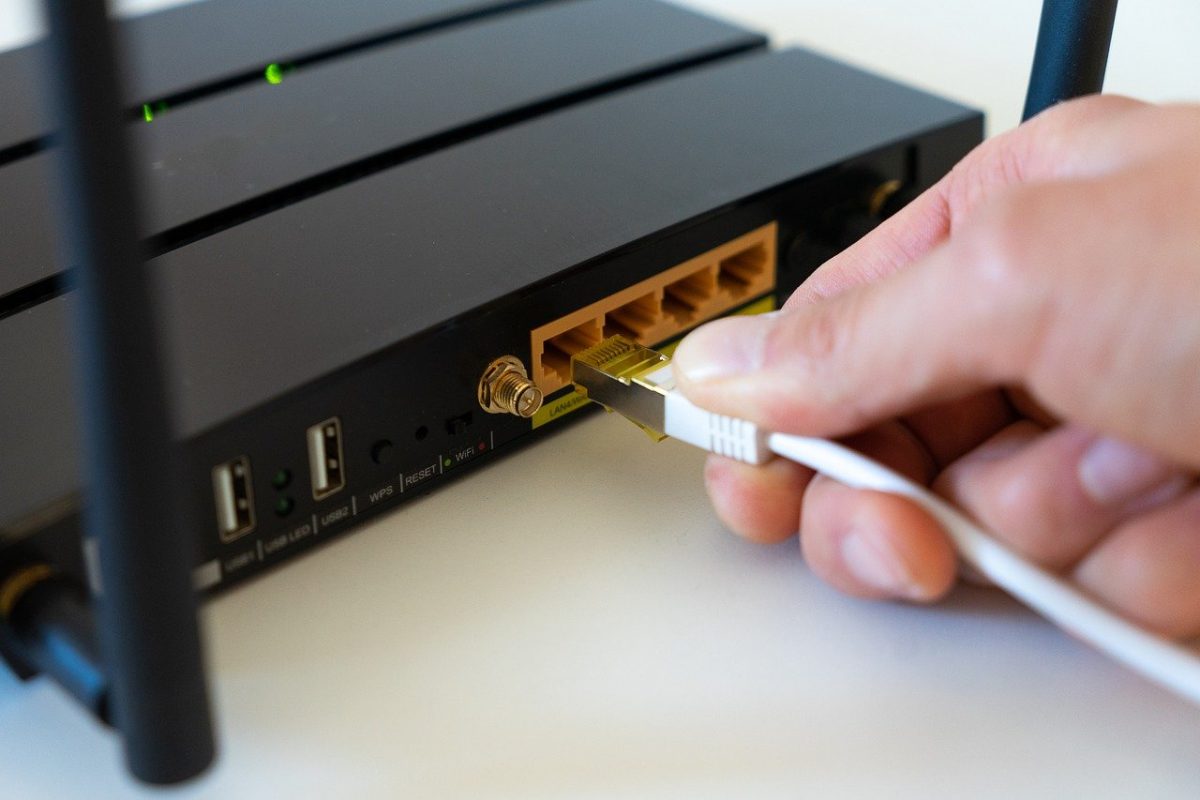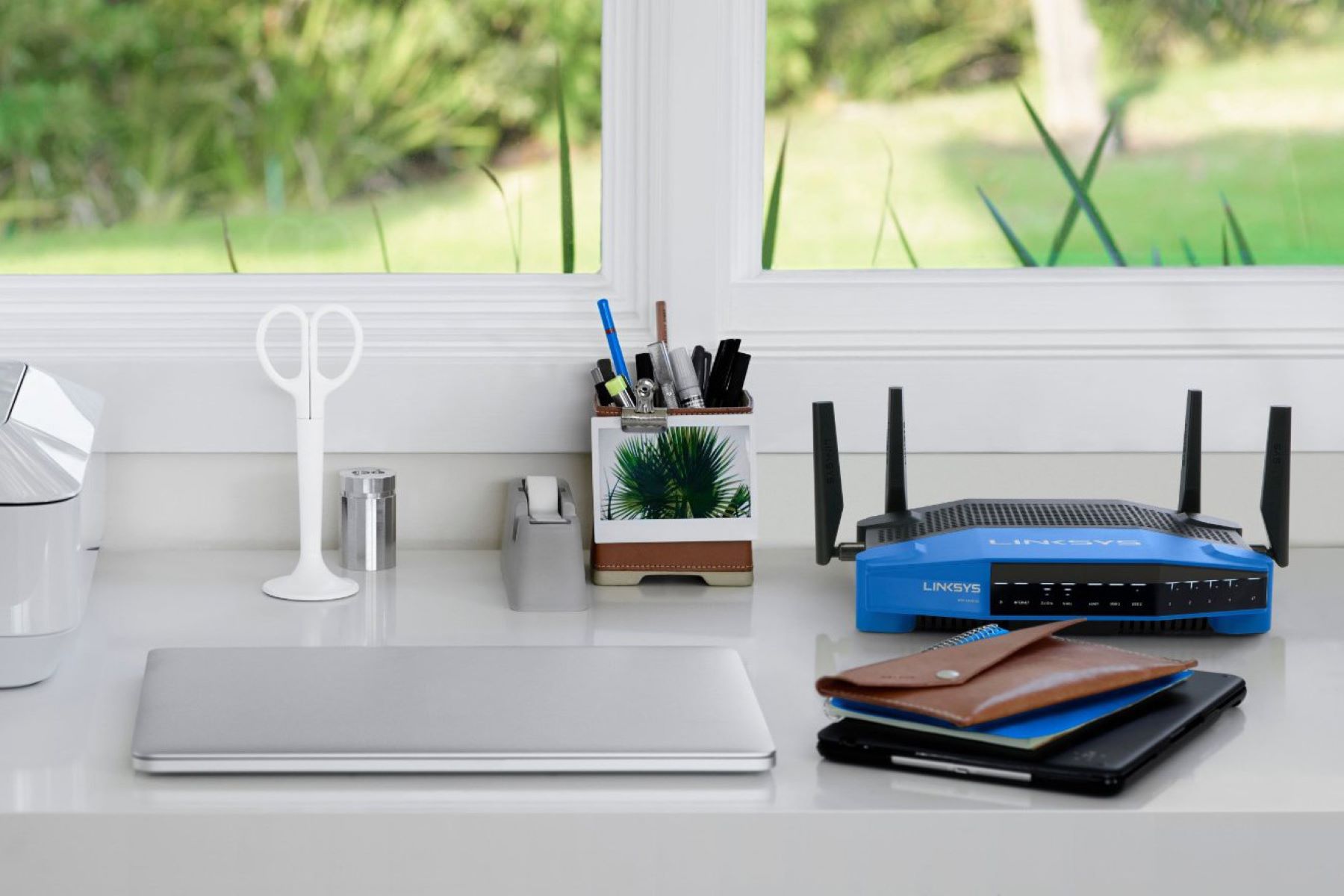
The real requirement for Cox-compatible routers is that the modem, not the router, must be Cox-certified. Any modern standalone router will work with Cox internet service as long as it connects to a Cox-approved modem. This means the focus keyword "cox compatible routers" actually points to the modem as the critical piece of hardware you need to verify before purchase.
The real requirement for cox compatible routers
Cox internet service requires a certified cable modem to establish a connection to their network. The router itself is not subject to Cox certification because it simply distributes the internet signal from the modem to your devices. If you already own a Cox-approved modem, you can pair it with virtually any standalone router from a reputable manufacturer like TP-Link, ASUS, Linksys, or NETGEAR.
This distinction matters because many people search for "cox compatible routers" when they actually need to focus on the modem. The modem handles the DOCSIS protocol that communicates with Cox's infrastructure. The router merely creates your local Wi-Fi network and manages connected devices. Cox cannot see or control your router, so compatibility is only determined by the modem's certification status.
The critical modem rule most people miss
Combination Internet and Telephone modems (eMTAs) purchased from third-party retailers are not certified for use with the Cox network and will not activate. This is a hard rule that catches many Cox voice customers off guard. If your Cox plan includes home phone service, you cannot buy a third-party modem/router combo with a phone port and expect it to work.
Cox requires their own leased eMTA device for voice service because the embedded Multimedia Terminal Adapter (eMTA) must be provisioned with specific firmware and security certificates. Third-party eMTAs lack these credentials, so Cox's activation system will reject them. If you need voice service, you have two options: rent Cox's panoramic modem, or buy a Cox-certified data-only modem and use a separate voice adapter from Cox.
Best all-in-one modem/router combos (gateways)
For customers who want a single device that serves as both modem and router, Cox-certified DOCSIS 3.1 gateways are the safest choice. These devices have been tested by Cox and appear on their approved modem list. The ARRIS Surfboard G36 and NETGEAR CAX80 are two verified examples that support Cox's Gigablast speed tier.
The ARRIS Surfboard G36 delivers DOCSIS 3.1 speeds up to 6 Gbps downstream and includes a built-in Wi-Fi 6 router. It has four Gigabit Ethernet ports and supports Cox's highest internet plans. Both gateways eliminate the need for a separate router and simplify your setup.
When choosing a gateway, verify that the specific model number appears on Cox's official approved modem list. Cox updates this list regularly, and some older DOCSIS 3.0 gateways are being phased out. Stick with DOCSIS 3.1 models for future-proof compatibility with Cox's network upgrades.
Choosing a standalone router for your Cox modem
If you already own a Cox-approved modem or plan to buy one separately, your router choice is nearly unlimited. Any modern standalone router will work with your Cox connection, regardless of brand or price point. The only technical requirement is that the router has an Ethernet WAN port to connect to your modem's LAN port.
For optimal performance with Cox's higher speed tiers, look for routers that support Wi-Fi 6 (802.11ax) or Wi-Fi 6E. These newer standards provide faster wireless speeds, better handling of multiple devices, and improved range compared to older Wi-Fi 5 routers. A Wi-Fi 6 router like the ASUS RT-AX58U or TP-Link Archer AX55 will easily handle Cox's 500 Mbps and Gigablast plans.
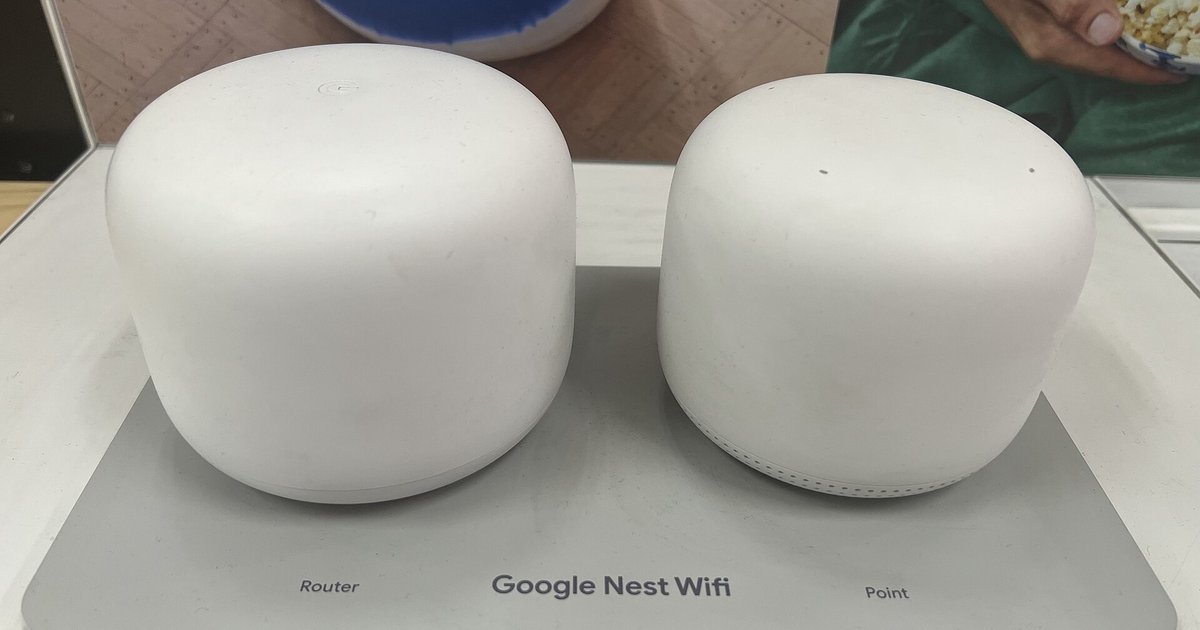
If you have a Cox plan under 300 Mbps, a Wi-Fi 5 router will still perform adequately. However, investing in Wi-Fi 6 now ensures your router won't become a bottleneck when you upgrade your internet speed later. Mesh Wi-Fi systems like the Eero Pro 6 or NETGEAR Orbi also work seamlessly with Cox-approved modems and provide whole-home coverage.
How to find the official Cox approved modem list
Cox maintains an official list of certified modems and gateways on their website at cox.com/support/approved-modems.html. This list is the only authoritative source for determining whether a specific modem model is compatible with your Cox internet plan. Before purchasing any modem or gateway, check this page to confirm your exact model number appears on the list.
The official list categorizes devices by speed tier, showing which modems support Cox's Essential, Preferred, Ultimate, and Gigablast plans. It also indicates whether a device supports voice service, although third-party voice modems are not certified as noted above. Cox updates this list when new modems are certified and when older models are retired from support.
When you find a modem on the list, note the exact model number and revision. Cox sometimes certifies only specific hardware revisions of a modem, so a slightly different model number may not work. Double-check the model number printed on the device itself against the list before making your purchase.
If you plan to buy a used modem, verify that it has not been reported stolen or still linked to a previous owner's Cox account. Cox requires the modem's MAC address to be clear before it can be activated on your account. You can call Cox support with the modem's MAC address to verify it is eligible for activation before you buy.
For standalone routers, Cox does not maintain a compatibility list because any router works with their service. However, Cox does provide recommended router settings for optimal performance, including DNS settings and Wi-Fi channel recommendations. These recommendations are available in Cox's online support center and can help you fine-tune your router for the best experience.
After confirming your modem is Cox-certified, you can confidently purchase any standalone router or use the certified gateway models mentioned above. The key takeaway is that your router choice is flexible, but your modem must be Cox-approved. By focusing on the modem certification first, you avoid the frustration of buying equipment that won't activate on Cox's network.
Check the Cox approved modem list before every equipment purchase, especially if you're buying a used device or a model that's been on the market for several years. Cox periodically removes older DOCSIS 3.0 modems from their supported list, so a modem that worked last year may no longer be compatible. The official list is your definitive resource for ensuring your equipment works with your Cox internet service.
\nRelated reading: Where Is Wps Button On Spectrum Wifi 6 Router, What Routers Does Spectrum Use, and How To Daisy Chain Wireless Routers.