To connect to Spectrum in-home wifi, all you need is the network name and password printed on the label attached to your Spectrum modem or router. Once your equipment is powered on and activated, any smartphone, laptop, or tablet can join your network in under a minute by selecting the correct SSID and entering the case-sensitive password.
Before you connect to Spectrum In-Home Wifi
Ensuring the modem/router is powered on and the 'Online' light is solid, locating the default SSID and password on the equipment label, and understanding the single-network-name feature of Advanced WiFi routers
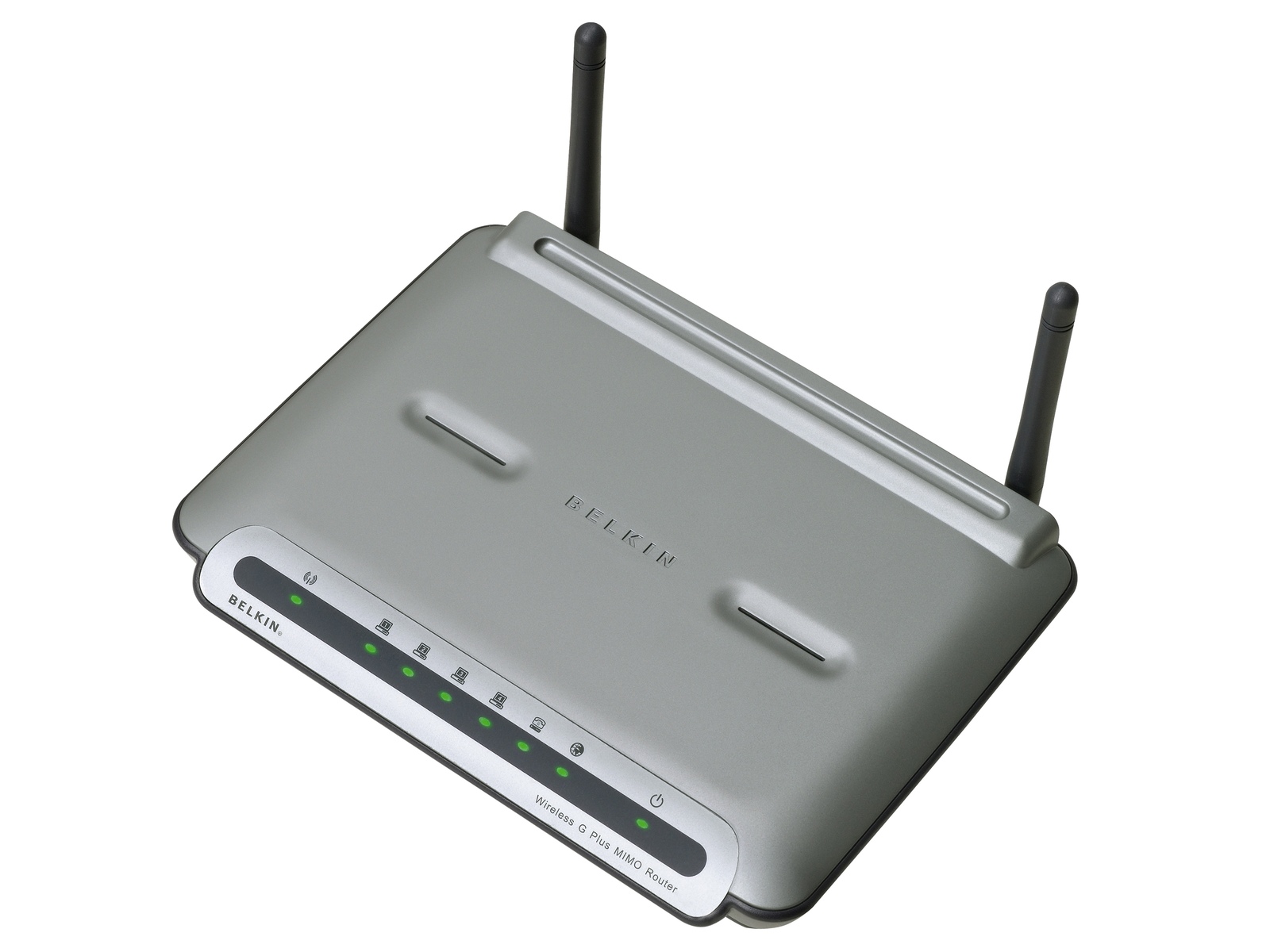
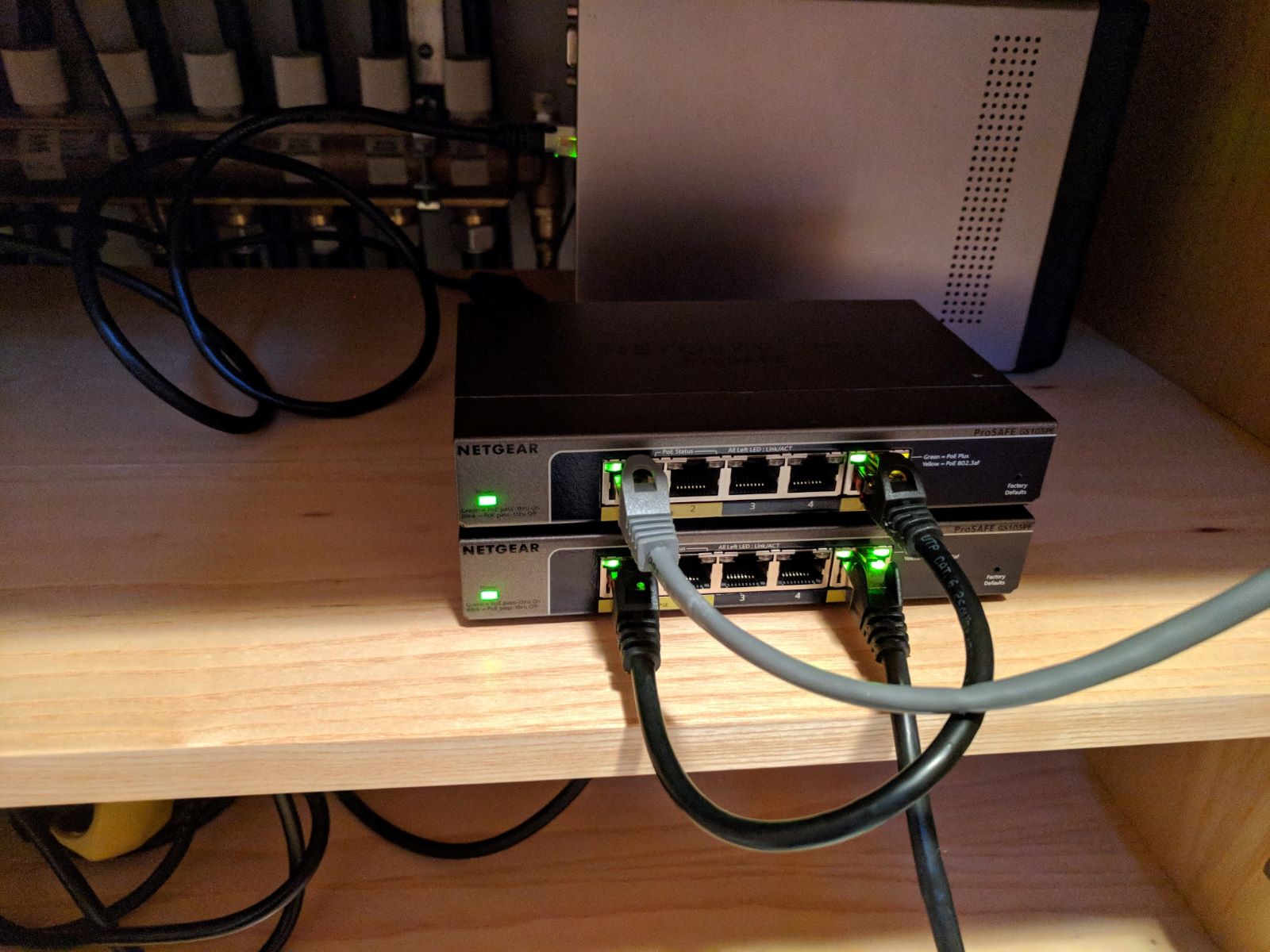
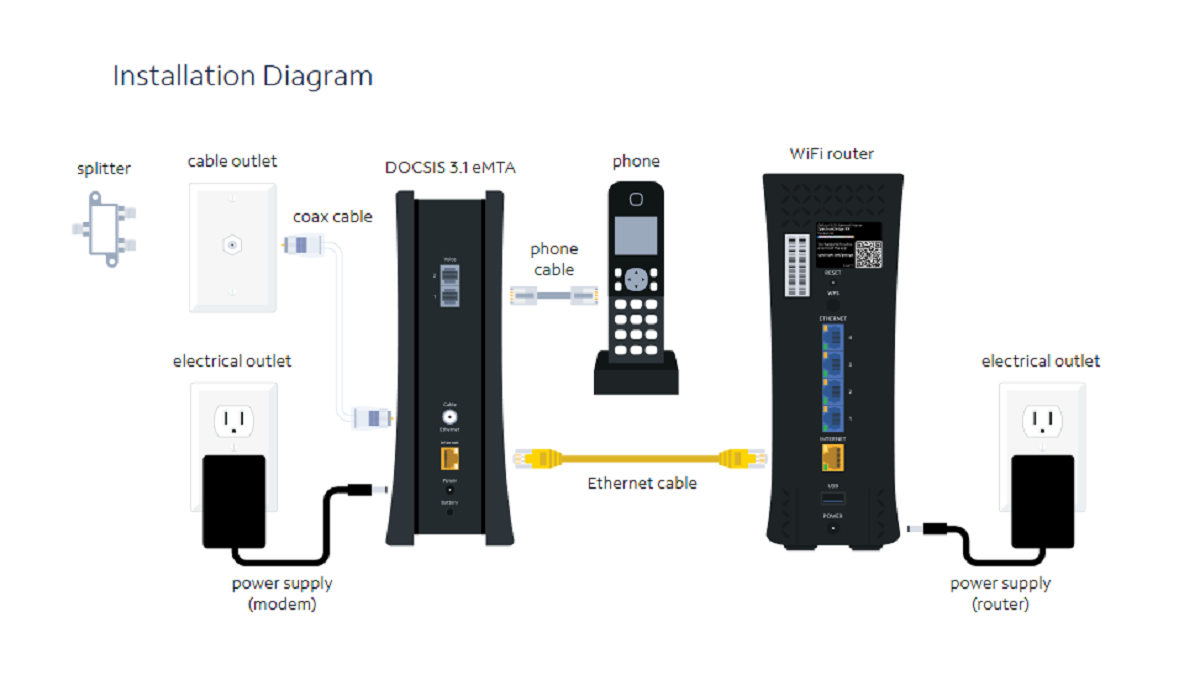
Before you attempt to connect any device, confirm that your Spectrum modem and router (if they are separate units) are properly set up and activated. The modem must be plugged into a cable wall outlet via a coax cable, and its power cord must be connected to an electrical outlet. Wait two to five minutes for the "Online" status light to turn solid blue or green, this indicates the modem has established a connection to Spectrum’s network. If you have a separate WiFi router, connect an Ethernet cable from the modem to the router’s "Internet" or "WAN" port, then power on the router and allow up to ten minutes for its WiFi status light to turn solid green or blue.
The default WiFi Network Name (SSID) and password are printed on a label located on the back of your Spectrum modem or router. This is the information you will use to connect every device in your home. Note that Spectrum Advanced WiFi routers use a single network name that automatically supports both 2.4 GHz and 5 GHz bands, so you won’t need to choose between separate networks, your device will simply connect to the strongest available signal under that one SSID.
How to connect your device to Spectrum In-Home Wifi
Connecting a phone, laptop, or tablet to your Spectrum in-home wifi is a straightforward process that takes only a few seconds once you have the network name and password handy.
- On your wireless device, open the WiFi settings. On a laptop, look for the network icon in the system tray or menu bar.
- From the list of available networks, select your Spectrum WiFi Network Name (SSID). Make sure you pick the exact name printed on the router label, not a neighbor’s network with a similar name.
- When prompted, enter the WiFi password exactly as it appears on the label. Passwords are case-sensitive, so pay close attention to uppercase and lowercase letters, as well as any numbers or special characters.
- Confirm the connection. Your device will show a WiFi icon or a "Connected" status once the link is established, and you can begin browsing, streaming, or working online immediately.
Repeat these steps for every additional device you want to connect. The single-network-name feature of Advanced WiFi routers means you don’t need to worry about which band your device is using, just connect once and the router handles the rest.
What to do if you can't connect
If your device fails to connect, start by verifying the password is correct and case-sensitive. A single typo, especially with an uppercase letter or a symbol, will prevent the connection. Next, ensure WiFi is enabled on your device and that you are within range of your network; thick walls, long distances, and closed doors can weaken the signal. If you are far from the router, move closer and try again.
If the password and range are not the issue, restart your device. Sometimes a simple reboot clears temporary glitches that block WiFi connections. If that doesn’t work, perform the official 60-second modem/router power-cycle sequence: unplug the power cords from both the modem and the router, wait 60 seconds, then plug the modem back in and wait two minutes for its "Online" light to turn solid. Finally, plug the router back in and wait another two minutes for its WiFi light to stabilize. After this reset, attempt to connect again using the SSID and password from the label.
Getting the best WiFi coverage in your home
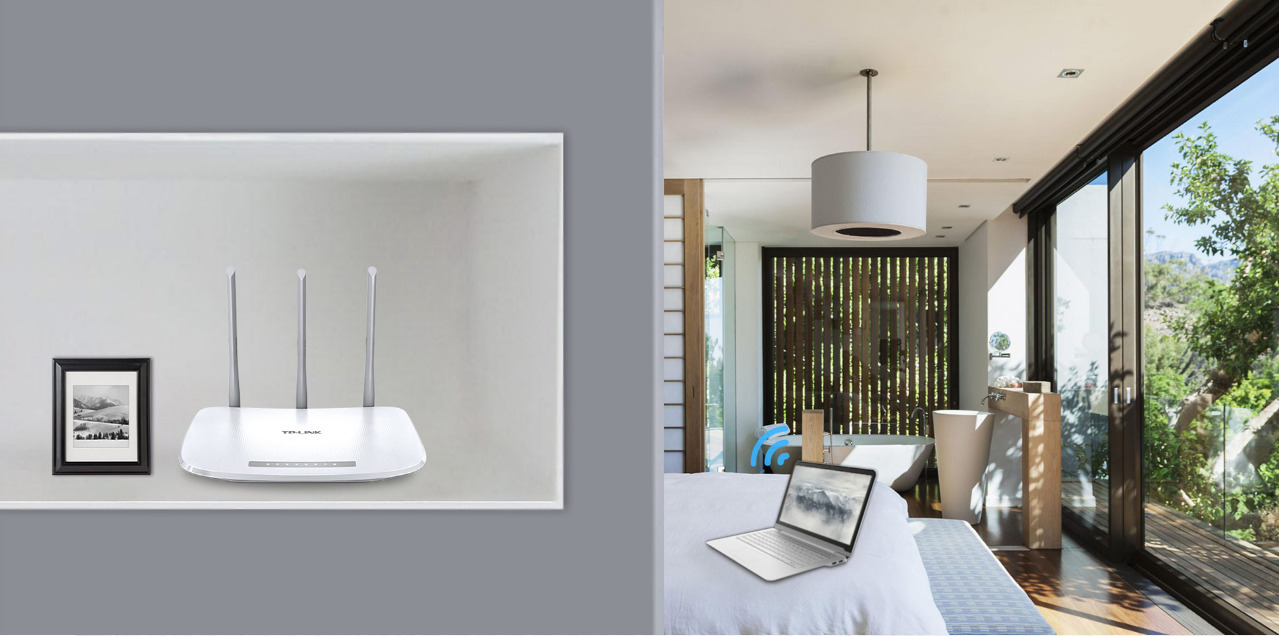
Once your devices are connected, you can improve your network’s performance by placing your router in a central, open location. Avoid closets, behind furniture, or near metal objects, appliances, windows, or mirrors, these can block or interfere with the wireless signal. A router placed on a shelf in the middle of your home will provide more consistent coverage than one tucked in a corner or inside a cabinet.
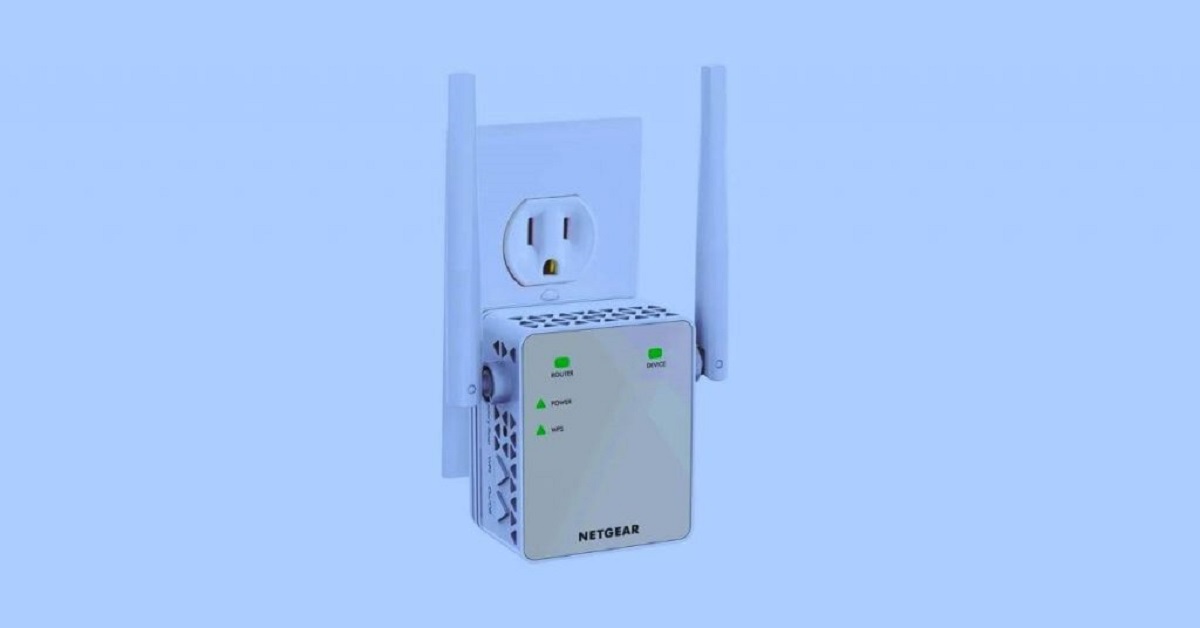
If you still have dead spots in larger homes or areas far from the router, Spectrum WiFi Extenders are available to enhance coverage and eliminate dead spots, especially with Advanced WiFi 5, 6, and 6E routers. These devices plug into standard outlets and rebroadcast your network signal, so you can maintain a strong connection in every room without running additional cables. Place an extender halfway between your router and the area with weak signal, and you’ll notice a significant improvement in speed and reliability throughout your home.
\nRelated reading: How To Install A TP-Link Wireless Router, How To Connect Wifi Extender To Router Without Wps, and How to Connect a Smart TV to Wi-Fi.