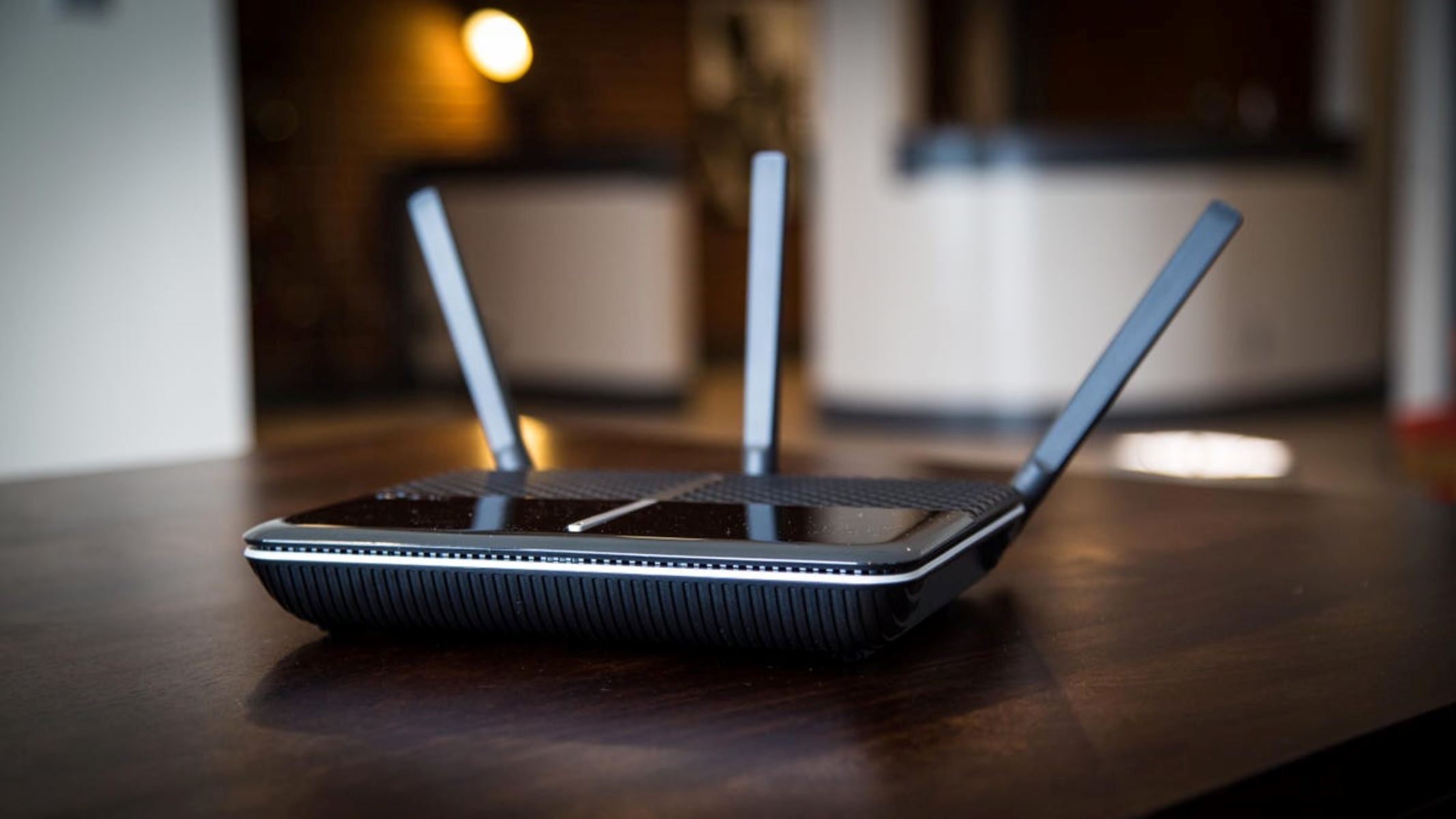
If you're wondering what routers Spectrum uses, they currently provide WiFi routers across four WiFi generations: WiFi 5, WiFi 6, WiFi 6E, and WiFi 7.
Spectrum's current router lineup is organized by WiFi generation, with specific model numbers assigned to each device. For WiFi 5, Spectrum uses the SAC2V1A, SAC2V1K, and SAC2V2S models. For WiFi 6, the lineup includes the SAX1V1R, SAX1V1K, and SAX1V1S. WiFi 6E routers are the SAX2V1S and SAX2V1R, while WiFi 7 routers are the SBE1V1K and SBE1V1R.
These routers are not sold separately, they come bundled with Spectrum's managed WiFi services. The WiFi 5, WiFi 6, and WiFi 6E models are provided through the Advanced WiFi service, which costs $10 per month but is included free with Internet 1 Gig or higher plans, or when bundled with Spectrum Mobile or TV. The WiFi 7 router (SBE1V1K or SBE1V1R) is exclusive to the Invincible WiFi service, which costs $20, $30 per month or is included with 2 Gig Internet plans.
All Spectrum-provided routers support multiple frequencies (2.4 GHz, 5 GHz, and 6 GHz where applicable) and use a Single SSID with Adaptive Steering to automatically connect your devices to the best available band. This means you don't need to manually switch between networks, the router handles it for you.
Spectrum Advanced WiFi: routers and pricing
Spectrum Advanced WiFi is the company's standard managed router service, priced at $10 per month. However, you get it at no extra charge if you subscribe to Internet 1 Gig or higher, or if you bundle your internet with Spectrum Mobile or TV. This service includes a Spectrum-provided router that supports WiFi 5, WiFi 6, or WiFi 6E, depending on availability and your plan.
The WiFi 5 models (SAC2V1A, SAC2V1K, SAC2V2S) are the entry-level options, suitable for everyday browsing and streaming. The WiFi 6 models (SAX1V1R, SAX1V1K, SAX1V1S) offer faster speeds, better performance in dense device environments, and improved battery life for connected devices. The WiFi 6E models (SAX2V1S, SAX2V1R) add the 6 GHz band, which provides additional spectrum for less congestion and lower latency, ideal for gaming and video conferencing.
With Advanced WiFi, you get a single network name (SSID) across all bands, and the router automatically steers your devices to the best frequency. You manage everything through the My Spectrum App, where you can personalize your WiFi name and password, pause internet access for specific devices, and set up port forwarding.
Spectrum Invincible WiFi: WiFi 7 router with backup
Spectrum Invincible WiFi is the premium managed router service, priced at $20, $30 per month or included free with 2 Gig Internet plans. This service provides the WiFi 7 router (SBE1V1K or SBE1V1R), which is Spectrum's most advanced equipment to date. WiFi 7 offers significantly faster speeds, lower latency, and better handling of multiple simultaneous devices compared to earlier generations.
What sets Invincible WiFi apart is its 5G backup connectivity. If your cable internet goes down, the router automatically switches to a 5G cellular connection, keeping you online during outages. It also includes up to 8 hours of battery support, so your WiFi keeps working even during a power failure. This makes Invincible WiFi particularly valuable for remote workers, gamers, or anyone who relies on uninterrupted internet access.
The Invincible WiFi router uses the same Single SSID with Adaptive Steering as the Advanced WiFi models, so you get seamless band selection across 2.4 GHz, 5 GHz, and 6 GHz. You manage it through the My Spectrum App with the same features available on Advanced WiFi, plus the backup connectivity controls.
Key features of Spectrum-provided routers
All Spectrum-provided routers share a set of core features designed to simplify your home network. The most notable is the Single SSID with Adaptive Steering, which broadcasts one network name across all frequency bands. Your devices automatically connect to the best available band (2.4 GHz, 5 GHz, or 6 GHz) based on signal strength and interference, so you never have to manually switch networks.
The app lets you personalize your WiFi name and password, pause internet access for specific devices, and set up port forwarding for gaming or hosting services. You can also view connected devices, run speed tests, and troubleshoot connection issues directly from the app.
Your default WiFi network name (SSID) and password are printed on the equipment label on the back of the router. This label also includes the router's model number and serial number, which you'll need for support or troubleshooting. If you ever need to reset the router to factory settings, there's a reset button on the device itself, but you can also do it through the app.
Using your own router with Spectrum
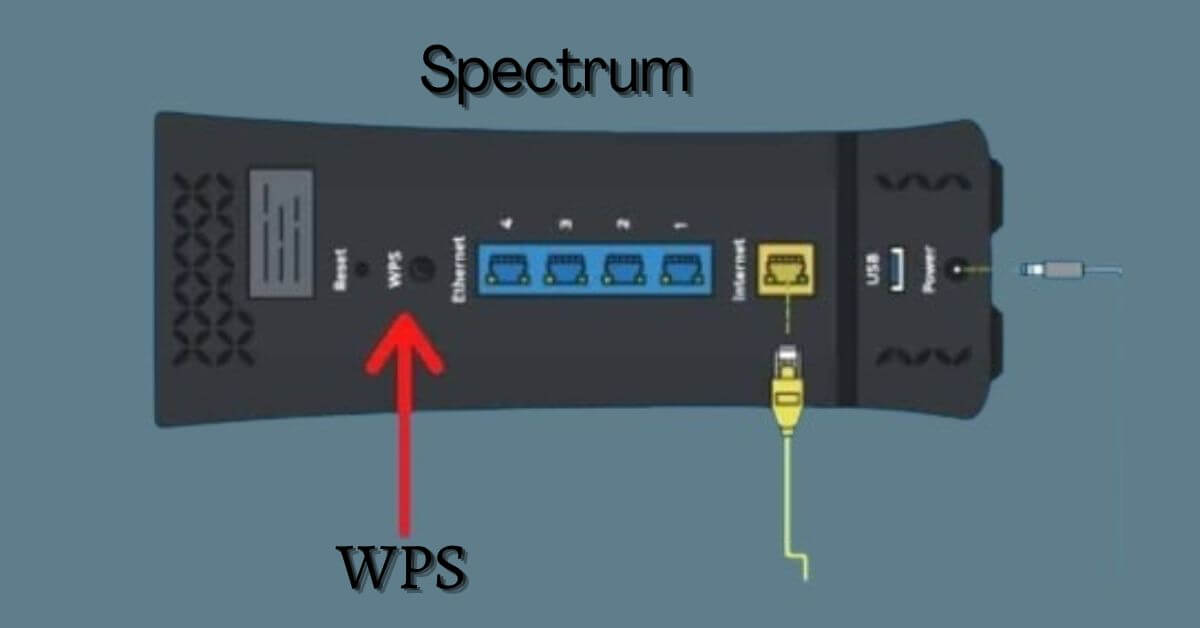
You have the option to use a third-party router with Spectrum instead of renting one. If you choose this route, Spectrum provides a standalone modem at no additional charge, you only need to connect your own router to the modem's Ethernet port. This gives you full control over your network hardware and features, without paying the monthly router fee.
While any router works with Spectrum's internet service, the modem must be compatible and approved by Spectrum. Spectrum recommends DOCSIS 3.1 modems for gigabit internet plans, and DOCSIS 3.0 modems will no longer be supported after October 28, 2026. If you have Spectrum Home Phone service, note that it is not compatible with customer-owned modems, and symmetrical speed tiers (equal upload and download speeds) require a Spectrum-provided modem.
There are some limitations to using your own router. Spectrum technicians only provide support for Spectrum-provided equipment, if you have issues with a third-party router, you'll need to troubleshoot it yourself or contact the router manufacturer.
How to choose between renting and buying your own router
The decision to rent a Spectrum router or buy your own comes down to cost, support, and customization. However, Spectrum's routers include the $10 monthly fee as part of your bill, so the cost is predictable and requires no upfront investment.
Support is a key differentiator. Spectrum technicians only support Spectrum-provided equipment, so if your rented router has issues, Spectrum will troubleshoot and replace it at no extra cost. If you prefer a hands-off approach, renting is simpler.
Customization is where third-party routers shine. You can choose a router with advanced QoS settings, enhanced parental controls, VPN support, or mesh capabilities, features that Spectrum's routers may not offer. You also have control over firmware updates and can select a router with the latest WiFi standard (like WiFi 7) without waiting for Spectrum to upgrade their equipment. Consider your internet speed, home size, device count, and specific feature needs when deciding.
How to set up and manage your Spectrum router
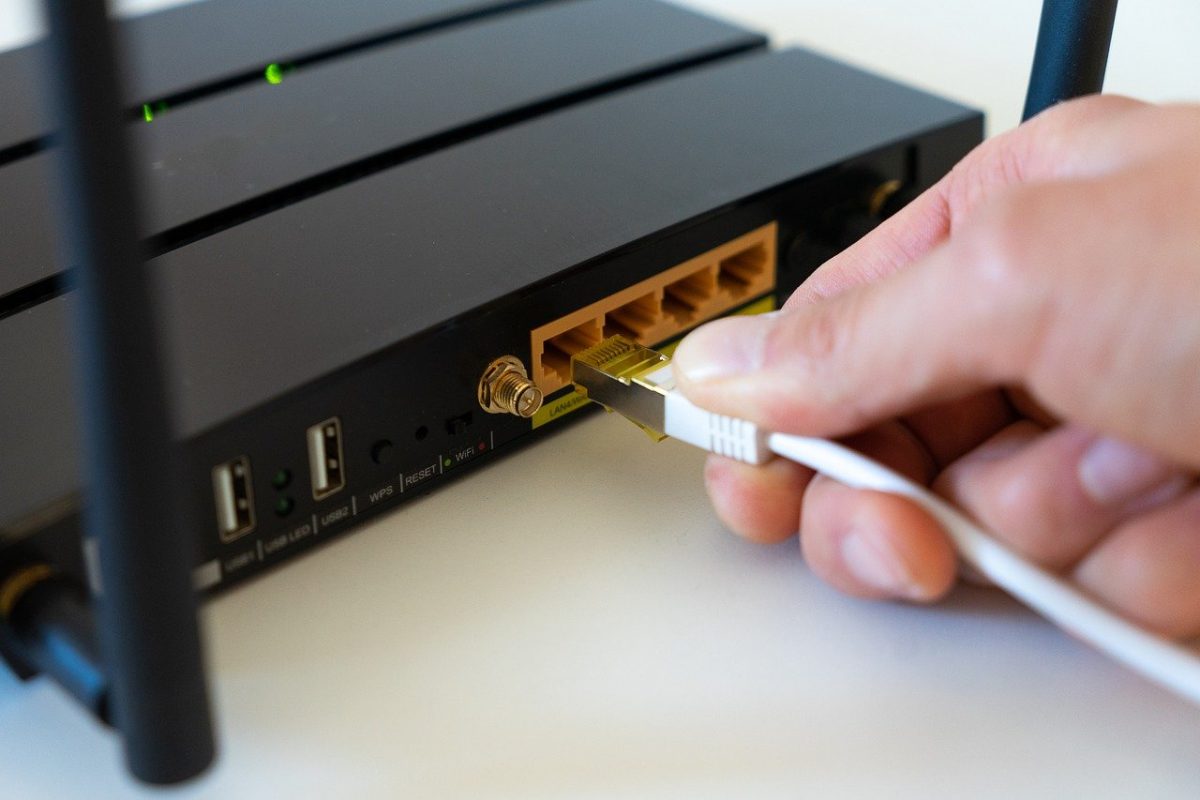
Self-installation of a Spectrum router is straightforward. First, connect the modem to the cable outlet using a coaxial cable, then plug the modem into a power outlet. Next, connect the router to the modem's Ethernet port using the included Ethernet cable, and power on the router. Wait for the lights to stabilize, then activate your service online via Spectrum.net/selfinstall or the My Spectrum App.
For optimal router placement, position the router in a central location in your home, away from walls, floors, and large metal objects. Avoid placing it near microwaves, cordless phones, or baby monitors, as these can interfere with WiFi signals. If you have a multi-story home, place the router on the main floor to maximize coverage. For larger homes, consider a mesh WiFi system or a Spectrum router with extended coverage capabilities.
Once your router is set up, you can manage it through the My Spectrum App. For more advanced settings, you can access the router's web-based interface using the default credentials printed on the equipment label.
\nRelated reading: How To Daisy Chain Wireless Routers, What Routers Are Compatible With Cox, and What Does The 6 On My Wifi Mean.