The difference between UHD and LED TV is that UHD (Ultra High Definition) refers to the screen resolution of 3840 x 2160 pixels, while LED (Light Emitting Diode) refers to the backlight technology used to illuminate the display. These are not competing TV types; they describe different features that often coexist in the same television, meaning you can buy a TV that is both UHD and LED.
What is the difference between UHD and LED TV?
UHD and LED are two distinct specifications that work together in most modern televisions. UHD is a resolution standard that determines how many pixels are on the screen, offering four times the detail of Full HD. LED is a backlighting method that uses light-emitting diodes to brighten the LCD panel. They are not alternatives to each other; rather, a UHD TV almost always uses LED backlighting, and an LED TV can come in various resolutions, including UHD. When comparing TVs, you are comparing a resolution feature (UHD) with a lighting technology (LED).
Understanding UHD resolution
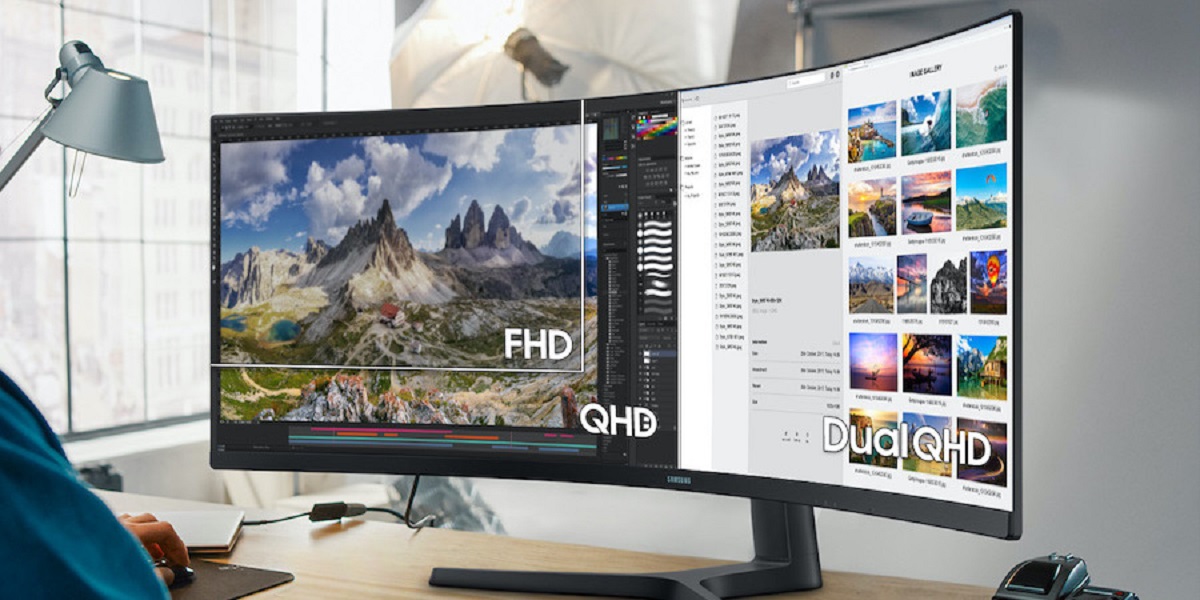
UHD, or Ultra High Definition, is a resolution standard that delivers a pixel count of 3840 x 2160, commonly known as 4K UHD. This provides four times the pixel density of Full HD (1920 x 1080), resulting in sharper and more detailed images, even when viewed from closer distances. For consumer televisions, the terms UHD and 4K are often used interchangeably, though cinema 4K has a slightly different resolution of 4096 x 2160. UHD also includes 8K UHD at 7680 x 4320 pixels, and all UHD TVs maintain the standard 16:9 aspect ratio.
Understanding LED backlight technology
LED stands for Light Emitting Diode, and in TVs it refers to the light source placed behind the LCD panel. This technology replaced older fluorescent backlights, offering several benefits. LED backlighting enables a slim and compact TV design, produces superior brightness for vivid images, and is more energy-efficient than traditional lighting methods. The brightness and uniformity of LED backlights are key to making modern TVs perform well in various lighting conditions.
How UHD and LED work together in modern TVs
In modern TVs, UHD and LED are complementary technologies. Most UHD TVs are LED-backlit LCDs, making this combination the industry standard. The LED backlight provides the brightness needed to make UHD's high pixel density look its best, ensuring that the fine details in 4K content are visible and vibrant. Without sufficient backlighting, the dense pixel grid of a UHD panel would appear dim and lack contrast. Together, they deliver the sharpness of UHD resolution with the brightness and efficiency of LED lighting.
What to look for when buying a TV
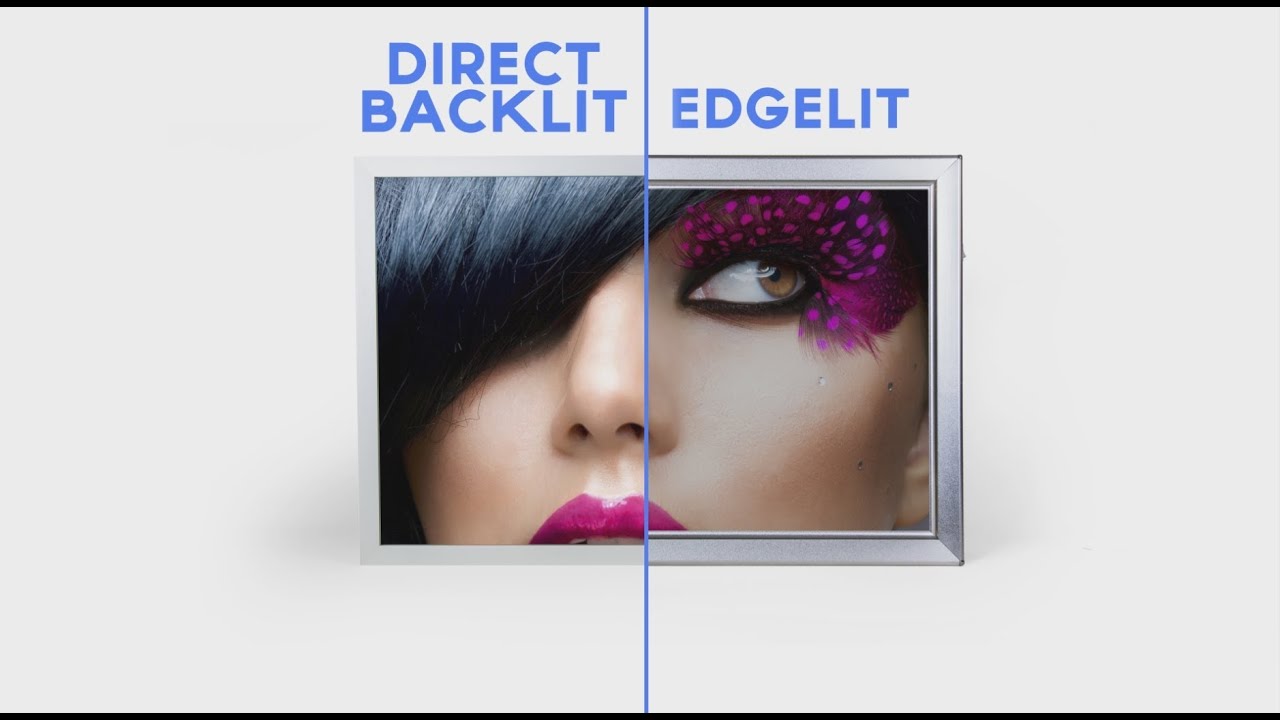
When buying a TV, start by choosing UHD resolution if you want sharpness and detail, especially for larger screen sizes where the higher pixel count is most noticeable. Select LED backlighting for a slim, bright, and energy-efficient display. For the best overall picture quality, consider complementary features like HDR (High Dynamic Range) and local dimming. Local dimming allows specific areas of the screen to be dimmed or turned off for deeper blacks and better contrast, which is especially effective when you choose an edge-lit or direct-lit LED TV. Choosing between an edge-lit and a direct-lit LED TV depends on your preference for slim design versus superior contrast control, as direct-lit models typically offer more precise local dimming. If you're still weighing display technologies, comparing a crystal or LED TV can clarify which panel type best fits your viewing habits.