You can make your internet experience faster, safer, and less cluttered starting today, using tools already built into your browser and a few simple habits that take minutes to set up. The goal isn't to redesign the web, it's to take control of the parts you touch every day, from page load speed to privacy protection, so that every session feels quicker and more secure.
Speed up your browser with built-in tools
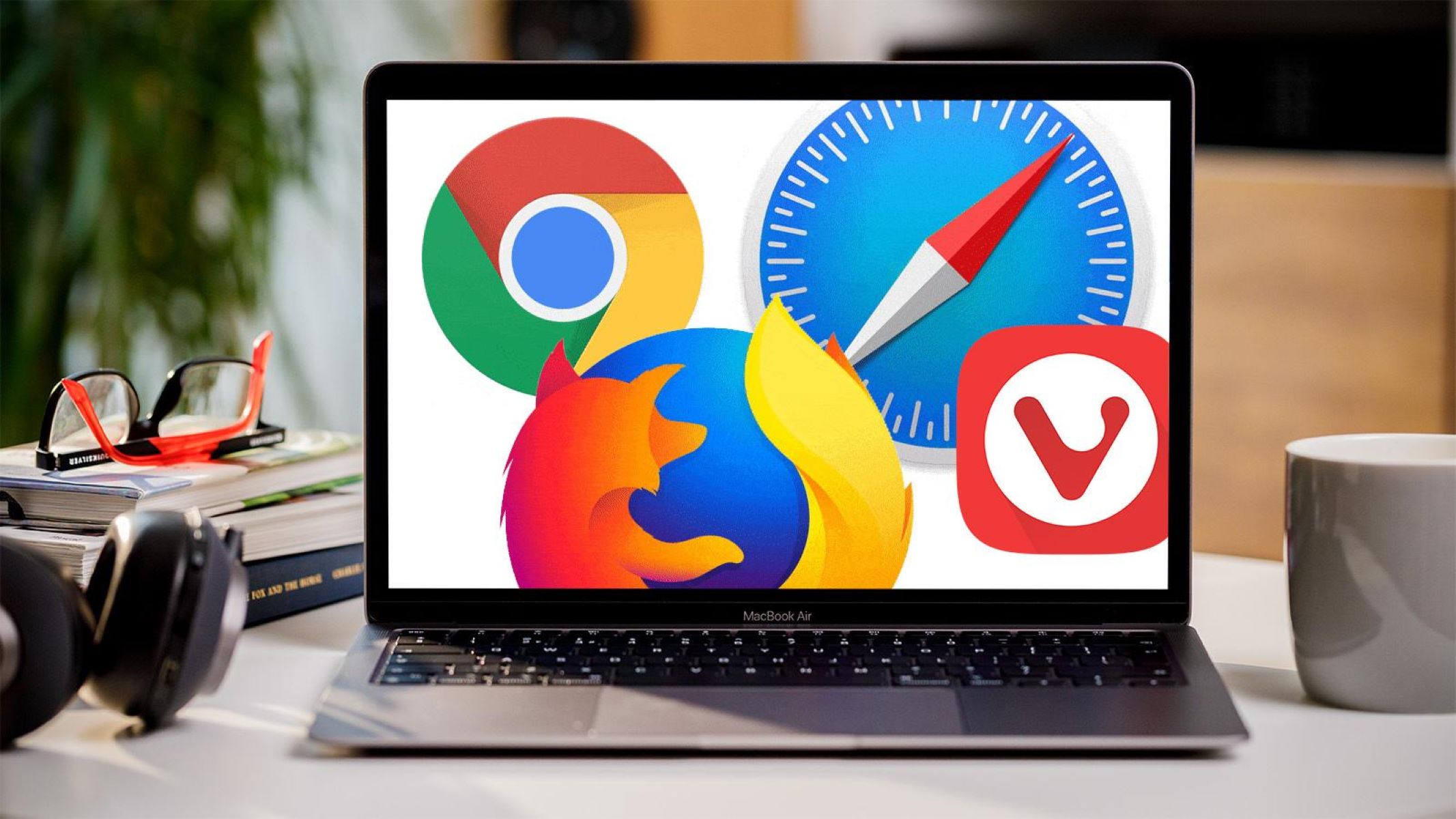
Your browser is likely the app you use most, and modern versions come with performance features that work automatically once you enable them. In Google Chrome, Memory Saver frees up memory from inactive tabs, which means your computer doesn't slow down when you keep many pages open. Energy Saver reduces background activity to extend battery life on laptops. Both are found under your browser's performance settings, and turning them on takes seconds.
Beyond those toggles, the simplest speed wins are habits: close tabs you aren't using, disable extensions you don't recognize or need, and keep the browser updated to the latest version. Each extension runs code on every page you visit, so trimming them directly cuts load time. Updated browsers also include the newest rendering and JavaScript optimizations, which make pages paint faster. If you want lightweight pages, prefer sites that use minimal scripts and compressed images, they load quicker on any connection, especially mobile networks.
Protect your privacy with encrypted DNS and tracking prevention
When you type a web address, your browser asks a DNS server to translate it into an IP address. Without encryption, that request travels in plain text, meaning your internet service provider or anyone on your network can see which sites you visit. DNS over HTTPS (DoH) encrypts those queries, so your browsing destinations stay private from passive monitoring and man-in-the-middle attacks. Enabling DoH in your browser settings is a one-time change that adds a strong layer of privacy to every request you make.
For Apple users, Safari has Intelligent Tracking Prevention enabled by default, which limits cross-site tracking so advertisers can't build a profile of you across the web. Safari also includes a Privacy Report that summarizes how many trackers it has blocked on each site, and a Fraudulent Website Warning that checks pages against safe-browsing services. Checking that report occasionally shows you exactly what protections are active, and gives you confidence that your browsing habits aren't being sold.
Strengthen account security on every site you visit
A faster, safer internet also depends on your accounts being hard to break into. The most effective step is turning on multi-factor authentication wherever it's offered, this adds a second check beyond your password, so even if a password leaks, an attacker can't get in. Look for sites that encrypt your connection by default; the padlock icon in your address bar confirms that data you send and receive is protected in transit. Many services also provide a privacy dashboard where you can see what data they collect and revoke permissions you no longer need. Make it a habit to review those dashboards once a month and remove anything unnecessary.
Using a password manager helps too, because it lets you generate unique, complex passwords for every site without memorizing them. Combined with multi-factor authentication, this makes credential stuffing attacks far less effective. The result is that you can browse faster because you're not worried about whether a site is safe, you've already locked down the entry points.
Cut through clutter and misinformation as you browse
The web is full of content that wastes your time: clickbait headlines, duplicated articles, and outright falsehoods. You can filter much of it yourself. When you land on a page, check the source, does it name its authors, cite studies, or link to primary documents? Cross-referencing a claim with two or three other reputable outlets takes a minute and catches most misinformation. Fact-checking tools can also flag disputed claims before you share them, which keeps your own feed cleaner and more trustworthy.
Prefer concise writing that gets to the point. If an article buries the answer under paragraphs of filler, move on, there's likely a shorter, clearer version elsewhere. Over time, this habit trains you to recognize high-quality sources, and it also signals to search engines that useful content wins your attention. The less clutter you consume, the faster your brain processes what matters, and the less noise you spread to others.
Make browsing accessible and comfortable for your needs
You don't have to accept a site's default design if it strains your eyes or makes navigation difficult. Most browsers offer reader modes that strip away ads, sidebars, and pop-ups, leaving just the article text in a clean, resizable layout. For images, alt text describes what's shown, this helps if you use a screen reader or if images fail to load. Color contrast matters too: if a site uses low-contrast text, you can often force a high-contrast mode in your browser's accessibility settings. Responsive layouts that adapt to your screen size are standard on well-built sites, so if a page is hard to read on your phone, find a version that isn't.
These features aren't just for people with disabilities, they improve comfort for everyone. Choosing sites that support reader modes and clear typography means less eye strain during long reading sessions. And when you encounter a site that ignores accessibility, you can advocate for better design by using browser tools to override its styles. The web works for you, not the other way around.
What a faster, safer internet looks like day to day
Imagine opening your browser and having pages load almost instantly because memory saver cleared inactive tabs and you disabled three extensions you never used. Your DNS queries are encrypted, so your ISP can't see which sites you visit, and Safari's privacy report shows you blocked dozens of trackers this week. You log into your bank with multi-factor authentication, check your privacy dashboard on a social site, and spot a dubious claim in an article, so you cross-reference it with two other sources before sharing. Reader mode strips the clutter from a long essay, and the high-contrast text is easy on your eyes.
That routine takes less than ten minutes to set up once, and it compounds every day. The web isn't going to fix itself overnight, but you don't have to wait for developers to act. Each setting you change and each habit you adopt makes your personal browsing experience faster, safer, and less cluttered. Improvement is an ongoing habit, not a one-time project, and it starts with the browser you already have open.
\nRelated reading: What Is A Web Browser, How Do I Browse Internet On Vizio Smart TV, and How To Access Internet Explorer On Vizio Smart TV.