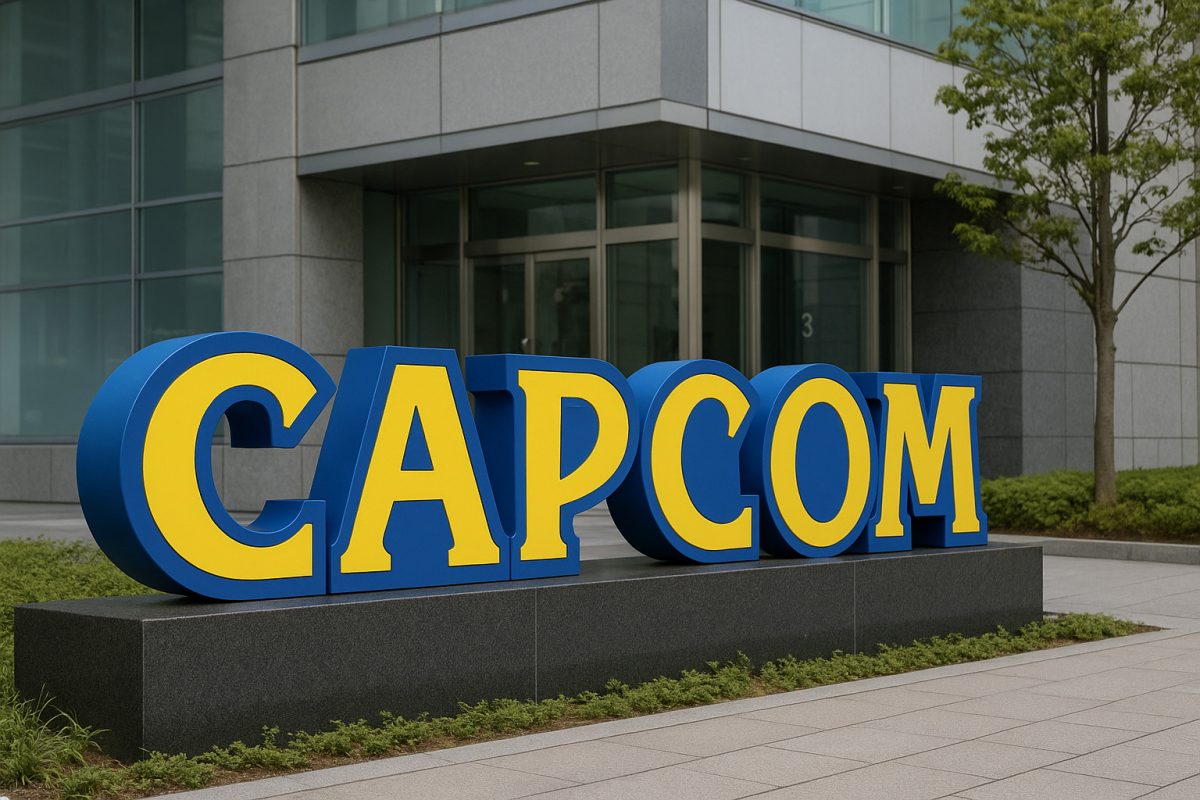
Understanding capcom history and games reveals how a small Osaka arcade manufacturer evolved into a global gaming powerhouse, defining genres and creating franchises that have sold hundreds of millions of copies worldwide. From its first coin-operated medal games to the blockbuster success of Resident Evil and Monster Hunter, Capcom's journey is a masterclass in adaptation, innovation, and enduring cultural impact.
The early Capcom history and games in arcades
Capcom's story begins with its predecessor, I.R.M. Corporation, founded on May 30, 1979, by Kenzo Tsujimoto. This initial venture laid the groundwork for what would become a gaming giant. Capcom Co., Ltd. was formally established on June 11, 1983, in Osaka, Japan, with the name being an abbreviation of "CAPsule COMputer." The company's earliest products were coin-operated medal games like "Little League" (July 1983) and "Fever Chance" (October 1983), which lacked screens, simple mechanical amusements that tested the market. Capcom released its first arcade video game, "Vulgus," in May 1984, followed by the internationally successful "1942" in December 1984, marking its intent for global markets. These early titles proved Capcom could deliver compelling arcade experiences, setting the stage for its rapid ascent.
From arcades to living rooms
Early arcade hits like "Commando" (1985), "Ghosts 'n Goblins" (1985), and the original "Street Fighter" (1987) solidified Capcom's reputation in the arcade industry. Capcom formally entered home video game development in the 1990s, leveraging its arcade expertise to create successful console titles. This transition was seamless, as the company brought its arcade precision to home systems, allowing players to experience the same tight controls and challenging gameplay in their living rooms. The 1990s saw the birth of foundational franchises: Mega Man, a platforming icon known for its brutal difficulty and weapon-copying mechanic, and Street Fighter, which would soon revolutionize competitive gaming. Around the same time, classics like Solitaire and Minesweeper were gaining traction in casual gaming circles, showing that both hardcore and casual titles could thrive together.
The strength of iconic franchises
Capcom's reputation is anchored by its enduring franchises, each a pillar of gaming culture. The release of "Resident Evil" in 1996 marked the beginning of Capcom's most successful game series, which has sold over 213 million units worldwide as of June 2024. This survival horror pioneer redefined atmospheric storytelling and tension. Monster Hunter, since its 2004 debut, has built a global community of cooperative hunters, becoming a cultural phenomenon. Street Fighter continues to define the fighting game genre, while Mega Man remains a nostalgic touchstone for platformer fans. Devil May Cry, born from a scrapped Resident Evil 4 concept, set new standards for stylish action combat. These series are the reason to explore Capcom's history and games; they represent decades of creative evolution and remain as influential today as at their launch. Much like puzzles such as 2048 and Sudoku, they have built lasting appeal by balancing challenge with accessibility, and many of them are among the nostalgic games that you can still play today on modern platforms.
Strategy shift and financial growth
Capcom's resilience stems from its strategic adaptability. The company's "Single Content Multiple Usage" strategy involves leveraging its original game content across various mediums, including home video games, mobile games, and arcade games. This approach maximizes the value of each intellectual property. The shift to a digital strategy has enabled Capcom to expand its game distribution to over 220 countries and regions, with a revenue structure increasingly centered on catalog title sales. The results speak for themselves: Capcom has achieved 12 consecutive years of increased operating profit and 10 consecutive years of double-digit operating profit growth as of the fiscal year ended March 31, 2025. This financial consistency is rare in the volatile gaming industry and underscores the effectiveness of their long-term vision.
Controversies and criticism
Even with its success, Capcom has faced its share of disputes. The early 2010s saw backlash over downloadable content practices, particularly the notorious "disc-locked content" in Street Fighter X Tekken. The abrupt cancellation of projects such as Mega Man Legends 3 frustrated fans who had waited years for sequels. More recently, technical issues at launch for major titles have drawn criticism. These challenges highlight the pressures of maintaining quality across a vast portfolio while meeting modern expectations. Yet Capcom has consistently responded by refining its development processes and re-earning player trust through remakes and polished releases.
The legacy of Capcom
Capcom expanded internationally with subsidiaries like Capcom U.S.A., Inc. established in 1985, and now maintains operations across North America, Europe, and East Asia. Its four-decade journey from a small Osaka office to a global entertainment leader is a testament to its ability to innovate while honoring its past. The company's franchises remain cultural landmarks, not only because of their quality but also because they resonate with players across generations. From the haunted mansions of Resident Evil to the competitive arenas of Street Fighter, Capcom continues to shape how players experience video games worldwide, proving that adaptability and vision are the keys to enduring success.
\nRelated reading: Locating Power Hotspot In No Man's Sky: Quick Tips and How Many Gigs Of RAM Does The PS5 Have.