Fix a stretched or wrong-size picture with zoom on smart TV
Before you try to zoom on smart TV, if you see a TV picture looking stretched or distorted, the first instinct is often to open the on-screen display menus. Resist that urge and start with the source. Unplug your cable box, streaming stick, or game console and check its own display configuration. Many cases of "my TV picture not fit the screen after a software update" are actually caused by the update changing the output resolution on the source device, not the TV itself. For example, if you use an Amazon or Roku device, you need to locate the display options in that device’s system menu to change aspect ratio on a Fire TV stick or Roku. This is different from adjusting the TV’s zoom. The source device sends a specific signal. If that signal is set to 480p or a mismatched resolution, the TV will simply display it stretched or with black bars. Even if you own a Vizio model, you should first verify the source output before you try to set full screen on Vizio smart TV. Once the source device is outputting the correct resolution (typically 1080p or 4K), you can then adjust the TV’s aspect ratio controls. These are often found under a button labeled "Picture Size" or "Aspect" on the remote, or within the TV's Picture settings menu. If the image still looks wrong, cycle through the TV’s aspect ratio options, usually "Normal," "Wide," "Zoom," and "Just Scan", until the image fills the screen without distortion. The root cause of a misfit image is almost always the source signal, not the panel itself.
Adjust picture size for a specific brand or app
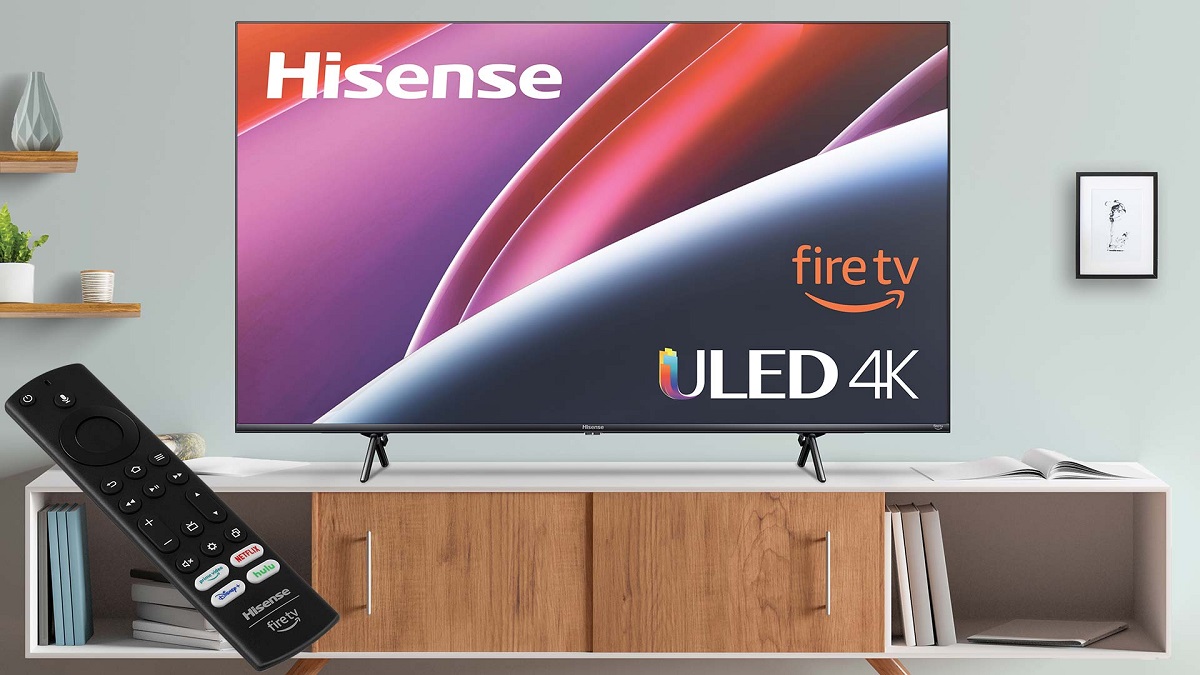
Before you explore your TV's menus, pause and check the device feeding the signal. A cable box, Fire Stick, or game console often has its own zoom or aspect ratio option that overrides the TV. If the image looks stretched only on one input, the source is the culprit. To fix it, start with the source device's display configuration. For a direct fix on the TV itself, you can adjust the picture size on my Vizio smart TV by pressing the Menu button on the remote. Navigate to Picture, and select Aspect Ratio. Try "Normal" or "Wide" to see which fills the screen without cutting off content. Similarly, you can change the picture size on my Hisense smart TV by opening the main system menu. Choose Display & Sound, and toggle Zoom Mode or Aspect Ratio. "Direct" mode often preserves the original broadcast signal. For streaming apps, the problem is sometimes inside the app itself. If you need to make Netflix full screen on smart TV, check your TV's picture size or aspect ratio settings, as most adjustments are made through the TV menus rather than within the app. This corrects black bars that may appear due to the content's original aspect ratio. Always test the same app on another input to confirm whether the TV or the device is responsible. Unlike other guides, we note that picture size issues can sometimes be caused by the source device's own display settings.
Choose the right TV for your space
Before you start troubleshooting a stretched or zoomed image, take a moment to consider the physical dimensions of your television in relation to your room. A common mistake is buying a screen that is simply too large for the viewing distance. This can make even a correctly formatted image feel overwhelming or distorted. For example, if you are working with a very compact living area or a bedroom, a 32 inch smart TV might be the perfect fit. It will sit comfortably on a small media stand without dominating the wall space. Keep in mind that the price of a television scales with its size. A smaller screen is often significantly more affordable. This leaves you with budget left over for a soundbar or a better streaming device. Once the screen is physically in place and you can sit at a comfortable distance, you can then focus on the software configuration. Remember that the central insight here is to first rule out the source device. If your display looks zoomed in, check the output options on your cable box or streaming stick before navigating the TV’s menu. The problem often originates there rather than from the television itself.