To make Netflix full screen on Smart TV, you need to change your TV's picture or display settings, not the Netflix app. The black bars or stretched picture you're seeing are almost always caused by your TV's aspect ratio setting (like 4:3) being wrong for the content, not by a missing full-screen button in the app.
Why Netflix isn't full screen on your Smart TV
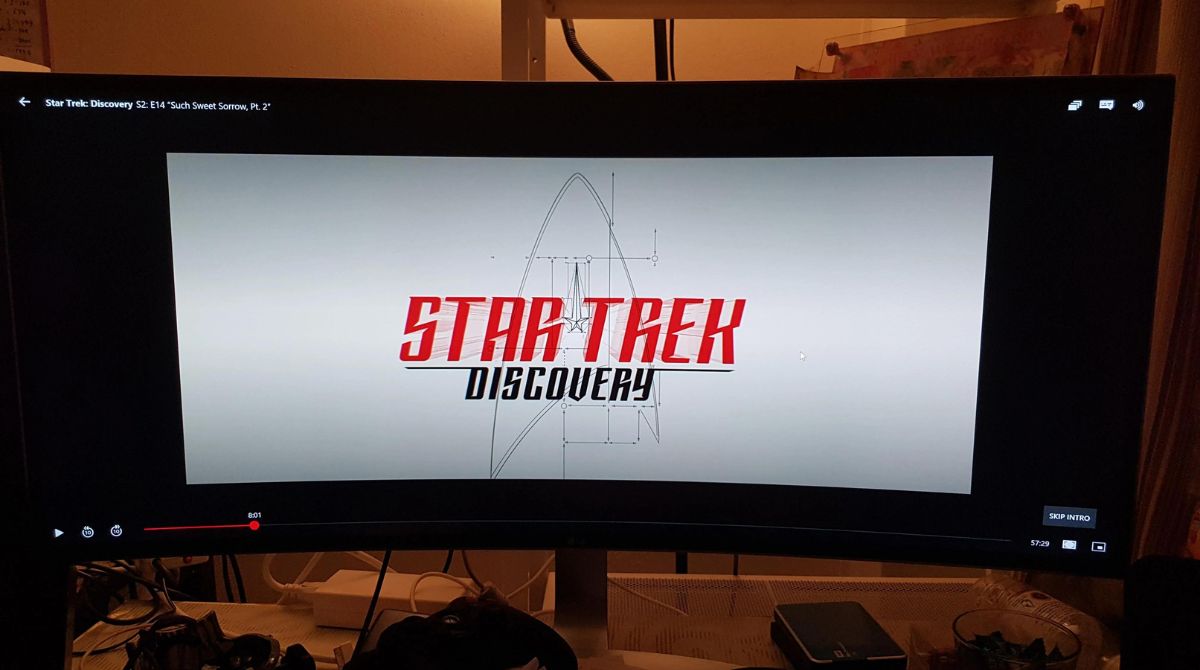
The Netflix app on Smart TVs does not have in-app controls for stretching or resizing the picture. When you see black bars on the top and bottom, or on the sides, it's because your TV is set to an aspect ratio that doesn't match the show or movie. For example, if your TV is stuck in 4:3 mode, a widescreen show will have bars on the sides. Also, some films are intentionally shot in wider formats like 2.35:1, which will always display with black bars at the top and bottom, even on a correctly set 16:9 TV. That's normal and not a problem to fix.
The fix is to adjust your TV's picture size or aspect ratio settings. This is a universal rule across all major Smart TV brands. You are not looking for a button inside the Netflix player; you are looking for a setting on your TV itself.
How to make Netflix full screen by fixing your TV's picture settings
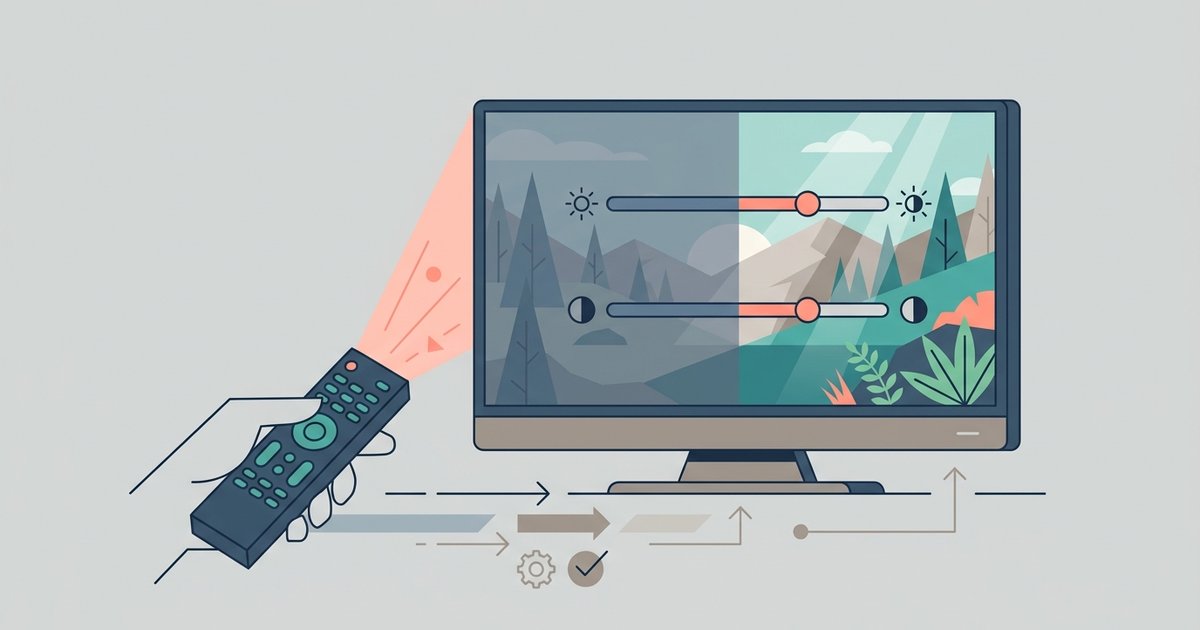
Start with the universal first step: grab your TV remote and press the Settings, Menu, or Gear button. This opens the TV's main menu. From there, navigate to the section labeled Picture, Display, or Screen. The exact name varies by brand, but you're looking for the area that controls how the image is shown. Inside that menu, find the option called Aspect Ratio, Picture Size, or Wide Mode. This is where you'll select the correct setting to fill the screen.
For most modern TVs, the best option is 16:9 or Just Scan. These settings will display the picture without cropping or stretching, and will eliminate unwanted black bars for standard widescreen content. If you still see bars on a specific show, try Full Screen or Zoom, but be aware that this may crop the top and bottom of the picture slightly.
Setting full screen on a Samsung Smart TV
On a Samsung Smart TV, the process is straightforward. Press the Home button on your remote, then navigate to Settings (the gear icon). Go to Picture, then select Picture Size or Aspect Ratio. From there, choose 16:9, Full Screen, or Just Scan. The Just Scan option is usually the best choice because it shows the original picture without any cropping or overscan. If you're watching older content that doesn't fill the screen, you can try Zoom to enlarge it, but be prepared for some cropping on the edges.
If you have a Samsung TV and the picture still isn't full screen after selecting 16:9, double-check that you're not in a special picture mode that overrides the aspect ratio.
Setting full screen on an LG Smart TV
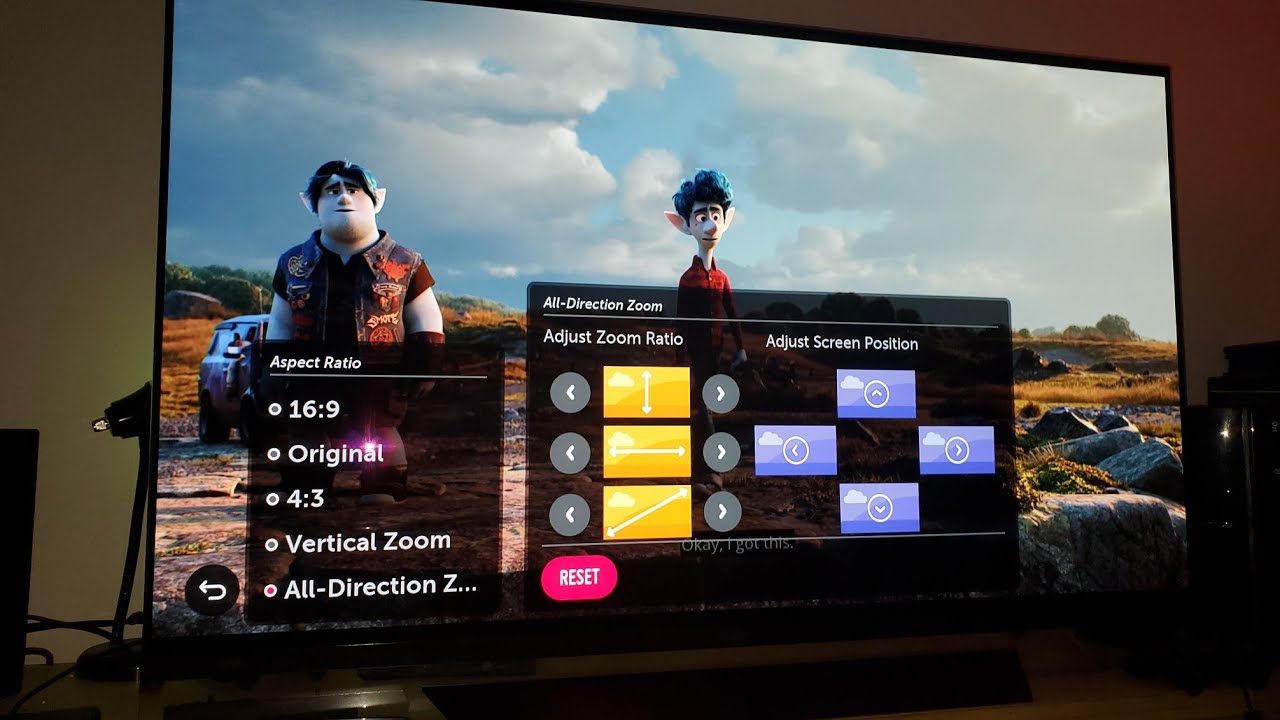
For LG Smart TVs, press the Settings button (the gear icon) on your remote. Then go to All Settings, followed by Picture, and then Aspect Ratio. Select 16:9 or Original. The Original setting will display the content exactly as it was filmed, which is usually the best option for Netflix. If you see black bars, switching to 16:9 will often force the picture to fill the screen, though it may stretch the image slightly.
There is a known issue with some LG TVs where the Netflix app overrides the TV's manual aspect ratio settings. If you change the setting but nothing happens, don't panic. First, try restarting the TV by turning it off and on again. If that doesn't work, you may need to delete and reinstall the Netflix app to restore normal aspect ratio control. This is a verified workaround for the conflict where the app takes control of the picture size.
Setting full screen on other Smart TV brands (Vizio, Hisense, etc.)
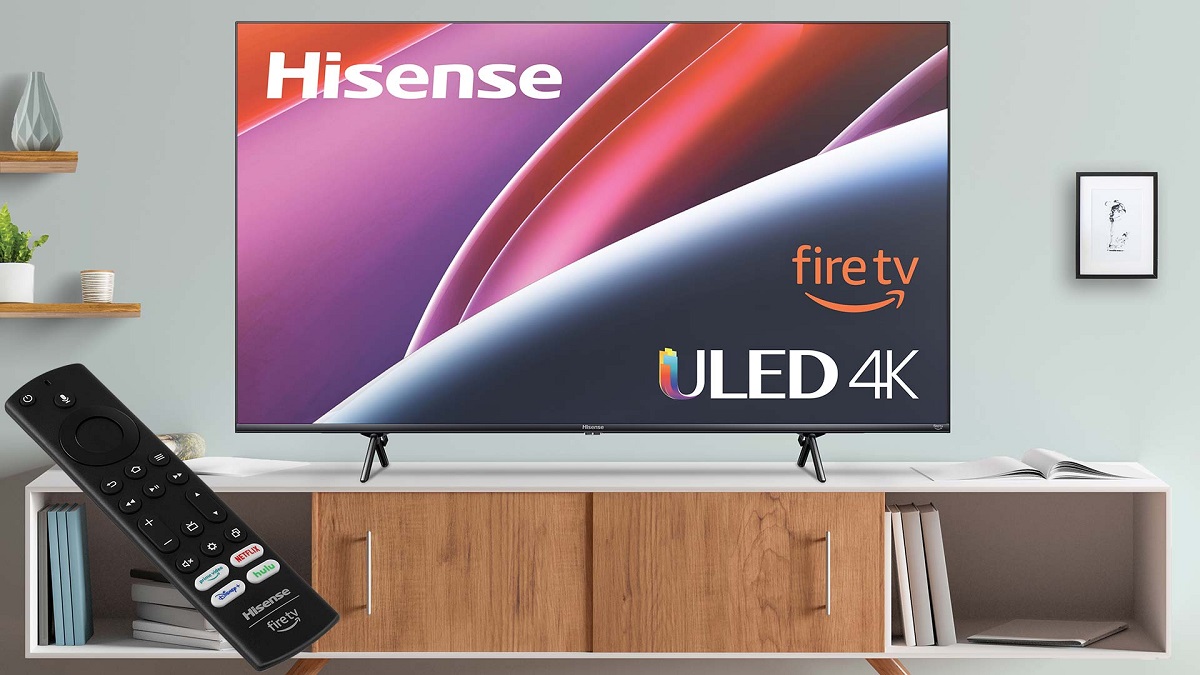
For all other Smart TV brands like Vizio, Hisense, TCL, Sony, or Philips, the process is similar but the menu names differ. Look for a button on your remote labeled Settings, Menu, or Input. Then navigate to Picture, Display, or Screen. Inside, you'll find options like Aspect Ratio, Wide Mode, or Picture Size. Choose the option that fills the screen, which is typically called Full Screen, Wide, or Zoom. For most Vizio TVs, the setting is under Picture > Aspect Ratio and you'll want to select Wide, if the menu path differs on your model, you can set full screen on Vizio smart TV with model-specific steps. If the image still doesn't look right, you may need to adjust the picture size on my Vizio smart TV to correct overscan or a stretched image. For Hisense, it's usually Settings > Picture > Aspect Ratio and choose Direct or 16:9.
If you can't find the exact menu, try pressing the Info or Display button on your remote while watching Netflix, this sometimes brings up a quick aspect ratio toggle. For more specific guidance, check our dedicated guides for Vizio and Hisense TVs. The key is to keep looking for the aspect ratio or picture size setting, not the Netflix app settings.
This isn't working after a software update
If you've tried all the steps above and Netflix still isn't full screen, a software glitch might be the culprit. This can happen after a TV firmware update or a Netflix app update. The first thing to try is a power cycle: unplug your TV from the wall outlet, wait 60 seconds, and plug it back in. This resets the TV's internal memory and often fixes minor software glitches that affect aspect ratio control. After restarting, check Netflix again.
If the problem persists, restart the device itself, if you're using a streaming stick or set-top box, unplug that too. Another reliable fix is to delete and reinstall the Netflix app. This clears any corrupted data that might be forcing the wrong picture size. After reinstalling, you'll need to sign in again, but this should restore your ability to control the aspect ratio through the TV's settings. Remember, the Netflix app doesn't have its own full-screen button, the control always lives in your TV's picture settings, and a fresh app install can help ensure that control works properly.
If you're still stuck, check if your TV has a zoom feature in the accessibility settings. Some TVs have a separate zoom function that can be activated with the remote's Zoom button. This is different from the aspect ratio setting and can help when the picture is letterboxed. But for most cases, a simple power cycle or app reinstall will solve the issue after a software update.