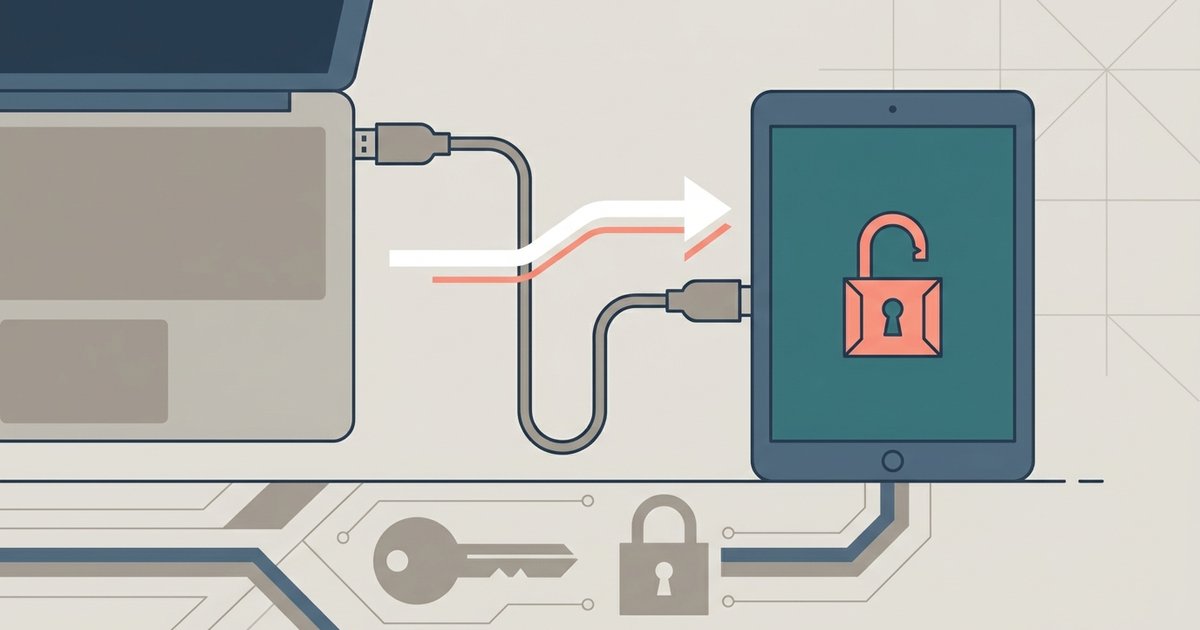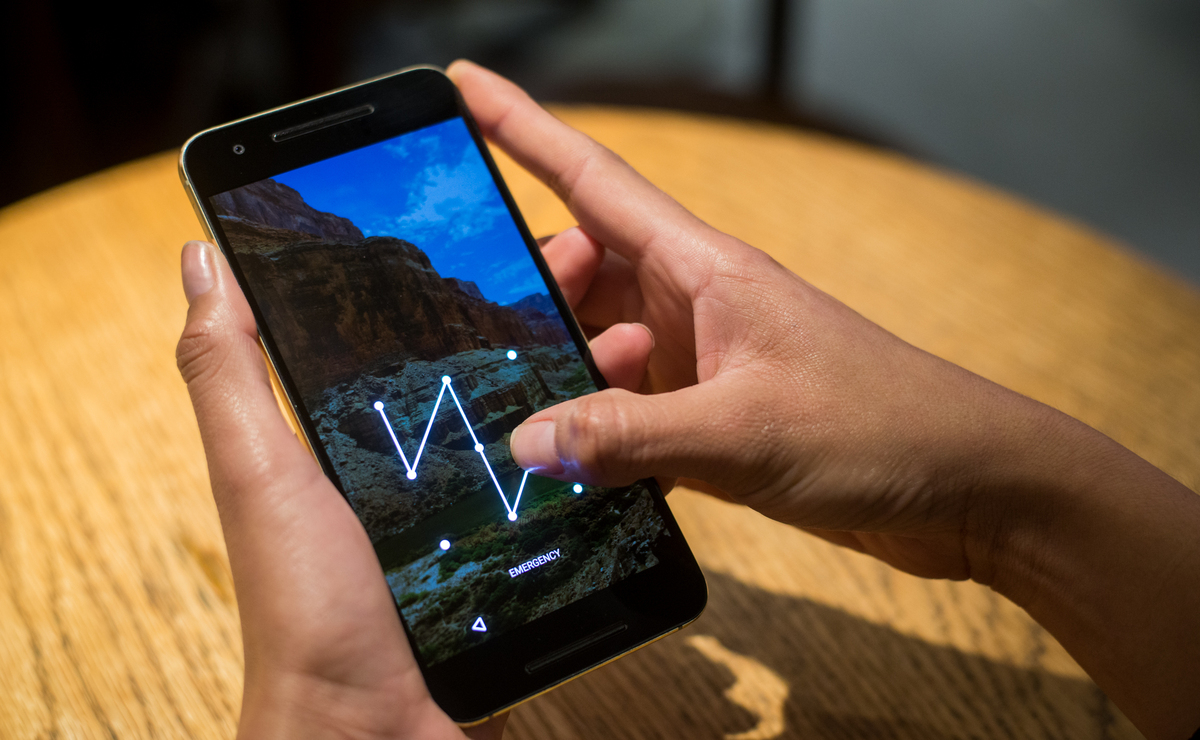
If you're locked out of your own device, the most direct way to regain access is to erase it remotely or perform a factory reset, both of which remove the screen lock but also wipe your personal data. The right method depends on your phone brand, whether you pre-enabled remote unlock features, and how much data you're willing to lose to regain entry.
Why you're locked out of your unlock Android phone
This guide addresses the most common scenario: you've forgotten the screen lock, a PIN, pattern, or password, that you set on your own device. It does not cover carrier unlocking (removing a network restriction), nor does it help if you're trying to access someone else's phone without permission. A crucial reality to understand upfront: on modern Android versions, there is no "backdoor" that lets you bypass the lock without erasing the device. Every reliable method below involves either a remote erase or a local factory reset, which means your apps, photos, messages, and settings will be permanently deleted unless you've backed them up. If you have critical data on the phone that isn't backed up, your only hope is a method that doesn't wipe the device, which for most users means Samsung's remote unlock feature, if it was enabled before you got locked out.
Before you start: back up and prepare
Before attempting any unlock method, take these steps if you still have any access to the phone (e.g., it's on but locked, or you can see notifications):
- Back up what you can: If your phone is syncing to Google Photos, Google Drive, or Samsung Cloud, your data may already be safe. If you have a lock screen widget or can access the camera, you can't easily copy files, but check if your photos are set to auto-backup.
- Charge the battery: A factory reset or remote erase requires the phone to stay powered on. If the battery dies mid-process, you could end up with a partially reset device that's still locked.
- Ensure internet connectivity: Remote unlock methods (Google Find Hub, Samsung SmartThings Find) require the locked phone to be online.
Method 1: use Google Find Hub to erase and unlock
Google's Find Hub (formerly Find My Device) is the most universal remote unlock option for any Android phone, as long as the device meets specific prerequisites. Your phone must be powered on, connected to the internet (Wi-Fi or mobile data), signed into a Google Account, have Location Services enabled, and have Find Hub turned on in settings. If all that was true before you got locked out, here's how to proceed:
- On another device (computer, tablet, or friend's phone), go to android.com/find.
- Sign in with the same Google Account that's linked to the locked phone.
- Select the locked device from the list at the top of the screen.
- Click "Erase device" in the left panel. This will remotely factory reset the phone.
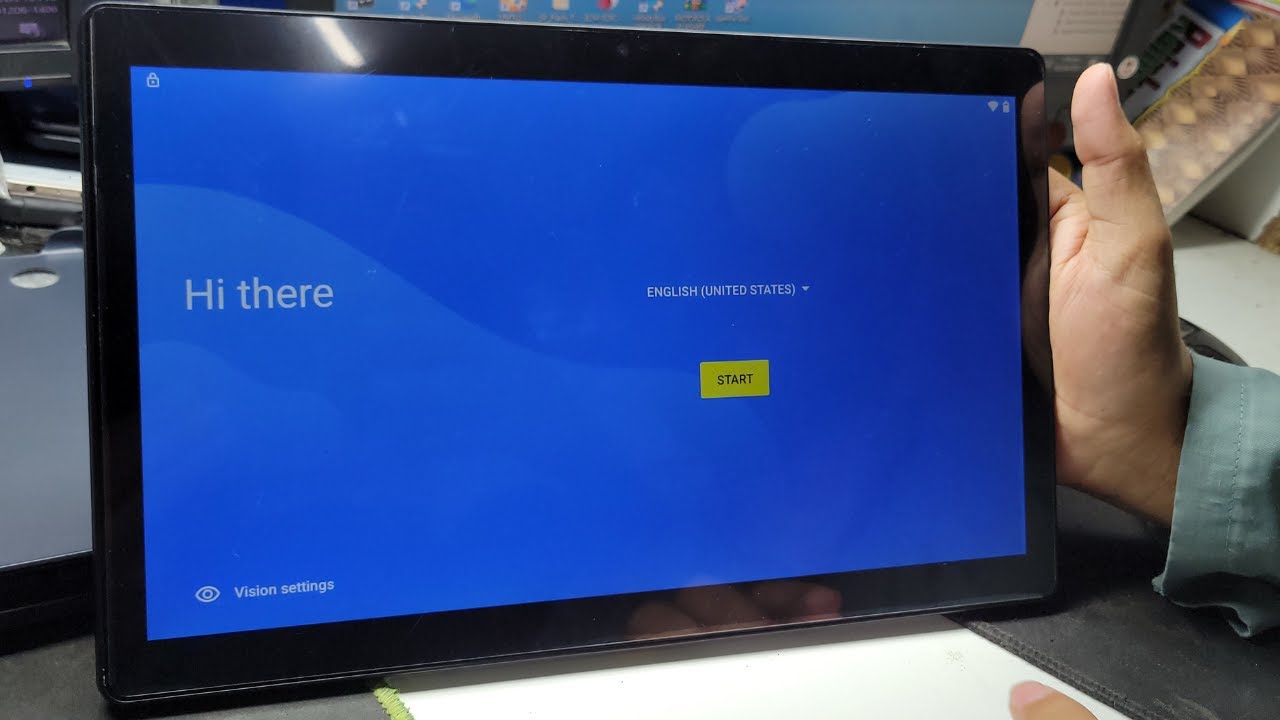
- Confirm the action. The phone will erase all data, including the screen lock, and reboot to the setup screen.
Warning: This method permanently deletes all data on the phone. After the erase, you'll be greeted by the "Welcome" screen. To proceed, you'll need to sign in with the Google Account credentials that were originally used to set up the device, this is Factory Reset Protection (FRP), a security feature that prevents thieves from using a reset phone. If you don't remember that account or its password, you'll be stuck at the verification screen (see the FRP section below).
Method 2: unlock Samsung phones with SmartThings Find
Samsung Galaxy owners have a unique advantage: the SmartThings Find service (formerly Find My Mobile) can remotely unlock a device without erasing it, but only if you enabled the "Remote unlock" feature in Settings > Biometrics and security > Find My Mobile before the phone was locked. To use it:
- Go to the SmartThings Find website (findmymobile.samsung.com) on another device.
- Log in with the Samsung account that's registered on the locked phone.
- Select the locked device from the list.
- Click the "Unlock" icon (it looks like a padlock).
- Enter your Samsung account password to confirm. The phone will unlock remotely, and you can then set a new screen lock method.
This method preserves all your data, no factory reset involved. Additionally, if you can unlock the phone using biometrics (fingerprint or face) but have forgotten the PIN/pattern/password, SmartThings Find can also reset all unlock data (PIN, pattern, password, and biometric methods) from the website, letting you set a fresh lock.
Method 3: factory reset via recovery mode
If you can't use remote methods (e.g., the phone is offline, or you didn't pre-enable Find Hub/SmartThings Find), a local factory reset through Recovery Mode is your last resort. This works on virtually every Android phone, but the button combination varies by manufacturer and model. Here's the general process:
- Power off the phone completely.
- Use the Volume Up/Down buttons to navigate the menu. Highlight "Wipe data/factory reset" or "Factory reset" (wording varies).
- Press the Power button to select it.
- Wait for the reset to complete. The phone will reboot to the setup screen, now unlocked but with all data erased.
Critical warning: This method erases everything on the phone, including your screen lock, apps, photos, and settings. It also triggers FRP: after reboot, you must sign in with the original Google Account that was on the device. If you don't have those credentials, you won't be able to use the phone at all (see below).
What about the 'forgot pattern' option?
You might remember that older Android phones offered a "Forgot pattern?" or "Forgot password?" link after several failed unlock attempts, which let you reset the lock by entering your Google Account credentials. That option only exists on Android 4.4 (KitKat) or lower. Don't waste time looking for it; move straight to the factory reset or remote erase methods.
After you unlock: dealing with factory reset protection
If you performed a factory reset (via Google Find Hub or Recovery Mode), you'll encounter Factory Reset Protection (FRP) on the setup screen. This is a Google security feature that requires you to sign in with the original Google Account that was used to set up the phone. Without it, the phone is bricked, you can't get past the welcome screen. If you remember the account email and password, simply enter them and you're in. If you've forgotten the password, you can try Google's account recovery process. If you've lost access to the account entirely (e.g., no recovery email or phone number), you'll need specialized help. For that scenario, see our sibling article: [Full Guide] How to Bypass Google Account Verification After Reset. Note that bypassing FRP is a legally gray area, it's intended to deter theft, so only use it on a device you own.
Tips to avoid getting locked out again
Once you've regained access, take these steps to prevent a repeat lockout:
- Set a lock you'll remember: Choose a PIN or pattern that's easy for you to recall but hard for others to guess. Avoid using the same pattern you just forgot. If you're prone to forgetting, write it down in a secure place (not on a sticky note on your desk).
- Enable Samsung's remote unlock (if you have a Galaxy): Go to Settings > Biometrics and security > Find My Mobile and turn on "Remote unlock." This ensures you can use SmartThings Find to unlock without data loss in the future.
- Keep Google Account credentials accessible: Since FRP requires your original Google Account after any factory reset, store those credentials in a password manager or write them down somewhere safe. Losing both your screen lock and your Google password is the worst-case scenario, it turns your phone into a brick.
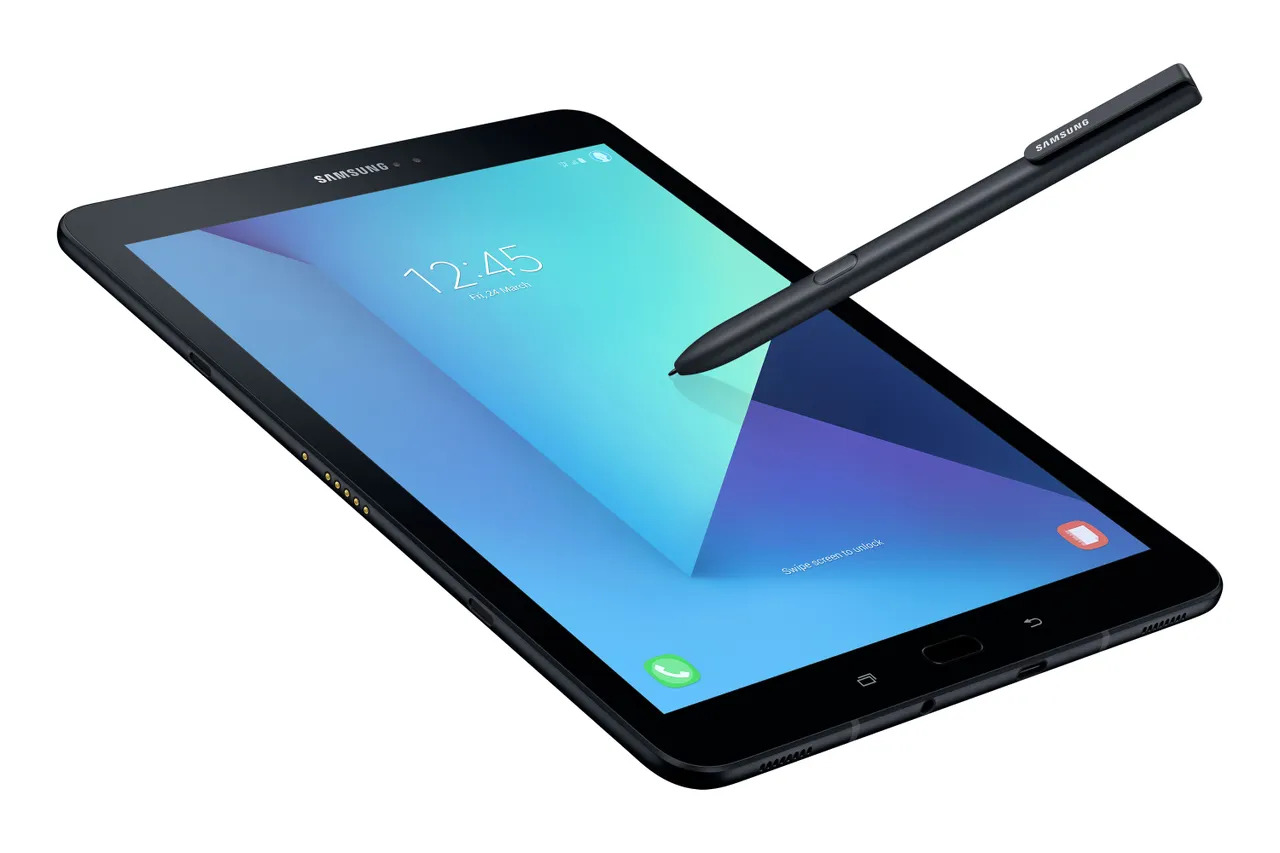
If you're dealing with a locked tablet instead of a phone, the same principles apply, check our guide on unlocking a locked tablet for device-specific steps. And if you have a Samsung tablet, the SmartThings Find method works there too; see how to unlock a Samsung tablet when you forgot the pattern for tailored instructions. Remember, the key to a smooth recovery is preparation: enable remote unlock features before you need them, back up your data regularly, and never let your Google Account credentials become a mystery. The moment you're locked out, your options are limited to erasing the device or relying on a pre-enabled remote service, so act accordingly.
For the wider topic, see unlocking a locked tablet.